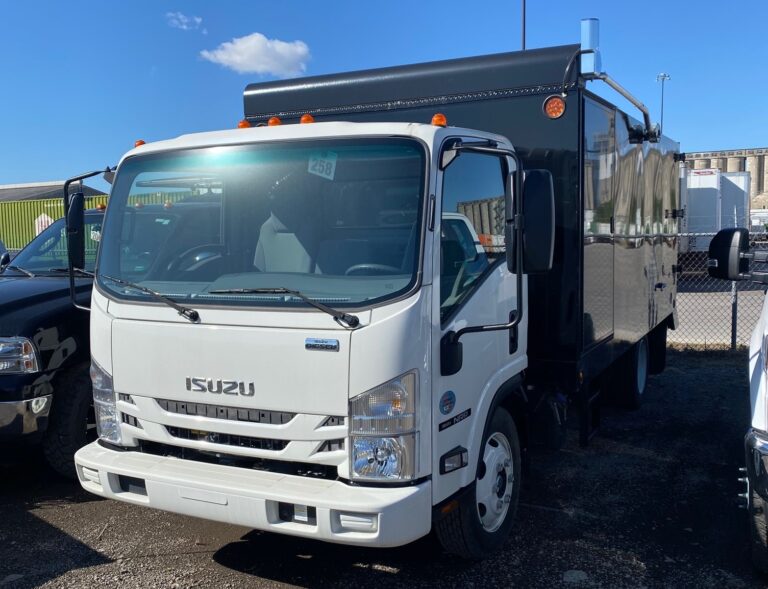
What Exactly is a Regional Driver? Navigating the Sweet Spot of Trucking
What Exactly is a Regional Driver? Navigating the Sweet Spot of Trucking Lmctruck.Guidemechanic.com
The open road calls to many, but the life of a truck driver isn’t a one-size-fits-all experience. From local routes that bring you home every night to cross-country hauls that keep you away for weeks, the trucking industry offers a diverse range of roles. Nestled comfortably between these extremes is a position that offers a unique blend of adventure and predictability: the regional driver.
If you’ve ever considered a career behind the wheel, or simply wondered about the logistics that keep our world moving, understanding the regional driver role is crucial. It’s a highly sought-after position, providing a critical service while offering a lifestyle that many drivers find ideal. This comprehensive guide will peel back the layers, revealing everything you need to know about what it means to be a regional driver.
What Exactly is a Regional Driver? Navigating the Sweet Spot of Trucking
Unpacking the Core Definition: What is a Regional Driver?
At its heart, a regional driver is a commercial truck driver who operates within a specific, defined geographic area, typically spanning several states rather than a single city or the entire nation. Unlike their over-the-road (OTR) counterparts who might traverse coast-to-coast, regional drivers focus on a particular "region" of the country. This could be the Midwest, the Southeast, the Northeast, or the Pacific Northwest, for example.
The primary characteristic that defines this role is the operational scope. Regional drivers are not just driving long distances; they are driving long distances within a predictable framework. This structure is often what attracts many to the position, as it balances the thrill of the road with a more consistent home life.
The Geographic Footprint: Where Do Regional Drivers Operate?
When we talk about a "region," we’re generally referring to a cluster of neighboring states. For instance, a regional driver based in Atlanta might regularly cover routes through Georgia, Florida, Alabama, Tennessee, and the Carolinas. Their routes rarely venture outside this established territory.
This concentrated operational area means drivers become highly familiar with the roads, rest stops, and specific customer locations within their region. This familiarity can lead to increased efficiency and a more comfortable driving experience over time. It’s about mastering a specific slice of the trucking landscape.
A Deeper Dive into the Regional Driver’s Daily Life
The life of a regional driver is a rhythm of consistent routes, overnight stays, and regular home time. It’s a demanding job that requires focus, discipline, and excellent time management. Here’s a typical snapshot of what a regional driver’s day, and week, might look like:
Starting the Week:
- A driver typically begins their week by picking up a loaded trailer from a company terminal or a client’s distribution center.
- Before hitting the road, a thorough pre-trip inspection is mandatory, ensuring the vehicle is safe and compliant.
- Routes are often pre-planned, detailing delivery points and pickup locations within their designated region.
On the Road:
- Driving hours are strictly governed by Hours of Service (HOS) regulations, limiting continuous driving and requiring mandatory breaks.
- Regional routes often involve 1-3 overnight stays in their truck’s sleeper berth, typically at truck stops or designated parking areas.
- Deliveries and pickups are made at various facilities, from large warehouses to smaller retail outlets, requiring careful maneuvering and precise timing.
Home Time:
- The most significant advantage for many regional drivers is the predictability of home time. Most regional drivers are home weekly, often for a 34-hour reset over the weekend.
- Some routes might even get drivers home every few days, depending on the length and nature of the runs. This consistent schedule allows for a better work-life balance compared to OTR.
From my experience observing countless drivers, the ability to plan your personal life around a relatively fixed schedule is a massive draw for regional trucking. It provides a sense of stability often missing in other long-haul roles.
Essential Characteristics and Responsibilities of a Regional Driver
Being a successful regional driver requires more than just knowing how to operate a big rig. It demands a specific set of skills and a commitment to responsibility.
- Exceptional Driving Acumen: Navigating various terrains, from bustling city streets to winding rural roads, requires advanced driving skills and defensive driving techniques. Weather conditions can change rapidly across states, demanding adaptability.
- Mastery of Time Management: Adhering to strict delivery schedules and managing HOS regulations are paramount. Delays can have cascading effects, impacting subsequent deliveries and company reputation.
- Logistics & Route Planning: While dispatch often provides routes, drivers must be able to anticipate potential issues like traffic, construction, or weather and make informed decisions on the fly. Proactive planning minimizes downtime and maximizes efficiency.
- Clear Communication: Regular and effective communication with dispatch, clients, and fellow drivers is vital. Reporting delays, confirming deliveries, and addressing issues promptly ensures smooth operations.
- Basic Vehicle Maintenance & Inspection: Drivers are the first line of defense for their equipment. Performing thorough pre-trip and post-trip inspections, checking fluid levels, tires, and lights, and reporting any mechanical issues promptly are critical for safety and uptime.
- Unwavering Safety Compliance: Adhering to all Department of Transportation (DOT) regulations, company safety policies, and local traffic laws is non-negotiable. Safety is always the top priority in the trucking industry.
Regional Driver vs. Other Trucking Roles: Finding Your Fit
To truly understand the regional driver, it’s helpful to compare it to other common trucking classifications. Each role has its unique appeal and challenges.
1. Local Driver:
- Scope: Operates within a smaller radius, typically a single city or metropolitan area.
- Home Time: Home daily, often sleeping in their own bed every night.
- Freight: Often involves multiple stops, less-than-truckload (LTL), or specialized local deliveries.
- Pay: Generally lower than regional or OTR, but zero overnight expenses.
2. Over-the-Road (OTR) Driver:
- Scope: Drives across the entire country, often from coast to coast.
- Home Time: Can be out for weeks at a time, sometimes even months, before returning home for a few days.
- Freight: Long-haul, full truckload (FTL) freight.
- Pay: Often the highest earning potential due to mileage and time away, but at a significant sacrifice of home time.
3. Dedicated Driver:
- Scope: Drives for one specific client on a consistent route. This can be local, regional, or even OTR, but the key is the dedication to a single customer.
- Home Time: Varies greatly depending on the dedicated route’s length and nature.
- Freight: Specific to the client’s needs, often highly predictable.
- Pay: Can be very competitive, offering stability and predictable income.
Pro Tip from us: Regional driving often strikes the best balance for those who want significant mileage and good pay without the extensive time away from home that OTR demands. It’s often considered the "goldilocks zone" of trucking careers.
The Perks of Being a Regional Driver: Why Choose This Path?
Many drivers actively seek out regional roles, and for good reason. The advantages often align with what many professionals look for in a career.
- Superior Home Time: This is arguably the biggest draw. The ability to be home weekly, or at least every few days, significantly improves work-life balance compared to OTR. It allows for consistent family time and personal appointments.
- Consistent and Predictable Routes: Regional drivers often run similar lanes repeatedly. This predictability reduces stress, allows for better planning, and makes the job feel more manageable. You get to know your routes like the back of your hand.
- Robust Earning Potential: While perhaps not reaching the absolute peak of some specialized OTR roles, regional drivers earn a very competitive salary. It’s significantly higher than local driving, offering excellent compensation for the time invested.
- A Taste of Variety: While you’re in a specific region, you’re still covering multiple states, offering more diverse scenery and experiences than local driving. It keeps the job interesting without the overwhelming scope of OTR.
- Skill Refinement: Operating within a defined region allows drivers to truly master specific routes, navigate various weather conditions unique to that area, and build strong relationships with regular clients or dispatchers.
- Stronger Sense of Community: Because regional drivers often return to the same terminals, there’s a greater chance to interact with fellow drivers and company staff, fostering a stronger sense of community than the more solitary OTR life.
The Challenges: Navigating the Downsides of Regional Driving
No job is without its drawbacks, and regional driving presents its own set of challenges that potential drivers should be aware of.
- Still Away from Home: While better than OTR, you won’t be home every night. This requires adaptation and can be tough for some, especially those with young families or specific daily commitments.
- Irregular Sleep Patterns: Despite predictable home time, the nature of trucking often means sleeping in a different location each night on the road. This can disrupt sleep cycles and requires discipline to maintain good rest habits.
- Demanding Physicality: The job involves long hours of sitting, but also can include physical tasks like tarping, chaining, or assisting with loading/unloading. Maintaining physical fitness is important to prevent strain and fatigue.
- Regulatory Compliance Pressure: Adhering strictly to Hours of Service (HOS) regulations, managing logs (now typically Electronic Logging Devices, or ELDs), and navigating weigh stations and inspections are constant pressures. Mistakes can lead to fines or violations.
- Traffic and Weather Variables: Even with consistent routes, traffic congestion and unpredictable weather across multiple states can significantly impact schedules and add stress to the driving experience.
- Potential for Isolation: While less than OTR, there can still be periods of solitude. Drivers spend a lot of time alone in their cab, which requires a certain personality type to manage effectively.
Earning Potential and Compensation for Regional Drivers
One of the most common questions is, "How much do regional drivers make?" The answer, like in most careers, varies based on several factors. However, regional driving consistently offers a strong income.
- Payment Structures: Regional drivers are typically paid per mile (CPM), but some companies offer a percentage of the load’s revenue, or even an hourly rate for specific tasks or wait times.
- Influencing Factors:
- Experience: New drivers will start at a lower CPM than seasoned veterans.
- Company Size & Reputation: Larger, more established companies often offer better pay and benefits.
- Freight Type: Specialized freight (e.g., HazMat, refrigerated, oversized) often commands higher pay due to increased responsibility and required endorsements.
- Endorsements: Holding endorsements like HazMat, Tanker, or Doubles/Triples can significantly boost earning potential.
- Location: Certain regions or states might have higher pay scales due to demand or cost of living.
- Average Salary: While specific numbers fluctuate, a regional driver with 1-3 years of experience can typically expect to earn between $60,000 and $80,000 annually, with experienced drivers potentially exceeding this range. Many companies also offer performance bonuses, safety incentives, and fuel efficiency bonuses.
- Benefits: Most reputable trucking companies provide comprehensive benefits packages, including health, dental, and vision insurance, paid time off, and 401(k) retirement plans.
The Road to Becoming a Regional Driver: Requirements
Becoming a regional driver, like any professional truck driver, involves meeting specific qualifications. These are generally standard across the industry.
- Commercial Driver’s License (CDL) Class A: This is the foundational requirement. A Class A CDL allows you to operate any combination of vehicles with a Gross Combination Weight Rating (GCWR) of 26,001 pounds or more, provided the Gross Vehicle Weight Rating (GVWR) of the vehicle being towed is more than 10,000 pounds. This covers most tractor-trailers.
- Minimum Age Requirement: You must be at least 21 years old to drive a commercial motor vehicle across state lines (interstate commerce), which is typical for regional routes. For intrastate (within one state) driving, some states allow 18-year-olds.
- Clean Driving Record (MVR): Companies look for drivers with a good Motor Vehicle Record, free of major violations like DUIs, reckless driving, or multiple accidents. A clean record demonstrates responsibility and reduces insurance risks.
- DOT Medical Card: All commercial drivers must pass a Department of Transportation (DOT) physical exam to ensure they are medically fit to operate a CMV. This includes checks on vision, hearing, blood pressure, and overall health.
- Necessary Endorsements: Depending on the type of freight you’ll be hauling, you might need additional CDL endorsements:
- HazMat (H): Required for hauling hazardous materials.
- Tanker (N): Required for hauling liquids in bulk.
- Doubles/Triples (T): Required for pulling multiple trailers.
- Entry-Level Driver Training (ELDT): As of February 2022, new CDL applicants must complete specific ELDT from a registered provider. This ensures a standardized, high level of training.
- Soft Skills: Beyond the formal requirements, companies value drivers who are reliable, possess strong communication skills, can solve problems independently, and have a professional demeanor.
Finding Your First Regional Driving Job
The demand for qualified regional drivers is consistently high. Here’s how to navigate the job market:
- Online Job Boards: Websites like Indeed, Monster, and specialized trucking job boards (e.g., CDLjobs.com, TruckersReport) are excellent resources. Filter your search by "regional driver" or "regional trucking."
- Company Websites: Many large trucking companies, such as Swift Transportation, Werner Enterprises, Schneider, and J.B. Hunt, have dedicated career sections on their websites. Applying directly can sometimes streamline the process.
- Trucking Schools: If you’re new to trucking, many CDL training schools have job placement programs and partnerships with regional carriers. This can be a great way to secure a job right after graduation.
- Networking: Talk to current drivers, attend trucking industry events, and leverage social media groups. Word-of-mouth and referrals can open doors.
Pro tips from us: When researching companies, look beyond just the advertised pay. Investigate their average weekly mileage, benefits package, equipment age, and their reputation for home time. A company that consistently gets you home on time is often worth more than a slightly higher CPM that rarely materializes.
Career Progression: What’s Next for a Regional Driver?
A career as a regional driver is not a dead end; it can be a springboard to various other opportunities within the trucking and logistics industry.
- Specialized Regional Routes: You might transition to hauling specific types of freight, like refrigerated goods (reefer), flatbed, or HazMat, which often come with higher pay.
- Dedicated Routes: Many regional drivers eventually move into dedicated roles, driving for a single client on a highly predictable schedule, often with excellent pay and benefits.
- Driver Trainer: With experience, you can become a certified driver trainer, mentoring new drivers and sharing your expertise. This role often comes with additional pay and responsibilities.
- Dispatch or Management: Drivers who demonstrate strong organizational and communication skills might transition into office roles, such as dispatching, operations management, or safety coordination.
- Owner-Operator: For entrepreneurial spirits, becoming an owner-operator allows you to run your own business, lease your truck to a carrier, or operate independently. This offers the highest earning potential but also carries the most risk and responsibility.
Expert Advice for Thriving as a Regional Driver (E-E-A-T)
Based on my experience in the trucking industry and countless conversations with successful regional drivers, here are some pro tips to not just survive, but truly thrive in this demanding yet rewarding career:
- Master Your Hours of Service (HOS): This is non-negotiable. Understand the rules inside and out, and use your ELD effectively. Planning your breaks and 10-hour reset is crucial for compliance and avoiding fatigue. A common mistake we see is drivers pushing too hard, leading to violations and burnout. For more detailed information on HOS, consider checking out the FMCSA HOS Regulations.
- Become a Planning Pro: Before you even leave the yard, know your route, your fuel stops, and potential rest areas. Don’t rely solely on GPS; cross-reference with a map or trucking apps. Anticipate challenges like rush hour in major cities or potential construction zones.
- Prioritize Truck Maintenance: Your truck is your office and your livelihood. Perform diligent pre-trip and post-trip inspections. Report any issues, even minor ones, immediately. Proactive maintenance prevents costly breakdowns and keeps you safe.
- Communicate, Communicate, Communicate: Keep dispatch informed of your progress, any delays, or unexpected issues. Clearly communicate with shippers and receivers. Equally important, maintain open lines of communication with your family to manage expectations and minimize stress while you’re on the road.
- Invest in Your Health: Long hours sitting can take a toll. Make an effort to eat healthy, stay hydrated, and incorporate physical activity whenever possible. Even short walks at truck stops make a difference. Prioritize sleep; a well-rested driver is a safe driver.
- Budget Wisely: While regional drivers have good pay, expenses on the road (food, showers, laundry) can add up. Plan your budget, cook some of your own meals, and take advantage of company-provided amenities if available.
- Embrace Technology: Modern trucks and logistics rely heavily on technology. Become proficient with your ELD, navigation apps, and any company-specific software. These tools are designed to make your job easier and more efficient.
Common Mistakes Regional Drivers Make and How to Avoid Them
Even experienced drivers can fall into traps. Understanding these common pitfalls can help you steer clear.
- Ignoring Fatigue Signals: Pushing through exhaustion is a recipe for disaster. Drowsy driving is as dangerous as impaired driving. Always take your mandated breaks and pull over for a nap if you feel tired, even if it means a slight delay.
- Poor Trip Planning: Failing to account for factors like traffic, weather, or unexpected delays can throw off your entire schedule, leading to rushed driving, HOS violations, and frustrated clients. Always build in buffer time.
- Neglecting Personal Health: Skipping meals, relying on fast food, and neglecting exercise can lead to long-term health issues and reduce your stamina on the road. Make conscious choices to prioritize your well-being.
- Inadequate Communication with Dispatch: Not reporting issues or delays promptly can cause significant logistical headaches for your company and lead to misunderstandings. Keep them in the loop.
- Failure to Adapt: The trucking world is dynamic. Weather changes, routes are rerouted, and customer demands shift. Drivers who are rigid and unwilling to adapt often find themselves stressed and struggling.
- Not Understanding Their Pay Structure: Fully comprehend how you’re paid. Are there accessorial fees? Detention pay? Knowing this helps you track your earnings accurately and ensures you’re compensated fairly for all your work.
The Future of Regional Trucking
The role of the regional driver is robust and continues to evolve with industry trends. E-commerce, in particular, has driven a significant increase in demand for regional hauling, as goods need to move efficiently from distribution centers to various markets.
Technology will continue to play a larger role, with advancements in autonomous driving features assisting drivers, not replacing them. Improved logistics software will make route planning even more efficient. The regional driver will remain a critical link in the supply chain, adapting to new technologies and demands while continuing to enjoy the unique balance this career offers.
Conclusion: Is Regional Driving Right for You?
The regional driver role truly represents a sweet spot in the trucking industry. It offers a compelling balance of consistent income, predictable home time, and the freedom of the open road, without the extensive time away that OTR demands. It’s a challenging but deeply rewarding career path for individuals who are responsible, adaptable, and enjoy a structured yet dynamic work environment.
If you’re seeking a career that allows you to explore different regions, earn a good living, and still be present for your family and personal life, becoming a regional driver might just be your ideal destination. It’s a cornerstone of our economy, and a testament to the dedication of the men and women who keep our goods moving.
Have you considered a career as a regional driver? What aspects appeal to you most? Share your thoughts in the comments below!