Unveiling the Powerhouse: What Brands Does GM Own and Why It Matters
Unveiling the Powerhouse: What Brands Does GM Own and Why It Matters Lmctruck.Guidemechanic.com
General Motors (GM) stands as a true titan in the global automotive industry, a name synonymous with American manufacturing prowess and innovation. Yet, for many, the full extent of its empire remains somewhat a mystery. Beyond the familiar badge on a pickup truck or a luxury sedan, GM orchestrates a vast and intricate network of brands, each meticulously crafted to capture a specific segment of the market. Understanding what brands GM owns is more than just a trivia fact; it’s a deep dive into strategic market segmentation, engineering marvels, and the very future of mobility.
In this comprehensive guide, we’ll peel back the layers of General Motors’ formidable portfolio. We’ll explore not only the iconic marques that currently define its identity but also delve into its rich history of brand management, strategic acquisitions, and divestitures. From the workhorse trucks to cutting-edge electric vehicles and autonomous technology, you’ll discover the strategic genius behind GM’s diverse stable. Prepare to gain a truly in-depth understanding of one of the world’s most influential automotive giants.
Unveiling the Powerhouse: What Brands Does GM Own and Why It Matters
The Enduring Legacy of General Motors: A Brief History
To truly appreciate GM’s current brand strategy, it’s essential to briefly look at its storied past. Founded in 1908 by William C. Durant, General Motors began as a holding company for Buick. Durant quickly embarked on an ambitious acquisition spree, bringing numerous pioneering automobile companies under the GM umbrella. This early strategy laid the groundwork for what would become a multi-brand powerhouse.
By the 1920s, GM had established its famous "ladder of success" strategy. This allowed consumers to start with an entry-level Chevrolet and progressively move up to Pontiac, Oldsmobile, Buick, and ultimately, Cadillac, as their income and status grew. This innovative approach cemented GM’s dominance for decades, demonstrating an early mastery of market segmentation long before it became a mainstream business concept. Understanding this historical context helps clarify why GM has historically maintained such a diverse collection of marques.
The Current Automotive Empire: What Brands Does GM Own Today?
General Motors has meticulously cultivated a portfolio of brands designed to cater to a wide array of consumer needs, preferences, and budgets across the globe. Each brand plays a crucial role in GM’s overarching strategy, from mass-market appeal to ultra-luxury and future mobility solutions. Here’s a detailed look at the core brands currently under the GM umbrella.
Chevrolet: The Everyday Hero with Global Appeal
Chevrolet, often affectionately known as "Chevy," is arguably the most recognizable and ubiquitous brand within the General Motors family. It represents the heart of GM’s mass-market strategy, offering a comprehensive lineup that appeals to a vast demographic. From compact cars and family-friendly SUVs to powerful trucks and performance sports cars, Chevrolet aims to provide a vehicle for nearly every need and budget.
Based on my experience observing the automotive market, Chevrolet’s strength lies in its incredible versatility and widespread global presence. In North America, its Silverado and Colorado pickup trucks are perennial best-sellers, embodying American utility and capability. The brand also offers popular SUVs like the Equinox and Tahoe, which cater to families seeking practicality and comfort. On the performance front, the iconic Corvette and Camaro continue to thrill enthusiasts with their engineering and speed. Chevrolet is also at the forefront of GM’s electric vehicle push, with models like the Bolt EV and the upcoming Silverado EV and Blazer EV signaling a clear path towards an electrified future.
GMC: Professional Grade Utility and Premium Experience
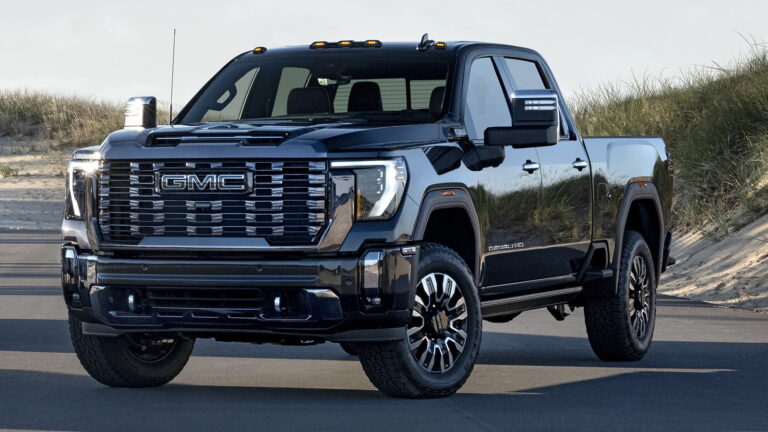
GMC, standing for "General Motors Truck Company," operates as GM’s dedicated premium truck and SUV division. While sharing many platforms and components with Chevrolet vehicles, GMC distinguishes itself through more upscale styling, higher-quality interior materials, and a focus on "Professional Grade" capability. It targets buyers who desire robust utility but also appreciate a more refined and premium aesthetic.
Pro tips from us: Don’t mistake GMC for just a rebadged Chevy. While the underlying engineering might be similar, GMC’s design language, trim levels (like the Denali series), and marketing position it as a step above in terms of perceived luxury and feature content. Its lineup includes popular trucks like the Sierra and Canyon, and a range of SUVs such as the Acadia, Terrain, and Yukon. The return of the Hummer as an all-electric supertruck under the GMC brand further illustrates its commitment to premium, high-performance utility vehicles, pushing the boundaries of what a truck can be.
Buick: Accessible Luxury with a Global Footprint
Buick has undergone a significant transformation in recent decades, evolving from a traditional American luxury brand to one focused on accessible premium SUVs. While still offering elegant sedans in some markets, its primary focus, especially in North America, has shifted towards a lineup of stylish and comfortable sport utility vehicles. Buick targets consumers who desire a sophisticated driving experience and upscale features without the exorbitant price tag of traditional luxury brands.
Common mistakes to avoid when thinking about Buick are associating it solely with older generations. While it has a long heritage, Buick has successfully revitalized its image, particularly in the critical Chinese market where it enjoys immense popularity. In China, Buick is a powerhouse, offering a broader range of sedans and MPVs alongside its SUVs. This global perspective is crucial to understanding Buick’s continued importance within the GM portfolio, serving as a bridge between mass-market offerings and the ultimate luxury of Cadillac.
Cadillac: The Pinnacle of American Luxury and Innovation
Cadillac represents the absolute apex of General Motors’ luxury offerings. For over a century, Cadillac has been a standard-bearer for American luxury, innovation, and cutting-edge technology. It competes directly with established European and Asian luxury brands, aiming to deliver a blend of opulent design, powerful performance, and advanced features.
Cadillac has a rich history of pioneering automotive technologies, from the first electric self-starter to advanced driver-assistance systems. Today, Cadillac is aggressively pursuing an all-electric future, repositioning itself as GM’s lead brand for electrification and sophisticated technology. Models like the iconic Escalade SUV continue to define American luxury, while new electric vehicles such as the Lyriq and Celestiq are designed to push the boundaries of design, performance, and digital integration. Cadillac is not just selling cars; it’s selling an experience, a statement, and a glimpse into the future of premium mobility.
BrightDrop: Innovating Last-Mile Delivery Solutions
Stepping beyond traditional passenger vehicles, BrightDrop represents GM’s strategic entry into the rapidly growing commercial electric vehicle and logistics market. Launched in 2021, BrightDrop offers an ecosystem of electric light commercial vehicles, smart containers, and software solutions designed to electrify and optimize last-mile delivery services. This venture highlights GM’s commitment to diversifying its revenue streams and addressing evolving market demands.
From a business perspective, BrightDrop is a brilliant move. The boom in e-commerce has created an immense need for efficient, sustainable delivery solutions. BrightDrop’s Zevo electric delivery vans, for example, are designed from the ground up to meet these demands, offering zero-emission transportation for businesses. This brand isn’t about personal car ownership; it’s about transforming the logistics industry, showcasing GM’s capabilities in areas far beyond traditional consumer automotive manufacturing.
Cruise: Pioneering Autonomous Driving Technology
Cruise is General Motors’ leading initiative in the autonomous vehicle (AV) space. Acquired by GM in 2016, Cruise is dedicated to developing and deploying self-driving cars for ride-hailing and delivery services. This brand represents GM’s significant investment in future mobility, acknowledging that transportation is evolving beyond human-driven vehicles.
Developing fully autonomous vehicles presents immense technical and regulatory challenges. Cruise has been testing its driverless technology in various cities, aiming to make urban transportation safer, more accessible, and more efficient. While the path to widespread autonomous vehicle adoption is complex, Cruise underscores GM’s long-term vision to be a leader not just in manufacturing cars, but in defining the future of how people and goods move. This bold venture positions GM at the forefront of the technological revolution reshaping the auto industry.
Beyond the Core: GM’s Strategic Investments and Alliances
While the brands listed above represent GM’s primary automotive and mobility ventures, the company also engages in various other strategic investments and alliances. These include joint ventures in specific international markets, particularly in China, where partnerships are often required for market access. GM also has a specialized division, GM Defense, which produces purpose-built vehicles and power solutions for military and defense applications, leveraging the company’s engineering expertise for a different kind of customer. These broader initiatives demonstrate GM’s multifaceted approach to global business and technological development.
A Look Back: Iconic Brands That Are No Longer Under the GM Umbrella
General Motors’ history is also marked by a number of beloved brands that, for various strategic or economic reasons, are no longer part of its active portfolio. Understanding these past brands offers valuable insights into the dynamic nature of the automotive industry and GM’s evolving corporate strategy.
Pontiac: Performance for the Masses
Pontiac, with its iconic red arrow logo, was synonymous with performance and style for several generations of American drivers. From the muscle car era GTO to the sleek Firebird, Pontiac offered exciting, driver-focused vehicles that captured the spirit of youth and speed. It served as a vital bridge between Chevrolet’s mass-market appeal and Buick’s more upscale offerings.
Unfortunately, economic downturns and changing consumer tastes led to Pontiac’s demise. The brand was phased out in 2010 as part of GM’s restructuring efforts following the 2008 financial crisis. Its discontinuation marked the end of an era for many automotive enthusiasts, but its legacy of performance and distinctive design endures.
Oldsmobile: Innovation and Longevity
Oldsmobile holds the distinction of being one of America’s oldest automotive brands, established in 1897. Throughout its long history, Oldsmobile was often a pioneer, introducing innovations like the first automatic transmission (Hydra-Matic) and early front-wheel-drive production cars. It represented a blend of traditional American comfort and forward-thinking technology.
Despite its innovative past and loyal customer base, Oldsmobile struggled to define its niche within GM’s increasingly crowded lineup by the late 20th century. Facing declining sales and brand identity challenges, GM announced its phase-out in 2000, with the last Oldsmobile produced in 2004. It was a difficult decision, but one made to streamline GM’s brand portfolio and focus resources.
Saturn: A New Approach to Car Sales
Saturn was launched by GM in 1985 with a revolutionary concept: to create a "different kind of car company." It aimed to offer no-haggle pricing, a customer-centric sales experience, and unique plastic body panels that resisted dents. Saturn’s goal was to compete directly with Japanese imports by offering small, fuel-efficient, and reliable vehicles with a fresh approach to the car-buying process.
While Saturn initially garnered a loyal following, the brand struggled with profitability and integrating its unique culture into the broader GM structure. Despite efforts to revitalize its product line, Saturn ultimately fell victim to the same 2008 financial crisis and subsequent restructuring that claimed Pontiac. The brand was discontinued in 2010, marking the end of an interesting experiment in automotive retail.
Hummer (as a standalone brand): The Rugged Icon
Originally a civilian version of the military Humvee, the Hummer brand quickly became an icon of ruggedness, size, and off-road capability in the late 1990s and early 2000s. Its imposing presence and go-anywhere attitude resonated with a specific segment of buyers.
However, Hummer’s image also became controversial due to its poor fuel economy and environmental impact, especially as fuel prices rose. Attempts to sell the brand after the 2008 crisis were unsuccessful, leading to its discontinuation in 2010. Interestingly, the Hummer nameplate has since been resurrected as the all-electric GMC Hummer EV, transforming a gas-guzzling icon into a symbol of electric power and sustainable performance under a new brand umbrella.
Global Divestitures: Opel/Vauxhall, Saab, Daewoo
Beyond its domestic brands, GM has also made significant changes to its international portfolio over the years. Opel and Vauxhall, GM’s European divisions, were sold to the PSA Group (now Stellantis) in 2017. This move allowed GM to exit the challenging European mass market and focus on more profitable regions and segments. Saab, the quirky Swedish automaker, faced financial difficulties and was sold off by GM in 2010, eventually ceasing production. Similarly, GM restructured its Daewoo operations in South Korea, eventually absorbing the brand into Chevrolet and other GM international operations. These divestitures highlight GM’s continuous effort to optimize its global footprint and concentrate resources where they yield the best returns.
The Strategic Genius Behind GM’s Brand Portfolio
The way General Motors manages its brand portfolio is a masterclass in corporate strategy, driven by several key principles:
- Market Segmentation: GM expertly uses its different brands to target distinct demographic and psychographic segments. Chevrolet serves the broad mainstream, GMC targets premium utility, Buick offers accessible luxury, and Cadillac caters to the high-end luxury market. This ensures GM captures a wide swath of consumers without cannibalizing sales among its own brands.
- Platform Sharing and Economies of Scale: A critical aspect of GM’s strategy is the intelligent use of shared vehicle platforms and components across multiple brands. This allows for significant economies of scale in design, engineering, and manufacturing, reducing costs and increasing profitability. For example, many Chevrolet and GMC trucks share underlying architectures, but are differentiated by styling, features, and branding.
- Global Market Penetration: GM leverages its brands to penetrate various international markets effectively. While some brands like Chevrolet have a strong global presence, others like Buick have found exceptional success in specific regions, such as China. This localized strategy is crucial for navigating diverse cultural preferences and regulatory environments.
- Future-Proofing Through Diversification: The inclusion of BrightDrop and Cruise in its portfolio demonstrates GM’s forward-thinking approach. The company recognizes that the automotive industry is evolving rapidly beyond traditional car sales. By investing heavily in electric vehicles, autonomous technology, and logistics solutions, GM is positioning itself to be a leader in the future of mobility, not just a legacy automaker.
From a professional SEO content writer’s perspective, understanding brand strategy is paramount. It’s not just about what you sell, but how you position it, who you sell it to, and why it matters. GM’s approach exemplifies this, carefully crafting each brand’s identity to resonate with its intended audience while contributing to the overall strength of the corporation.
What Does the Future Hold for General Motors’ Brands?
The automotive industry is undergoing its most significant transformation in a century, and General Motors is actively steering its brands towards this new era. The future of GM’s portfolio will be heavily defined by several key trends:
- Electrification: GM has made a bold commitment to an all-electric future, aiming to phase out gasoline-powered vehicles across its light-duty lineup. Its proprietary Ultium battery platform is central to this strategy, promising scalable, high-performance EV technology across all brands, from Chevrolet’s mass-market offerings to Cadillac’s luxury electric vehicles. We anticipate a rapid expansion of EV models under every major GM brand.
- Autonomous Technology Acceleration: Building on the foundation of Cruise, GM will continue to push the boundaries of autonomous driving. While full autonomy for personal vehicles might still be some time away, the integration of advanced driver-assistance systems (ADAS) and the deployment of self-driving services will become increasingly prevalent across its brands. This will fundamentally change how we interact with our vehicles.
- Software-Defined Vehicles: The car of the future will be less about hardware and more about software. GM is investing heavily in developing its own software platforms and services, enabling over-the-air updates, personalized experiences, and new revenue streams through subscription services. This shift will make vehicles more adaptable and connected.
- Global Market Focus (especially China): China remains a critical market for GM, and its brand strategy there will continue to evolve to meet local demands and competition. While North America is GM’s home base, its global operations are vital for scale and innovation. Expect tailored products and services for key international markets.
- Sustainability Goals: Beyond electrification, GM is committed to broader sustainability initiatives, including responsible sourcing, manufacturing, and recycling. These efforts will influence everything from material choices in its vehicles to its corporate governance, aligning its brands with growing consumer and regulatory demands for environmental responsibility.
The landscape of what brands GM owns, and how those brands operate, is continuously evolving. The company is not just selling cars; it’s selling mobility solutions, technology, and a vision for a cleaner, safer, and more connected future.
Conclusion: The Evolving Identity of an Automotive Behemoth
General Motors’ brand portfolio is a testament to its century-plus legacy of adapting, innovating, and leading within the automotive industry. From the everyman appeal of Chevrolet to the aspirational luxury of Cadillac, and the futuristic ventures of BrightDrop and Cruise, GM has meticulously constructed an empire designed for comprehensive market coverage. Understanding "what brands does GM own" reveals a complex, strategically managed entity that has weathered economic storms and technological shifts, consistently reinventing itself.
While some beloved names from its past have faded, GM’s current lineup and aggressive push into electrification and autonomous technology clearly signal its intent to remain a dominant force. The strategic allocation of resources, intelligent platform sharing, and a keen eye on future mobility trends position General Motors not just as a historical giant, but as a formidable player shaping the future of transportation globally. Keep an eye on GM; its journey of innovation is far from over.
For more insights into the strategies of major automotive players, explore our article on . You can also visit General Motors’ Official Corporate Website for the latest news and investor relations.