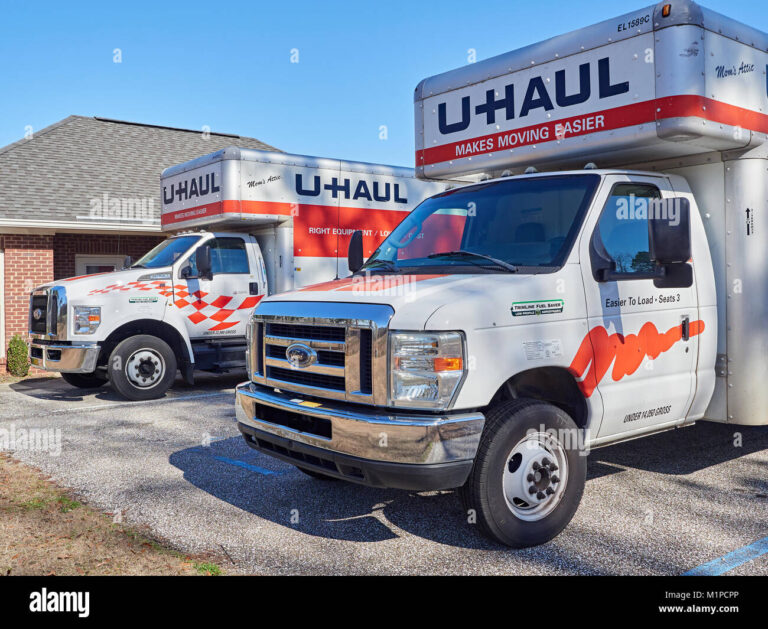
Unpacking the U-Haul Cost For A Day: Your Ultimate Guide to Budgeting Your Move
Unpacking the U-Haul Cost For A Day: Your Ultimate Guide to Budgeting Your Move Lmctruck.Guidemechanic.com
Moving can be an exhilarating, yet often overwhelming experience. One of the first questions that springs to mind for anyone planning a DIY move is: "What will this actually cost me?" Specifically, many wonder about the U Haul cost for a day. This isn’t a simple question with a single answer, as U-Haul’s pricing model is dynamic and influenced by a variety of factors.
As an expert blogger and professional content writer, I’ve seen countless individuals navigate the complexities of moving budgets. My goal here is to provide you with a super comprehensive, in-depth guide to understanding the true cost of renting a U-Haul for a single day. We’ll explore everything from base rates to hidden fees, ensuring you can budget with confidence and avoid any unwelcome surprises. Let’s dive in!
Unpacking the U-Haul Cost For A Day: Your Ultimate Guide to Budgeting Your Move
The Foundation: What is the Base U-Haul Cost For A Day?
At its core, the U-Haul cost for a day is typically structured around a fixed daily rate plus a per-mile charge. This model applies primarily to "in-town" rentals, where you pick up and return the truck to the same location. It’s crucial to understand that the advertised daily rate is just the starting point.
Based on my experience, many people initially overlook the mileage component, which can significantly inflate the final bill. The daily rate covers the truck’s use for approximately 24 hours, but every mile driven incurs an additional fee. This fee varies by location and vehicle type, usually ranging from $0.69 to $1.29 per mile.
Let’s break down the typical starting daily rates for different U-Haul vehicles, keeping in mind these are subject to change and local variations:
- Pickup Truck: Often the most affordable option, with daily rates commonly starting around $19.95. Perfect for small hauling tasks or quick trips.
- Cargo Van: A step up in capacity, these often start around $19.95 to $29.95 per day. Ideal for studio apartments or delivering furniture.
- 10-Foot Moving Truck: This is a popular choice for small apartments or dorm rooms, usually beginning around $29.95 per day. It offers more enclosed space than a van.
- 15-Foot Moving Truck: Suitable for 1-2 bedroom homes, with daily rates typically starting from $29.95 to $39.95. This size balances capacity with maneuverability.
- 20-Foot Moving Truck: Designed for 2-3 bedroom homes, these trucks often have daily rates starting around $39.95 to $49.95. They provide substantial space.
- 26-Foot Moving Truck: The largest option, ideal for 3-4+ bedroom homes, usually starts from $39.95 to $49.95 per day. This size is for serious hauling.
These initial figures are just the tip of the iceberg. To truly understand your U Haul cost for a day, we need to delve deeper into the factors that influence these numbers.
Factors That Significantly Influence Your Daily U-Haul Cost
The final bill for your U-Haul rental for a day will be a combination of several elements. Understanding these factors is key to accurate budgeting.
1. Vehicle Size: More Space, Higher Base Rate
As outlined above, the size of the truck or van you choose directly impacts the base daily rate. Larger vehicles naturally come with a higher initial charge. This is because they offer more capacity and are often in higher demand for bigger moves.
While it might be tempting to rent a smaller, cheaper truck, underestimating your space needs can lead to multiple trips or the need for a second rental, ultimately costing you more. Conversely, renting a truck that’s far too large for your belongings means you’re paying for unused space.
2. Mileage: The Per-Mile Charge Adds Up Quickly
This is arguably the most variable and often underestimated cost. For in-town rentals, U-Haul charges a per-mile fee on top of the daily rate. This fee can range significantly, typically between $0.69 and $1.29 per mile, depending on your location and the specific vehicle.
Consider the distance between your old home, any stops you make (like a storage unit or donation center), and your new home. Don’t forget the return trip to the U-Haul dealer. Even a seemingly short 20-mile round trip could add $14 to $26 to your bill, which quickly accumulates for longer distances or multiple runs.
3. Location: Where You Rent Matters
The geographical location where you rent your U-Haul can influence both the base daily rate and the per-mile charge. Prices tend to be higher in densely populated urban areas or regions with higher demand. Conversely, some rural or less competitive markets might offer slightly lower rates.
Availability also plays a role; if there’s high demand in your area and limited supply, prices may be adjusted upwards. It’s always a good idea to check rates from a few different U-Haul locations nearby if feasible.
4. Time of Year and Day: Peak Season vs. Off-Peak
Just like airlines and hotels, U-Haul pricing is subject to demand fluctuations. Peak moving seasons, typically late spring through summer (May to August), and the end of each month, see higher rates due to increased demand. Weekends are also generally more expensive than weekdays.
If your schedule allows, renting mid-week or during the off-season can lead to noticeable savings on the daily rate. Planning ahead during these times is a smart strategy.
5. Availability and Demand: Last-Minute vs. Advance Booking
Booking your U-Haul well in advance, especially during peak times, can often secure you a better rate and ensure you get the vehicle size you need. Last-minute rentals, particularly for popular truck sizes, might come with a premium price or limited availability.
Based on my experience, waiting until the last minute can force you into a larger, more expensive truck than you actually need, or leave you without a truck at all. Always try to reserve your vehicle at least a few weeks out.
Breaking Down the Additional Fees and Potential "Hidden" Costs
Beyond the base rate and mileage, several other charges can contribute to your total U Haul cost for a day. Being aware of these upfront will prevent any sticker shock.
1. Environmental Fee
U-Haul typically charges a small, mandatory environmental fee, usually around $1 to $5. This fee is non-negotiable and covers the costs associated with maintaining an environmentally responsible fleet. It’s a minor charge but good to be aware of.
2. Sales Tax
Just like most purchases, sales tax will be applied to your total rental cost. The exact percentage will vary based on your state and local tax laws. This is calculated on the sum of the daily rate, mileage, and any additional equipment or services you purchase.
3. Insurance and Protection Plans: To Buy or Not to Buy?
U-Haul offers several protection plans, and deciding whether to opt for them is a critical decision. These plans are designed to protect you from financial liability in case of an accident, damage, or theft.
- Safemove®: This basic plan typically covers accidental damage to the truck, medical/life insurance for you and passengers, and cargo protection against collision, fire, and theft.
- Safemove Plus®: An enhanced version of Safemove, offering higher coverage limits and often including supplemental liability insurance.
- Safetrip®: Specifically designed for cargo van and pickup truck rentals, providing basic coverage similar to Safemove.
Pro tips from us: Always review your personal auto insurance policy and credit card benefits before purchasing U-Haul’s coverage. Some policies might extend coverage to rental trucks, but often with limitations on vehicle size or type. It’s crucial to understand what your existing coverage entails and what deductible you might face. If in doubt, U-Haul’s protection plans offer peace of mind, especially for valuable belongings or longer moves.
4. Moving Equipment Rentals: Dollies, Pads, and More
U-Haul offers a wide range of moving equipment that can significantly ease your moving day. These items are rented separately and incur their own daily charges.
- Utility Dolly: Around $7 per day. Essential for moving boxes and smaller items.
- Appliance Dolly: Around $10 per day. A lifesaver for refrigerators, washers, and dryers.
- Furniture Pads/Blankets: Typically $5-$10 for a dozen, often rented in packs. Protect your furniture from scratches and dings.
- Hand Trucks: Similar to utility dollies, also around $7 per day.
While these might seem like small additional costs, they add up. Consider what equipment you truly need to protect your belongings and your back.
5. Fuel Costs: The Tank Must Be Returned Full (or at the Same Level)
This is one of the most common mistakes people make. U-Haul trucks are provided with a certain fuel level (often not full). You are expected to return the truck with the same amount of fuel as when you picked it up. If you return it with less fuel, U-Haul will charge you for the difference, often at a higher per-gallon rate than local gas stations.
Common mistakes to avoid are: Not checking the fuel level at pick-up, underestimating the fuel consumption of a large truck, and failing to refuel before returning the vehicle. Always budget for the fuel you’ll consume, which can be substantial for larger trucks on longer trips.
Real-World Scenarios: Estimating Your U-Haul Cost For A Day
To give you a clearer picture, let’s look at a few hypothetical scenarios for a single-day rental. Please note these are estimates, and actual costs will vary by location and current rates. We’ll assume a per-mile charge of $0.99 for these examples.
Scenario 1: Small Apartment Move (Cargo Van)
- Task: Moving a studio apartment across town, approximately 15 miles round trip.
- Vehicle: Cargo Van.
- Base Daily Rate: $29.95
- Mileage (15 miles @ $0.99/mile): $14.85
- Environmental Fee: $2.00
- Safetrip Protection (basic): $15.00
- Utility Dolly Rental: $7.00
- Estimated Fuel Cost: $15.00 (assuming 5 gallons needed)
- Subtotal: $88.80
- Estimated Sales Tax (e.g., 7%): $6.22
- Total Estimated U Haul Cost For A Day: ~$95.02
Scenario 2: Medium Home Move (15ft Truck)
- Task: Moving a 2-bedroom home to a new neighborhood, approximately 25 miles round trip.
- Vehicle: 15-Foot Moving Truck.
- Base Daily Rate: $39.95
- Mileage (25 miles @ $0.99/mile): $24.75
- Environmental Fee: $2.00
- Safemove Plus Protection (comprehensive): $35.00
- Appliance Dolly Rental: $10.00
- Furniture Pads (1 dozen): $7.00
- Estimated Fuel Cost: $30.00 (assuming 10 gallons needed)
- Subtotal: $148.70
- Estimated Sales Tax (e.g., 7%): $10.41
- Total Estimated U Haul Cost For A Day: ~$159.11
Scenario 3: Pickup Truck for Hauling Debris (Local)
- Task: Hauling yard waste and old furniture to the dump, approximately 10 miles round trip.
- Vehicle: Pickup Truck.
- Base Daily Rate: $19.95
- Mileage (10 miles @ $0.99/mile): $9.90
- Environmental Fee: $2.00
- Insurance: Declined (assuming personal auto covers, verify this!)
- Estimated Fuel Cost: $10.00 (minimal fuel needed)
- Subtotal: $41.85
- Estimated Sales Tax (e.g., 7%): $2.93
- Total Estimated U Haul Cost For A Day: ~$44.78
Based on my experience, these scenarios provide a realistic look at how the various components add up. It’s clear that the "U Haul cost for a day" is rarely just the advertised base rate.
Smart Strategies to Save Money on Your Daily U-Haul Rental
Budgeting is about being smart. Here are some pro tips to help you reduce your U Haul cost for a day.
- Book in Advance: As mentioned, reserving your truck a few weeks out, especially during peak season, can secure better rates and ensure availability.
- Choose the Right Size: Avoid the temptation to rent a truck that’s either too small (leading to multiple costly trips) or too large (paying for unused space). Use U-Haul’s online size estimator, or check out our guide on for more detailed advice.
- Optimize Your Route: Plan your driving path carefully to minimize mileage. Map out the most efficient way to get from pick-up to your old home, to your new home, and back to the drop-off location.
- Consider Mid-Week/Off-Peak Rentals: If your schedule is flexible, renting on a Tuesday, Wednesday, or Thursday can often result in lower daily rates compared to weekends.
- Fuel Up Yourself: Always return the truck with the same fuel level you received it. Filling up at a local gas station will almost always be cheaper than paying U-Haul’s refueling fees.
- Provide Your Own Moving Equipment: If you own a dolly, hand truck, or furniture pads, use them! This eliminates daily rental fees for these items.
- Review Your Insurance: Before purchasing U-Haul’s protection plan, contact your personal auto insurance provider and credit card company. Understand what, if any, coverage they offer for rental trucks. This could potentially save you a significant amount.
- Look for Discounts/Promotions: Keep an eye out for U-Haul promotions, especially around holidays or during off-peak seasons. Sometimes they offer specials on specific truck sizes or mileage deals.
- Load Efficiently: Maximize the space in your truck to avoid needing a second trip. Smart packing and loading techniques can save time and mileage.
- Understand Return Policy: Know the exact return time and location. Late returns can incur additional daily charges.
Pro Tip: Always double-check the rental agreement for all charges before you sign. If anything is unclear, ask questions. Transparency is key to avoiding surprises.
The U-Haul Reservation Process: What to Expect
Renting a U-Haul for a day is generally a straightforward process. You have several options for making a reservation:
- Online: The U-Haul website is user-friendly and allows you to select your truck size, dates, locations, and add any equipment or protection plans.
- Phone: You can call U-Haul directly to speak with a representative and make your reservation.
- In-Person: Visiting a U-Haul dealer or independent neighborhood dealer allows you to discuss options face-to-face.
When you go to pick up your truck, you’ll need:
- A valid driver’s license (must be 18 years old to rent a U-Haul truck, 16 for trailers).
- A valid credit card for payment and deposit.
- A second form of identification may sometimes be requested.
From my experience, a smooth pick-up starts with having all your documentation ready and inspecting the vehicle thoroughly before you leave the lot. Note any existing damage and ensure it’s recorded on your contract.
One-Way vs. In-Town Rentals: A Brief Distinction
While this article focuses on the "U Haul cost for a day," it’s important to briefly distinguish between in-town and one-way rentals. The daily rate + mileage model we’ve discussed applies specifically to in-town rentals, where you pick up and return the truck to the same U-Haul location.
One-way rentals have a different pricing structure. They are designed for longer distances where you pick up in one city and drop off in another. These rentals typically include a set number of days and miles, and the pricing is heavily dependent on the distance and demand for that specific route. For a simple "cost for a day" scenario, you’ll almost always be looking at an in-town rental.
Common Mistakes to Avoid When Renting U-Haul For A Day
Even with the best planning, some common pitfalls can increase your U Haul cost for a day or cause unnecessary stress.
- Underestimating Mileage: This is number one. People often forget the return trip to the U-Haul location, or underestimate the number of trips required for their move. Always pad your mileage estimate slightly.
- Not Inspecting the Vehicle: Before you drive off, walk around the truck with the U-Haul representative. Point out any scratches, dents, or damage and ensure it’s marked on your contract. This protects you from being charged for pre-existing damage.
- Forgetting to Refuel: As discussed, not returning the truck with the correct fuel level will result in costly charges. Make a point to fuel up before returning.
- Booking the Wrong Size Truck: Too small means multiple trips; too large means wasted money. Take time to accurately assess your needs.
- Ignoring Insurance Options: While you might have personal insurance, it’s critical to understand its limitations for rental trucks. Don’t blindly decline U-Haul’s protection without proper investigation.
- Not Understanding the Return Time/Policy: Know the exact time your rental is due back. Late returns can lead to additional fees.
For more information on U-Haul’s official policies and current rates, you can always visit their official website at https://www.uhaul.com.
Conclusion: Your Informed U Haul Cost For A Day
The "U Haul cost for a day" is not a static figure but rather a dynamic calculation influenced by vehicle size, mileage, location, timing, and additional services. By understanding each component of the pricing model, you empower yourself to make informed decisions and budget effectively for your moving day.
Remember that the base daily rate is merely the beginning. Factor in mileage, necessary equipment, fuel, and protection plans to get a truly accurate estimate. With smart planning, proactive budgeting, and attention to detail, you can navigate your U-Haul rental with confidence and minimize unexpected expenses. Happy moving!