Unlocking Value: Your Ultimate Guide to Finding Cheap Used U-Haul Trucks For Sale
Unlocking Value: Your Ultimate Guide to Finding Cheap Used U-Haul Trucks For Sale Lmctruck.Guidemechanic.com
The thought of buying a commercial vehicle, especially a truck, often conjures images of hefty price tags and complex financing. However, for savvy individuals and businesses, there’s a highly accessible and often overlooked market: cheap used U-Haul trucks for sale. These vehicles, once the backbone of countless moving journeys, offer a compelling blend of affordability, utility, and a proven track record.
As an expert blogger and professional SEO content writer, I’ve delved deep into the world of vehicle acquisition and fleet management. Based on my experience, navigating the used commercial vehicle market requires insider knowledge and a strategic approach. This comprehensive guide is designed to equip you with everything you need to know, from understanding why U-Haul trucks are a smart buy to executing a flawless purchase. Get ready to uncover the hidden value in these workhorses.
Unlocking Value: Your Ultimate Guide to Finding Cheap Used U-Haul Trucks For Sale
Why Consider a Used U-Haul Truck? The Hidden Benefits
Many people are surprised to learn that U-Haul sells off its fleet. When they do, it creates a unique opportunity for buyers seeking reliable, budget-friendly trucks. These aren’t just for moving; their versatility makes them ideal for various applications.
Significant Cost Savings
The most immediate and obvious benefit of purchasing a used U-Haul truck is the substantial cost savings compared to buying a new commercial vehicle. New trucks, especially those with comparable cargo capacity, can run into tens of thousands of dollars, placing them out of reach for many small businesses or individuals.
U-Haul trucks, having served their primary purpose in the rental fleet, are sold at a fraction of their original cost. This affordability frees up capital, allowing you to invest in other areas of your business or personal projects, making them a truly economical choice. It’s a smart financial move that doesn’t compromise on utility.
Proven Durability and Maintenance Standards
U-Haul maintains one of the largest rental fleets in North America, and their business model relies heavily on the reliability and safety of their vehicles. Consequently, every truck in their fleet undergoes rigorous, scheduled maintenance and inspections throughout its service life.
While these trucks accumulate significant mileage, they are consistently serviced by U-Haul’s own technicians, ensuring they meet specific operational standards. This consistent preventative maintenance means you’re not just buying a used truck; you’re buying a vehicle with a documented history of professional care, unlike many private sales.
A Variety of Sizes for Every Need
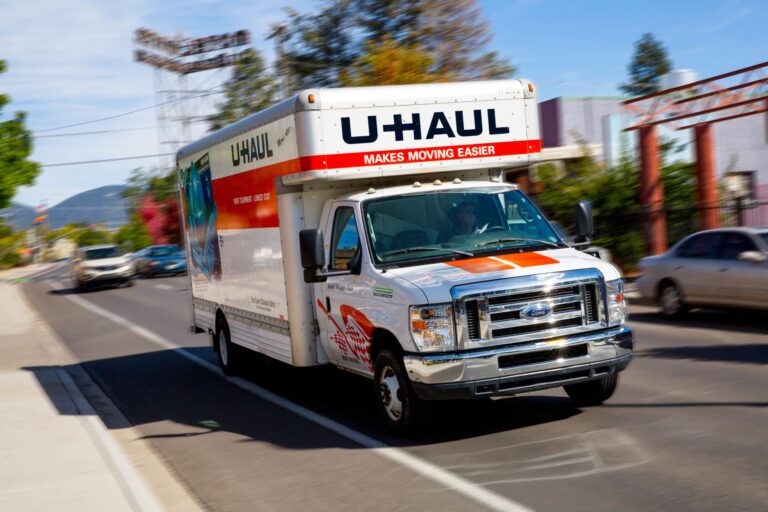
One of the great advantages of the U-Haul fleet is its diversity in truck sizes. Whether you need a compact cargo solution or a substantial hauler, U-Haul has a model that fits. This variety translates directly into the used market.
You can find everything from the nimble 10-foot truck, perfect for local deliveries or small moves, to the expansive 26-foot truck, capable of handling large-scale commercial hauling or an entire household relocation. This ensures you can select a vehicle perfectly matched to your specific volume and weight requirements.
Versatility Beyond Moving
While designed for moving, U-Haul trucks offer incredible versatility once purchased. Their robust construction and enclosed cargo areas make them suitable for a myriad of uses well beyond simply transporting household goods.
Small businesses can utilize them for deliveries, equipment transport, or even mobile workshops. Entrepreneurs might convert them into food trucks or mobile detailing units. Their utility extends to general hauling, storage, or even as a base for a conversion project, making them a multi-purpose asset.
Wide Accessibility and Availability
U-Haul operates thousands of locations across the United States and Canada, and this extensive network also facilitates their truck sales program. This means that finding cheap used U-Haul trucks for sale is often much easier than sourcing other specialized commercial vehicles.
Their widespread presence ensures a consistent supply of retired vehicles entering the market. You’re likely to find suitable options within a reasonable driving distance, increasing your chances of finding the perfect truck without extensive searching.
Understanding the U-Haul Sales Program: How They Work
U-Haul’s unique business model includes a systematic process for retiring and selling off its rental fleet. Understanding this process is key to successfully acquiring one of their used trucks. They don’t just randomly decide to sell a vehicle; it’s part of a carefully managed lifecycle.
The "Retirement" Process of Their Fleet
U-Haul trucks are typically retired from the rental fleet after a certain period of service or when they reach a specific mileage threshold. This isn’t necessarily because they are broken or at the end of their useful life, but rather part of a continuous fleet renewal strategy. They aim to keep their rental fleet relatively fresh and reliable.
When a truck is "retired," it undergoes a final inspection and is then prepared for sale. This systematic approach means that most trucks entering the sales program are still in good operational condition, ready for a second life with a new owner.
Where They Typically Sell Their Trucks
U-Haul primarily sells its used trucks directly to the public through its own dedicated sales channels. This direct-to-consumer model allows them to manage the sales process efficiently and often results in more competitive pricing for buyers.
They maintain an online inventory, and some trucks may also be available directly through local U-Haul centers. This integrated approach ensures transparency and provides buyers with direct access to information about the vehicles.
What to Expect from a Former Rental Vehicle
It’s important to set realistic expectations when buying a former rental vehicle. While well-maintained, these trucks have seen extensive use by a variety of drivers. This means they will likely have cosmetic imperfections, such as dings, scratches, and wear and tear on the interior.
Mechanically, they are generally sound due to U-Haul’s maintenance schedule, but they will have high mileage. Expect components like tires, brakes, and suspension to show significant wear, even if still within safe operating limits. These factors are often reflected in the attractive pricing.
Where to Find Cheap Used U-Haul Trucks For Sale
Knowing where to look is half the battle when searching for a great deal. The market for used U-Haul trucks is quite specific, with a few primary channels offering the best opportunities. Pro tips from us: Stick to official channels first for peace of mind.
Official U-Haul Sales Website
The most reliable and direct source for finding cheap used U-Haul trucks for sale is the official U-Haul Truck Sales website (typically uhaul.com/Trucks/UsedTrucksForSale/). This platform is specifically designed to list their retired fleet vehicles.
The website allows you to search by location, truck size, and price, providing detailed descriptions and multiple photos of each available truck. It’s often updated regularly, offering a fresh inventory of vehicles straight from the source. This is your first and best bet.
U-Haul Centers
Many local U-Haul centers also have used trucks available for sale directly on their lots. While the online portal provides a comprehensive overview, visiting a local center allows you to physically inspect a truck before making a decision.
Speaking with the staff at a U-Haul center can also provide valuable insights into specific vehicles and their maintenance history, often leading to a more personalized buying experience. It’s always good to check local availability even if you’ve browsed online.
Online Marketplaces (e.g., Craigslist, Facebook Marketplace, eBay Motors)
While the official U-Haul channels are primary, you might occasionally find used U-Haul trucks listed on general online marketplaces like Craigslist, Facebook Marketplace, or eBay Motors. These are typically listed by individuals or small businesses who previously purchased them from U-Haul.
Exercise caution when using these platforms. While a good deal might surface, you’ll need to be extra diligent with inspections and verification, as the seller isn’t U-Haul directly. Always meet in a safe, public place and bring a trusted mechanic for inspection.
Vehicle Auctions
Less common, but still a possibility, is finding U-Haul trucks at commercial vehicle auctions or government surplus auctions. These avenues often require more expertise in bidding and vehicle assessment, as "as-is" sales are typical.
While potential bargains exist, the risks are higher due to limited inspection opportunities and no recourse after purchase. This option is generally recommended for experienced buyers or those with a trusted mechanic on hand.
Essential Factors to Consider Before Buying
Purchasing a used commercial vehicle is a significant investment, even when it’s a "cheap" U-Haul truck. To ensure you make an informed decision, several critical factors must be thoroughly evaluated before you commit. Common mistakes to avoid are focusing solely on the purchase price without considering the long-term implications.
Budgeting and Financing
Beyond the sticker price, consider the total cost of ownership. This includes sales tax, registration fees, potential state inspection costs, and immediate post-purchase maintenance. Factor in insurance costs, which can be higher for commercial-style vehicles.
If you plan to finance, explore options from banks or credit unions, as U-Haul typically sells for cash or through third-party financing. Having a clear budget prevents unexpected expenses down the line.
Truck Size & Type
Carefully assess your needs. Do you need a 10-foot truck for small local deliveries, a 15-foot truck for moderate hauling, or a 26-foot behemoth for heavy-duty tasks? Buying a truck that’s too small will be insufficient, while one that’s too large will be less fuel-efficient and harder to maneuver than necessary.
Consider the payload capacity and whether it aligns with the weight of the items you intend to transport. Matching the truck to your specific operational requirements is crucial for efficiency and cost-effectiveness.
Vehicle History Report (CARFAX/AutoCheck)
Even for a U-Haul truck, obtaining a vehicle history report is paramount. While U-Haul maintains its fleet well, these reports can reveal accident history, flood damage, or title issues that might not be immediately apparent.
These reports provide an independent verification of the vehicle’s past, complementing the information U-Haul provides. It’s a small investment that can save you from a major headache later on.
Maintenance Records
One of the greatest advantages of buying directly from U-Haul is the potential access to their internal maintenance records. These records detail every service, repair, and inspection the truck has undergone during its time in the fleet.
Reviewing these records gives you a clear picture of the truck’s health, common issues it might have had, and how consistently it was serviced. This transparency is invaluable and something rarely found in private used vehicle sales.
Mileage & Age
As noted, U-Haul trucks will have high mileage. While a well-maintained high-mileage vehicle can still have plenty of life left, it’s a factor to weigh against its age. Newer trucks with high mileage might indicate more highway driving, which is often less stressful than city stop-and-go.
Older trucks, regardless of mileage, may have components that are simply worn out due to time. Balance these factors with your expected usage and desired lifespan for the truck.
Rust & Body Condition
Commercial vehicles, especially those exposed to varying climates and heavy use, are prone to rust, particularly underneath and on the frame. Thoroughly inspect the undercarriage for excessive rust, which can compromise structural integrity.
Also, examine the body panels for significant dents, scratches, or evidence of major collision repairs. While cosmetic flaws are common and expected, structural damage can indicate more serious underlying issues.
Engine & Transmission
The engine and transmission are the heart and soul of any truck. Pay close attention to any unusual noises, vibrations, or fluid leaks during your inspection and test drive. A smooth-shifting transmission and a responsive engine are indicators of a healthy powertrain.
Consider the type of engine (gasoline vs. diesel, if applicable) and its known reliability. Research common issues for the specific engine and transmission combination used in the U-Haul model you’re considering.
Tires & Brakes
These are critical safety components. Check the tire tread depth and look for uneven wear, which could indicate alignment issues. Inspect the sidewalls for cracks or bulges.
For brakes, listen for squealing or grinding during the test drive, and note if the pedal feels spongy or if the truck pulls to one side when braking. Worn tires and brakes will be immediate expenses after purchase.
Interior Condition
While less critical than mechanical components, the interior condition can speak volumes about overall care. Look for excessive wear on seats, dashboard, and controls. Check that all gauges, lights, and HVAC systems are functional.
A severely neglected interior might hint at a general lack of care, even if the exterior seems okay. However, minor cosmetic flaws are perfectly acceptable for a high-mileage rental truck.
The Crucial Inspection Checklist: Don’t Skip This Step!
This is perhaps the single most important phase of buying any used vehicle, especially a former rental truck. Skipping a thorough inspection is a common mistake that can lead to costly regrets. Pro tips from us: Always assume there are hidden issues until proven otherwise.
Pre-Purchase Inspection by a Certified Mechanic
This is non-negotiable. Before finalizing any purchase, arrange for a certified, independent mechanic to perform a comprehensive pre-purchase inspection (PPI). This mechanic should specialize in commercial vehicles or trucks, if possible.
They will identify potential issues that you might miss, provide an unbiased assessment of the truck’s condition, and give you an estimate of any immediate repairs needed. This small investment can save you thousands in unexpected costs.
Exterior Inspection
Walk around the entire truck in good lighting. Look for:
- Body Panels: Dents, scratches, rust, paint chips, signs of previous repairs.
- Frame: Inspect the frame rails for bends, cracks, or severe rust, which can indicate structural damage.
- Tires: Check tread depth, uneven wear, sidewall condition, and tire pressure. Don’t forget the spare!
- Lights: Test all headlights, taillights, turn signals, brake lights, and marker lights.
- Glass: Look for cracks or chips in the windshield and mirrors.
- Fluid Leaks: Check for any puddles or drips underneath the truck.
Interior Inspection
Spend time inside the cabin and cargo area:
- Cabin: Test all controls (windows, wipers, radio, HVAC), check seat condition, seatbelts, and dashboard warning lights.
- Cargo Area: Inspect the floor, walls, and ceiling for damage, leaks, or signs of heavy impact. Check the functionality of the rear roll-up door or swing doors.
- Odors: Note any unusual smells, which could indicate mold, smoke, or fluid leaks.
Engine Bay Check
With the engine off and cool, pop the hood and examine:
- Fluid Levels: Check oil, coolant, brake fluid, power steering fluid, and washer fluid. Look for proper levels and color.
- Belts & Hoses: Inspect for cracks, fraying, or bulges.
- Leaks: Look for oil, coolant, or fuel leaks around the engine and transmission.
- Battery: Check for corrosion on terminals.
- Wiring: Look for any frayed or exposed wires.
Test Drive
A test drive is essential to assess the truck’s performance and handling.
- Start-up: Listen for any unusual noises (grinding, knocking).
- Acceleration: Ensure smooth and responsive acceleration.
- Brakes: Test the brakes at various speeds, noting any pulling, pulsing, or excessive noise.
- Steering: Check for play in the steering wheel, and ensure the truck tracks straight.
- Transmission: Feel for smooth shifts, without harsh jerking or slipping.
- Suspension: Drive over bumps to assess the suspension; listen for clunks or squeaks.
- Gauges: Monitor all dashboard gauges for normal operation.
Negotiating the Price: Getting the Best Deal
Even when looking for cheap used U-Haul trucks for sale, there’s often room for negotiation. Being prepared and confident can save you a significant amount. Based on my extensive experience in vehicle sales, negotiation is key, but it requires strategy.
Research Market Value
Before you even begin negotiations, thoroughly research the market value of comparable used U-Haul trucks. Look at other listings on U-Haul’s site, online marketplaces, and even local dealerships. This research gives you leverage and helps you identify a fair price range.
Understanding what similar trucks are selling for, considering mileage, age, and condition, will arm you with the data needed to justify your offer. Don’t just accept the first price you see.
Be Prepared to Walk Away
The most powerful negotiating tool you possess is the willingness to walk away from a deal that doesn’t feel right or isn’t within your budget. This demonstrates that you’re not desperate and are serious about getting a fair price.
If the seller isn’t willing to meet your reasonable offer or address your concerns, there will likely be other cheap used U-Haul trucks for sale available. Don’t let emotion override good judgment.
Highlight Identified Flaws
Use any flaws or necessary repairs identified during your pre-purchase inspection as negotiation points. If the mechanic found that the tires need replacing soon or the brakes are nearly worn, quantify these costs.
Presenting these findings respectfully, with actual repair estimates, provides a logical basis for requesting a lower price or for the seller to cover certain repairs before sale.
Ask About Warranties (If Any)
While most used commercial vehicles are sold "as-is," it never hurts to ask if U-Haul or a third-party seller offers any limited warranty on their retired trucks. Though uncommon, a short-term warranty could provide additional peace of mind.
If no warranty is offered, use this as a point to emphasize the "as-is" nature and potential risks, further strengthening your position for a lower price.
Post-Purchase Considerations & Maintenance Tips
Congratulations on your new-to-you U-Haul truck! Your journey doesn’t end with the purchase. Proper post-purchase care and ongoing maintenance are crucial for maximizing its lifespan and ensuring safe operation.
Registration & Insurance
The very first steps after buying your truck are to register it in your name and secure appropriate insurance. Depending on your intended use (personal vs. commercial), you may need different types of insurance coverage.
Consult with your local DMV or equivalent agency to understand registration requirements and speak with an insurance agent to ensure you have adequate commercial or personal vehicle coverage. This protects your investment and ensures legal operation.
Initial Maintenance
Even with U-Haul’s diligent maintenance, it’s wise to perform some initial maintenance once the truck is in your possession. This establishes a baseline for your ownership.
- Oil and Filter Change: Start fresh with new engine oil and an oil filter.
- Fluid Checks & Top-offs: Check all fluid levels again (coolant, brake fluid, power steering, transmission fluid) and top off or replace as needed.
- Air Filters: Replace the engine air filter and cabin air filter (if equipped).
- Tire Rotation & Balance: Ensure even tire wear and smooth driving.
- Brake Inspection: Have a mechanic confirm brake pad life and rotor condition.
Ongoing Maintenance Schedule
To extend the life of your used U-Haul truck, adhere to a regular maintenance schedule. Follow the manufacturer’s recommendations (or a heavy-duty schedule if using it commercially) for oil changes, fluid flushes, and inspections.
Regularly check tire pressure, inspect lights, and listen for any unusual noises or changes in driving feel. Being proactive with maintenance will prevent small issues from becoming major, expensive problems. For more detailed advice on general vehicle maintenance, check out our guide on .
Customization & Upgrades
Once you’ve addressed the basics, you might consider customizations or upgrades to better suit your specific needs. This could include adding shelving, securing cargo tie-downs, installing a backup camera, or upgrading the interior for comfort.
Ensure any modifications are safe, legal, and don’t compromise the truck’s structural integrity or warranty (if any). Thoughtful upgrades can significantly enhance the truck’s utility and your operational efficiency.
Is a Used U-Haul Truck Right for You? Pros and Cons Summarized
Deciding whether to invest in a used U-Haul truck comes down to weighing its unique advantages against its potential drawbacks. There’s no one-size-fits-all answer, but understanding these points will help you make the best choice.
Pros:
- Affordability: Significantly cheaper than new commercial trucks, offering excellent value for money.
- Availability: Easy to find due to U-Haul’s extensive fleet and dedicated sales program.
- Proven Design: Built for utility and durability, with various sizes to meet specific needs.
- Maintenance History: Generally well-maintained during its rental life, providing some peace of mind.
- Versatility: Ideal for a wide range of uses beyond just moving, from business deliveries to personal projects.
Cons:
- High Mileage: Most trucks will have accumulated substantial mileage, indicating significant wear and tear.
- Potential for Wear and Tear: While maintained, these trucks have been driven by many different renters, leading to cosmetic imperfections and potential for accelerated component wear.
- Limited Warranty: Typically sold "as-is," offering little to no post-purchase warranty protection.
- Aesthetics: Don’t expect a showroom finish; they are functional vehicles, not luxury rides.
- Fuel Economy: Generally not the most fuel-efficient vehicles due to their size and older engine technology.
Conclusion
The market for cheap used U-Haul trucks for sale presents a remarkable opportunity for those seeking an affordable, versatile, and dependable commercial vehicle. With their proven durability and systematic maintenance, these trucks offer a compelling value proposition that few other options can match. However, success hinges on a well-informed and diligent approach.
By understanding where to find them, what to look for during inspection, and how to negotiate effectively, you can secure a workhorse that serves your needs for years to come. Remember, thorough research and a professional pre-purchase inspection are your best allies in this endeavor. Don’t rush the process, and you’ll drive away with a fantastic deal. If you’re considering the DIY route for your next big move, having your own U-Haul truck can be a game-changer – explore more about maximizing your move in our article on . Happy truck hunting!