Unlocking Value: Your Ultimate Guide to Buying Privately Owned Trucks For Sale
Unlocking Value: Your Ultimate Guide to Buying Privately Owned Trucks For Sale Lmctruck.Guidemechanic.com
The hunt for the perfect truck can be an exciting journey, and for many, the path less traveled—that of purchasing a privately owned truck—offers unparalleled value and unique opportunities. Stepping away from dealership lots opens up a world of direct owner interactions, potential savings, and a broader selection of vehicles. However, this route also comes with its own set of challenges and considerations.
As an expert blogger and professional SEO content writer, I’ve spent years delving into the automotive market, understanding the nuances of private sales, and helping countless individuals navigate these waters successfully. This comprehensive guide is designed to empower you with the knowledge, strategies, and insider tips you need to confidently find, inspect, negotiate, and purchase your ideal privately owned truck. We’ll cover everything from the initial search to the final paperwork, ensuring you make an informed decision and drive away with a fantastic deal.
Unlocking Value: Your Ultimate Guide to Buying Privately Owned Trucks For Sale
Why Privately Owned Trucks For Sale Offer a Unique Advantage
Considering privately owned trucks for sale presents a distinct set of benefits that often appeal to savvy buyers looking for more than just a transaction. The direct nature of these sales can lead to significant advantages not typically found at traditional dealerships. Understanding these benefits is the first step in appreciating the value private sales can offer.
1. Significant Cost Savings
One of the most compelling reasons to explore privately owned trucks for sale is the potential for substantial cost savings. When you buy from a private seller, you’re often avoiding the overhead costs associated with a dealership, such as commissions, lot fees, advertising, and reconditioning markups. These expenses are inevitably factored into a dealership’s asking price.
Based on my experience, private sellers are often more focused on a quick, fair sale rather than maximizing profit margins like a business. This translates directly into lower asking prices and more room for negotiation on a truck that might otherwise be out of your budget if purchased from a dealer. You’re paying for the truck itself, not the business model around it.
2. Enhanced Negotiation Flexibility
Private sales inherently offer greater flexibility in negotiation compared to dealership environments. Dealerships operate with strict pricing structures and often have less wiggle room, especially on popular models. A private seller, however, might be more open to negotiation based on their personal situation, whether they need to sell quickly or have a specific price in mind to fund their next purchase.
Pro tips from us: Always come prepared with market research and a clear understanding of the truck’s condition. This preparation gives you leverage to discuss the price openly and respectfully, often leading to a mutually beneficial agreement. The direct, one-on-one interaction allows for a more human approach to the negotiation process.
3. Direct Insight into the Vehicle’s History
When purchasing privately owned trucks for sale, you gain the unique advantage of speaking directly with the person who has owned and driven the vehicle. This direct interaction provides an invaluable opportunity to learn about the truck’s real-world history beyond what a simple vehicle history report might show. The seller can tell you about its maintenance routine, common quirks, specific uses, and any minor issues they’ve encountered.
This personal insight can be incredibly reassuring, helping you understand how the truck has been cared for and what its life has been like. It builds a level of trust and transparency that is often absent in a dealership setting where sales associates may have limited personal knowledge of a specific vehicle.
4. Access to a Unique and Diverse Selection
The private market for trucks is incredibly diverse, offering a wider array of models, trims, and configurations than you might find on a typical dealership lot. Dealerships often stock popular models and new inventory, whereas private sellers might be offering older, specialized, or customized trucks that are perfect for a specific niche or budget.
This can be particularly beneficial if you’re looking for a specific vintage, a highly customized rig, or a model that’s no longer widely available. You might stumble upon a meticulously maintained classic or a work truck perfectly suited for your specific trade, all through the channels of privately owned trucks for sale.
The Flip Side: Potential Challenges and Risks
While the benefits of buying privately owned trucks for sale are compelling, it’s equally important to approach these transactions with a clear understanding of the potential challenges and risks involved. Being aware of these downsides allows you to mitigate them effectively and protect your investment.
1. No Warranty or Guarantees
One of the most significant differences between private and dealership sales is the absence of a warranty. Most privately owned trucks for sale are sold "as-is," meaning that once the transaction is complete, any problems that arise become your responsibility. There’s no recourse with the seller for mechanical failures or unexpected repairs.
This lack of protection underscores the importance of a thorough pre-purchase inspection. While some dealerships offer limited warranties or certified pre-owned programs, private sellers typically do not, making your due diligence absolutely critical. You are essentially taking on the full risk of the vehicle’s future performance.
2. "As-Is" Sales and Limited Recourse
The "as-is" nature of privately owned trucks for sale means that the buyer assumes all risks regarding the vehicle’s condition. Unlike consumer protection laws that might apply to dealership sales in some regions, private transactions offer very little legal recourse if you discover major hidden defects after the purchase.
Common mistakes to avoid are rushing the inspection or skipping it altogether, assuming a friendly seller means a perfect truck. Always remember that even honest sellers might not be aware of underlying mechanical issues, or they might simply overlook minor problems they’ve grown accustomed to.
3. Lack of Financing Options
Securing financing for privately owned trucks for sale can be more challenging than for vehicles purchased from a dealership. Dealerships often have established relationships with multiple lenders, offering various loan products and competitive rates. For a private sale, you typically need to arrange your own financing.
This often means obtaining a personal loan, a secured loan from a credit union, or having cash on hand. While many financial institutions do offer loans for private vehicle purchases, the process can sometimes be more involved, requiring more paperwork and potentially higher interest rates depending on your credit profile.
4. Increased Potential for Scams
Unfortunately, the private market, especially online, can attract unscrupulous individuals and scammers. When looking for privately owned trucks for sale, you must exercise extreme caution regarding fraudulent listings, misrepresented vehicles, or attempts to obtain your personal financial information.
Pro tips from us: Always verify the seller’s identity, insist on meeting in a safe, public place, and never send money or personal details before physically inspecting the truck and verifying its title. Be wary of deals that seem too good to be true, as they often are.
5. Time and Effort Investment
Finding and purchasing privately owned trucks for sale typically requires a greater investment of your personal time and effort. You’ll be responsible for all aspects of the process, including: searching for listings, coordinating meetings with sellers, arranging independent inspections, handling negotiations, and managing all the paperwork.
This can be a significant commitment compared to the streamlined process offered by a dealership, where much of the legwork is handled for you. However, for many, the potential savings and direct control over the process make this extra effort well worth it.
Finding Your Dream Truck: Where to Look
The digital age has revolutionized how we search for privately owned trucks for sale, offering a multitude of platforms beyond the traditional classifieds. Knowing where to look and how to effectively use these resources is key to a successful search.
1. Online Marketplaces: The Digital Frontier
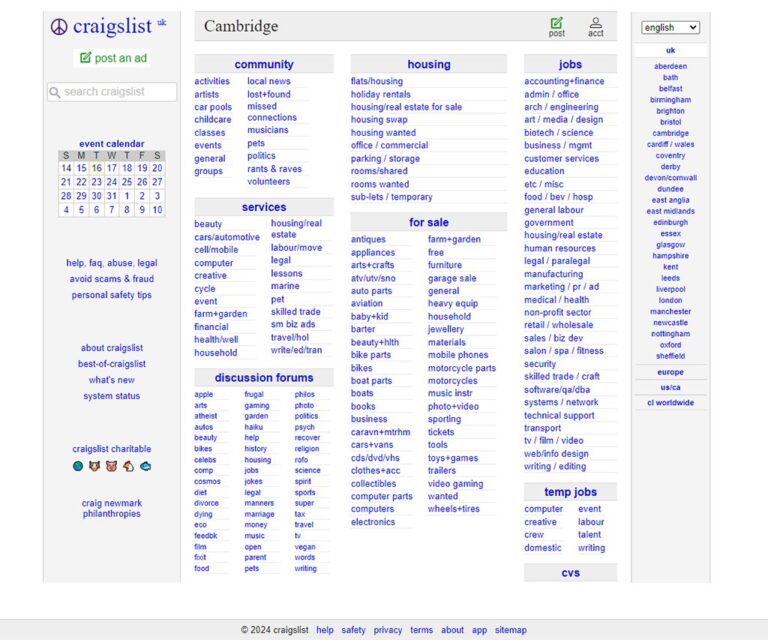
The internet is undoubtedly the largest hub for privately owned trucks for sale. Platforms like Facebook Marketplace, Craigslist, and dedicated automotive sites such as Autotrader.com (which also lists private sellers) are invaluable resources. Each has its own ecosystem and user base.
- Facebook Marketplace: Excellent for local searches, often showcasing sellers within your community. It allows for direct communication and profile verification, adding a layer of transparency.
- Craigslist: A long-standing platform known for its wide variety of listings, though it requires extra vigilance against scams due to its anonymous nature.
- Autotrader & KBB.com: While heavily populated by dealerships, these sites also feature options for private sellers, offering more detailed listings and search filters.
- Specialized Truck Forums & Groups: If you’re looking for a specific type of truck (e.g., off-road, classic, heavy-duty), niche online forums or Facebook groups can connect you with enthusiasts who meticulously care for their vehicles.
Pro tips from us: Utilize advanced search filters (price range, mileage, year, make, model) to narrow down your options. Set up alerts for new listings that match your criteria, ensuring you’re among the first to see fresh opportunities.
2. Local Classifieds and Newspapers
While less dominant than online platforms, local newspapers and community classified sections still list privately owned trucks for sale. These can sometimes uncover hidden gems, especially from older sellers who prefer traditional advertising methods.
Don’t overlook bulletin boards in local hardware stores, community centers, or even coffee shops. These physical spaces can sometimes connect you with local sellers who aren’t tech-savvy, potentially leading to less competition for unique finds.
3. Word of Mouth and Community Networks
Never underestimate the power of your personal network. Let friends, family, coworkers, and acquaintances know you’re looking for privately owned trucks for sale. Someone in their circle might be considering selling their truck or know someone who is.
This method often comes with an inherent level of trust, as you’re likely dealing with someone known by a mutual connection. It can also provide more background information on the vehicle’s history directly from a trusted source.
The Critical Inspection Process: What to Check
This is arguably the most crucial stage when buying privately owned trucks for sale. A thorough inspection can save you from costly repairs and regret. Do not skip or rush any of these steps.
1. Exterior Examination: Beyond the Surface
Start with a walk-around in daylight. Look for inconsistencies in paint color, which could indicate prior bodywork or accidents. Check for rust, especially on the frame, rocker panels, wheel wells, and bed. Inspect panel gaps to ensure they are even; uneven gaps might suggest structural damage.
Examine the tires for even wear, indicating proper alignment and suspension. Uneven wear patterns are a common mistake buyers overlook and can point to expensive underlying issues. Check the lights, wipers, and horn for functionality.
2. Interior Assessment: Comfort and Functionality
Inside, inspect the seats, carpets, and headliner for excessive wear, tears, or stains. Test all electronics: power windows, door locks, radio, navigation, and infotainment system. Verify the air conditioning and heating system work efficiently.
Look for any warning lights on the dashboard when the ignition is on, and ensure they turn off after the engine starts. A common mistake is to only glance at the interior; take your time to operate every button and switch.
3. Engine Bay Scrutiny: The Heart of the Truck
With the engine off and cold, open the hood. Look for any signs of fluid leaks (oil, coolant, power steering fluid). Check the fluid levels and appearance—dirty or low fluids can indicate neglected maintenance. Inspect belts and hoses for cracks or wear.
Examine the battery for corrosion. Listen for unusual noises upon startup and while idling. Based on my experience, a clean engine bay isn’t always a good sign; sometimes it can indicate an attempt to hide leaks. Look for residue in hard-to-reach places.
4. Underneath the Truck: Frame and Suspension
This step often requires getting on your hands and knees or, ideally, having the truck on a lift. Look for any signs of frame damage, bends, or repairs, especially near suspension mounting points. Inspect the exhaust system for rust holes or loose connections.
Check the suspension components (shocks, struts, leaf springs) for leaks or excessive wear. Pay attention to the driveshaft and differentials for leaks or unusual play. These areas are prone to rust and damage, especially on trucks used for off-roading or heavy hauling.
5. The Test Drive: Feeling the Road
A comprehensive test drive is non-negotiable. Drive the truck at various speeds, including highway speeds. Listen for unusual noises from the engine, transmission, or brakes. Pay attention to how the truck shifts gears—it should be smooth, without hesitation or harshness.
Test the brakes in a safe area, ensuring they are firm and don’t pull to one side. Check the steering for looseness or excessive play. Drive over bumps to assess the suspension. Common mistakes to avoid include a short test drive or only driving on smooth roads.
6. Vehicle History Report: Digital Footprint
Always, always obtain a Vehicle History Report (VHR) from services like Carfax or AutoCheck. This report can reveal crucial information such as:
- Accident history
- Salvage or flood titles
- Odometer discrepancies
- Lien status
- Service records (sometimes)
- Previous ownership details
This report provides a vital cross-reference to the information provided by the seller. It’s a small investment that can prevent a massive headache. (External Link: You can purchase comprehensive vehicle history reports from trusted providers like Carfax or AutoCheck to get detailed insights into a truck’s past.)
7. Professional Mechanic Inspection (PPI)
Even if you’re mechanically inclined, a Pre-Purchase Inspection (PPI) by a trusted, independent mechanic is the best investment you can make when buying privately owned trucks for sale. A professional can identify issues that even an experienced buyer might miss, using specialized tools and knowledge.
Pro tips from us: Arrange for the inspection at the mechanic’s shop, not at the seller’s home. Offer to pay for the inspection yourself; this shows you’re serious and helps ensure the mechanic’s impartiality. This single step provides immense peace of mind.
Negotiation Strategies: Getting the Best Deal
Negotiating for privately owned trucks for sale is an art. It requires preparation, confidence, and a clear understanding of your limits.
1. Research Market Value Thoroughly
Before you even make an offer, know what similar privately owned trucks for sale are selling for in your area. Use online valuation tools (KBB.com, Edmunds.com) and browse comparable listings. This empowers you with data.
Knowledge of market value gives you a strong foundation for your opening offer and helps you justify your proposed price. Never go into a negotiation blind.
2. Be Prepared to Walk Away
This is your most powerful negotiating tool. If the seller isn’t willing to meet a reasonable price, or if you uncover significant issues, be prepared to walk away. There will always be other privately owned trucks for sale.
Your willingness to disengage can sometimes prompt the seller to reconsider their stance, especially if they are motivated to sell. It shows you’re not desperate.
3. Highlight Imperfections (Tactfully)
During your inspection, you might have found minor issues—a small dent, worn tires, a non-working accessory. Use these points during negotiation, but do so tactfully and without being overly critical. Frame it as "these are expenses I’ll need to cover immediately."
Common mistakes to avoid are being aggressive or insulting the truck. Focus on the cost of repairs or replacements needed, using repair estimates if possible, to justify a lower offer.
4. Be Respectful but Firm
Maintain a polite and respectful demeanor throughout the negotiation. Build rapport with the seller. However, be firm on your bottom line. Clearly articulate your offer and the reasons behind it.
Avoid revealing your maximum budget immediately. Start with a reasonable offer below your target, allowing room for compromise.
5. Discuss Payment Methods
Before finalizing the deal, discuss preferred payment methods. For privately owned trucks for sale, cash (in person at a bank), cashier’s check, or a wire transfer are typically the safest options. Avoid personal checks or electronic transfers that can be reversed.
If you’re using a bank check, ensure it’s verifiable. Meeting at the seller’s bank to complete the transaction is often the safest route for both parties.
Navigating the Paperwork: The Legalities of Private Sales
The final hurdle is ensuring all legal and administrative aspects are correctly handled. This protects both you and the seller. Common mistakes here can lead to future headaches.
1. The Essential Bill of Sale
A comprehensive Bill of Sale is paramount. It should include:
- Full names and addresses of buyer and seller.
- Date of sale.
- Vehicle Identification Number (VIN).
- Make, model, year, and mileage of the truck.
- Agreed-upon purchase price.
- Statement that the vehicle is sold "as-is" (if applicable).
- Signatures of both buyer and seller.
Pro tips from us: Make two copies, one for each party. This document serves as proof of purchase and is often required for title transfer and registration.
2. Title Transfer: Proving Ownership
The vehicle’s title (or "pink slip") is the legal document proving ownership. The seller must sign the title over to you. Ensure the title is clear of any liens (meaning no outstanding loans on the vehicle). If there’s a lien, the seller must provide proof that it has been paid off and the lienholder has released their interest.
Common mistakes to avoid: Never accept a title that isn’t signed correctly or is missing information. Verify the VIN on the title matches the VIN on the truck itself. Ensure the seller is the legal owner listed on the title.
3. Registration and Plates
After acquiring the title, you’ll need to register the truck in your name with your state’s Department of Motor Vehicles (DMV) or equivalent agency. This usually involves presenting the signed title, bill of sale, and proof of insurance. You will also typically receive new license plates or transfer existing ones if allowed.
Check your state’s specific requirements regarding the timeframe for registration. Delays can result in penalties.
4. Sales Tax
In most states, you will be required to pay sales tax on the purchase price of the privately owned truck. This tax is usually paid at the time of registration. The amount will vary by state and is often calculated on the purchase price listed on the bill of sale or the vehicle’s assessed market value, whichever is higher.
Be prepared for this additional cost and factor it into your overall budget.
5. Lien Release (If Applicable)
If the seller had an outstanding loan on the truck, their lender holds the title until the loan is paid off. Upon payment, the lender issues a lien release. Ensure you receive this document directly from the lienholder or verify its existence before completing the purchase.
Never complete a transaction if there’s an active lien without proof of release. This is a critical step to avoid future legal complications regarding ownership.
Financing a Privately Owned Truck
Securing financing for privately owned trucks for sale differs from dealership financing. Here are common avenues:
1. Personal Loans
Many banks and credit unions offer unsecured personal loans that can be used for any purpose, including purchasing a private vehicle. The interest rates are typically higher than secured auto loans, but they offer flexibility.
Your eligibility and interest rate will depend heavily on your credit score and financial history.
2. Credit Union Loans
Credit unions are often excellent resources for private party auto loans. They frequently offer competitive rates and more personalized service than larger banks. They understand the nuances of privately owned trucks for sale and can guide you through the process.
It’s wise to get pre-approved for a loan before you start seriously looking, so you know your budget.
3. Cash Purchase
The simplest and most straightforward method is to pay cash. This avoids interest payments and simplifies the transaction process, often giving you more leverage in negotiations.
If you have the funds available, a cash purchase is highly recommended for privately owned trucks for sale.
Common Scams and How to Avoid Them
The private market, while offering great deals, can also be a breeding ground for scams. Being vigilant is your best defense.
1. Fake Listings and Ghost Sellers
Be wary of listings for privately owned trucks for sale that have unusually low prices for their condition or include stock photos instead of actual pictures of the vehicle. Scammers often post fake listings to lure in unsuspecting buyers.
Pro tips from us: Always verify the seller’s contact information and insist on seeing the truck in person. If a seller refuses to meet or gives excuses, move on.
2. Title Washing
This scam involves taking a salvaged or flood-damaged vehicle and registering it in a state with less stringent title branding laws, effectively "washing" the negative history from the title. The Vehicle History Report is your best defense here.
Common mistakes to avoid: Trusting a clean title without checking the VHR. Always match the VIN on the truck to the VIN on the title and the VHR.
3. Escrow Scams
Scammers might suggest using an "escrow service" to facilitate the transaction, claiming it protects both buyer and seller. They then direct you to a fake escrow website that will take your money and disappear.
Never use an escrow service that the seller suggests unless it’s a well-known, reputable financial institution you’ve independently verified. Stick to direct payment methods like cashier’s checks exchanged in person.
4. Payment Fraud
Be cautious of sellers who insist on unusual payment methods, like gift cards, wire transfers to overseas accounts, or payment apps that offer no buyer protection. These are red flags.
Always opt for secure payment methods, ideally at a bank, where funds can be verified before the title changes hands.
Post-Purchase Essentials: What to Do After Buying
Congratulations, you’ve successfully purchased your privately owned truck! Now, there are a few essential steps to ensure a smooth transition of ownership and reliable operation.
1. Get It Insured
Before you even drive your new-to-you truck off the seller’s property, ensure it is properly insured. In most places, it’s illegal to drive an uninsured vehicle. Contact your insurance provider immediately after the purchase to add the truck to your policy.
Having appropriate coverage protects you financially in case of an accident or theft right from the start.
2. Perform Initial Maintenance
Even with a thorough pre-purchase inspection, it’s a good practice to perform basic maintenance on your newly acquired privately owned truck. This includes changing the oil and filter, checking/replacing air filters, inspecting brake fluid, power steering fluid, and coolant levels.
This gives you a fresh baseline for the truck’s maintenance schedule and ensures all fluids are clean and at optimal levels. Consider replacing spark plugs and checking the battery, especially if its history is uncertain.
3. Consider Personalization or Upgrades
Now that the truck is officially yours, you might want to personalize it or add upgrades to suit your needs. Whether it’s a new stereo, custom wheels, a bed liner, or off-road accessories, the private market often offers a solid foundation for customization.
However, prioritize essential maintenance and safety checks before diving into aesthetic or performance upgrades. (Internal Link: Check out our guide on "The Best Aftermarket Truck Accessories for Every Budget" for inspiration.)
Conclusion: Driving Away with Confidence
Navigating the world of privately owned trucks for sale can seem daunting at first, but with the right knowledge and a methodical approach, it offers incredible potential for value and satisfaction. By understanding the advantages, mitigating the risks, diligently inspecting every detail, and handling the paperwork correctly, you empower yourself to make a smart, informed decision.
Based on my extensive experience, the key to success lies in patience, thoroughness, and a healthy dose of skepticism. Don’t rush the process, and never hesitate to seek professional advice when needed. Embrace the journey, and you’ll soon be driving away in a fantastic privately owned truck that perfectly meets your needs and budget. Happy truck hunting! (Internal Link: For more tips on maintaining your new truck, read our article "Essential Truck Maintenance Tips for Longevity.")