Unlocking Florida’s Workhorse: Your Ultimate Guide to Medium Duty Trucks For Sale
Unlocking Florida’s Workhorse: Your Ultimate Guide to Medium Duty Trucks For Sale Lmctruck.Guidemechanic.com
Florida, the Sunshine State, is a vibrant hub of economic activity. From booming construction sites and sprawling agricultural lands to a robust tourism industry and intricate logistics networks, businesses across the state rely heavily on a specific class of vehicles: medium-duty trucks. These versatile workhorses are the backbone of countless operations, bridging the gap between light-duty pickups and heavy-duty haulers.
If you’re a business owner, fleet manager, or entrepreneur looking to expand your capabilities, understanding the landscape of medium duty trucks for sale in Florida is crucial. This comprehensive guide, crafted from years of industry insight, will navigate you through everything you need to know to make an informed and strategic purchase. We’re here to help you find the perfect truck to drive your business forward.
Unlocking Florida’s Workhorse: Your Ultimate Guide to Medium Duty Trucks For Sale
What Exactly Defines a Medium-Duty Truck?
Before diving into the Florida market, let’s clarify what a medium-duty truck entails. These vehicles are characterized primarily by their Gross Vehicle Weight Rating (GVWR), which is the maximum operating weight of the truck as specified by the manufacturer, including the vehicle’s chassis, body, engine, fuel, accessories, driver, passengers, and cargo.
Medium-duty trucks typically fall into Classes 4, 5, and 6. This classification system helps differentiate vehicles based on their capacity and intended use. Class 4 trucks usually range from 14,001 to 16,000 pounds GVWR, while Class 5 extends from 16,001 to 19,500 pounds. Finally, Class 6 trucks are rated from 19,501 to 26,000 pounds GVWR.
These weight categories dictate everything from engine size and chassis strength to braking systems and potential licensing requirements. Understanding these distinctions is the first step in identifying a truck that aligns with your operational demands. Many businesses often underestimate their true capacity needs, leading to costly inefficiencies down the road.
Common applications for these robust vehicles are incredibly diverse. You’ll find medium-duty trucks serving as reliable delivery vehicles for e-commerce and local businesses, utility trucks for municipalities and service providers, and crucial support units on construction sites. They are also frequently used as refuse trucks, refrigerated haulers, and specialized vocational vehicles.
Key features that set medium-duty trucks apart include their impressive balance of power, payload capacity, and maneuverability. They offer significantly more hauling capability than light-duty trucks, yet are often more agile and fuel-efficient than their heavy-duty counterparts, making them ideal for navigating both urban environments and highway stretches across Florida.
Why Florida is a Prime Market for Medium-Duty Trucks
Florida’s unique economic and geographical landscape makes it an exceptionally vibrant market for commercial trucks Florida, particularly in the medium-duty segment. The state’s continuous growth fuels a constant demand for reliable transportation solutions across various sectors.
The robust economic expansion, especially in construction and real estate, necessitates a steady supply of dump trucks, flatbeds, and utility vehicles. New developments, infrastructure projects, and residential growth mean materials need to be moved efficiently and safely. This sustained activity keeps the demand for medium-duty workhorses consistently high.
Florida’s diverse industries also play a significant role. Agriculture, particularly in central and southern Florida, relies on medium-duty trucks for transporting produce, equipment, and supplies. The state’s massive tourism industry, with its countless hotels, restaurants, and attractions, creates a constant need for delivery and service vehicles to keep operations running smoothly.
Geographical advantages further amplify the demand. With major ports like Jacksonville, Miami, and Tampa, Florida serves as a critical gateway for goods entering and leaving the country. This positions the state as a vital logistics and distribution hub, requiring an extensive fleet of box trucks and other medium-duty vehicles to move goods efficiently to their final destinations.
Finally, Florida’s distinct climate considerations influence truck purchasing decisions. High humidity, intense heat, and potential exposure to saltwater air demand vehicles built for durability and resilience. Buyers often look for specific features or maintenance histories that demonstrate a truck’s ability to withstand these challenging environmental factors.
Types of Medium-Duty Trucks You’ll Find in Florida
The versatility of medium-duty platforms means you’ll encounter a wide array of specialized truck types throughout Florida. Each is designed for specific tasks, making it essential to match the vehicle to your exact operational needs.
Box Trucks / Straight Trucks: These are perhaps the most common sight on Florida roads, recognizable by their enclosed, rectangular cargo area mounted directly to the chassis. Perfect for local and regional deliveries, moving services, and general freight, box trucks Florida offer secure, weather-protected transport. They come in various lengths and heights to accommodate different cargo volumes.
Flatbed Trucks: When you need to transport oversized, irregularly shaped, or palletized goods that don’t require protection from the elements, a flatbed truck is the ideal choice. Construction materials, machinery, landscaping supplies, and even other vehicles are frequently hauled on these open-deck workhorses. Their open design allows for easy loading and unloading from any angle.
Dump Trucks: Indispensable for construction, landscaping, and waste management, dump trucks Florida feature an open-box bed that is hinged at the rear and equipped with hydraulic rams to lift the front, allowing materials like sand, gravel, dirt, and debris to be discharged. They are crucial for site preparation, material delivery, and waste removal across the state’s many development projects.
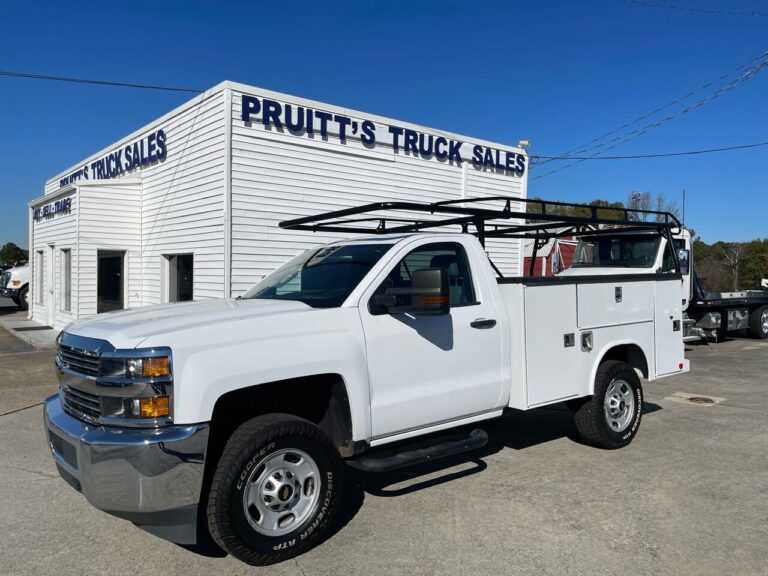
Utility / Service Trucks: These specialized vehicles are equipped with compartments, shelves, and often cranes or lift gates, designed to carry tools, equipment, and parts for various service industries. From electricians and plumbers to telecommunication companies and municipal services, utility trucks Florida are customized mobile workshops, essential for on-site repairs and installations.
Reefer Trucks (Refrigerated Trucks): In a state known for its fresh produce and seafood, reefer trucks are vital. These medium-duty vehicles are fitted with insulated cargo areas and refrigeration units to maintain specific temperature ranges, ensuring perishable goods like food, pharmaceuticals, and flowers remain fresh during transport, a critical component of Florida’s supply chain.
Cab & Chassis Trucks: For businesses with highly specialized needs, a cab and chassis configuration offers the ultimate flexibility. These trucks consist of just the cab and the frame, allowing the buyer to custom-mount a specific body or equipment to meet unique vocational requirements. This could range from custom service bodies to specialized agricultural sprayers or even unique mobile workshops.
Key Considerations When Buying a Medium-Duty Truck in Florida
Purchasing a medium-duty truck is a significant investment. Based on my experience in the commercial vehicle market, a methodical approach considering several critical factors will save you time, money, and future headaches.
New vs. Used: Weighing Your Options
The decision between a new and used medium duty truck Florida often comes down to budget, depreciation, and technological needs. New trucks offer the latest technology, full warranties, and customization options directly from the factory. They also provide peace of mind regarding maintenance history and longevity. However, they come with a higher initial price tag and experience significant depreciation in the first few years.
Used trucks, on the other hand, offer a more budget-friendly entry point and typically have already absorbed the steepest depreciation. The used commercial trucks Florida market is robust, offering a wide selection. The challenge lies in verifying maintenance history, potential wear and tear, and ensuring the vehicle meets current emission standards. A thorough inspection is paramount when considering a used option.
Budget & Financing: Beyond the Sticker Price
Understanding the total cost of ownership (TCO) is crucial. This extends beyond the purchase price to include fuel, maintenance, insurance, financing costs, and potential downtime. For commercial vehicles, these operating expenses can quickly add up. Pro tips from us: always factor in a realistic budget for unexpected repairs, especially with older used models.
When it comes to financing, commercial truck loans differ from consumer auto loans. Many dealerships and specialized financial institutions offer tailored financing solutions for businesses, including leases and purchase loans with various terms. Explore options that align with your cash flow and business structure.
Engine & Drivetrain: Powering Your Operations
Most medium-duty trucks come with either diesel or gasoline engines. Diesel engines are known for their torque, fuel efficiency (especially under heavy loads), and longevity, making them a popular choice for long-haul or heavy-duty applications. However, they typically have higher upfront costs and more complex emission systems.
Gasoline engines, while generally less fuel-efficient for heavy hauling, can be more affordable to purchase and maintain, particularly for trucks used for shorter routes or stop-and-go city driving. Florida’s flat terrain means extreme horsepower isn’t always a primary concern, but reliability and efficiency for your specific routes are. Consider the local availability of maintenance services for both engine types.
Payload & Towing Capacity: Don’t Underestimate
Accurately assessing your payload and towing capacity needs is non-negotiable. Overloading a truck is not only unsafe and illegal but can also lead to premature wear and tear, costly breakdowns, and voided warranties. Carefully calculate the maximum weight of your cargo, equipment, and any trailers you plan to tow.
Always choose a truck with a capacity that comfortably exceeds your typical maximum load. This provides a safety margin and ensures the vehicle operates efficiently without being constantly strained. Common mistakes to avoid are purchasing a truck that is "just enough," as business needs often grow, and an undersized truck quickly becomes a liability.
GVWR & CDL Requirements: Navigating Regulations
The Gross Vehicle Weight Rating (GVWR) directly impacts licensing requirements. In Florida, as in most states, vehicles with a GVWR of 26,001 pounds or more typically require the driver to hold a Commercial Driver’s License (CDL). Many Class 6 medium-duty trucks approach this threshold, and some might exceed it, especially when combined with a trailer.
It’s vital to understand these regulations before purchase to ensure your drivers are properly licensed. The Florida Department of Highway Safety and Motor Vehicles (FLHSMV) provides detailed information on CDL requirements and vehicle classifications. Failing to comply can result in hefty fines and operational disruptions.
Upfitting & Customization: Tailoring for the Job
A bare chassis cab is just the beginning for many medium-duty applications. The right upfitting can transform a standard truck into a highly efficient, specialized tool. Whether it’s a custom box body, a refrigerated unit, a crane, a lift gate, or specialized service compartments, the customization options are extensive.
Consider the availability and cost of upfitting services in Florida. Many commercial truck dealers offer in-house upfitting or work with trusted third-party providers. Planning your upfit simultaneously with your truck purchase can streamline the process and ensure compatibility.
Maintenance & Service: Keeping Your Truck on the Road
Florida’s climate can be tough on vehicles. High temperatures place extra strain on cooling systems, and coastal areas introduce corrosion risks. Understanding the maintenance schedule and the availability of parts and skilled mechanics for your chosen make and model in Florida is critical.
Based on my experience, a strong relationship with a local, reputable service center can be invaluable. Inquire about service contracts, preventative maintenance programs, and the typical lead time for repairs. Downtime for a commercial truck directly translates to lost revenue.
Resale Value: A Long-Term View
While not the primary concern, considering the potential resale value can be a smart long-term strategy. Popular makes and models with good reputations for reliability and durability tend to hold their value better. A well-maintained truck with a comprehensive service history will always command a higher price in the used commercial trucks Florida market.
Inspection (for Used Trucks): Your Due Diligence
For used medium duty trucks Florida, a pre-purchase inspection by an independent, certified mechanic is non-negotiable. This is where you uncover potential hidden issues that could turn a good deal into a money pit. The mechanic should check the engine, transmission, brakes, tires, suspension, frame, electrical system, and all auxiliary equipment.
Also, request a full vehicle history report (e.g., Carfax or similar commercial vehicle report) to check for accidents, liens, and odometer discrepancies. Common mistakes to avoid are trusting seller assurances without independent verification.
Where to Find Medium-Duty Trucks For Sale in Florida
Florida offers numerous avenues for sourcing medium-duty trucks, each with its own advantages.
1. Commercial Truck Dealerships (New & Used):
These are often the first stop for many buyers. Authorized new truck dealerships offer a wide selection of current models, factory warranties, and often in-house financing and service departments. They can also assist with custom upfitting. Many also have dedicated used commercial truck divisions.
2. Online Marketplaces & Classifieds:
Websites like CommercialTruckTrader, TruckPaper, and even general platforms like Facebook Marketplace or Craigslist list thousands of used medium duty trucks Florida. These platforms offer a vast selection from both dealerships and private sellers. They require careful vetting and due diligence on the buyer’s part.
3. Auctions (Government, Private, Impound):
Commercial truck auctions can be a source of good deals, particularly for those with mechanical expertise or a willingness to invest in repairs. Government surplus auctions, fleet liquidations, and impound auctions frequently feature medium-duty vehicles. Be aware that most auction vehicles are sold "as-is, where-is" with no warranties.
4. Private Sellers:
Sometimes, individual businesses or owners will sell their medium-duty trucks directly. This can occasionally lead to better pricing, as there’s no dealer markup. However, the buyer assumes more risk and responsibility for inspections, paperwork, and ensuring a clear title.
Pro Tips for Finding Your Truck: Start your search by clearly defining your needs. Utilize online filters to narrow down options by GVWR, body type, mileage, and price. When contacting sellers, be prepared with specific questions about the truck’s history, maintenance, and reason for selling.
The Buying Process: A Step-by-Step Guide
Navigating the purchase of a medium-duty truck can be complex, but a structured approach simplifies the journey.
- Define Your Needs: Begin by meticulously outlining your operational requirements. What will the truck primarily be used for? What payload capacity, body type, and engine type are essential? Consider your daily routes, typical cargo, and any specific vocational needs.
- Research & Identify Options: With your needs defined, research available models and types from various sources (dealerships, online, private sellers). Compare specifications, features, and initial pricing.
- Budget & Secure Financing: Establish a clear budget, including the purchase price, potential upfits, insurance, and initial operating costs. Explore and secure financing pre-approval to understand your purchasing power.
- Test Drive & Inspection: Never skip a test drive. Pay attention to how the truck handles, brakes, and accelerates. For used trucks, a professional pre-purchase inspection is paramount to uncover any hidden issues.
- Negotiation: Be prepared to negotiate the price. Research market values for similar trucks to inform your offer. Don’t be afraid to walk away if the deal isn’t right.
- Paperwork & Registration: Once a price is agreed upon, carefully review all sales agreements and titles. In Florida, you’ll need to handle registration with the FLHSMV, ensuring all commercial vehicle requirements and necessary permits are met. This often involves specific commercial vehicle tags and potentially IRP (International Registration Plan) for interstate operations.
Common Mistakes to Avoid When Purchasing
Based on my years in the industry, certain pitfalls consistently trip up buyers. Being aware of these can save you significant time and money.
- Underestimating Needs: Purchasing a truck that is too small or lacks the necessary power/capacity for your operations is a common and costly error. Always over-spec slightly to accommodate future growth or unexpected heavier loads.
- Ignoring Total Cost of Ownership: Focusing solely on the purchase price and neglecting fuel efficiency, maintenance costs, insurance, and potential downtime is a recipe for budget overruns. The true cost of a truck extends far beyond its initial sticker price.
- Skipping Professional Inspections (for Used Trucks): Relying solely on a visual check or the seller’s word for a used truck is risky. A pre-purchase inspection by an independent, qualified mechanic is the best defense against inheriting costly mechanical problems.
- Rushing the Decision: This is a significant investment. Take your time, compare multiple options, and don’t feel pressured into a quick decision. Hasty purchases often lead to buyer’s remorse and unsuitable vehicles.
- Not Checking Maintenance History: A truck’s maintenance records are its lifeline. Always request and review comprehensive service records to understand how the vehicle has been cared for. A lack of records is a major red flag.
Pro Tips for Florida Buyers
Purchasing a medium-duty truck in Florida comes with its own set of nuances. Here are some insights specifically for the Sunshine State.
- Understand Florida’s Specific Regulations: Florida has its own set of commercial vehicle regulations regarding weight limits, permits, and inspections. Always consult the Florida Department of Highway Safety and Motor Vehicles (FLHSMV) website or a commercial vehicle specialist to ensure full compliance.
- Corrosion Prevention: Due to high humidity and proximity to saltwater for many coastal businesses, corrosion can be a significant issue. When buying a used truck, inspect the frame, chassis, and undercarriage thoroughly for rust. For new trucks, consider undercoating or rust-proofing treatments.
- Heat Management: Florida’s intense heat puts extra strain on engines and cooling systems. Ensure any truck you consider has a robust cooling system and that its maintenance history reflects diligent attention to this area, especially for used vehicles.
- Dealer Reputation: In a competitive market like Florida, the reputation of a dealer matters. Look for dealerships with positive reviews, a long-standing presence, and excellent customer service for both sales and post-sale support.
Future Trends in Medium-Duty Trucks: What’s Next?
The commercial truck industry is constantly evolving, with several exciting trends on the horizon that will undoubtedly impact the Florida market.
Electrification is gaining significant traction. Electric medium-duty trucks are becoming more viable, offering zero emissions and lower operating costs (fuel and maintenance) for urban and short-haul routes. As charging infrastructure expands in Florida, we can expect to see more of these silent workhorses on the roads.
Advanced safety features, such as automatic emergency braking, lane departure warnings, and blind-spot monitoring, are becoming standard. These technologies enhance driver safety, reduce accidents, and can even lower insurance premiums. Telematics and connectivity are also transforming fleet management, offering real-time tracking, diagnostics, and efficiency monitoring.
These innovations promise to make medium-duty trucks even more efficient, safer, and environmentally friendly. Keeping an eye on these developments can help you future-proof your investment and ensure your fleet remains competitive.
Your Path to the Perfect Medium-Duty Truck in Florida
The search for medium duty trucks for sale in Florida is an exciting journey, offering the potential to significantly enhance your business operations. By taking a strategic and informed approach, considering all the factors from GVWR and body type to financing and future trends, you can make a purchase that truly serves your needs.
Remember, the goal is not just to buy a truck, but to acquire a reliable, efficient, and cost-effective asset that will contribute to your business’s success for years to come. With this comprehensive guide, you are now equipped with the knowledge and pro tips needed to navigate the vibrant Florida market and secure the ideal medium-duty truck for your fleet. Happy hunting, and here’s to driving your business forward!