Unearthing History: The Ultimate Guide to Buying, Restoring, and Owning Army Surplus Jeeps
Unearthing History: The Ultimate Guide to Buying, Restoring, and Owning Army Surplus Jeeps Lmctruck.Guidemechanic.com
There’s a unique allure to military vehicles, a rugged charm forged in the crucible of history and designed for unyielding performance. Among these, the Army Surplus Jeep stands out as an iconic symbol of resilience, adventure, and a bygone era. For many enthusiasts and collectors, the prospect of owning one of these legendary machines is more than just acquiring a vehicle; it’s about preserving a piece of history and embracing a lifestyle.
This comprehensive guide is your definitive resource for navigating the fascinating world of Army Surplus Jeeps. We’ll delve deep into their history, explore the different models, and provide invaluable insights into finding, buying, restoring, and ultimately, enjoying these incredible machines. Whether you’re a seasoned collector or a curious newcomer, prepare to embark on a journey that combines mechanical passion with a profound respect for heritage.
Unearthing History: The Ultimate Guide to Buying, Restoring, and Owning Army Surplus Jeeps
A Brief History: The Enduring Legacy of Military Jeeps
The story of the Army Surplus Jeep is intrinsically linked to the major conflicts of the 20th century, particularly World War II. Born out of an urgent need for a lightweight, rugged, and versatile reconnaissance vehicle, the original Willys MB (and its Ford GPW counterpart) quickly became the backbone of Allied forces. Its simple yet brilliant design, coupled with its go-anywhere capability, earned it the affectionate moniker "Jeep" – a term that has since become synonymous with a class of off-road vehicles.
These early military jeeps weren’t just transport; they were mobile command posts, ambulances, artillery tractors, and much more. Their utilitarian design prioritized function over form, resulting in a vehicle that was easy to maintain in the field and incredibly robust. This legacy of durability and adaptability continued through subsequent generations, shaping the design and purpose of military light utility vehicles for decades to come.
Following WWII, the design evolved with vehicles like the M38 and M38A1, which saw action in the Korean War. These models retained the core "Jeep" characteristics but introduced incremental improvements in power, suspension, and overall ruggedness. Each iteration built upon the lessons learned from previous conflicts, further solidifying the military jeep’s reputation as an indispensable tool for armed forces around the globe.
The M151 MUTT (Military Utility Tactical Truck) marked a significant departure in design, becoming the primary light utility vehicle for the U.S. military from the 1960s through the 1980s, including extensive service in Vietnam. While technically not a "Jeep" in the brand sense due to patent issues, it carried the torch of its predecessors, offering enhanced capabilities and a more modern monocoque body. Understanding this lineage is crucial for appreciating the diversity and evolution of the Army Surplus Jeeps available today.
Why Consider an Army Surplus Jeep? The Allure of Authenticity and Durability
The appeal of an Army Surplus Jeep extends far beyond mere transportation. For many, it’s about connecting with history, appreciating unparalleled engineering, and owning a vehicle with a story. These machines offer a unique blend of characteristics that modern vehicles simply cannot replicate.
One of the primary draws is their unmatched ruggedness and build quality. Military vehicles are engineered to survive the harshest environments and most demanding conditions imaginable. They are overbuilt, designed for repairability in the field, and constructed with materials that prioritize durability above all else. This means that even decades later, a well-maintained surplus jeep often possesses a structural integrity that belies its age.
Furthermore, there’s the undeniable historical significance and collector’s appeal. Owning a Willys MB from WWII, an M38A1 from Korea, or an M151 from Vietnam is like owning a tangible piece of history. Each dent, every patch of faded paint, tells a story of service and survival. For collectors, the pursuit of authenticity and the joy of preserving these artifacts are deeply rewarding. These vehicles are not just commodities; they are living testaments to human ingenuity and perseverance.
Beyond history, their potential for off-road prowess remains a significant attraction. Designed to traverse challenging terrains, Army Surplus Jeeps offer exceptional capabilities for enthusiasts looking for genuine adventure. Their high ground clearance, robust four-wheel-drive systems, and relatively lightweight construction make them surprisingly agile and capable off-pavement, often outperforming many modern SUVs in raw ability.
Finally, while initial purchase prices can vary widely, some models can offer cost-effectiveness as a hobby vehicle, especially if you enjoy doing your own mechanical work. While restoration can be an investment, the satisfaction of bringing a piece of history back to life, and the potential for appreciation in value for rare or well-restored models, can make it a worthwhile endeavor. It’s an investment in a passion, a project, and a piece of the past.
Types of Army Surplus Jeeps You Might Encounter
The term "Army Surplus Jeep" encompasses a range of vehicles, each with its own unique characteristics, history, and challenges. Knowing what to look for is the first step in your journey.
Willys MB / Ford GPW (WWII Era)
These are the grandfathers of all jeeps. Instantly recognizable, they represent the quintessential WWII military vehicle. They are generally the most sought-after by collectors for their historical significance.
- Key Features: Flat fenders, slat grille (early Willys), rudimentary controls, 60 hp "Go-Devil" engine.
- Availability: Becoming rarer, often found in various states of restoration.
- Considerations: High collector value, parts can be expensive for authentic restoration, often not road-legal in original form without significant modifications for safety standards.
M38 / M38A1 (Korean War Era)
These models built upon the success of the MB/GPW, introducing improvements based on wartime experience. The M38 looks very similar to the WWII jeep, while the M38A1 features a more rounded front fender design.
- Key Features: 24-volt electrical system (compared to 6-volt on WWII models), waterproofed ignition system, often a larger "Hurricane" engine in the M38A1.
- Availability: More common than WWII models, offering a slightly more accessible entry point for collectors.
- Considerations: Still very robust, parts availability is generally good, but 24-volt systems can be a learning curve for those used to 12-volt.
M151 MUTT (Vietnam Era)
The M151 MUTT (Military Utility Tactical Truck) represents a significant design evolution. It’s often mistakenly called a "Jeep" due to its role, but it’s technically a different vehicle designed by Ford.
- Key Features: Unitary body construction (monocoque), independent suspension on all four wheels, modern engine.
- Availability: Often found at government auctions.
- Considerations: Crucially, many M151s were legally mandated to be cut into sections before being sold to civilians due to stability issues (prone to rollover if driven improperly). Owning a whole M151 can present significant legal and registration challenges, and in some jurisdictions, it’s outright illegal for road use. Always research local laws meticulously.
Humvees (HMMWVs)
While not traditionally considered "Jeeps" in the classic sense, the High Mobility Multipurpose Wheeled Vehicle (HMMWV or Humvee) is the modern successor to the military jeep.
- Key Features: Much larger, diesel engine, exceptional off-road capabilities, complex systems.
- Availability: Increasingly available through government surplus channels (e.g., GovPlanet).
- Considerations: Significantly more expensive, much larger, parts can be costly, and maintenance requires specialized knowledge. Not a project for the faint of heart or budget-conscious.
The Buying Journey: Where and How to Find Your Military Gem
Finding an Army Surplus Jeep requires a strategic approach, as these aren’t typically found on your local used car lot. The journey often begins with understanding the specific channels through which these vehicles are released to the public.
1. Government Auctions: This is often the primary source for surplus military equipment. Websites like GovPlanet (which often partners with IronPlanet) and GSA Auctions are key platforms.
- How it works: Vehicles are sold "as-is, where-is." You bid online, and if you win, you’re responsible for pickup and transport. Detailed inspection reports and photos are usually provided, but in-person inspection is always highly recommended.
- Pro tips from us: Carefully read all terms and conditions. Pay close attention to the condition reports, which can be very detailed. Understand the difference between "running" and "operational" – a vehicle might run but have major mechanical issues. Factor in transportation costs, as these can be substantial.
2. Specialized Dealers: Many businesses specialize in buying military surplus vehicles, performing basic repairs, and reselling them.
- How it works: Dealers often have a curated inventory, can assist with paperwork, and might offer warranties or restoration services.
- Pro tips from us: While potentially more expensive than an auction, you often get a vehicle that’s been vetted, or at least started, by someone knowledgeable. This can save you headaches in the long run. Look for dealers with a strong reputation in the military vehicle community.
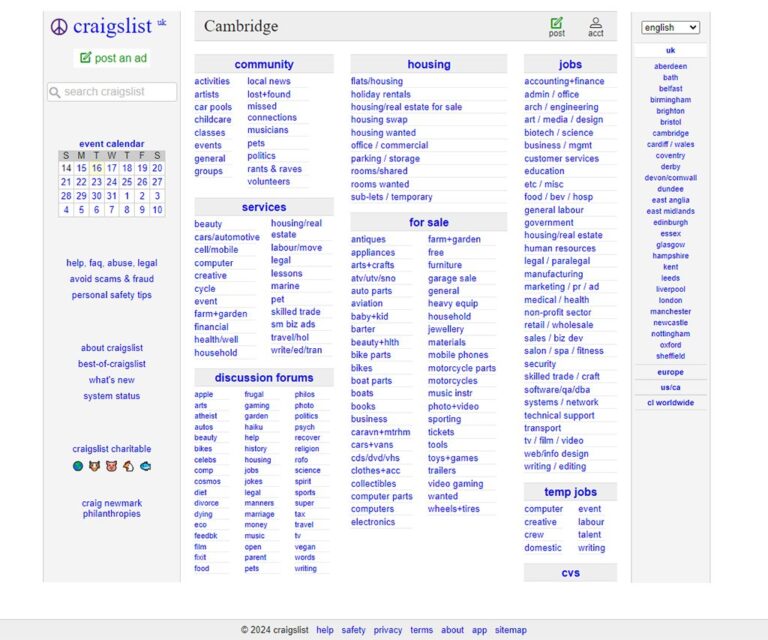
3. Online Marketplaces & Forums: Websites like Craigslist, eBay, and dedicated military vehicle forums (e.g., G503.com for WWII jeeps) are excellent places to find private sales.
- How it works: Direct sales from individuals.
- Pro tips from us: This offers a more personal buying experience, but due diligence is paramount. Always inspect the vehicle thoroughly and be wary of deals that seem too good to be true. Connect with sellers on forums, as they often have a deeper understanding of their vehicle’s history.
4. Private Sales & Word of Mouth: Sometimes the best finds come from networking within the military vehicle community or through local classifieds.
- How it works: Keep an ear to the ground at military vehicle shows, club meetings, and local events.
- Pro tips from us: This often uncovers projects or vehicles that haven’t hit the broader market yet. Building relationships within the community can be incredibly valuable for both finding vehicles and sourcing parts.
Regardless of the source, due diligence is non-negotiable. Never purchase a vehicle without a thorough inspection. If you’re not mechanically inclined, bring a trusted mechanic who understands vintage military vehicles. Look for rust in common areas, check fluid levels, inspect the frame, and verify engine and transmission functionality.
Crucial Considerations Before You Buy: Navigating the Challenges
Owning an Army Surplus Jeep is a rewarding experience, but it comes with a unique set of challenges that prospective buyers must understand. These vehicles are not modern daily drivers, and approaching them with unrealistic expectations can lead to frustration.
Condition and Mechanical State
Military vehicles, especially those sold as surplus, often come with battle scars and deferred maintenance. You need to be prepared for this reality.
- Rust: This is the enemy of any vintage vehicle. Inspect the frame, floor pans, body panels, and especially hidden areas for corrosion. Surface rust is manageable, but structural rust can be a deal-breaker or a very costly repair.
- Engine & Drivetrain: Does it run? Does it run well? Check for oil leaks, strange noises, and proper shifting. The mechanical components are generally robust, but years of neglect can take their toll.
- Electrical System: Military vehicles often have specialized electrical systems (e.g., 24-volt). Ensure all lights, gauges, and wiring are functional and free from signs of rodent damage or amateur repairs.
Parts Availability
While many common wear-and-tear items might be available, specialized components can be harder to source.
- Pro tips from us: Research parts availability for your desired model before you buy. For popular models like the Willys MB, a thriving aftermarket exists. For rarer variants or specific components, you might rely on NOS (New Old Stock) parts, used parts from other enthusiasts, or even fabrication.
- Internal Link Suggestion: For more general advice on sourcing parts for classic vehicles, you might find our article "The Ultimate Guide to Sourcing Vintage Auto Parts" helpful.
Legal & Registration Issues
This is arguably the most critical and often overlooked aspect, especially for the M151 MUTT.
- M151 Specifics: Due to inherent stability issues (prone to rollovers if driven incorrectly), the U.S. government mandated that most M151s sold as surplus be demilitarized (cut into sections) to prevent them from being registered for road use. Owning a "whole" M151 can be illegal for road use in many states and countries. Always verify local laws regarding title, registration, and road legality.
- VIN & Titling: Ensure the vehicle has a clear VIN (Vehicle Identification Number) and a verifiable title. Surplus vehicles sometimes come with a bill of sale or SF97 form, which needs to be converted to a state title – a process that can vary greatly by jurisdiction.
- Common mistakes to avoid are: Assuming all surplus vehicles are road legal, failing to research local titling laws, and overlooking the M151’s specific legal restrictions. This can lead to a very expensive paperweight.
Maintenance & Expertise
These are not modern vehicles with complex electronics, but they do require a different kind of mechanical aptitude.
- Basic Tools & Knowledge: A willingness to learn and get your hands dirty is essential. You’ll be dealing with carburetors, manual chokes, drum brakes, and simpler, yet sometimes quirky, systems.
- Specialized Mechanics: Finding a mechanic experienced with vintage military vehicles can be challenging. Many owners become their own experts.
Cost Beyond Purchase
The sticker price is often just the beginning.
- Restoration & Repairs: Expect to invest significant time and money into bringing a surplus jeep up to a reliable, safe standard. This includes engine work, brake overhauls, electrical repairs, bodywork, and painting.
- Upgrades: If you plan to make it more road-friendly or capable, consider costs for things like modern safety belts, turn signals, improved lighting, or even an engine swap.
Restoration & Customization: Bringing a Legend Back to Life
Once you’ve acquired your Army Surplus Jeep, the real adventure often begins: restoration. This journey can be incredibly rewarding, transforming a tired, old military workhorse into a gleaming historical artifact or a capable modern-day adventurer.
Authentic Restoration: Maintaining Historical Accuracy
For many purists and serious collectors, the goal is to restore the jeep to its exact "as-issued" condition, right down to the correct paint schemes, stenciling, and period-specific components. This path requires meticulous research and attention to detail.
- Research is Key: Dive into historical archives, original manuals, and specialized forums. Websites like G503.com are invaluable resources for specific models, providing insights into original markings, equipment, and even production variations.
- Sourcing Period-Correct Parts: This can be a treasure hunt. You’ll look for NOS (New Old Stock) parts, original used parts, or high-quality reproductions that faithfully mimic the originals.
- Paint and Markings: Achieving the correct olive drab shade, applying authentic unit markings, and understanding the stencil fonts are crucial for an accurate restoration.
Practical Upgrades: Modernizing for Safety, Comfort, and Performance
While maintaining the jeep’s character, many owners choose to implement practical upgrades, especially if they intend to drive it regularly or off-road extensively. These modifications enhance safety, improve drivability, and extend the vehicle’s usability.
- Brakes and Steering: Upgrading to disc brakes on the front (where possible) and installing power steering can dramatically improve safety and driving comfort, especially in modern traffic.
- Electrical System: Converting a 6-volt or 24-volt system to a more common 12-volt can simplify maintenance and allow for the use of modern accessories like radios or charging ports.
- Engine Swaps: While controversial among purists, some owners opt for more powerful and reliable modern engines (e.g., a small block Chevy or a modern four-cylinder) to improve performance and fuel efficiency.
- Safety Features: Adding modern seat belts, roll bars, and brighter lighting (while maintaining a vintage look) significantly enhances occupant safety.
- Suspension: Upgrading leaf springs or shocks can improve ride quality and off-road articulation, making the jeep more comfortable and capable.
Based on my experience, the most successful restorations start with a clear vision and a realistic budget. It’s often best to tackle the project in phases: first, get it mechanically sound and safe; then, address the cosmetics. Document everything with photos and notes – it’s invaluable for tracking progress, troubleshooting, and even for future resale value. Joining a local military vehicle club can provide immense support, knowledge, and access to parts and expertise.
Driving & Owning an Army Surplus Jeep: A Unique Experience
Driving an Army Surplus Jeep is unlike piloting any modern vehicle. It’s a raw, visceral experience that connects you directly to its history and purpose.
The feel, the sound, the connection to history are profound. You’ll feel every bump in the road, hear the distinctive rumble of its engine, and experience a directness in steering and braking that modern cars have engineered away. There’s a certain pride in turning heads and sparking conversations wherever you go, knowing you’re preserving and operating a piece of living history.
Their off-roading capabilities are legendary for a reason. These vehicles were built for challenging terrain. With their robust 4×4 systems, short wheelbases, and high ground clearance, they can tackle obstacles that would stop many modern SUVs in their tracks. They are simple, mechanical beasts designed to get the job done.
Pro tips from us: Always prioritize safety. These vehicles often lack modern safety features like airbags or ABS. Drive defensively, understand its limitations, and ensure all systems (especially brakes and steering) are in top condition. When off-roading, know your limits and never go alone. Consider taking a defensive driving course or an off-road driving clinic to better understand your vehicle’s capabilities and your own. Regular maintenance is key; consistent checks of fluids, brakes, and tires will keep your historical vehicle running smoothly. For general driving safety tips, you might want to read our article on "Essential Safety Tips for Driving Vintage Vehicles."
The community and events surrounding Army Surplus Jeeps are vibrant and welcoming. From local club meetings to large national military vehicle shows, you’ll find a passionate group of enthusiasts eager to share knowledge, parts, and camaraderie. These events are fantastic opportunities to learn, show off your restoration, and connect with like-minded individuals.
Investment or Hobby? Understanding the Value
The question of whether an Army Surplus Jeep is an investment or a hobby often arises. The answer, in many cases, is a bit of both.
For rare models, especially those from WWII in excellent, original condition, there is indeed appreciation potential. Well-restored Willys MBs or Ford GPWs can command significant prices, and their value tends to hold or increase over time, much like other classic cars. However, this is usually for top-tier restorations or exceptionally preserved originals.
For most owners, however, the primary value lies in the joy of the hobby itself. The satisfaction of turning wrenches, the thrill of off-road adventures, the pride of preserving history, and the camaraderie of the military vehicle community are often far more rewarding than any potential financial return. It’s an investment in passion, learning, and unique experiences.
Conclusion: Embrace the Legacy
Owning an Army Surplus Jeep is an extraordinary journey that combines mechanical passion with a deep appreciation for history. From the iconic Willys MB to the versatile M151 MUTT, these vehicles represent a testament to engineering prowess and human resilience. While the path to acquisition and restoration presents its own set of challenges, the rewards – a tangible connection to the past, unparalleled off-road capability, and a vibrant community – are immeasurable.
Whether you aspire to an authentic museum-quality restoration or a capable, modernized trail rig, we hope this guide has equipped you with the knowledge and confidence to embark on your own Army Surplus Jeep adventure. Do your research, plan meticulously, and most importantly, enjoy every moment of bringing a legend back to life. The open road, and the rugged trails, await your command. Share your experiences and questions in the comments below – we’d love to hear from you!