U-Haul Prices and Sizes: Your Ultimate Guide to Smart & Affordable Moving
U-Haul Prices and Sizes: Your Ultimate Guide to Smart & Affordable Moving Lmctruck.Guidemechanic.com
Moving can often feel like a monumental task, fraught with endless decisions and unexpected expenses. One of the most critical choices you’ll face is selecting the right moving truck or trailer, and understanding its associated costs. Among the myriad of options available, U-Haul stands out as a household name, synonymous with DIY moving.
This comprehensive guide is designed to demystify U-Haul prices and sizes, equipping you with the knowledge to make informed decisions. We’ll dive deep into their diverse fleet, break down the complex pricing structure, reveal potential hidden costs, and share expert strategies to save you money. Our goal is to transform your moving experience from stressful to streamlined and budget-friendly.
U-Haul Prices and Sizes: Your Ultimate Guide to Smart & Affordable Moving
Understanding U-Haul’s Core Offerings: More Than Just Trucks
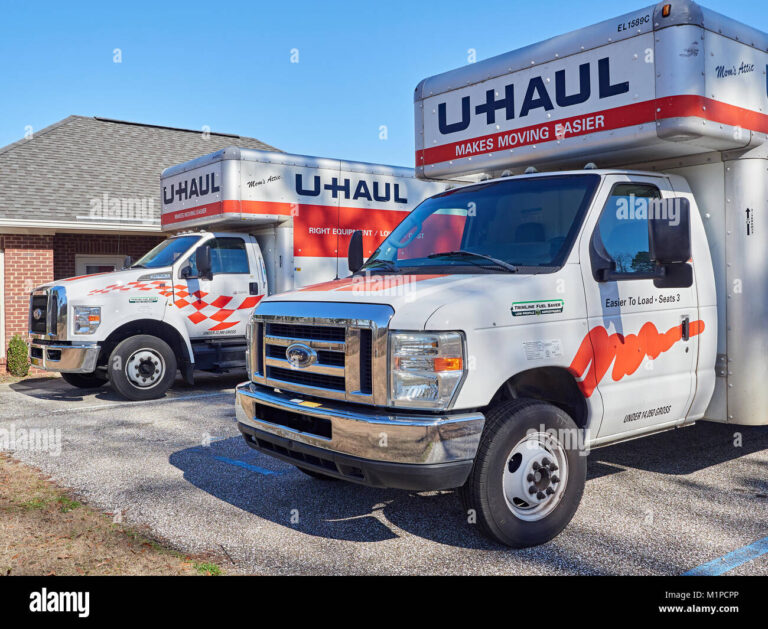
U-Haul has built its reputation on providing flexible and accessible moving solutions for individuals and families alike. While often associated with their distinctive orange and white moving trucks, their offerings extend far beyond. They provide a full ecosystem of moving assistance.
From robust trucks designed for various home sizes to specialized trailers for specific hauling needs, U-Haul aims to cover every aspect of your move. They also offer a wide array of moving supplies, storage solutions, and even labor assistance. This holistic approach makes them a one-stop-shop for many movers.
Deciphering U-Haul Truck Sizes: Finding Your Perfect Match
Choosing the correct truck size is paramount to a successful and cost-effective move. Opting for a truck that’s too small will necessitate multiple trips or force you to leave items behind. Conversely, an oversized truck means paying for unused space and potentially higher fuel costs.
Based on my extensive experience with various moves, accurately assessing your belongings is the first crucial step. Don’t just guess; visualize your items and consider their volume. U-Haul offers a diverse range of trucks, each tailored for different moving scenarios.
The Compact Powerhouse: Cargo Van & 8′ Pickup Truck
For the smallest moving tasks, U-Haul offers highly maneuverable options like the cargo van and the 8-foot pickup truck. These are perfect for quick errands, hauling a few pieces of furniture, or moving items to and from storage. Their compact size makes them easy to drive and park.
The cargo van, in particular, offers enclosed storage, protecting your items from the elements. It’s ideal for studio apartments, dorm rooms, or transporting small appliances. The 8′ pickup, on the other hand, is excellent for open-air hauling of bulky items like lumber or a single piece of large furniture.
The Studio & Dorm Mover: 10′ Truck
Stepping up in size, the 10-foot U-Haul truck is a popular choice for very small apartments, studios, or college dorm room moves. It offers a surprising amount of space for its compact footprint, making it a favorite for those with limited belongings. This truck is also relatively easy to drive.
Typically, it can accommodate a twin-size bed, a dresser, a few boxes, and perhaps a small couch. It’s important to remember that while it’s efficient, you won’t be moving a multi-bedroom house with this option. This truck usually has a single passenger seat, limiting the number of helpers you can bring along.
The Apartment & Small Home Solution: 15′ Truck
The 15-foot U-Haul truck is one of their most frequently rented sizes, striking a balance between capacity and drivability. It’s an excellent choice for moving a 1-bedroom apartment, a small 2-bedroom apartment, or a modest home. This truck features a low deck and a loading ramp, simplifying the loading process.
With this size, you can comfortably fit a queen-size bed, a sofa, a dining room set, and numerous boxes. It often comes with seating for two or three passengers, which is a great perk if you’re moving with family or friends. Many movers find this size offers the best versatility for typical residential moves.
The Mid-Sized Family Hauler: 17′ Truck
When your belongings start to expand beyond a typical apartment, the 17-foot U-Haul truck becomes a compelling option. This size is well-suited for a 2-bedroom home or a larger apartment, providing ample space for furniture and boxes. It’s a step up from the 15′ in terms of volume.
You can expect to fit larger items such as king-size beds, multiple couches, and a full dining set with ease. Like the 15′ truck, it generally includes a loading ramp to assist with heavier items. Based on our experience, this truck offers a good balance for growing families or those with substantial furniture.
The Spacious Home Transporter: 20′ Truck
For larger homes or those with more possessions, the 20-foot U-Haul truck provides considerable capacity. This truck is often recommended for a 2-3 bedroom house or a larger 2-bedroom apartment. It’s a significant upgrade in terms of cubic feet compared to its smaller counterparts.
With a 20′ truck, you can typically accommodate multiple bedrooms’ worth of furniture, large appliances, and extensive box collections. The added space minimizes the need for strategic packing, allowing for more straightforward loading. It also features a loading ramp for convenience.
The Grand Scale Mover: 26′ Truck
The largest truck in the U-Haul fleet, the 26-foot truck, is designed for substantial moves. This colossal vehicle is perfect for a 3-4+ bedroom house, large estates, or commercial moves. It offers the maximum capacity for those with extensive belongings.
This truck can handle multiple king-size beds, oversized furniture, large appliances, and a vast number of boxes in a single trip. While it offers incredible space, remember that driving a vehicle of this size requires a certain level of comfort and experience. It’s best suited for movers confident in navigating larger vehicles.
Pro Tip: How to Estimate Your Needs
Don’t rely solely on the number of bedrooms. Walk through your home and make a detailed inventory of all your furniture, appliances, and boxes. U-Haul offers an online "Space Estimator" tool which, based on my experience, can be surprisingly accurate. It guides you through itemizing your belongings and suggests the ideal truck size. Overestimate slightly if you’re unsure; an empty space is better than an overcrowded truck.
Navigating U-Haul Trailer Options: When a Truck Isn’t Enough (or is too much!)
U-Haul trailers offer fantastic flexibility, either as a standalone solution for smaller hauls or to supplement a moving truck. They come in various types, each serving a distinct purpose. Understanding these options can save you money and effort.
Cargo Trailers
Cargo trailers are enclosed units, offering secure and weather-protected transport for your goods. They range in size from 4’x8′ up to 6’x12′. These are perfect for moving small apartment contents, extra boxes, or sensitive items that need protection from the elements.
A 5’x8′ cargo trailer, for instance, is often sufficient for a dorm room or studio apartment. The larger 6’x12′ can handle a small one-bedroom apartment or serve as an excellent overflow for a larger truck move. They are generally easy to hitch and tow behind most vehicles.
Utility Trailers
Utility trailers are open-air options, designed for hauling bulky, irregularly shaped items that might not fit inside a cargo trailer or truck. They come in sizes like 4’x7′, 5’x8′, and 6’x12′. These are ideal for landscaping materials, ATVs, motorcycles, or large pieces of furniture that don’t require weather protection.
Their open design means you’ll need to secure your items thoroughly with ropes or straps and consider weather conditions. Based on our experience, utility trailers are indispensable for specific projects but require careful loading and securing.
Car Haulers & Tow Dollies
For those needing to transport a vehicle, U-Haul provides both car haulers and tow dollies. Car haulers are full trailers designed to carry your entire vehicle off the ground, suitable for longer distances or all-wheel-drive vehicles. They offer the most protection for your car.
Tow dollies lift only the front wheels of your vehicle off the ground, allowing the rear wheels to roll. These are generally more affordable and lighter, ideal for front-wheel-drive cars over shorter distances. Common mistakes to avoid include not checking your vehicle’s compatibility (e.g., weight, drivetrain) with the chosen hauler or dolly. Always consult U-Haul’s guidelines and your vehicle’s owner’s manual.
Unpacking U-Haul Pricing: What Really Drives the Cost?
Understanding U-Haul’s pricing structure is crucial for accurate budgeting. It’s not just a flat fee; several variables contribute to the final cost. Overlooking these factors can lead to unexpected expenses.
The Base Rental Fee: Daily Rate + Mileage
The foundation of U-Haul pricing is typically a daily rental fee, which varies by truck or trailer size. For local moves, this daily rate is combined with a per-mile charge. This mileage fee can add up quickly, so accurately estimating your driving distance is important.
For one-way moves, U-Haul often provides a set number of included miles and days. Exceeding these allowances will incur additional charges. Always clarify the included mileage and daily rates when booking.
Distance and Duration: Local vs. One-Way Moves
The type of move significantly impacts the price. Local moves, where you pick up and drop off at the same location, are generally charged a daily rate plus mileage. They offer more flexibility with return times but you’re responsible for fuel.
One-way moves, where you pick up in one city and drop off in another, are priced differently. They usually come with a set number of days and miles, and the price is often higher due to the logistics of repositioning the vehicle. The further the distance, the higher the base cost.
Location, Location, Location: Urban vs. Rural, Demand
Where you rent your U-Haul can influence the price. Rentals in high-demand urban centers or popular moving corridors might be more expensive than those in rural areas. This is due to local supply and demand dynamics.
It’s often worth checking prices at multiple U-Haul locations within a reasonable driving distance. Sometimes, picking up your truck a few miles outside a major city can yield noticeable savings. This requires a little extra planning but can pay off.
Seasonality and Demand: Peak Moving Times
Moving prices, including U-Haul rentals, are highly susceptible to seasonal demand. Peak moving times typically include summer months (May through August), the end of each month, and holidays. During these periods, demand surges, and prices often increase significantly.
Conversely, moving during off-peak seasons, such as late fall or winter, or mid-month, can result in lower rental rates. Planning your move during these quieter periods is a pro tip for significant savings. Flexibility with your moving date is a powerful money-saving tool.
Optional Add-Ons: Insurance, Equipment, Fuel, Labor
While not mandatory, optional add-ons can significantly impact your total U-Haul cost. These include various protection plans, moving equipment rentals (dollies, furniture pads), and the cost of fuel. U-Haul also partners with local moving labor providers, which is an additional service.
Based on my experience, many movers overlook these "optional" costs during their initial budgeting. It’s crucial to factor them in from the start to avoid budget surprises. Each of these services, while convenient, comes with its own price tag.
Essential Add-Ons and Hidden Fees: Don’t Get Caught Off Guard!
When planning your U-Haul rental, it’s easy to focus solely on the truck or trailer cost. However, a range of additional fees and optional services can quickly inflate your final bill. Being aware of these helps you budget accurately and avoid unpleasant surprises.
Protection Plans (Safemove, Safemove Plus)
U-Haul offers various protection plans, such as Safemove and Safemove Plus, designed to cover damages to the rental equipment and sometimes even your cargo. While your personal auto insurance might offer some coverage, it often has limitations when it comes to rental trucks.
Safemove typically covers damage to the U-Haul equipment, while Safemove Plus extends coverage to personal injury, cargo damage, and supplemental liability. It’s crucial to review what your existing insurance policies cover before deciding on U-Haul’s protection plans. Common mistakes to avoid are assuming you’re fully covered or declining coverage without understanding the risks.
Moving Equipment (Dollies, Furniture Pads, Boxes)
To make your move easier and safer, U-Haul rents out essential moving equipment. Hand trucks, utility dollies, and furniture dollies are invaluable for transporting heavy items. Furniture pads protect your belongings from scratches and dings during transit.
These items are rented separately and add to your overall cost. While you can often buy boxes elsewhere, renting equipment from U-Haul is convenient. Pro tips from us include checking if friends or family have these items you can borrow to save money.
Fuel Costs (Return with the same level or pay a premium)
U-Haul trucks and vans operate on gasoline, and you are responsible for the fuel consumed during your rental period. The general policy is to return the vehicle with the same fuel level as when you picked it up. Failing to do so can result in a significant refueling charge, which is often at a premium rate.
Always factor in the cost of fuel into your moving budget. For long-distance moves, this can be a substantial expense. My personal experience has shown that topping off the tank yourself before returning is always more cost-effective than letting U-Haul do it.
Environmental Fees (sometimes applies)
In some regions, U-Haul may apply a small environmental fee to your rental. This fee is typically a minor charge intended to cover the costs associated with environmental compliance and waste disposal. While usually small, it’s another item to look out for on your quote.
It’s a standard practice in the rental industry, so don’t be surprised if you see it. Always review your final rental agreement carefully for all line items.
Late Return Fees
Timeliness is critical when renting a U-Haul. If you return your truck or trailer past the agreed-upon time, you will likely incur late return fees. These fees can sometimes be equivalent to an additional day’s rental, so they can add up quickly.
Always communicate with U-Haul if you anticipate a delay in your return. Sometimes, extending your rental for an extra day proactively can be cheaper than paying late fees. This is a common mistake that can be easily avoided with good planning.
Cleaning Fees (if not returned clean)
U-Haul expects its rental equipment to be returned in a reasonably clean condition. While a little dust is acceptable, leaving trash, debris, or significant dirt in the truck or trailer can result in cleaning fees. These fees are assessed at U-Haul’s discretion.
Take a few minutes to sweep out the cargo area before returning the vehicle. It’s a small effort that can save you from an unexpected charge.
Smart Strategies to Save Money on Your U-Haul Rental
Moving on a budget is a common goal, and there are several effective strategies to reduce your U-Haul expenses. A little foresight and planning can lead to significant savings.
Book Early, Especially Off-Peak
One of the most impactful ways to save is to book your U-Haul well in advance, especially if you’re moving during peak season. Early booking often secures better rates and guarantees availability of your preferred truck size. As demand increases, so do prices.
Pro tips from us suggest aiming for a move during the middle of the month or mid-week if your schedule allows. Avoiding summer months and month-ends can drastically cut your rental costs.
Consider Local vs. One-Way (if applicable)
For some moves, particularly those involving short to medium distances, it might be cheaper to do a local rental and return the truck to the original location, even if it means driving empty. This depends heavily on the distance and the one-way rate.
Always compare the total cost of a one-way rental versus a local rental with estimated fuel and mileage. My personal experience has shown that sometimes a local rental with an empty return leg can be surprisingly more affordable for distances up to a few hundred miles.
Compare Pick-up/Drop-off Locations
As mentioned earlier, prices can vary between different U-Haul locations, even within the same city. Take the time to check rates at several nearby U-Haul centers. A short drive to a different location for pick-up or drop-off could yield savings.
This strategy is particularly effective in metropolitan areas where multiple U-Haul facilities are available. It requires a bit more logistical planning but can be worth the effort.
Pack Efficiently to Optimize Space
Underestimating your space needs leads to multiple trips or the need for a larger, more expensive truck. Packing efficiently means maximizing every cubic foot of your chosen U-Haul. Disassemble furniture, stack boxes uniformly, and fill all voids.
For deeper insights into efficient packing, you might find our article, "Choosing the Right Packing Supplies: A Mover’s Essential Guide," particularly helpful. Smart packing directly translates to potentially needing a smaller, cheaper truck.
DIY Loading and Unloading
Hiring professional movers for loading and unloading can add hundreds, if not thousands, to your moving costs. While convenient, doing it yourself with the help of friends and family is a significant money-saver.
Ensure you have the right equipment, like dollies, to protect your back and your belongings. Proper lifting techniques are also crucial to prevent injuries.
Return on Time, Full Tank
Avoid late fees and premium refueling charges by returning your U-Haul truck or trailer promptly and with the specified fuel level. Set reminders and plan your return route to include a gas station.
This simple act of adherence to the rental agreement saves you from unnecessary penalties. It’s a straightforward tip but often overlooked in the rush of moving.
Look for Discounts and Promotions
Keep an eye out for U-Haul promotions, especially during off-peak seasons or holidays. Sometimes they offer discounts on specific truck sizes or mileage packages. Check their website or sign up for their email list.
Students, military personnel, and AAA members might also be eligible for special discounts. Always inquire about any available promotions when booking your rental.
The Booking Process: A Step-by-Step Guide
Booking your U-Haul can be done efficiently online or in person. Knowing what to expect and what information you’ll need can make the process smooth and stress-free.
Online vs. In-Person Booking
U-Haul’s website offers a robust online reservation system that allows you to compare prices, select equipment, and book your rental from the comfort of your home. This is often the most convenient method. However, booking in person at a U-Haul location allows you to speak directly with staff, ask questions, and sometimes view the equipment.
Based on my experience, online booking is generally preferred for its speed and transparency, but an in-person visit can be beneficial if you have complex needs or specific questions.
Information Needed
When booking, you’ll need to provide several pieces of information. This typically includes your desired pick-up and drop-off locations (for one-way moves), your preferred dates and times, and the size of the truck or trailer you need. You’ll also need personal details, including your name, address, phone number, and a valid driver’s license number.
A credit card is required to secure the reservation. Ensure all information is accurate to avoid any issues during pick-up.
Confirmation and Pick-up
After booking, you’ll receive a confirmation, often via email. This document will detail your reservation, including pick-up location, time, and estimated costs. On the day of pick-up, bring your driver’s license and the credit card used for the reservation.
The U-Haul representative will review the contract with you and conduct a quick inspection of the vehicle. Common pitfalls during booking include not confirming the exact pick-up location or not double-checking the reservation details. Always verify everything before driving away. For additional tips on preparing for your move, check out our comprehensive guide: "Preparing for Your Move: A Comprehensive Checklist."
Conclusion
Navigating U-Haul prices and sizes doesn’t have to be an overwhelming ordeal. By understanding the different truck and trailer options, dissecting the factors that influence pricing, and implementing smart saving strategies, you can significantly streamline your moving experience. Remember that preparation and attention to detail are your best allies in achieving an affordable and efficient move.
From choosing the perfect 15-foot truck for your apartment to securing a 26-foot giant for a large family home, U-Haul offers a solution for nearly every scenario. By applying the insights shared in this guide, you’ll be well-equipped to make informed decisions, avoid hidden costs, and confidently embark on your next adventure. For current pricing and to make your reservation, visit the official U-Haul website today. Happy moving!