The Ultimate Guide: Unveiling the Best Trucks to Tow Your RV (And Everything You Need to Know)
The Ultimate Guide: Unveiling the Best Trucks to Tow Your RV (And Everything You Need to Know) Lmctruck.Guidemechanic.com
Embarking on an RV adventure promises unparalleled freedom, breathtaking landscapes, and unforgettable memories. But before you hit the open road, there’s a crucial decision to make: choosing the right truck to tow your recreational vehicle. This isn’t just about horsepower; it’s about safety, stability, and ensuring your journey is as smooth and stress-free as possible.
As an expert in the RV and towing industry, I’ve seen firsthand the common pitfalls of mismatched truck and RV combinations. Based on my experience, selecting the best truck to tow an RV is paramount, not only for performance but, more importantly, for the safety of everyone on the road. This comprehensive guide will arm you with the knowledge you need to make an informed decision, transforming your towing experience from daunting to delightful.
The Ultimate Guide: Unveiling the Best Trucks to Tow Your RV (And Everything You Need to Know)
Why Matching Your Truck to Your RV is Non-Negotiable
The allure of a new RV can be captivating, leading many to overlook the intricate details of its towing requirements. However, simply having a hitch on your truck isn’t enough. An improperly matched truck and RV can lead to a host of problems, ranging from excessive sway and poor braking performance to significant wear and tear on your vehicle, and even dangerous accidents.
Understanding the fundamental principles of towing capacity and vehicle dynamics is the cornerstone of safe RV travel. It ensures that your truck isn’t just pulling the weight, but managing it effectively under various driving conditions, including inclines, declines, and emergency maneuvers. This guide will delve deep into these crucial aspects, providing you with practical insights and expert advice.
Decoding the Language of Towing: Essential RV Weight Terminology
Before we explore specific truck models, it’s vital to understand the key weight ratings and terminology associated with RVs and towing. These numbers are not just technical jargon; they are the bedrock of safe and compliant towing. Misinterpreting or ignoring them is a common mistake that can have serious consequences.
Let’s break down the most critical terms you’ll encounter when researching the best truck to tow your RV:
Gross Vehicle Weight Rating (GVWR)
The GVWR represents the maximum permissible total weight of your fully loaded RV. This includes its dry weight, all your personal belongings, fresh water, waste water, propane, and any other cargo you might carry. Exceeding this rating can strain the RV’s chassis, axles, tires, and suspension, compromising its structural integrity and safety. Always check your RV’s sticker for its specific GVWR.
Gross Axle Weight Rating (GAWR)
Each axle on your RV has a GAWR, indicating the maximum weight that can be safely supported by that individual axle. It’s important to distribute your cargo evenly within the RV to avoid overloading one axle while underloading another. An imbalanced load can lead to poor handling, increased tire wear, and even axle failure.
Gross Combined Weight Rating (GCWR)
The GCWR is the absolute maximum allowable weight of your tow vehicle and your fully loaded RV combined. This is a critical safety rating provided by the truck manufacturer. It encompasses the weight of the truck itself, its passengers, cargo in the truck, and the entire loaded weight of the attached trailer. Never exceed your truck’s GCWR, as it dictates the maximum weight the entire combination is designed to safely accelerate, brake, and control.
Unloaded Vehicle Weight (UVW) / Dry Weight
The UVW, often referred to as "dry weight," is the weight of the RV as it left the factory, without any cargo, water, propane, or optional accessories added by the dealer or owner. This figure is primarily useful for comparison purposes and as a starting point. Based on my experience, relying solely on UVW when planning your towing setup is a common and dangerous mistake, as your RV will rarely be towed "dry."
Cargo Carrying Capacity (CCC)
The CCC is the maximum allowable weight of all cargo, fluids (freshwater, waste water, propane), and occupants that can be added to your RV. It’s calculated by subtracting the UVW from the GVWR. If your RV has a CCC of 1,500 lbs, that’s the total weight you can add in clothes, food, gear, and liquids. Always ensure your total added weight doesn’t surpass this vital limit.
Tongue Weight (Travel Trailers) / Pin Weight (Fifth Wheels)
This is perhaps one of the most misunderstood yet crucial metrics. Tongue weight refers to the downward force that a travel trailer’s tongue exerts on the hitch ball of the tow vehicle. For fifth-wheel trailers, it’s called "pin weight" and is the downward force exerted by the kingpin on the truck’s fifth-wheel hitch in the bed.
The ideal tongue weight for a travel trailer is typically 10-15% of the trailer’s total loaded weight, while pin weight for a fifth wheel is generally 15-25%. Too little tongue/pin weight can lead to severe trailer sway, making the rig unstable and difficult to control. Too much can overload the truck’s rear axle and reduce steering control. Pro tips from us: Invest in a tongue weight scale or visit a CAT scale to accurately measure this.
Payload Capacity
Often the most limiting factor for RVers, payload capacity is the maximum amount of weight your truck can safely carry in its bed and cab. This includes the weight of all passengers, cargo in the truck, and, critically, the tongue or pin weight of your RV. If your truck has a payload capacity of 2,000 lbs, and your family and gear weigh 600 lbs, you only have 1,400 lbs remaining for your RV’s tongue/pin weight.
Payload capacity is usually found on a sticker inside your truck’s driver’s side door jamb. It’s easy to exceed this rating, especially with larger families or heavy fifth wheels. Always prioritize payload when selecting a truck, as it’s often the first rating you’ll hit before maxing out towing capacity.
Towing Capacity
Finally, towing capacity refers to the maximum weight your truck is rated to pull. This figure is determined by the manufacturer based on engine power, transmission, chassis strength, and braking systems. While important, it’s crucial to remember that towing capacity assumes a perfectly balanced load and a driver of 150 lbs, often without considering additional passengers or gear in the truck.
Common mistakes to avoid are solely focusing on towing capacity. You must consider all the other weight ratings in conjunction, especially payload, to ensure a safe and compliant setup. Your actual "effective" towing capacity will almost always be lower than the advertised maximum due to your specific setup.
Matching Your RV Type to Your Tow Vehicle
The type of RV you own or plan to purchase heavily dictates the kind of truck you’ll need. RVs come in a vast array of sizes and weights, each with distinct towing demands.
Pop-Up Campers and Small Teardrop Trailers
These are the lightest and most compact towables, often weighing under 3,000 pounds.
- Trucks Needed: Many SUVs, minivans, and even some crossover vehicles can safely tow these. Half-ton trucks are overkill but can certainly handle them with ease.
- Key Consideration: Check the vehicle’s hitch rating and ensure it can handle the trailer’s tongue weight.
Conventional Travel Trailers (Bumper Pull)
This is the most popular type of RV, ranging from small, lightweight models to large, luxurious ones stretching over 35 feet and weighing upwards of 10,000 pounds.
- Trucks Needed: Small travel trailers (under 5,000 lbs) might be manageable by some larger SUVs or half-ton trucks with appropriate tow packages. Mid-size to large travel trailers (5,000-9,000 lbs) almost always require a half-ton truck equipped with a robust tow package. Heavier travel trailers (over 9,000 lbs) often push into the three-quarter ton truck territory for optimal stability and safety.
- Key Consideration: A weight distribution hitch with sway control is almost always essential for travel trailers over 3,000 lbs to maintain stability and level the tow vehicle.
Fifth-Wheel Trailers
Fifth wheels are characterized by their distinctive gooseneck extension that hitches into a special coupling mounted in the bed of a pickup truck. They are generally larger and heavier than travel trailers, offering more living space.
- Trucks Needed: Due to their significant pin weight and overall heft, fifth-wheel trailers typically require at least a three-quarter ton (2500/250) pickup truck. Larger and heavier fifth wheels, especially those over 14,000 lbs, almost always demand a one-ton (3500/350) truck, often with dual rear wheels (dually) for enhanced stability and payload capacity.
- Key Consideration: Payload capacity is absolutely critical here. The pin weight of a fifth wheel can easily consume a significant portion of a truck’s payload.
Toy Haulers
Toy haulers are specialized RVs designed to carry "toys" like ATVs, motorcycles, or even small cars in a dedicated garage area. This added cargo capacity makes them inherently heavier than standard travel trailers or fifth wheels of comparable size.
- Trucks Needed: Like fifth wheels, toy haulers generally require heavy-duty trucks. Smaller travel trailer toy haulers might be towable by robust half-ton or three-quarter ton trucks. However, most fifth-wheel toy haulers demand a one-ton truck, and often a dually, to safely manage their substantial weight and dynamic loads.
- Key Consideration: The weight of your toys significantly impacts the overall loaded weight and can shift the center of gravity. Always factor in the weight of your cargo when calculating your total trailer weight.
Key Factors to Consider When Choosing Your Tow Vehicle
Beyond the basic weight ratings, several other elements play a crucial role in determining the best truck to tow an RV. These factors contribute to both towing performance and your overall driving experience.
Engine Type: Gasoline vs. Diesel
The engine is the heart of your tow vehicle, and the choice between gasoline and diesel profoundly impacts towing capability and efficiency.
- Gasoline Engines: Generally more affordable upfront, gasoline engines offer robust horsepower and are excellent for occasional towing of lighter to moderately heavy RVs. Modern gasoline V8s (and some V6 turbos) in half-ton and three-quarter ton trucks are surprisingly capable. However, they typically achieve lower fuel economy when towing and might struggle more on long, steep inclines compared to diesel counterparts.
- Diesel Engines: Diesel engines are renowned for their massive torque, especially at lower RPMs, which makes them ideal for heavy and frequent towing. They offer superior fuel efficiency when under load, better engine braking capabilities (exhaust brakes), and generally have a longer lifespan. The initial cost is higher, and maintenance can be more expensive, but for serious RVers with large rigs, a diesel heavy-duty truck is often the preferred choice. Based on my experience, the added stability and effortless pulling power of a diesel on a long haul are truly invaluable.
Transmission and Gearing
A robust transmission designed for towing is essential. Modern trucks feature sophisticated multi-speed automatic transmissions (8-speed, 10-speed) that are optimized for towing. Look for features like "tow/haul mode," which adjusts shift points to maintain power, improve engine braking, and reduce transmission wear. Adequate transmission cooling is also paramount to prevent overheating under heavy loads.
Axle ratio also plays a significant role. A "taller" (lower numerically, e.g., 3.23) axle ratio offers better fuel economy unloaded but reduces towing power. A "shorter" (higher numerically, e.g., 3.73 or 4.10) axle ratio provides more torque to the wheels, enhancing towing performance at the expense of slightly worse unloaded fuel economy. For towing, a numerically higher axle ratio is generally preferred.
Brakes and Braking Systems
Your truck’s brakes are vital, but for safe RV towing, the trailer’s brakes are equally important. Most modern RVs are equipped with electric brakes. Your tow vehicle needs an integrated trailer brake controller to activate these brakes in sync with your truck’s braking system.
Pro tips from us: Ensure your truck has a factory-integrated trailer brake controller. Aftermarket units exist, but the factory-installed ones are typically seamlessly integrated with the vehicle’s systems. Always test your trailer brakes before each trip.
Suspension and Chassis
The suspension system significantly impacts stability and ride quality when towing. Heavy-duty trucks inherently have stiffer suspensions. Many manufacturers offer heavy-duty suspension packages, sometimes including rear air suspension systems, which can automatically level the truck and improve ride comfort and stability, especially with varying loads. A strong, full-boxed frame is also a hallmark of a capable tow vehicle.
Tires
The tires on your tow vehicle are literally where the rubber meets the road. For towing heavy RVs, especially fifth wheels and large travel trailers, Load Range E (or LT – Light Truck) tires are highly recommended. These tires have stronger sidewalls and higher load capacities than standard passenger car (P) tires, reducing sway and improving overall stability. Always ensure your tires are properly inflated to the manufacturer’s recommended pressure for towing.
Towing Technology and Driver Aids
Modern trucks come equipped with an impressive array of technologies designed to make towing safer and easier. These can include:
- Trailer Sway Control: Electronically detects and counteracts trailer sway.
- Integrated Trailer Brake Controller: As mentioned, a must-have.
- Tow/Haul Mode: Optimizes transmission shift points.
- Exhaust Brake (Diesel Trucks): Uses engine compression to slow the truck and trailer, reducing reliance on service brakes.
- Trailer Backup Assist: Helps steer the truck when backing up a trailer (e.g., Ford’s Pro Trailer Backup Assist).
- Blind Spot Monitoring with Trailer Coverage: Extends blind spot detection to cover the length of the trailer.
- Surround-View Cameras: Offer multiple camera angles to help with hitching and maneuvering.
Categories of Trucks for RV Towing: Finding Your Perfect Match
Now that we understand the critical metrics and features, let’s look at the general categories of trucks best suited for RV towing.
Half-Ton Trucks (e.g., Ford F-150, Ram 1500, Chevy Silverado 1500, GMC Sierra 1500, Toyota Tundra)
These are the most popular trucks on the market, offering a blend of daily drivability, comfort, and respectable towing capabilities.
- Capabilities: Half-ton trucks are ideal for towing smaller to mid-sized travel trailers (typically up to 8,000-10,000 lbs, with some specialized configurations going higher) and some pop-up campers. They can also handle very light fifth wheels if specifically configured with max tow and heavy-duty payload packages.
- Common Mistakes: The biggest mistake here is underestimating the RV’s loaded weight and, more importantly, exceeding the truck’s payload capacity. Many half-tons have payloads between 1,500-2,000 lbs, which can quickly be consumed by passengers, gear, and a significant travel trailer tongue weight.
- Pro Tips: If you’re considering a half-ton for towing, always opt for the maximum available towing package. Look for models with larger engines (V8 or high-output V6 turbos), higher axle ratios, and enhanced cooling systems. Even with these, stay conservative with your RV weight estimates.
Three-Quarter Ton Trucks (e.g., Ford F-250, Ram 2500, Chevy Silverado 2500HD, GMC Sierra 2500HD)
Often considered the sweet spot for many RVers, three-quarter ton trucks strike an excellent balance between substantial towing power and acceptable daily drivability.
- Capabilities: These trucks are workhorses, perfectly suited for larger travel trailers (up to 12,000-15,000 lbs) and a significant range of fifth-wheel trailers (often up to 16,000-18,000 lbs). Their increased payload capacities (typically 3,000-4,000 lbs or more) make them much more forgiving for carrying passengers and gear while accommodating substantial tongue/pin weights.
- Why Choose: Based on my experience, for many RVers with mid-to-large travel trailers or medium-sized fifth wheels, a three-quarter ton truck with a diesel engine offers unmatched confidence and stability. It provides ample power for mountain passes and feels much more composed than a half-ton when pulling a heavy load.
- Engine Choice: Both gasoline V8s and powerful diesel engines are available. The diesel option is highly recommended for frequent or heavy towing due to its superior torque and fuel economy under load.
One-Ton Trucks (e.g., Ford F-350, Ram 3500, Chevy Silverado 3500HD, GMC Sierra 3500HD)
These are the heavyweights of the pickup truck world, designed for serious hauling and the largest recreational vehicles.
- Capabilities: One-ton trucks are built to tow the largest fifth wheels, heavy toy haulers, and massive travel trailers, with towing capacities often exceeding 20,000-30,000 lbs. Their payload capacities can range from 4,000 lbs up to 7,000 lbs or more, making them ideal for managing the substantial pin weights of large fifth wheels.
- Dually vs. Single Rear Wheel (SRW): One-ton trucks are available with either single rear wheels (SRW) or dual rear wheels (DRW, often called a "dually"). A dually offers significantly higher payload and towing stability due to its four rear tires, which distribute weight more effectively and provide a wider stance. For the largest fifth wheels and toy haulers, a dually is often non-negotiable for safety and compliance.
- Experience: For serious RVers with large, heavy rigs, a one-ton truck, especially a dually with a diesel engine, provides the ultimate in towing capability, stability, and peace of mind. While they are less nimble for daily driving, their performance when hooked up to a massive RV is unparalleled.
Medium-Duty / Commercial Trucks (e.g., Ford F-450/550, Ram 4500/5500)
These trucks blur the line between heavy-duty pickups and commercial vehicles.
- Capabilities: Designed for extreme loads, these trucks offer even greater towing and payload capacities, often exceeding 35,000 lbs for towing and 10,000+ lbs for payload. They are typically used for the very largest RVs, such as commercial-grade toy haulers or custom heavy haulers.
- Niche Market: These are specialized vehicles for a very specific niche of RVers who demand the absolute maximum in towing capability. They are not practical for daily driving for most people but excel at their intended purpose.
Best Trucks by Category: General Recommendations
While specific model years and configurations vary, certain trucks consistently stand out in their respective categories for RV towing. Here are some general recommendations, focusing on their strengths:
Best Half-Ton Trucks for Towing
- Ford F-150: Especially models equipped with the EcoBoost V6 or the 5.0L V8, and crucially, the Max Trailer Tow Package and Heavy-Duty Payload Package. The PowerBoost hybrid also offers impressive torque and payload.
- Ram 1500: Known for its comfortable ride (especially with air suspension) and powerful engine options like the 5.7L HEMI V8 with eTorque. Look for models with the Max Tow Package.
- Chevrolet Silverado 1500 / GMC Sierra 1500: Offers a range of capable V8 engines and, uniquely, a 3.0L Duramax diesel option that provides excellent torque and fuel economy for a half-ton. Ensure you select the Max Trailering Package.
Best Three-Quarter Ton Trucks for Towing
- Ford F-250 Super Duty: A long-standing favorite, especially with the mighty 6.7L Power Stroke diesel engine, offering immense torque and reliable performance. The 7.3L "Godzilla" gasoline V8 is also a very strong contender for those preferring gas.
- Ram 2500 Heavy Duty: Renowned for its Cummins 6.7L turbo-diesel engine, which is a legendary workhorse. The Ram’s coil-spring rear suspension (or optional air suspension) also provides a surprisingly comfortable ride for a heavy-duty truck.
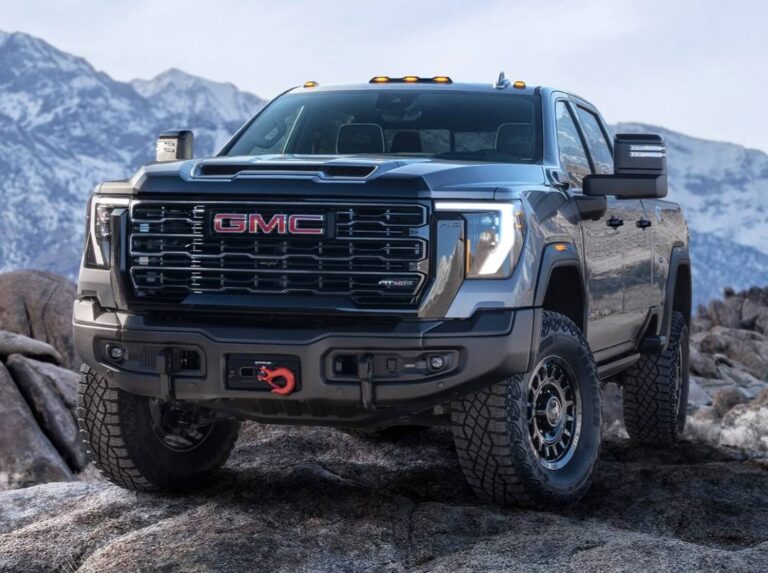
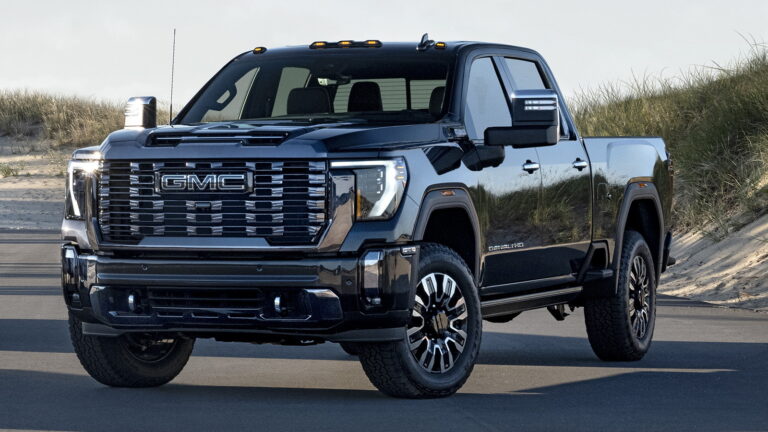
- Chevrolet Silverado 2500HD / GMC Sierra 2500HD: Features the powerful 6.6L Duramax turbo-diesel V8 paired with an Allison transmission, a proven combination for heavy hauling. The 6.6L gasoline V8 is also a strong performer.
Best One-Ton Trucks for Towing
- Ford F-350 Super Duty: For those needing the absolute most, the F-350 (and F-450 for extreme applications) with the High-Output 6.7L Power Stroke diesel is a towing beast, especially in dually configuration.
- Ram 3500 Heavy Duty: The Ram 3500, particularly with the High-Output Cummins diesel, offers class-leading torque and payload. The dually option pushes its capabilities to the extreme, making it suitable for the heaviest RVs.
- Chevrolet Silverado 3500HD / GMC Sierra 3500HD: The 3500HD models with the Duramax/Allison powertrain in dually configuration are formidable tow vehicles, known for their robust build and reliable performance with the heaviest loads.
Essential Towing Accessories and Upgrades
Even with the best truck, certain accessories can significantly enhance your towing experience, safety, and comfort.
- Weight Distribution Hitch (WDH) with Sway Control: Absolutely essential for most travel trailers over 3,000 lbs. A WDH distributes the trailer’s tongue weight more evenly across all axles of the tow vehicle and trailer, leveling the rig and improving steering and braking. Integrated sway control further mitigates dangerous trailer sway.
- Trailer Brake Controller: As mentioned, this is a non-negotiable item for any trailer with electric brakes. Ensure it’s properly calibrated for your specific trailer.
- Extended Tow Mirrors: Factory or aftermarket, these provide a much wider field of view, allowing you to see past your RV and monitor traffic in adjacent lanes, greatly enhancing safety.
- Airbags or Supplemental Suspension: Aftermarket airbags, Timbrens, or other suspension enhancements can help level the truck and provide additional support when carrying heavy loads or high tongue weights, preventing excessive squat.
- Trailer Tire Pressure Monitoring System (TPMS): While your truck has TPMS, a separate system for your trailer’s tires is highly recommended. Trailer tire failures are common and can be dangerous, making real-time monitoring invaluable.
- Backup Camera System for Trailer: If your truck’s system doesn’t offer a comprehensive view, an aftermarket camera on the rear of your RV can make backing up much easier and safer.
Common Mistakes to Avoid When Choosing a Tow Truck
Based on my years in the industry, I’ve observed several recurring errors that RVers make. Avoiding these can save you headaches, money, and potentially prevent dangerous situations.
- Underestimating Your RV’s Loaded Weight: Never use the "dry weight" for your calculations. Load your RV with everything you plan to take, including water, propane, and personal items, then weigh it. Many truck stops have public scales (CAT scales) that can provide accurate weights for your truck axles, trailer axles, and total rig.
- Ignoring Payload Capacity: This is the most common mistake. People focus on the huge "towing capacity" number and forget that the tongue/pin weight, plus all occupants and cargo in the truck, directly reduces their available payload. Always check the yellow sticker in your driver’s door jamb for your truck’s specific payload.
- Not Using a Weight Distribution Hitch (WDH) for Travel Trailers: For most travel trailers, a WDH is not just a recommendation; it’s a safety device. It restores lost steering and braking control and significantly reduces sway.
- Incorrect Tire Pressure: Both your truck’s tires and your trailer’s tires must be inflated to the correct pressure for towing. Underinflated tires can lead to excessive heat buildup, blowouts, and poor handling. Check your truck’s door jamb sticker and your RV’s side sticker for recommended towing pressures.
- Overlooking Maintenance: Your tow vehicle works hard. Regular maintenance, including oil changes, transmission fluid checks, brake inspections, and tire rotations, is crucial for its longevity and reliable performance.
- Rushing the Purchase: Take your time. Research your RV’s true loaded weight, understand all the truck’s weight ratings, and don’t be swayed by marketing numbers alone. Talk to experienced RVers and consult with reputable dealers.
Pre-Trip Checklist and Safe Towing Practices
Once you’ve chosen the perfect truck and RV combination, safe towing becomes about preparation and good habits.
-
Before Each Trip:
- Tires: Check tire pressure on both truck and RV. Inspect for wear, damage, or low tread.
- Fluids: Verify engine oil, transmission fluid, coolant, and brake fluid levels in your truck.
- Lights: Test all trailer lights (running, brake, turn signals).
- Brakes: Test trailer brakes using the manual lever on your brake controller.
- Hitch: Ensure the hitch connection is secure, safety chains are crossed and attached, and the breakaway cable is hooked up.
- Cargo: Secure all items inside the RV and truck. Distribute weight evenly in the RV.
- Mirrors: Adjust tow mirrors for optimal visibility.
-
While Driving:
- Increase Following Distance: You’ll need more time and distance to stop with an RV in tow.
- Anticipate: Look further ahead for potential hazards, hills, or turns.
- Slow Down: Adhere to posted speed limits for towing, which are often lower than regular limits. High speeds dramatically increase sway risk and fuel consumption.
- Wide Turns: Remember your trailer will cut corners. Make wider turns than usual.
- Monitor Gauges: Keep an eye on your truck’s engine temperature, transmission temperature, and oil pressure, especially on inclines.
- Take Breaks: Towing is fatiguing. Stop frequently to rest, stretch, and check your rig.
For further detailed information on towing safety and best practices, I highly recommend consulting resources from the National Highway Traffic Safety Administration (NHTSA). Their guidelines are invaluable for ensuring everyone’s safety on the road.
Conclusion: Your Journey to Confident RV Towing
Choosing the best truck to tow an RV is one of the most significant decisions you’ll make as an RVer. It’s a choice that impacts your safety, your enjoyment, and the longevity of your vehicles. By thoroughly understanding weight ratings, considering your RV type, prioritizing payload, and carefully evaluating engine and truck categories, you can confidently select a tow vehicle that’s perfectly matched to your needs.
Remember, the goal isn’t just to pull your RV; it’s to control it safely and comfortably under all conditions. Invest the time in research, don’t be afraid to ask questions, and always err on the side of caution. With the right truck and proper towing practices, the open road awaits, ready to deliver countless adventures. Happy trails!