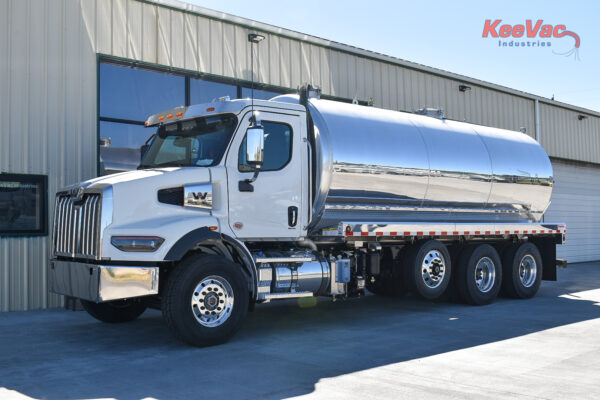
The Ultimate Guide to Mack Truck Batteries: Powering Your Rig for the Long Haul
The Ultimate Guide to Mack Truck Batteries: Powering Your Rig for the Long Haul Lmctruck.Guidemechanic.com
For every Mack truck owner and operator, the battery isn’t just a component; it’s the heart that breathes life into your mighty machine. Without a reliable battery, your heavy-duty rig is nothing more than an expensive paperweight. From firing up that powerful diesel engine on a frosty morning to running essential auxiliary systems, the performance of your Mack truck batteries is non-negotiable.
This comprehensive guide will dive deep into everything you need to know about these crucial power sources. We’ll cover types, specifications, maintenance, replacement, and expert tips to ensure your Mack truck stays on the road, delivering performance day in and day out. Our goal is to equip you with the knowledge to make informed decisions, extend battery life, and avoid costly downtime.
The Ultimate Guide to Mack Truck Batteries: Powering Your Rig for the Long Haul
Why Mack Truck Batteries Are Critical for Your Operation
Imagine being stranded on a remote job site or along a desolate highway, all because your battery failed. For commercial truck drivers, this scenario isn’t just an inconvenience; it’s a significant financial setback. Mack truck batteries are engineered to meet the demanding requirements of heavy-duty applications, far exceeding what a typical car battery can handle.
They must provide immense bursts of power to crank massive diesel engines, often in extreme temperatures. Beyond starting, these batteries also power a multitude of onboard electronics, lights, and auxiliary systems that keep drivers safe and productive. The sheer responsibility placed on these powerhouses underscores their vital importance.
Understanding the Different Types of Batteries for Mack Trucks
When it comes to powering your Mack truck, not all batteries are created equal. Knowing the differences between the main types will help you choose the best option for your specific needs and operational environment. Each type has its unique characteristics, advantages, and maintenance requirements.
1. Flooded Lead-Acid (Wet Cell) Batteries
Flooded lead-acid batteries are the most traditional and often the most economical choice for heavy-duty applications. Inside these batteries, lead plates are submerged in an electrolyte solution of sulfuric acid and distilled water. They are known for their robust starting power and proven reliability.
However, they require regular maintenance. Owners must periodically check and top off the electrolyte levels with distilled water to prevent damage to the plates. Over time, the water can evaporate, especially in hot conditions or during heavy charging.
Pros:
- Generally less expensive upfront.
- Excellent cold cranking power.
- Tolerant of overcharging to some extent.
Cons:
- Requires regular maintenance (checking water levels).
- Can leak corrosive acid if tipped or damaged.
- More susceptible to vibration damage than other types.
2. Absorbed Glass Mat (AGM) Batteries
AGM batteries represent a significant advancement in battery technology. In an AGM battery, the electrolyte is absorbed into special fiberglass mats that are sandwiched between the lead plates. This design makes them "maintenance-free" in the sense that you don’t need to add water.
AGM batteries are sealed, spill-proof, and highly resistant to vibration, which is a huge advantage in the rugged world of trucking. They also offer a lower self-discharge rate and perform exceptionally well in extreme temperatures. While they come with a higher initial cost, their longevity and reduced maintenance often justify the investment.
Pros:
- Maintenance-free (no water checks).
- Sealed, spill-proof, and can be mounted in various positions.
- Excellent vibration resistance.
- Faster recharging capabilities.
- Better performance in extreme cold and heat.
Cons:
- Higher initial cost.
- Sensitive to overcharging (requires a specific charging profile).
3. Gel Batteries (Less Common for Starting)
Gel batteries use a silica-based gel to suspend the electrolyte, making them completely sealed and spill-proof. While they are fantastic for deep-cycle applications, providing steady power over a long period, they typically don’t deliver the massive burst of starting power required by large diesel engines. For this reason, they are less commonly used as primary starting batteries in Mack trucks but might be found in specialized auxiliary power units (APUs) or recreational vehicles.
Pro Tips from Us:
- For pure starting power and budget-consciousness, flooded lead-acid batteries are a solid choice, provided you commit to regular maintenance.
- If you seek maximum reliability, reduced maintenance, and operate in harsh conditions, investing in high-quality AGM batteries for your Mack truck is highly recommended. Based on my experience, the reduced downtime and longer lifespan often outweigh the higher upfront cost.
Decoding Key Battery Specifications
Choosing the right battery isn’t just about picking a type; it’s also about understanding the technical specifications that dictate its performance. These numbers are critical to ensure compatibility and optimal operation for your heavy-duty vehicle. Mismatching specifications can lead to poor performance, shortened battery life, or even damage to your truck’s electrical system.
1. Cold Cranking Amps (CCA)
CCA is arguably the most crucial specification for a heavy-duty truck battery. It measures the battery’s ability to start an engine in cold temperatures. Specifically, it’s the number of amperes a 12-volt battery can deliver at 0°F (-18°C) for 30 seconds while maintaining at least 7.2 volts.
For Mack trucks, especially those operating in colder climates, a high CCA rating is essential to reliably turn over that large diesel engine. Skimping on CCA can leave you stranded when the mercury drops.
2. Cranking Amps (CA)
Similar to CCA, Cranking Amps (CA) measures the battery’s starting power at a slightly warmer temperature: 32°F (0°C). While a higher CA is good, CCA is generally a more critical indicator for heavy trucks, as cold starts are often the most challenging.
3. Reserve Capacity (RC)
Reserve Capacity indicates how long a fully charged battery can continuously supply 25 amperes of current at 80°F (27°C) before its voltage drops below 10.5 volts. This rating is important for powering auxiliary systems when the engine is off, such as cabin lights, radios, and other electronics. A higher RC means you have more reserve power for these conveniences.
4. Voltage
Most Mack trucks operate on a 12-volt electrical system, though some older or specialized configurations might use 24-volt systems (achieved by wiring two 12-volt batteries in series). Always confirm your truck’s required voltage to avoid severe electrical damage.
5. Group Size
Battery group size refers to the physical dimensions of the battery (length, width, height) and the type and location of its terminals. Mack trucks typically use specific group sizes, such as Group 31. It’s imperative to match the group size to ensure the battery fits properly in the battery tray and that the terminals align with the truck’s cables. An ill-fitting battery can vibrate excessively, leading to internal damage and premature failure.
Based on my experience: Always consult your Mack truck’s owner’s manual or a reputable parts dealer to confirm the exact CCA, RC, and group size recommendations. Installing an undersized battery to save a few dollars will almost always lead to premature failure and more expensive problems down the road.
Recognizing the Signs Your Mack Truck Battery Needs Attention
Ignoring early warning signs from your truck’s battery can lead to unexpected breakdowns and costly delays. Being proactive can save you a lot of headaches. Your battery will often give you subtle clues before it completely gives up.
Here are some common indicators that your heavy-duty truck batteries are nearing the end of their life or require immediate attention:
- Slow Engine Cranking: The most obvious sign. If your engine turns over sluggishly, especially on a cold morning, it’s a strong indicator that the battery isn’t delivering enough power.
- Dim Headlights or Interior Lights: If your lights appear dim when the engine is off, or even when it’s idling, it suggests the battery’s voltage is low.
- Frequent Jump Starts: Needing jump starts regularly is a clear red flag. A healthy battery should hold its charge and start the truck consistently.
- Corrosion Around Terminals: White or bluish powdery buildup around the battery terminals indicates a chemical reaction, often due to hydrogen gas escaping from the battery. This corrosion impedes the flow of electricity.
- Bulging or Swelling Battery Case: This is a severe sign of internal damage, often caused by overcharging or extreme heat. A bulging battery is dangerous and should be replaced immediately.
- Foul Odor: A rotten egg smell indicates that the battery is overheating and leaking sulfuric acid, which is hazardous.
- Battery Age: Most commercial truck batteries have a lifespan of 3-5 years, depending on usage and maintenance. If your battery is older than this, it’s wise to test it regularly.
Common mistakes to avoid are: continuously jump-starting a failing battery without investigating the root cause. This can put undue strain on your alternator and mask a deeper issue that will eventually leave you stranded.
A Comprehensive Battery Maintenance Guide for Mack Trucks
Proper maintenance is the single most effective way to extend the lifespan of your Mack truck batteries and ensure consistent reliability. Neglecting these simple steps can significantly reduce a battery’s performance and longevity, leading to premature failure.
Here’s a detailed guide to keeping your batteries in top shape:
1. Keep Batteries and Terminals Clean
- Routine Inspection: Regularly check the battery tops, terminals, and cables for dirt, grime, and corrosion. Dirt can create a conductive path, leading to self-discharge.
- Cleaning Corroded Terminals: If you spot corrosion (white or bluish powder), disconnect the battery (negative terminal first, then positive). Use a wire brush and a solution of baking soda and water to scrub away the buildup. Rinse with clean water and dry thoroughly.
- Protective Coating: After cleaning, apply a thin layer of dielectric grease or an anti-corrosion spray to the terminals and cable clamps to prevent future corrosion.
2. Check Electrolyte Levels (Flooded Lead-Acid Only)
- Safety First: Always wear safety glasses and gloves when working with flooded batteries, as sulfuric acid is corrosive.
- Procedure: Carefully remove the vent caps and inspect the electrolyte level. It should be above the lead plates.
- Topping Off: If low, add only distilled water until the level reaches the bottom of the fill tube or the designated fill line. Never use tap water, as its minerals can damage the battery. Do not overfill.
- Frequency: Check levels monthly, especially in hot weather or if the truck is frequently operated.
3. Regular Battery Testing
- Voltage Test: Use a voltmeter to check the battery’s resting voltage. A fully charged 12-volt battery should read around 12.6 volts or higher. Anything below 12.4 volts indicates a need for charging.
- Load Test: This is a more accurate test, typically performed by a professional, that simulates engine cranking. It measures the battery’s ability to hold voltage under a heavy load.
- Specific Gravity Test (Flooded Lead-Acid): Using a hydrometer, you can measure the specific gravity of the electrolyte in each cell. Consistent readings across all cells, within the recommended range, indicate a healthy battery. Discrepancies can signal a failing cell.
4. Proper Charging Practices
- Use the Right Charger: Always use a charger designed for heavy-duty truck batteries. For AGM batteries, ensure the charger has an AGM setting to prevent overcharging, which can severely damage them.
- Avoid Overcharging: Overcharging can cause excessive gassing, electrolyte loss, and internal heat buildup, shortening battery life.
- Avoid Undercharging: Consistently undercharging leads to sulfation, a buildup of lead sulfate crystals on the plates, which reduces capacity and starting power.
- Maintenance Chargers: If your truck is stored for extended periods, a "trickle charger" or "battery maintainer" can keep the batteries topped off without overcharging.
5. Secure Batteries Properly
- Prevent Vibration: Ensure batteries are securely fastened in their trays. Excessive vibration is a leading cause of internal battery damage and premature failure in commercial vehicles.
- Inspect Trays: Check battery trays for rust or damage that could compromise their stability.
Pro tips from us: Incorporate battery checks into your routine pre-trip inspections. A few minutes spent on maintenance can prevent hours of unexpected downtime on the road. For more general maintenance insights, you might find our article on very helpful.
The Battery Replacement Process: DIY or Professional?
Eventually, even the best-maintained batteries will need to be replaced. Understanding the process, whether you do it yourself or hire a professional, is crucial for a smooth transition. Safety is paramount when dealing with truck batteries.
Safety First: Non-Negotiable Precautions
- Personal Protective Equipment (PPE): Always wear safety glasses, acid-resistant gloves, and appropriate clothing to protect against splashes and electrical hazards.
- Ventilation: Work in a well-ventilated area to disperse hydrogen gas, which is highly flammable.
- No Sparks or Flames: Keep all ignition sources (cigarettes, open flames, sparks) away from the battery area.
- Tools: Use insulated wrenches to prevent accidental short circuits. Avoid leaning over the battery while working.
Step-by-Step Replacement Guide (DIY)
- Gather Tools: You’ll need a battery terminal wrench (often 1/2" or 13mm), a battery terminal cleaner, a battery puller (optional but helpful), and a new battery.
- Locate Batteries: Mack trucks often have batteries stored in side compartments.
- Disconnect Negative Cable First: Always disconnect the negative (-) cable first to prevent accidental short circuits. Use your wrench to loosen the nut, then remove the cable and tuck it away from the battery.
- Disconnect Positive Cable: Next, disconnect the positive (+) cable.
- Remove Hold-Down Clamps: Loosen and remove any clamps or straps securing the battery in its tray.
- Remove Old Battery: Carefully lift the old battery out. Remember, heavy-duty truck batteries are extremely heavy. Use proper lifting techniques or a battery puller.
- Clean Battery Tray and Cables: Before installing the new battery, clean the battery tray of any corrosion or debris. Use a wire brush to clean the battery cable terminals.
- Install New Battery: Place the new battery securely in the tray, ensuring it’s oriented correctly (positive and negative terminals match the cables).
- Secure Battery: Fasten the hold-down clamps tightly to prevent movement and vibration.
- Connect Positive Cable First: Connect the positive (+) cable to the positive terminal and tighten it securely.
- Connect Negative Cable Last: Connect the negative (-) cable to the negative terminal and tighten it.
- Apply Anti-Corrosion: Apply dielectric grease or anti-corrosion spray to the terminals.
- Test: Start the truck to ensure everything is working correctly.
Professional Installation vs. DIY
- DIY: Can save money on labor costs, but requires confidence, the right tools, and strict adherence to safety protocols. It’s suitable for those with mechanical aptitude.
- Professional: Recommended if you’re unsure, lack the proper tools, or if the battery location is particularly challenging. Professionals ensure correct installation and proper disposal of old batteries.
Recycling Old Batteries
Old batteries contain hazardous materials and must be recycled responsibly. Most auto parts stores and battery retailers offer free recycling services when you purchase a new battery. Never dispose of batteries in regular trash. For more information on battery recycling, you can refer to resources like the .
Choosing the Right Replacement Mack Truck Battery
Selecting the perfect replacement for your commercial truck batteries is a critical decision that impacts your truck’s performance and reliability. It’s not just about getting "a battery"; it’s about getting the right battery.
Here’s how to make an informed choice:
- Consult Your Owner’s Manual: This is your primary source of information. It will specify the recommended CCA, RC, and group size for your specific Mack truck model. Adhering to these recommendations is crucial.
- Match or Exceed Specifications:
- CCA: Always match or exceed the original equipment (OE) CCA rating. If you operate in extremely cold conditions, consider a battery with a higher CCA.
- RC: Match or exceed the OE Reserve Capacity, especially if your truck runs many auxiliary electronics or sits for periods with the engine off.
- Group Size: Ensure the new battery has the correct group size for a perfect physical fit and terminal alignment.
- Consider Your Driving Conditions:
- Cold Climates: Prioritize higher CCA ratings. AGM batteries perform exceptionally well in extreme cold.
- Frequent Stops/Starts: If your truck experiences frequent engine shutdowns and restarts, a battery designed for high cycle life might be beneficial.
- Heavy Electrical Loads: If you have numerous accessories (APUs, inverters, elaborate sound systems), a battery with good deep-cycle capabilities (like AGM) alongside strong starting power will be advantageous.
- Flooded vs. AGM: Re-evaluate your preference based on maintenance commitment, budget, and desired performance characteristics discussed earlier. While AGM batteries are more expensive, their benefits in terms of maintenance and durability are significant for commercial applications.
- Brand Reputation and Warranty: Opt for reputable battery brands known for quality and reliability in the heavy-duty sector. Check the warranty terms; a longer warranty often signifies the manufacturer’s confidence in their product.
Based on my experience: While it might be tempting to opt for the cheapest option, don’t skimp on quality when it comes to Mack truck batteries. A cheap, underperforming battery will likely fail prematurely, leading to more expensive roadside assistance calls and lost revenue. Invest in a quality battery that meets or exceeds your truck’s requirements.
Maximizing Your Mack Truck Battery Lifespan
Even after selecting and installing the perfect battery, its longevity largely depends on how you treat it. By adopting smart habits and consistent practices, you can significantly extend the life of your heavy-duty truck batteries, saving you money and preventing operational disruptions.
Here are key strategies to maximize battery lifespan:
- Regular Maintenance is Key: As detailed earlier, consistent cleaning, checking electrolyte levels (for flooded), and securing the battery against vibration are fundamental. These actions prevent common issues that shorten battery life.
- Proper Charging Habits: Avoid both overcharging and undercharging.
- Overcharging: Causes water loss and internal heat, damaging the plates. Ensure your charging system (alternator, charger) is working correctly.
- Undercharging: Leads to sulfation, where lead sulfate crystals harden on the plates, reducing capacity. If your truck often makes short trips, the alternator might not fully recharge the battery; consider supplemental charging.
- Avoid Deep Discharges: Truck batteries are primarily starting batteries, designed to deliver a large burst of power and then be immediately recharged by the alternator. Repeatedly draining them deeply (e.g., leaving lights on overnight) causes significant stress and drastically reduces their lifespan.
- Manage Temperature Extremes:
- Heat: Excessive heat accelerates the chemical reactions within the battery, causing corrosion and water loss. Park in shaded areas when possible.
- Cold: While batteries deliver less power in the cold, the main damage occurs during deep discharges in low temperatures. Ensure the battery is fully charged before cold snaps.
- Limit Accessory Use When Engine is Off: If you rely on inverters, microwaves, or other power-hungry accessories, consider investing in a dedicated auxiliary power unit (APU) or a separate deep-cycle battery bank to reduce the strain on your starting batteries.
- Regular Electrical System Checks: Have your truck’s charging system (alternator, voltage regulator) periodically checked by a qualified technician. A faulty alternator can either undercharge or overcharge your batteries, both of which are detrimental.
Common mistakes to avoid are: leaving accessories like headlights, interior lights, or the radio on when the engine is off for extended periods. This rapidly drains the battery, leading to deep discharges and accelerated wear. For more tips on general truck maintenance to prevent such issues, you can read our article on .
Troubleshooting Common Battery Issues
Even with the best maintenance, issues can arise. Knowing how to troubleshoot common battery problems can help you diagnose issues quickly and decide on the next course of action.
- Battery Won’t Hold a Charge:
- Check for Parasitic Draw: Something in the truck’s electrical system might be continuously drawing power even when everything is off. This requires specialized testing by a technician.
- Faulty Alternator: The alternator might not be charging the battery effectively. Test the alternator’s output voltage.
- Internal Battery Failure: The battery itself might be old or have an internal short, preventing it from holding a charge. A load test will confirm this.
- Corrosion Issues Persist:
- Overcharging: Persistent corrosion often indicates overcharging, leading to excessive gassing. Check your truck’s charging voltage.
- Loose Connections: Loose terminals can cause arcing and heat, leading to corrosion. Ensure all connections are tight.
- Battery Discharging Quickly:
- Deep Cycle Usage: If you’re using starting batteries for deep-cycle applications (powering accessories with the engine off), they will discharge quickly and wear out fast.
- High Electrical Load: Excessive use of high-draw accessories without the engine running.
- Truck Cranks but Won’t Start: This often indicates an issue beyond the battery, such as fuel delivery problems, glow plug issues (in diesel), or a starter motor fault. While the battery provides the power, other components might be preventing ignition.
Conclusion: Powering Your Mack’s Potential
The humble battery is anything but simple when it comes to the complex demands of a Mack truck. As an operator or owner, understanding your Mack truck batteries – their types, specifications, proper maintenance, and replacement strategies – is fundamental to ensuring the unwavering reliability and efficiency of your rig.
By implementing the expert tips and detailed guidance provided in this article, you’re not just buying a battery; you’re investing in uninterrupted service, reduced downtime, and the peace of mind that comes from knowing your powerful Mack is always ready for the long haul. Prioritize regular checks, choose quality replacements, and maintain diligently to keep your truck’s heart beating strong, mile after mile.