The Ultimate Guide to Finding the Best Junk Hauling Trucks For Sale
The Ultimate Guide to Finding the Best Junk Hauling Trucks For Sale Lmctruck.Guidemechanic.com
Embarking on a junk removal venture or expanding an existing one? The backbone of your operation, without a doubt, is your truck. Finding the right junk hauling trucks for sale isn’t just about buying a vehicle; it’s an investment in your business’s efficiency, profitability, and reputation. A well-chosen truck can streamline your operations, enhance safety, and ultimately, help you serve more customers with ease.
This comprehensive guide is designed to be your definitive resource, whether you’re a seasoned professional or just starting. We’ll delve deep into everything you need to know, from the types of trucks available to crucial features, buying tips, financing options, and much more. Our goal is to equip you with the knowledge to make an informed decision, ensuring your next junk hauling truck purchase is a resounding success.
The Ultimate Guide to Finding the Best Junk Hauling Trucks For Sale
Why the Right Junk Hauling Truck is Non-Negotiable
In the demanding world of junk removal, your truck is more than just transportation; it’s your primary tool. It dictates what you can haul, how quickly you can do it, and how safely your team operates. Skimping on this crucial asset can lead to frequent breakdowns, limited job capabilities, and even legal liabilities.
Investing in the right vehicle from the outset ensures you can handle diverse jobs, from bulky furniture and appliances to construction debris and yard waste. It projects a professional image, instills confidence in your clients, and ultimately contributes to the long-term success and scalability of your business. Your truck is, in essence, a mobile billboard and the engine of your service delivery.
Decoding the Landscape: Types of Junk Hauling Trucks For Sale
The market for junk hauling trucks for sale offers a diverse range of options, each with specific advantages and ideal applications. Understanding these differences is crucial for matching the vehicle to your business needs.
1. Pickup Trucks with Hauling Beds or Trailers
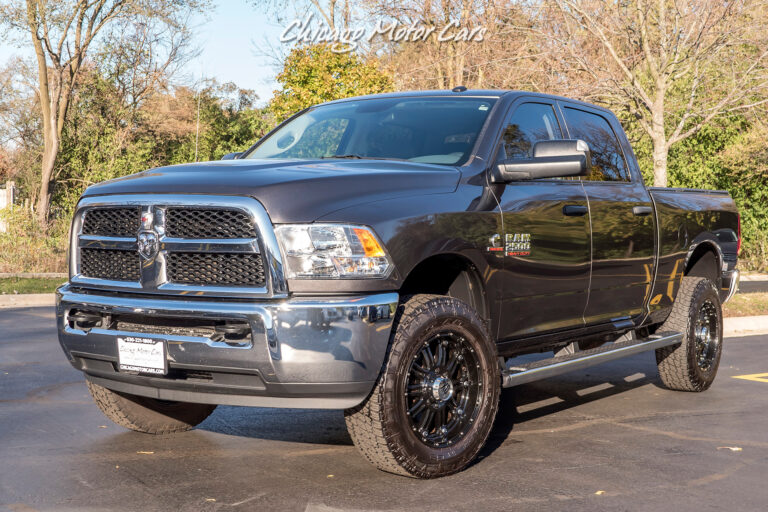
Often the entry point for many new junk removal businesses, a heavy-duty pickup truck (like a Ford F-250/350, Ram 2500/3500, or Chevy Silverado 2500/3500) combined with a robust utility trailer is a versatile option. This setup allows for good maneuverability in residential areas and can handle a surprising amount of bulk. The trailer provides flexibility, allowing you to detach it for smaller jobs or use the truck bed independently.
However, loading can be a challenge due to trailer height, and capacity might be limited for very large jobs. Trailer maintenance and maneuvering also add an extra layer of complexity. This option is generally more budget-friendly initially but requires careful consideration of weight distribution and towing capacity.
2. Dump Trucks (Light-Duty to Medium-Duty)
When most people think of commercial junk trucks, a dump truck often comes to mind. These vehicles are purpose-built for hauling and offloading heavy, bulky materials. Light-duty dump trucks, often based on commercial pickup chassis, are excellent for residential and light commercial junk removal, offering a practical balance of capacity and maneuverability. Medium-duty dump trucks, on the other hand, provide significantly more payload and are ideal for larger-scale operations, construction debris, and commercial cleanouts.
The hydraulic lift system of a dump truck is its greatest asset, dramatically reducing the physical labor and time required for unloading. This feature alone can significantly boost operational efficiency. However, dump trucks are generally more expensive to purchase and maintain, and their larger size can be a hindrance in tight urban spaces.
3. Box Trucks / Cube Vans (with Modifications)
While not traditionally designed for debris hauling, a box truck or cube van can be effectively converted into a junk removal business truck. These enclosed vehicles offer security for items being transported and can be fitted with custom shelving or containment systems. Their flat loading floors, often accessible via a ramp or lift gate, make loading furniture and appliances relatively easy.
The enclosed nature means protection from the elements, which can be a plus for certain types of junk. However, they lack the hydraulic dumping capability, meaning all items must be unloaded manually. This can be time-consuming and labor-intensive, especially for heavy or loose debris. Some operators install custom dump beds within the box, but this is a significant modification.
4. Roll-Off Trucks
For businesses handling extremely large volumes of waste, construction and demolition debris, or those offering dumpster rental services, a roll-off truck is the ultimate solution. These specialized junk hauling trucks for sale are designed to transport and deploy large, open-top dumpsters (roll-off containers) directly at the customer’s site. Once filled, the truck returns to pick up the container and transport it to a disposal facility.
Roll-off trucks represent a substantial investment and require specific permits and operational expertise. They are not typically suitable for everyday residential junk removal due to their size and the logistical requirements of container placement. However, for large-scale operations, they offer unparalleled capacity and flexibility.
5. Specialized Junk Hauling Vehicles
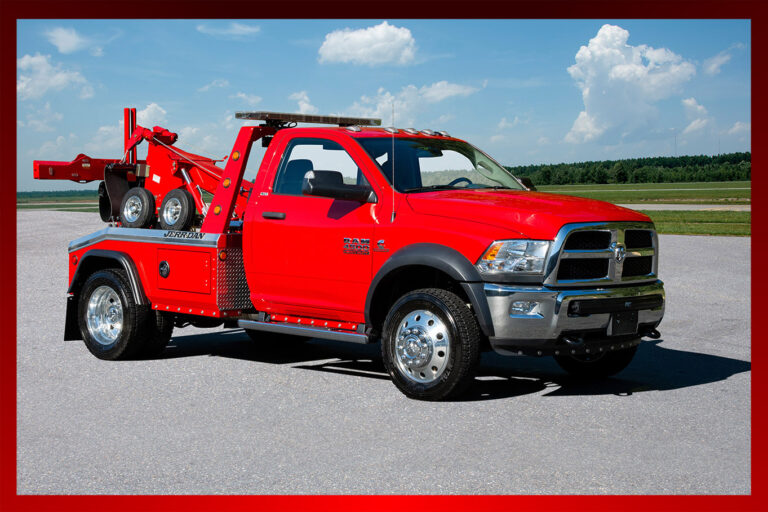
Beyond these main categories, some manufacturers offer highly specialized junk hauling trucks for sale designed specifically for the industry. These might include vehicles with integrated compactors, specialized grapple attachments for bulky items, or custom beds with built-in sorting compartments. These are often built to order and cater to very specific operational needs, offering maximum efficiency for unique business models.
Based on my experience, for most burgeoning junk removal businesses, a medium-duty dump truck or a heavy-duty pickup with a dedicated dump trailer offers the best balance of capability, cost, and versatility. This combination allows you to tackle a wide range of jobs without the massive upfront investment of a roll-off system.
Crucial Features to Look For When Buying Junk Hauling Trucks
When sifting through junk hauling trucks for sale, focusing on specific features can make all the difference in your long-term satisfaction and operational success. Don’t just look at the price tag; consider the vehicle’s functional capabilities.
1. Payload Capacity
This is arguably the most critical factor. Payload capacity refers to the maximum weight your truck can safely carry, including the weight of your crew, fuel, tools, and the junk itself. Overloading a truck is incredibly dangerous, illegal, and can lead to costly mechanical failures. Always check the Gross Vehicle Weight Rating (GVWR) and ensure the truck’s payload capacity aligns with the typical weight of the junk you anticipate hauling. For heavy items like concrete, dirt, or construction debris, you’ll need a much higher capacity than for furniture or brush.
2. Engine and Drivetrain
The engine is the heart of your commercial junk truck. You need sufficient horsepower and torque to handle heavy loads, especially if you operate in hilly terrain or need to tow a trailer. Diesel engines are often preferred for their durability, fuel efficiency under load, and higher torque output, though they typically have higher maintenance costs. Consider the transmission type as well; an automatic transmission offers ease of driving, while a manual might provide more control for experienced drivers. A robust drivetrain (e.g., heavy-duty axles, appropriate gear ratios) is essential for longevity when consistently hauling heavy loads.
3. Bed Material and Construction (Durability)
The bed of your junk hauling truck will endure significant abuse. Look for beds constructed from heavy-gauge steel, as it offers superior resistance to dents, punctures, and rust compared to aluminum. A reinforced floor and sidewalls are essential for standing up to sharp objects, heavy drops, and corrosive materials. Some beds come with liners or protective coatings, which can extend their lifespan. The quality of welds and overall construction will dictate how well the bed withstands years of heavy-duty use.
4. Hydraulics (for Dump Beds)
If you’re considering a dump truck, pay close attention to the hydraulic system. A strong, reliable hydraulic pump and cylinder are vital for smooth, efficient, and safe dumping operations. Check for leaks, rust, or any signs of sluggishness. A robust hydraulic system minimizes downtime and reduces the physical strain on your crew. The angle of the dump is also important; a steeper dump angle ensures complete material evacuation, even with sticky loads.
5. Safety Features
Safety should always be a top priority. Look for trucks with modern braking systems (ABS), good visibility (large mirrors, backup cameras are a huge plus), and proper lighting. Depending on your operational areas, features like blind-spot monitoring or collision avoidance systems can be invaluable. A well-maintained suspension system also contributes to stability and safety, especially when the truck is fully loaded. Don’t overlook the importance of seatbelts and airbags for your crew.
6. Maneuverability
While larger trucks offer greater capacity, they can be challenging to navigate in residential neighborhoods or tight commercial spaces. Consider the truck’s turning radius and overall footprint. A shorter wheelbase can significantly improve maneuverability. This factor directly impacts your efficiency and ability to access all types of job sites.
7. Fuel Efficiency
Operating a fleet of junk removal business trucks can incur substantial fuel costs. While heavy-duty trucks are not known for being exceptionally fuel-efficient, comparing models and engine types can yield significant savings over time. Diesel engines, while having higher upfront costs, often offer better mileage under load than gasoline engines, particularly for constant heavy hauling.
8. Maintenance History (for Used Trucks)
This is paramount for used vehicles. A comprehensive maintenance record indicates how well the truck has been cared for. Look for evidence of regular oil changes, transmission services, brake replacements, and other routine maintenance. A truck with a spotty history is a red flag, potentially signaling hidden problems and future costly repairs. Pro tips from us: Always request maintenance records and consider a pre-purchase inspection by an independent mechanic.
New vs. Used: Making the Smart Choice for Junk Hauling Trucks
The decision to buy a new or used junk hauling truck for sale involves weighing several factors, primarily cost, reliability, and depreciation. Both options have distinct advantages and disadvantages.
The Appeal of New Junk Hauling Trucks
Pros:
- Reliability: New trucks come with a factory warranty, offering peace of mind against unexpected repairs. They are built with the latest technology and materials, reducing the likelihood of immediate mechanical issues.
- Customization: You can spec out a new truck exactly to your business needs, choosing engine size, transmission, bed type, and specific features.
- Image: A brand-new truck projects a professional and modern image, which can attract customers and build trust.
- Fuel Efficiency: Newer models often feature more fuel-efficient engines and advanced aerodynamic designs.
Cons:
- Cost: The upfront cost of a new truck is significantly higher, requiring a larger initial investment or higher monthly payments.
- Depreciation: New vehicles depreciate rapidly, especially in the first few years.
The Practicality of Used Junk Hauling Trucks
Pros:
- Cost Savings: Used trucks are considerably more affordable, making them an excellent option for startups or businesses on a tighter budget. This allows you to allocate more capital to other essential business areas.
- Slower Depreciation: The bulk of depreciation has already occurred, meaning your investment retains its value better over time.
- Proven Track Record: For certain models, a used truck allows you to research common issues and reliability, giving you insight into its long-term performance.
Cons:
- Reliability Concerns: Without a warranty, you bear the risk of unexpected repairs. The truck’s history, if not thoroughly checked, can hide costly problems.
- Limited Customization: You’re largely limited to what’s available on the market, though some modifications can be made post-purchase.
- Wear and Tear: Used trucks will have varying degrees of wear and tear, which can impact their lifespan and require more immediate maintenance.
Pro tips from us: When considering used junk hauling trucks, always perform a thorough inspection. This includes checking the frame for cracks or rust, examining the engine for leaks, testing the hydraulics, and inspecting the tires and brakes. Get a vehicle history report (like CarFax or AutoCheck) and, most importantly, have a trusted, independent mechanic conduct a pre-purchase inspection. Common mistakes to avoid are buying "as-is" without a proper inspection or neglecting to check critical components like the transmission and differential.
Where to Find Reputable Junk Hauling Trucks For Sale
Once you’ve decided on new or used, knowing where to look for junk hauling trucks for sale is the next step. Different sources offer varying selections, pricing, and buying experiences.
1. Commercial Truck Dealerships (New & Used)
New commercial junk trucks are primarily found at authorized dealerships for brands like Ford, Ram, Chevrolet, Isuzu, Hino, and Freightliner. These dealerships offer financing options, warranties, and often have service centers. They also typically have a selection of certified pre-owned commercial vehicles.
Pros: Wide selection of new models, warranty support, financing, expert sales staff.
Cons: Higher prices, potential for sales pressure.
2. Online Marketplaces & Specialized Platforms
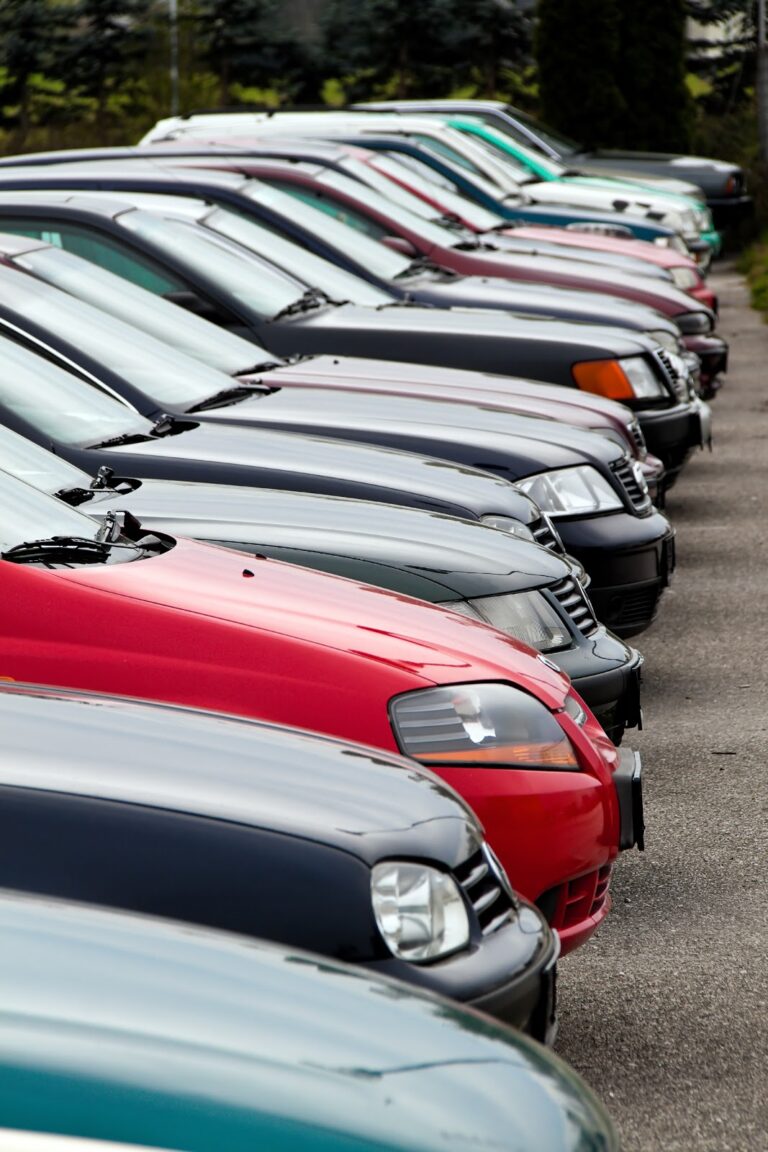
The internet has revolutionized the truck buying process. Websites like Commercial Truck Trader, TruckPaper, eBay Motors, and even Craigslist (with caution) are excellent resources for finding used junk hauling trucks. These platforms connect buyers directly with sellers, including private individuals, small dealerships, and large fleet operators.
Pros: Vast selection, ability to compare prices easily, often find unique or specialized vehicles.
Cons: Can be overwhelming, need to verify seller credibility, requires more due diligence on the buyer’s part.
3. Auctions (Government, Private, and Public)
Auctions can be a goldmine for finding junk hauling trucks for sale at competitive prices. Government auctions often feature retired municipal or state vehicles, which are typically well-maintained but might have high mileage. Private and public auctions (online and in-person) offer a wide range of commercial vehicles from various sources.
Pros: Potential for significant savings, quick buying process.
Cons: "As-is" sales mean no warranties, limited inspection time, competitive bidding can drive prices up, requires experience to spot a good deal.
4. Private Sellers
Directly buying from a private seller can sometimes lead to the best deals, as there’s no dealership markup. You might find listings on local classifieds, social media groups, or online marketplaces.
Pros: Often lower prices, direct negotiation, opportunity to get detailed history from the previous owner.
Cons: No warranty, limited recourse if problems arise, requires thorough personal inspection and verification.
Pro tips from us: When using online marketplaces, be wary of deals that seem too good to be true. Always insist on seeing the truck in person, conducting a test drive, and getting that crucial pre-purchase inspection. For auctions, understand the terms and conditions thoroughly before bidding.
Financing Your Junk Hauling Truck: Options and Considerations
Acquiring junk hauling trucks for sale often requires significant capital. Understanding your financing options is crucial for managing cash flow and making a sustainable investment.
1. Traditional Bank Loans
Commercial vehicle loans from banks or credit unions are a common choice. They typically offer competitive interest rates and flexible terms. You’ll need a solid business plan, good credit history (personal and business), and potentially a down payment.
2. Dealership Financing
Many commercial truck dealerships offer in-house financing or work with a network of lenders. This can be convenient, often providing quick approval, but interest rates might be slightly higher than traditional banks.
3. Equipment Leasing
Leasing allows you to use a truck for a set period (e.g., 3-5 years) by paying monthly fees, without outright ownership. At the end of the lease, you can return the truck, purchase it, or lease a newer model. This can be beneficial for businesses that want to frequently upgrade their fleet or have tax advantages related to expensing lease payments.
4. SBA Loans
The Small Business Administration (SBA) offers various loan programs that can be used for equipment purchases, including trucks. These loans are often partially guaranteed by the government, making it easier for small businesses to qualify for favorable terms.
Pro tips from us: Always shop around for financing. Get quotes from multiple lenders to compare interest rates, terms, and fees. Understand the total cost of the loan, including any origination fees or prepayment penalties. Ensure the monthly payments are manageable within your business’s projected cash flow.
Beyond the Purchase: Operational Considerations for Your Junk Hauling Truck
Buying the truck is just the beginning. To ensure its longevity and your business’s legal compliance, several operational factors need careful attention.
1. Insurance Requirements
Commercial auto insurance is mandatory and significantly different from personal vehicle insurance. You’ll need liability coverage, collision, comprehensive, and potentially specific endorsements for cargo or environmental risks. The cost will vary based on the truck’s value, your driving record, and the scope of your operations. Common mistakes to avoid are underinsuring your vehicle or failing to update your policy as your business grows.
2. Licensing & Regulations
Operating a commercial junk truck involves specific licensing and regulatory requirements. Depending on your truck’s GVWR, you might need a Commercial Driver’s License (CDL). Additionally, you’ll need to comply with Department of Transportation (DOT) regulations, which include vehicle inspections, driver hours of service, and proper load securement. Research local, state, and federal regulations applicable to your specific operations.
3. Maintenance & Longevity
Regular and proactive maintenance is key to extending the life of your junk removal business truck and avoiding costly breakdowns. This includes routine oil changes, tire rotations, brake inspections, fluid checks, and hydraulic system maintenance. Establish a maintenance schedule and stick to it. Keeping detailed service records will not only help track expenses but also boost resale value.
4. Customizations & Upgrades
While some trucks come ready, many operators customize their vehicles for improved efficiency and safety. This might include adding toolboxes, custom side extensions for more capacity, tarps and tie-downs for load securement, or even advanced GPS tracking systems. These upgrades, while an additional expense, can significantly enhance your operational capabilities and crew safety.
Pro Tips for Your Junk Hauling Business
Based on my experience in the industry, here are some actionable tips to maximize your investment in junk hauling trucks for sale and ensure your business thrives:
- Start Small, Scale Up: Don’t overcommit to the largest, most expensive truck right away. Begin with a reliable, appropriately sized vehicle, prove your business model, and then invest in larger or additional trucks as your client base and revenue grow.
- Focus on Safety: Implement strict safety protocols for loading, driving, and unloading. Provide your team with proper safety gear. A safe operation protects your crew, your equipment, and your business reputation.
- Customer Service is Key: A great truck gets you to the job, but exceptional customer service brings repeat business and referrals. Be punctual, polite, efficient, and always go the extra mile.
- Strategic Marketing: Even the best truck won’t find customers on its own. Invest in effective marketing, both online (SEO, local listings, social media) and offline (truck branding, flyers, local partnerships). Your truck itself is a rolling advertisement!
If you’re looking for more advice on getting started, check out our guide on . And for maintaining your fleet, you might find value in our article on .
Conclusion: Driving Your Success with the Right Junk Hauling Truck
The journey to finding the perfect junk hauling trucks for sale is a significant undertaking, but one that directly impacts the trajectory of your business. By thoroughly understanding the types of vehicles available, scrutinizing essential features, carefully weighing new versus used options, and securing appropriate financing, you lay a strong foundation for success.
Remember, your truck is more than just a piece of machinery; it’s a critical asset that drives your operations, supports your team, and represents your brand. Invest wisely, maintain diligently, and operate safely, and your chosen junk hauling truck will undoubtedly be a cornerstone of your thriving junk removal enterprise for years to come.
For further information on commercial vehicle regulations and safety standards, you can consult trusted external resources like the Federal Motor Carrier Safety Administration (FMCSA) website (www.fmcsa.dot.gov).