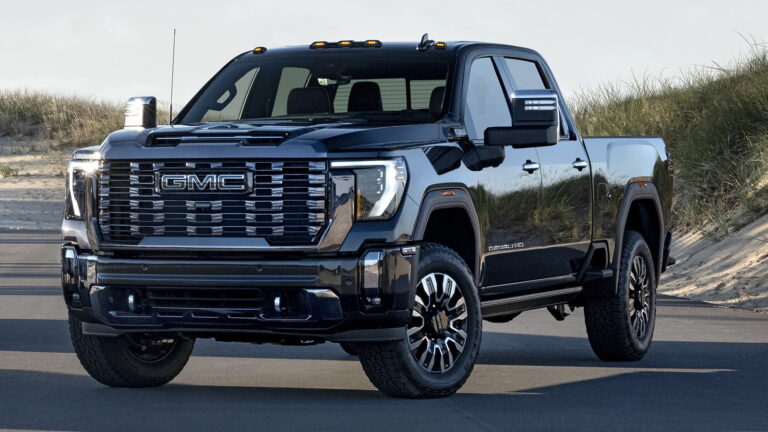
From Engine to Axle: A Comprehensive Guide to the Names and Functions of Every Truck Part
From Engine to Axle: A Comprehensive Guide to the Names and Functions of Every Truck Part Lmctruck.Guidemechanic.com
Trucks are the unsung heroes of our roads, facilitating everything from daily commutes and family adventures to critical logistics and heavy-duty construction. Whether you own a robust pickup, a versatile commercial vehicle, or are simply fascinated by these mechanical marvels, understanding their intricate anatomy is incredibly valuable. It empowers you to perform basic maintenance, troubleshoot issues, and appreciate the engineering prowess behind these powerful machines.
As an expert blogger and professional SEO content writer with a deep passion for automotive mechanics, I’ve spent countless hours dissecting the various components that make trucks so reliable and functional. This article aims to be your definitive guide, a pillar content piece that breaks down the complex world of truck parts into easily digestible information. We’ll delve into every major system, explaining not just the names but also the crucial roles each part plays.
From Engine to Axle: A Comprehensive Guide to the Names and Functions of Every Truck Part
Based on my extensive experience, a clear understanding of your truck’s components is the first step towards responsible ownership and maximizing its lifespan. So, buckle up as we embark on a detailed journey through the heart and soul of a truck, ensuring you gain real value and practical knowledge.
The Foundation: Chassis and Frame – The Backbone of Every Truck
Every truck, regardless of its size or purpose, relies on a robust chassis and frame to provide its structural integrity. Think of this as the skeleton, upon which all other components are mounted. Without a strong foundation, the truck simply couldn’t withstand the immense forces it encounters daily.
Frame Rails
These are the primary longitudinal beams that run the length of the truck, typically made from high-strength steel. Frame rails bear the entire weight of the vehicle, its cargo, and any towed load. Their design is crucial for handling stress, twisting forces, and impacts.
Based on my observations, the quality and design of frame rails vary significantly between light-duty pickups and heavy-duty commercial trucks, reflecting their intended load capacities and operational environments. A well-maintained frame is essential for the truck’s longevity and safety.
Crossmembers
Connecting the two frame rails laterally are crossmembers. These components add rigidity to the frame, preventing it from flexing excessively under load or during turns. They also provide mounting points for various drivetrain and suspension components.
Pro tips from us: Always inspect crossmembers for signs of rust or damage, especially if you drive off-road or in areas with harsh weather. Compromised crossmembers can severely affect the truck’s structural integrity and handling.
Axles (Front and Rear)
Axles are crucial shafts that connect to the wheels, allowing them to rotate and transmit power. The front axle typically supports the steering wheels, while the rear axle (or axles, in multi-axle trucks) transmits power from the differential to the drive wheels.
Axles are engineered to withstand massive loads and torque, making them vital for both mobility and load-bearing capacity. Common mistakes to avoid are overloading your truck beyond its rated axle capacity, as this can lead to premature wear or catastrophic failure.
Driveshaft (Propeller Shaft)
The driveshaft is a rotating tube that transmits power from the transmission to the differential, typically found in rear-wheel-drive or four-wheel-drive trucks. It’s designed to handle high rotational speeds and torque.
Many driveshafts feature universal joints (U-joints) at each end, allowing for angular changes as the suspension moves. Maintaining these U-joints is critical; worn U-joints can cause vibrations and eventually fail, leaving your truck stranded.
The Heartbeat: Engine and Drivetrain – Powering Your Journey
The engine is undeniably the heart of any truck, generating the power needed for propulsion. The drivetrain then takes this power and efficiently delivers it to the wheels. This intricate system is a marvel of mechanical engineering.
Engine Block
The engine block is the main structural component of the engine, usually cast from iron or aluminum. It houses the cylinders, pistons, and crankshaft, forming the foundation of the combustion process.
Its robust construction is essential to contain the intense pressures and temperatures generated during engine operation. Proper cooling and lubrication are vital for the engine block’s longevity.
Cylinders and Pistons
Within the engine block, cylinders are precision-machined bores where pistons move up and down. Pistons convert the force of combustion into mechanical energy by pushing down on the crankshaft.
The number of cylinders (e.g., V6, V8, inline-4) significantly influences a truck’s power output and fuel efficiency. Each piston is sealed with rings to prevent combustion gases from escaping and oil from entering the combustion chamber.
Crankshaft and Camshaft
The crankshaft is a large shaft that converts the vertical (reciprocating) motion of the pistons into rotational motion, which then drives the transmission. It’s a heavily stressed component, requiring precise balancing.
The camshaft, on the other hand, is responsible for operating the intake and exhaust valves in synchronization with the crankshaft. This ensures the timely opening and closing of valves for air intake and exhaust gas expulsion.
Turbocharger or Supercharger (Optional)
Many modern truck engines utilize a turbocharger or supercharger to boost power output. These devices force more air into the engine’s cylinders, allowing for more fuel to be burned and thus generating more power.
Turbochargers use exhaust gases to spin a turbine, while superchargers are belt-driven directly by the engine. Both technologies significantly enhance performance and efficiency, especially in heavy-duty applications.
Transmission
The transmission is a gear-driven mechanism that transfers power from the engine to the driveshaft. It allows the driver to select different gear ratios, matching engine speed and torque to the vehicle’s speed and load requirements.
Trucks come with various transmission types, including manual (requiring a clutch), automatic, and continuously variable transmissions (CVT). Each offers a different driving experience and set of operational advantages.
Clutch (Manual Transmission)
For trucks equipped with a manual transmission, the clutch is a critical component that disengages the engine from the transmission. This allows the driver to shift gears smoothly without grinding them.
Based on my experience, proper clutch usage is key to its lifespan. Riding the clutch or abrupt engagement can lead to premature wear, necessitating costly replacements.
Torque Converter (Automatic Transmission)
In automatic transmissions, the torque converter serves a similar purpose to a clutch, but it uses hydraulic fluid to transmit power. It allows the engine to spin while the wheels are stationary (e.g., at a stoplight) without stalling.
The torque converter also multiplies engine torque at lower speeds, aiding in initial acceleration. It’s a complex component that plays a vital role in the smooth operation of automatic trucks.
Differential
The differential is a clever gear assembly located in the drive axle(s) that allows the left and right wheels to rotate at different speeds while turning. Without a differential, the wheels would drag and bind during turns, leading to poor handling and tire wear.
It’s an essential part of the drivetrain, ensuring smooth and controlled power delivery to the drive wheels. Many heavy-duty trucks also feature locking differentials for enhanced traction in challenging conditions.
For a deeper dive into maintaining your truck’s engine, explore our guide on .
Command Center: The Cab and Interior – Your Workspace and Comfort Zone
The cab is more than just a place to sit; it’s the driver’s command center, safety cell, and often a mobile office or living space. Ergonomics, safety, and comfort are paramount in its design.
Dashboard and Instrument Panel
The dashboard houses the instrument cluster, which provides critical information such as speed, engine RPM, fuel level, and warning lights. It also integrates controls for various vehicle functions like lighting, wipers, and climate control.
Modern dashboards are increasingly digital, offering customizable displays and advanced connectivity features. A well-designed dashboard puts essential information and controls within easy reach.
Steering Wheel
The steering wheel is the primary interface for controlling the truck’s direction. It connects to the steering system, translating the driver’s input into wheel movement. Many modern steering wheels also feature integrated controls for audio, cruise control, and infotainment.
Proper grip and positioning of the steering wheel are crucial for safe and responsive driving.
Seats
Truck seats are designed for comfort and support, especially during long drives. They often feature multiple adjustments, lumbar support, and sometimes even heating, cooling, or massage functions to reduce driver fatigue.
In heavy-duty trucks, air-ride seats are common, providing a smoother ride by isolating the driver from road vibrations. Investing in a good seat can significantly improve driving experience and health.
Pedals (Accelerator, Brake, Clutch)
These are the primary input devices for controlling the truck’s speed and stopping. The accelerator (gas pedal) controls engine speed, the brake pedal activates the braking system, and the clutch pedal (in manual transmissions) disengages the engine from the transmission.
Their placement and feel are critical for intuitive and safe operation.
HVAC System (Heating, Ventilation, Air Conditioning)
The HVAC system maintains a comfortable cabin temperature and ensures good air quality. It heats, cools, filters, and circulates air, which is essential for driver comfort and alertness, especially in extreme weather conditions.
Regular maintenance of the HVAC system, including filter changes, prevents unpleasant odors and ensures efficient operation.
Infotainment System
Modern trucks often feature sophisticated infotainment systems that integrate navigation, audio, communication, and connectivity features. These systems typically include a touchscreen display, Bluetooth connectivity, and smartphone integration (Apple CarPlay, Android Auto).
While enhancing convenience, it’s crucial to use these systems responsibly to avoid driver distraction.
The Outer Shell: Exterior and Body Components – Protection and Aesthetics
The exterior components define a truck’s appearance, aerodynamics, and provide vital protection to its internal systems and occupants. From the cab to the cargo bed, each part has a specific function.
Cab
The cab is the enclosed compartment where the driver and passengers sit. It’s designed for safety, comfort, and visibility. Depending on the truck type, cabs can range from single-row standard cabs to spacious crew cabs with multiple rows of seating.
Its robust construction, often incorporating high-strength steel, is critical for occupant protection in the event of a collision.
Hood (Bonnet)
The hood covers the engine compartment, protecting the engine and other vital components from the elements and debris. It also plays a role in aerodynamics and noise reduction.
Most hoods can be opened for access to the engine for maintenance and inspections. Always ensure the hood latch is secure before driving.
Fenders
Fenders are body panels located over the wheels, designed to prevent mud, rocks, and other road debris from being flung up by the tires. They protect the truck’s body and other vehicles from projectiles.
Fenders are often made from steel, aluminum, or composite materials. Damage to fenders can impact aerodynamics and protection.
Doors
Truck doors provide entry and exit to the cab. They incorporate windows, door locks, and often power mirror controls and speaker systems. Modern truck doors are engineered for safety, featuring reinforced beams to protect occupants in side impacts.
Ensuring door seals are intact helps with cabin quietness and weather protection.
Grille
The front grille is a distinctive design element that also serves a functional purpose: allowing airflow to the radiator and other cooling components. It protects the radiator from debris while ensuring adequate cooling for the engine.
Different grille designs are often characteristic of specific truck manufacturers and models.
Headlights, Taillights, and Turn Signals
These lights are essential for visibility and communication on the road. Headlights illuminate the path ahead, taillights indicate the truck’s presence from the rear, and turn signals communicate intended lane changes or turns.
Pro tips from us: Always ensure all your truck’s lights are functioning correctly. Dim or non-operational lights are a common cause of accidents and traffic citations.
Mirrors (Side and Rearview)
Mirrors provide crucial visibility around the truck, allowing the driver to monitor traffic, blind spots, and cargo. Side mirrors are often power-adjustable, heated, and may include integrated turn signals or blind-spot monitoring systems.
Proper adjustment of mirrors is vital for safe driving and maneuvering, especially with large trucks or trailers.
Truck Bed / Cargo Box (Pickup Trucks)
For pickup trucks, the truck bed (or cargo box) is the open area behind the cab designed for carrying cargo. It features sidewalls and a tailgate for easy loading and unloading.
Many truck beds come with tie-down points, bed liners, and optional covers or caps to secure and protect cargo.
Fifth Wheel Coupling (Semi-trucks)
In semi-trucks, the fifth wheel is a heavy-duty coupling device located on the truck’s chassis that connects to and supports a semi-trailer. It allows the trailer to pivot freely during turns while securely attaching it to the tractor unit.
This critical component is engineered for immense loads and constant stress, requiring regular inspection and lubrication.
Smooth Ride and Control: Suspension and Steering – Navigating the Road
The suspension system is what keeps your truck’s wheels in contact with the road, absorbs shocks, and provides a comfortable ride. The steering system, in turn, allows you to precisely control the truck’s direction.
Shocks and Struts
Shocks (shock absorbers) and struts are hydraulic or gas-filled components that dampen the oscillations of the springs. They prevent the truck from bouncing excessively after hitting bumps, ensuring tire contact with the road.
Struts combine the shock absorber and a spring into a single unit, commonly found on the front suspension of many trucks. Worn shocks or struts can lead to a bouncy ride and reduced handling control.
Springs (Coil, Leaf, Air)
Springs support the weight of the truck and absorb vertical impacts from the road.
- Coil springs are helical springs often found in the front suspension of pickups and SUVs.
- Leaf springs consist of several curved metal plates stacked together, commonly used in the rear suspension of trucks due to their high load-bearing capacity.
- Air springs (air bags) use compressed air to support the load, offering adjustable ride height and superior ride quality, especially in heavy-duty and luxury trucks.
Considering an upgrade? Learn more about enhancing your vehicle’s ride in our article on .
Control Arms
Control arms are links that connect the wheel hub assembly to the truck’s frame, allowing for vertical movement of the wheels while maintaining proper alignment. They are typically equipped with bushings and ball joints that allow for articulation.
Worn bushings or ball joints in control arms can lead to clunking noises, poor handling, and uneven tire wear.
Steering Gearbox / Rack and Pinion
The steering gearbox (common in older trucks and heavy-duty vehicles) or rack and pinion system (prevalent in modern light-duty trucks) translates the rotation of the steering wheel into lateral movement of the tie rods, which in turn steer the wheels.
Power steering systems use hydraulic fluid or electric motors to assist the driver, making steering easier, especially at low speeds.
Tie Rods
Tie rods are adjustable links that connect the steering gear to the steering knuckles, which hold the wheels. They are responsible for transmitting steering input directly to the wheels.
Proper tie rod adjustment is crucial for maintaining wheel alignment. Loose or worn tie rods can cause excessive play in the steering and lead to dangerous handling characteristics.
Power Steering Pump
For hydraulic power steering systems, the power steering pump circulates hydraulic fluid under pressure. This pressurized fluid assists the driver in turning the steering wheel, reducing the effort required.
Common mistakes to avoid are ignoring power steering fluid leaks or unusual noises, as these can indicate a failing pump or other issues that could lead to a loss of power steering.
Stopping Power: The Braking System – Safety First
The braking system is arguably the most critical safety system in any truck. It allows you to slow down, stop, and hold the vehicle stationary, preventing accidents and ensuring control.
Brake Pedal
The brake pedal is the driver’s primary interface for activating the braking system. Pressing the pedal initiates a hydraulic chain reaction that applies friction to the wheels.
Its responsiveness and feel are crucial for driver confidence and effective braking.
Master Cylinder
When the brake pedal is pressed, it pushes a piston inside the master cylinder. This cylinder converts the mechanical force from the pedal into hydraulic pressure, which is then transmitted through the brake lines.
The master cylinder typically has two separate circuits, providing a safety redundancy in case one circuit fails.
Brake Lines
Brake lines are reinforced metal tubes and flexible hoses that carry the hydraulic brake fluid from the master cylinder to the brake calipers or wheel cylinders at each wheel. They must withstand high pressure without leaking or expanding.
Based on my experience, regular inspection of brake lines for corrosion, leaks, or damage is paramount for braking safety.
Calipers and Wheel Cylinders
- Brake calipers are used with disc brakes. They house pistons that press the brake pads against the rotors when hydraulic pressure is applied.
- Wheel cylinders are used with drum brakes. They push the brake shoes outwards against the inside of the brake drums.
Both components are responsible for converting hydraulic pressure into mechanical force to create friction.
Brake Pads and Shoes
These are the friction materials that rub against the rotors (pads) or drums (shoes) to slow down the truck. They are designed to withstand extreme heat and friction.
Brake pads and shoes wear down over time and must be replaced regularly to maintain effective braking. Ignoring worn brake pads is a common mistake that can lead to costly damage to rotors and drums.
Rotors and Drums
- Brake rotors (disc brakes) are large metal discs that rotate with the wheels. Brake pads clamp onto these rotors to create friction.
- Brake drums (drum brakes) are cylindrical components that also rotate with the wheels. Brake shoes press against the inside surface of the drums.
Both rotors and drums dissipate heat generated during braking. Warped rotors or worn drums can cause vibrations and reduced braking efficiency.
ABS (Anti-lock Braking System)
The ABS is an advanced safety system that prevents the wheels from locking up during hard braking. It modulates brake pressure rapidly to each wheel, allowing the driver to maintain steering control even under emergency braking conditions.
This system significantly enhances safety, especially on slippery surfaces.
Parking Brake (Emergency Brake)
The parking brake is a secondary braking system, typically cable-operated, that holds the truck stationary when parked. It’s also known as an emergency brake because it can be used to slow the vehicle if the primary braking system fails.
Always engage your parking brake when leaving your truck, especially on inclines.
The Nerve Center: Electrical System – Powering Every Function
The electrical system is the nervous system of the truck, providing power to start the engine, illuminate lights, operate accessories, and manage complex electronic controls.
Battery
The truck battery provides the initial surge of electrical power needed to crank the starter motor and ignite the engine. It also supplies power to various electrical components when the engine is off.
Common mistakes to avoid include leaving lights on, which can drain the battery, or neglecting battery maintenance, such as cleaning terminals.
Alternator
Once the engine is running, the alternator takes over from the battery. It generates electricity to power all the truck’s electrical systems and recharges the battery, ensuring a continuous supply of power.
A failing alternator can lead to dim lights, electrical malfunctions, and eventually a dead battery.
Starter Motor
The starter motor is an electric motor that cranks the engine, initiating the combustion process. It draws a large amount of power from the battery for a short period.
If your truck struggles to start, a failing starter motor or a weak battery are common culprits.
Wiring Harnesses
Wiring harnesses are bundles of electrical wires, cables, and connectors that transmit power and signals throughout the truck. They are meticulously designed to ensure reliable communication between all electrical components.
Damaged wiring can lead to a host of electrical problems, from non-functioning lights to engine performance issues.
ECU (Engine Control Unit)
Often referred to as the "brain" of the engine, the ECU is a sophisticated computer that monitors and controls various engine functions. It receives data from numerous sensors (e.g., oxygen sensor, temperature sensor) and adjusts parameters like fuel injection, ignition timing, and idle speed for optimal performance and emissions.
Modern trucks have multiple ECUs controlling different systems (transmission, body, safety).
Lights, Sensors, Motors, and Actuators
This vast category includes countless electrical components:
- Lights: Interior, exterior, dashboard illumination.
- Sensors: Monitor everything from engine temperature and oil pressure to tire pressure and ABS wheel speed.
- Motors: Power windows, wipers, seat adjustments, cooling fans.
- Actuators: Electrically controlled devices that perform a mechanical action, such as locking doors or controlling throttle position.
The proper functioning of these components is vital for both convenience and safety.
Specialized Cargo Management: Handling Your Load
While the truck bed was mentioned earlier, specific components further enhance a truck’s cargo-carrying and towing capabilities, especially in pickup and heavy-duty trucks.
Tailgate
The tailgate is the hinged rear panel of a pickup truck bed, allowing for easy loading and unloading of cargo. Many modern tailgates feature dampened opening mechanisms and integrated steps or work surfaces.
Properly securing the tailgate is essential to prevent cargo loss and ensure safety.
Bed Liner
A bed liner is a protective covering for the truck bed, typically made from plastic or spray-on material. It protects the bed from scratches, dents, and corrosion caused by cargo.
Bed liners extend the life of the truck bed and help maintain its resale value.
Trailer Hitch / Receiver
A trailer hitch, or receiver, is a frame-mounted device at the rear of the truck that allows for the attachment of a trailer. Hitches are rated for specific towing capacities and come in various classes.
It’s crucial to always use a hitch rated for your trailer’s weight and to ensure proper connection for safe towing.
Gooseneck and Fifth Wheel Hitches (Heavy-Duty)
For towing very heavy loads, particularly large trailers like RVs, horse trailers, or commercial flatbeds, specialized hitches are used:
- Gooseneck hitches are ball-mounted hitches installed in the center of the truck bed, allowing for greater stability and turning radius than conventional bumper hitches.
- Fifth-wheel hitches, as mentioned for semi-trucks, are also available for heavy-duty pickup trucks and mount in the truck bed, providing exceptional towing capacity and stability.
These hitches require specific truck configurations and careful installation.
Why Knowing Your Truck’s Parts Matters
Understanding the components of your truck isn’t just for mechanics; it’s a fundamental aspect of responsible ownership.
- Empowered Maintenance: You can better understand maintenance schedules, identify potential issues early, and communicate effectively with mechanics.
- Enhanced Safety: Knowing how systems like brakes and suspension work allows you to recognize when they might be compromised, preventing dangerous situations.
- Informed Decisions: Whether you’re buying accessories, considering upgrades, or troubleshooting a problem, your knowledge will guide smarter choices.
- Cost Savings: Early detection of problems often means simpler, less expensive repairs. Neglecting a minor issue can lead to catastrophic failure of interconnected systems.
Common mistakes to avoid are ignoring dashboard warning lights or unusual noises. These are often your truck’s way of telling you that a specific component needs attention.
Pro Tips for Truck Owners and Enthusiasts
- Read Your Owner’s Manual: This invaluable resource contains detailed information specific to your truck model, including recommended maintenance intervals and fluid types.
- Regular Visual Inspections: Based on my experience, a quick walk-around before driving can reveal loose components, low tire pressure, or fluid leaks that prevent bigger problems.
- Listen to Your Truck: Pay attention to new sounds, vibrations, or changes in how your truck handles. These are often the first signs of trouble.
- Invest in Quality Parts: When replacing components, opt for original equipment manufacturer (OEM) parts or high-quality aftermarket alternatives. Cheap parts often lead to repeat repairs.
- Seek Professional Advice: While DIY maintenance is great, don’t hesitate to consult certified mechanics for complex issues or specialized repairs.
Conclusion: A Deeper Appreciation for the Machines That Move Us
From the robust frame that forms its foundation to the intricate electrical system that brings it to life, every part of a truck plays a vital role in its overall performance, safety, and reliability. This comprehensive exploration has, hopefully, demystified the complex world of truck anatomy, providing you with a deeper appreciation for these incredible machines.
Understanding the names and functions of your truck’s components is more than just academic knowledge; it’s a pathway to becoming a more informed, safer, and more confident truck owner. It enables you to take proactive steps in maintenance, effectively diagnose issues, and ultimately extend the life of your valuable vehicle. So, keep exploring, keep learning, and drive safely!
External Resource: For official information on vehicle safety standards and recalls, always refer to trusted sources like the National Highway Traffic Safety Administration (NHTSA).