Are Korean Cars Considered Luxurious Cars? Unpacking the Evolution of Automotive Excellence
Are Korean Cars Considered Luxurious Cars? Unpacking the Evolution of Automotive Excellence Lmctruck.Guidemechanic.com
For decades, the automotive landscape was neatly divided. German marques reigned supreme in performance and engineering, Italian brands captivated with design and passion, and American cars offered robust comfort. Japanese brands carved out a niche with unparalleled reliability and efficiency. But where did Korean cars fit into this hierarchy, especially when it came to luxury?
The perception of Korean cars has undergone a dramatic transformation. Once primarily known for affordability and practicality, brands like Hyundai and Kia have aggressively pursued excellence in design, technology, and craftsmanship. This evolution has sparked a crucial question among discerning buyers and automotive enthusiasts: Are Korean cars truly considered luxurious cars?
Are Korean Cars Considered Luxurious Cars? Unpacking the Evolution of Automotive Excellence
Based on my experience traversing the automotive industry for years, the answer is no longer a simple "no." It’s a nuanced "yes, increasingly so, with a dedicated luxury division leading the charge and mainstream brands offering surprising premium experiences." This article will delve deep into this fascinating shift, exploring the journey from budget-friendly options to legitimate contenders in the luxury segment.
The Shifting Sands of Luxury: A Historical Perspective
To understand where Korean cars stand today, we must first glance back at their origins. For many years, Korean manufacturers, particularly Hyundai and Kia, focused on the fundamentals: reliable transportation at an accessible price point. Their early models were robust, practical, and often came with industry-leading warranties, but they rarely evoked feelings of opulence or exclusivity.
Traditional luxury, by definition, has long been associated with heritage, artisanal craftsmanship, groundbreaking innovation, and a certain level of exclusivity. Brands like Mercedes-Benz, BMW, Audi, and Lexus built their empires on these pillars, cultivating an image of prestige that was hard to replicate. Korean brands, initially, were not playing in this arena.
However, the late 2000s and early 2010s marked a pivotal moment. Korean automakers began investing heavily in design studios, hiring top talent from European luxury brands, and pouring resources into research and development. The goal was clear: to move beyond mere functionality and inject genuine desirability into their vehicles. This strategic pivot laid the groundwork for their eventual foray into the premium and luxury segments.
Genesis: The Undeniable Challenger to Established Luxury
The most definitive answer to whether Korean cars are luxurious comes in the form of Genesis. Launched as Hyundai’s standalone luxury division in 2015, Genesis was a bold statement of intent. It wasn’t just about adding more features to a Hyundai; it was about creating an entirely new brand identity, ethos, and ownership experience tailored to the luxury buyer.
Pro tips from us: When a manufacturer creates a completely separate brand, it signals a serious commitment to a distinct market segment. Genesis wasn’t an afterthought; it was a carefully calculated move to compete head-on with the likes of BMW, Mercedes, Audi, and Lexus.
Design: A Bold New Language
Genesis vehicles immediately stood out with their distinctive "Athletic Elegance" design philosophy. Lead by Luc Donckerwolke, formerly of Bentley, Lamborghini, and Audi, Genesis cars and SUVs boast striking proportions, intricate grille designs, and signature "two-line" lighting elements that are instantly recognizable. The GV80 SUV, for instance, turned heads globally upon its debut, demonstrating a sophisticated aesthetic that rivals any European counterpart.
These designs are not merely attractive; they are thoughtfully executed, conveying a sense of presence and modernity that resonates with contemporary luxury tastes. Every crease and curve seems purposeful, contributing to an overall impression of refined power and grace.
Performance and Driving Dynamics
Beyond aesthetics, Genesis has focused on delivering a compelling driving experience. Models like the G70 sport sedan offer engaging handling and powerful engine options, including a potent twin-turbo V6. The larger G80 and G90 sedans, along with the GV70 and GV80 SUVs, provide a smoother, more refined ride quality, prioritizing comfort and composure.
They employ sophisticated suspension systems, often with electronic adaptive damping, to balance ride comfort with dynamic capability. While some purists might argue they haven’t quite reached the ultimate razor-sharpness of certain German rivals, Genesis vehicles undeniably offer a premium, confident, and enjoyable drive.
Technology and Innovation
In the modern luxury landscape, technology is paramount, and Genesis excels here. Their infotainment systems are intuitive and feature large, high-resolution displays. Advanced Driver-Assistance Systems (ADAS) are comprehensive, offering features like Highway Driving Assist, which combines adaptive cruise control and lane-keeping assist for semi-autonomous driving on highways.
From augmented reality navigation to fingerprint authentication systems and over-the-air updates, Genesis is pushing the boundaries of in-car technology. They are also rapidly expanding their electric vehicle (EV) lineup, demonstrating a forward-looking approach to sustainable luxury.
Interior Craftsmanship and Materials
Perhaps the most compelling argument for Genesis’s luxury status lies within its cabins. Step inside a Genesis G80 or GV80, and you are greeted by an interior that rivals cars costing significantly more. High-quality Nappa leather, real wood or carbon fiber trim, meticulously stitched surfaces, and intricate knurled metal accents are commonplace.
The attention to detail is remarkable, from the tactile feel of the switchgear to the quietness of the cabin, thanks to extensive sound deadening. The seats are exceptionally comfortable, often with heating, ventilation, and massage functions. This level of material quality and execution is unequivocally luxurious.
Hyundai & Kia’s Premium Evolution: Beyond the Mainstream
While Genesis carries the flag for pure luxury, it would be a mistake to overlook the significant strides made by Hyundai and Kia within their mainstream lineups. These brands have redefined "value" by offering features and levels of refinement once exclusive to premium badges. This phenomenon is often termed "affordable luxury" or "value luxury."
Common mistakes to avoid are dismissing these vehicles simply because they don’t wear a dedicated luxury badge. Many Hyundai and Kia models, especially in their higher trims, provide an experience that blurs the lines between mainstream and premium.
Hyundai’s Upscale Offerings
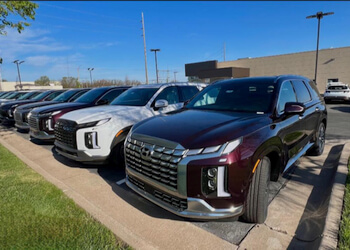
Hyundai has strategically elevated models like the Palisade SUV and the Santa Fe. The Palisade, especially in its Calligraphy trim, offers a truly opulent experience. It features quilted Nappa leather upholstery, a digital instrument cluster, a large touchscreen infotainment system, a dual-pane sunroof, and a quiet, spacious cabin.
These vehicles aren’t just comfortable; they integrate advanced safety features and creature comforts that were unthinkable in a Hyundai just a decade ago. They deliver a sophisticated ride and premium amenities without the premium price tag typically associated with traditional luxury brands.
Kia’s Refined Lineup
Kia, too, has been on an upward trajectory. The Telluride SUV has been a runaway success, celebrated for its bold design, spacious and well-appointed interior, and impressive features-for-the-money ratio. The Telluride SX-Prestige trim, for example, offers premium leather, heated and ventilated seats in the first two rows, a head-up display, and a full suite of driver-assistance technologies.
Even the Stinger sport sedan, though now discontinued in many markets, made a strong statement about Kia’s performance and design capabilities, challenging established sports sedans with its rear-wheel-drive platform and powerful engines. Kia’s commitment to quality and design is evident across its entire range, making many of its top-tier models feel distinctly premium.
Key Pillars of Modern Luxury: Where Korean Brands Excel
Modern luxury is no longer solely about brand heritage; it’s a multifaceted experience. Korean brands have strategically focused on several key areas to deliver this comprehensive luxury experience.
-
Design & Aesthetics: As mentioned, both Genesis and the higher-end Hyundai/Kia models boast compelling designs. They have moved past derivative styling to create unique, bold, and elegant forms that stand out. This commitment to aesthetic excellence is a hallmark of luxury.
-
Technology & Innovation: From advanced infotainment systems with seamless smartphone integration to comprehensive suites of ADAS, Korean brands are at the forefront of automotive technology. Their electric vehicle offerings, like the Hyundai Ioniq 5 and Kia EV6, showcase cutting-edge platforms and futuristic designs.
-
Interior Craftsmanship & Materials: The interiors are where the luxury argument truly solidifies. The use of premium materials – genuine leather, real wood, aluminum, and soft-touch plastics – combined with meticulous assembly and thoughtful ergonomics, creates an environment that feels rich and inviting.
-
Performance & Driving Dynamics: While not always the absolute sportiest, Korean luxury and premium vehicles offer refined powertrains, smooth automatic transmissions, and well-tuned suspensions that prioritize comfort, stability, and confident handling. They deliver a serene and capable driving experience.
-
Customer Experience & Warranty: Genesis, in particular, has focused on a concierge-style ownership experience, including at-home test drives, complimentary scheduled maintenance with valet service, and an industry-leading warranty. This emphasis on customer care is a significant component of modern luxury. Based on my experience, a great warranty provides peace of mind that truly elevates the ownership experience.
Brand Perception and The Luxury Hurdle
Despite their impressive achievements, Korean brands, especially Genesis, still face the challenge of brand perception. Luxury is often intertwined with heritage, prestige, and the "story" behind the badge. While Genesis is rapidly building its own narrative, it lacks the decades of accumulated prestige that brands like Mercedes-Benz or Lexus command.
This is a common hurdle for any newcomer to the luxury segment. Overcoming established biases takes time, consistent quality, and sustained marketing efforts. Pro tips from us: Don’t let brand snobbery dictate your choices. A test drive can reveal true quality that a badge alone might obscure.
However, the rapid pace of innovation and the undeniable quality of their products are steadily chipping away at these preconceived notions. As more consumers experience the Genesis lineup or the premium trims of Hyundai and Kia, the perception shifts from "Korean cars" to "quality vehicles that offer exceptional value."
Common Misconceptions and Future Outlook
A common mistake to avoid is equating a country of origin with a fixed quality tier. The notion that "Korean cars are cheap" or "Korean cars are inferior" is an outdated misconception. The industry has evolved dramatically, and Korean manufacturers have demonstrated their capability to produce world-class vehicles across various segments.
The future for Korean luxury and premium cars looks exceedingly bright. With a strong push into electrification, innovative design, and a relentless pursuit of technological advancement, brands like Genesis are poised to capture an even larger share of the luxury market. Their ability to offer compelling products at a competitive price point, often with a more generous standard feature set, makes them increasingly attractive to a new generation of luxury buyers.
If you’re interested in learning more about the future of electric luxury, check out our article on . For a deeper dive into specific luxury features, read our guide on .
Conclusion: A Resounding Yes, with Nuance
So, are Korean cars considered luxurious cars? For Genesis, the answer is an unequivocal yes. It has successfully established itself as a legitimate luxury brand, offering compelling designs, advanced technology, refined performance, and truly premium interiors that compete effectively with established players. The brand has earned numerous accolades, including top safety picks and design awards, further solidifying its standing. (For more details on specific model awards, you can refer to trusted sources like J.D. Power or Car and Driver’s comprehensive reviews.)
For Hyundai and Kia, the answer is a more nuanced "increasingly premium and feature-rich." While they don’t carry a dedicated luxury badge, their higher trim levels deliver an experience that rivals many entry-level luxury vehicles, providing incredible value and sophisticated comfort.
The journey of Korean automobiles from humble beginnings to luxury contenders is a testament to vision, investment, and a relentless pursuit of excellence. They have not just caught up; in many respects, they are setting new benchmarks for what luxury can be in the 21st century. The next time you consider a luxury vehicle, a Korean option might just surprise you with its depth of quality and undeniable prestige.