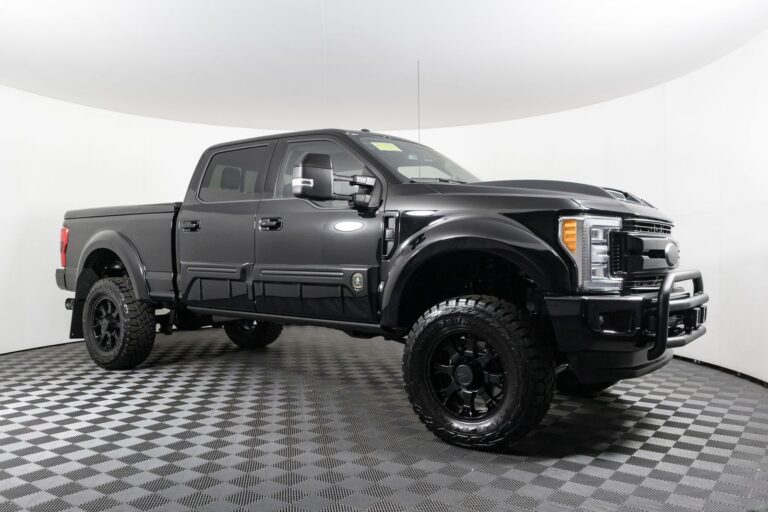
Your Ultimate Guide to Navigating Craigslist for Cars and Trucks For Sale
Your Ultimate Guide to Navigating Craigslist for Cars and Trucks For Sale Lmctruck.Guidemechanic.com
The digital landscape has revolutionized how we buy and sell almost everything, and the automotive world is no exception. While dedicated car marketplaces exist, one platform continues to stand out for its sheer volume and local reach: Craigslist. For decades, Craigslist has served as a bustling digital classifieds section, a go-to for individuals looking to find incredible deals on vehicles or sell their own without the overhead of a dealership.
However, the unregulated nature of Craigslist also presents unique challenges. From navigating a sea of listings to safeguarding against scams, understanding the nuances of this platform is crucial for a successful transaction. This comprehensive guide will equip you with the expert knowledge and practical strategies needed to confidently buy or sell cars and trucks on Craigslist, ensuring you get the best value and avoid common pitfalls. Our goal is to make your Craigslist automotive journey smooth, secure, and satisfying.
Your Ultimate Guide to Navigating Craigslist for Cars and Trucks For Sale
Why Craigslist for Cars and Trucks? Unpacking the Pros and Cons
Before diving into the mechanics, it’s important to understand why Craigslist remains a powerful, albeit sometimes intimidating, tool for automotive transactions. Its unique structure offers both significant advantages and potential drawbacks that every user should be aware of.
The Allure: Why Buyers and Sellers Flock to Craigslist
For many, Craigslist represents the ultimate direct-to-consumer marketplace. You’re dealing directly with individuals, cutting out intermediaries like dealerships and their associated markups. This often translates to more competitive pricing for buyers and a higher profit margin for sellers. The local focus also means you’re typically interacting with people in your community, simplifying logistics like vehicle viewings and paperwork.
The sheer variety of vehicles available is another major draw. From vintage classics and project cars to reliable daily drivers and work trucks, you can find an incredibly diverse selection. This platform is particularly excellent for niche vehicles or those with specific modifications, which might not get prominent display on larger, more structured marketplaces.
The Caveats: Understanding the Risks
However, the very aspects that make Craigslist appealing—its directness and lack of regulation—also introduce significant risks. Unlike established dealerships, there’s no built-in consumer protection or warranty from the platform itself. You are largely on your own, responsible for due diligence and personal safety.
Scams are unfortunately prevalent, targeting both buyers and sellers. These range from misleading listings and undisclosed vehicle damage to sophisticated payment frauds. Moreover, the quality of listings can vary wildly, from highly detailed advertisements with numerous photos to sparse descriptions and blurry images, making the initial screening process challenging.
Based on my experience, the key to success on Craigslist lies in harnessing its advantages while meticulously mitigating its inherent risks. It’s a platform that rewards vigilance, patience, and a well-informed approach.
Section 1: Navigating Craigslist as a Buyer – Finding Your Dream Ride
Buying a car or truck on Craigslist can feel like searching for a needle in a haystack, but with the right strategy, you can unearth fantastic deals. Here’s how to approach it systematically and safely.
Step 1: Smart Searching and Filtering for Optimal Results
Your journey begins with an effective search. Don’t just type "car" and expect miracles. Craigslist offers powerful filtering options that can significantly narrow down your choices. Start by selecting your local area or a nearby region you’re willing to travel to.
Next, utilize keywords effectively. Instead of just "Ford F-150," try variations like "F150," "Ford truck," or even "pickup." Combine these with years, trim levels, or specific features you desire, such as "AWD" or "manual transmission." Always set a realistic price range to avoid wasting time on vehicles outside your budget.
Pro tips from us: Consider searching for common misspellings of popular models, as some sellers might make errors in their listings. Also, regularly check new listings; the best deals often get snatched up quickly, so consistent monitoring can give you an edge.
Step 2: Decoding Listings – What to Look For (And What to Avoid)
Once you have your search results, it’s time to scrutinize individual listings. A good listing provides a detailed description, covering the vehicle’s make, model, year, mileage, condition, features, and any known issues. Look for honesty about flaws, as this often indicates a transparent seller.
High-quality, multiple photos are non-negotiable. The seller should ideally provide clear pictures of the exterior from various angles, the interior, the engine bay, the odometer, and any significant damage. Listings with generic stock photos, very few images, or blurry pictures should raise immediate red flags.
Common mistakes to avoid are ignoring listings with minimal information. While some sellers are simply not tech-savvy, a lack of detail can also be a deliberate attempt to hide problems. Be wary of prices that seem too good to be true for the vehicle’s make, model, and condition – they often are.
Step 3: Initial Contact and Effective Communication
When you find a promising listing, your first contact should be polite, professional, and to the point. Start by referencing the specific vehicle you’re interested in, as sellers often have multiple listings. Ask clarifying questions that weren’t answered in the description, such as: "Is the title clean and in your name?" "What’s the reason for selling?" or "Are there any known mechanical issues?"
Avoid sharing excessive personal information in your initial emails. Suggest meeting in a public, well-lit place if the conversation progresses to a viewing. Based on my experience, a seller’s responsiveness and willingness to answer questions directly can be a strong indicator of their trustworthiness and the legitimacy of their listing.
Step 4: The Crucial Pre-Purchase Inspection (PPI)
This step cannot be overstated. Never buy a vehicle on Craigslist without a thorough pre-purchase inspection. Begin with your own visual check: look for rust, mismatched paint (indicating previous accidents), fluid leaks, tire wear, and interior condition. Check all lights, wipers, and accessories.
A test drive is essential. Listen for unusual noises, feel for vibrations, check the brakes, and ensure the transmission shifts smoothly. Pay attention to how the car handles at various speeds. Most importantly, arrange for a professional mechanic to inspect the vehicle. They can spot hidden issues that an untrained eye would miss, potentially saving you thousands in future repairs.
Pro tips from us: Offer to pay for the mechanic’s time; it shows you’re serious and ensures an unbiased assessment. Choose a mechanic you trust, not one recommended by the seller. This independent verification is your best defense against purchasing a "lemon."
Step 5: The Art of Negotiation – Securing the Best Price
Negotiation is a standard part of private vehicle sales. Before you even see the car, research its market value using resources like Kelley Blue Book (KBB.com) or Edmunds. This gives you a solid baseline. During the inspection, note any flaws or maintenance needs; these can be leverage points in your negotiation.
Be polite but firm. Present your offer based on your research and the vehicle’s condition. Don’t be afraid to walk away if the seller isn’t willing to meet a reasonable price. Often, sellers are more flexible than they initially let on, especially if they’re motivated to sell quickly.
Based on my experience, demonstrating that you’ve done your homework and are a serious, informed buyer often leads to a more favorable outcome. Always aim for a win-win, where both parties feel they’ve gotten a fair deal.
Section 2: Selling Your Car or Truck on Craigslist – Maximize Your Return
Selling your vehicle privately on Craigslist can yield a higher return than trading it into a dealership. However, it requires preparation, marketing savvy, and careful management of inquiries.
Step 1: Preparing Your Vehicle for Sale – Make a Stellar First Impression
The adage "you never get a second chance to make a first impression" holds true for car sales. Start by thoroughly cleaning your vehicle, both inside and out. Detail it as much as possible, removing personal items and vacuuming carpets. A clean car instantly appears better maintained and more appealing.
Address any minor repairs that are inexpensive to fix but might deter buyers, such as a burnt-out headlight or a missing interior knob. Gather all relevant documents: the clean title (in your name), service records, maintenance receipts, and the owner’s manual. Having these readily available builds trust and simplifies the transaction.
Pro tips from us: Consider a basic mechanical check-up. Knowing the condition of your brakes, tires, and fluids allows you to answer buyer questions confidently and honestly. Transparency builds trust, which is invaluable.
Step 2: Crafting an Irresistible Listing That Stands Out
Your Craigslist listing is your advertisement to the world. A compelling title should include the year, make, model, and a key selling point (e.g., "Low Mileage," "One Owner," "New Tires"). The description needs to be detailed, honest, and persuasive. Highlight features, recent maintenance, and why you’re selling.
Crucially, include high-quality, clear photos. Take pictures in good lighting, showing the exterior from all angles, the interior (front and back), the dashboard with the odometer reading, the engine bay, and the trunk. Don’t hide minor imperfections; photograph them and mention them in the description to maintain transparency.
Step 3: Pricing Your Vehicle Strategically for a Quick Sale
Setting the right price is critical. Research comparable vehicles on Craigslist, Facebook Marketplace, and other classified sites in your area. Use online valuation tools like Kelley Blue Book or Edmunds to get an estimated private party sale value. Factor in your vehicle’s specific condition, mileage, and features.
It’s often wise to price your vehicle slightly above your minimum acceptable price. This leaves room for negotiation, which most buyers expect. Common mistakes to avoid are overpricing, which will deter buyers, and underpricing, which leaves money on the table. Find the sweet spot that attracts attention while reflecting its true value.
Step 4: Managing Inquiries and Scheduling Safe Viewings
Be prepared to respond promptly and professionally to inquiries. Many buyers will email first; be ready to answer questions thoroughly. When scheduling viewings, prioritize your safety. Always meet in a well-lit, public location, such as a busy parking lot, during daylight hours.
Inform a friend or family member of your meeting time and location. Avoid inviting strangers to your home. If a test drive is requested, accompany the buyer. You can also ask to see their driver’s license before they get behind the wheel.
Based on my experience, trust your instincts. If something feels off about a potential buyer, it’s perfectly acceptable to decline a meeting or sale. Your safety is paramount.
Step 5: The Test Drive and Negotiation from a Seller’s Perspective
During the test drive, set a reasonable route that allows the buyer to experience various driving conditions without going too far. Stay observant and engaged. After the test drive, be prepared for negotiation. Buyers will often point out flaws to justify a lower offer.
Listen to their offer and counter if it’s below your acceptable range. Be patient and don’t feel pressured to accept the first offer. Highlight the vehicle’s positive attributes and the value you’re offering. Remember your bottom line and be prepared to stand firm or walk away if an offer is too low.
Section 3: Safety & Scam Prevention – Your Top Priority for Transactions
The unregulated nature of Craigslist makes safety and scam prevention an absolute necessity. Both buyers and sellers need to be vigilant to protect themselves and their assets.
General Safety Tips for Both Parties
Regardless of whether you’re buying or selling, prioritize personal safety above all else. Always meet in a public place, like a supermarket parking lot, a police station parking lot (many departments offer safe exchange zones), or a busy coffee shop. Bring a friend or family member with you. If meeting alone isn, tell someone where you are going and when you expect to return.
Trust your gut feeling. If a situation feels uncomfortable or suspicious, disengage immediately. Never share unnecessary personal information, such as your home address, work address, or financial details, until absolutely necessary for the transaction.
Common Buyer Scams to Watch Out For
As a buyer, you need to be aware of several common scams. VIN cloning involves criminals putting the VIN of a legally registered car onto a stolen vehicle. Always verify the VIN on the car matches the title and run a history report. Title washing occurs when a car that was previously declared a "total loss" due to flood or accident damage is illegally retitled to hide its history.
Beware of sellers who insist on immediate payment without you seeing the car or who push for wire transfers or non-traceable payment methods. Scammers might also use fake escrow services to trick you into sending money. Based on my experience, legitimate sellers are usually willing to meet in person and allow for a thorough inspection before discussing payment.
Common Seller Scams to Avoid
Sellers are also targets. The overpayment scam is frequent: a buyer sends a check for more than the asking price, asking you to wire back the difference, only for the original check to bounce days later. Never accept a check for more than the agreed price. Another variation involves buyers who claim to be overseas and arrange for a shipping company, asking you to pay the shipper via wire transfer.
Always insist on meeting in person and completing the transaction face-to-face. Be wary of buyers who want to communicate solely through text or email and avoid phone calls. They might be trying to obscure their identity.
Pro tips from us: For payment, cash or a verified cashier’s check from a reputable local bank (which you can verify by calling the bank directly) are the safest options. Avoid personal checks, money orders, or any form of electronic transfer that doesn’t offer buyer/seller protection.
Verifying Vehicle History: The Indispensable VIN Check
No matter how good a deal seems, always, always, always run a vehicle history report using the car’s VIN (Vehicle Identification Number). This report can reveal crucial information such as accident history, salvage titles, flood damage, odometer tampering, and lien information. It also confirms the vehicle’s true mileage and ownership history.
Reputable services like CarFax and AutoCheck provide comprehensive reports. This small investment can save you from purchasing a car with hidden, costly problems. Think of it as your insurance policy against a bad purchase. You can often find a trusted link to these services directly on their websites, or through automotive resources like NHTSA’s VIN Decoder.
Section 4: The Final Steps – Paperwork and a Smooth Transaction
Once you’ve found the perfect car or secured a buyer, the final paperwork and payment exchange need to be handled meticulously to ensure a legal and smooth transfer of ownership.
Buyer’s Checklist for a Secure Transaction
As a buyer, your main goal is to legally transfer ownership and get your new vehicle registered. Ensure the seller provides you with a clean title that is free of any liens and is properly signed over to you. The title should match the seller’s identification. You’ll also need a bill of sale, which is a written document detailing the sale, including the vehicle’s make, model, VIN, sale price, date, and signatures of both buyer and seller. Keep copies of everything!
Immediately after the purchase, you’ll need to register the vehicle in your name with your state’s Department of Motor Vehicles (DMV) or equivalent agency. Don’t forget to arrange for insurance coverage before driving the vehicle home. Driving uninsured is illegal and risky.
Seller’s Checklist for a Legal Sale
For sellers, your responsibilities include signing over the title to the buyer and providing a bill of sale. Ensure all necessary sections of the title are filled out accurately, including the sale price and odometer reading. It’s a good practice to keep a copy of the signed title and bill of sale for your records.
Remember to remove your license plates from the vehicle unless state law dictates they stay with the car. Notify your state’s DMV that you’ve sold the vehicle to avoid any liability for parking tickets or accidents incurred by the new owner. Also, cancel your insurance on the vehicle once the sale is complete.
Payment Methods: The Safest Ways to Exchange Funds
This is where many scams occur, so extreme caution is advised. For buyers, paying with cash is often the most straightforward and secure method for private sales, especially for lower-priced vehicles. For higher amounts, a cashier’s check or certified bank check from a reputable local bank is generally safe, but always verify it directly with the issuing bank before handing over the vehicle or title. Never accept personal checks, money orders, or wire transfers.
As a seller, always insist on payment in full before handing over the keys and title. If accepting a cashier’s check, accompany the buyer to their bank to verify the funds are legitimate and the check is authentic. Never trust a check that you haven’t verified with the issuing bank. Read more about secure payment methods in private sales on our blog here.
Common mistakes to avoid are rushing the payment process or being pressured into using unfamiliar payment apps or services. If a buyer or seller tries to dictate a payment method that makes you uncomfortable, walk away. It’s not worth the risk.
Conclusion: Empowering Your Craigslist Automotive Journey
Craigslist, when approached with knowledge and caution, remains an incredibly powerful platform for buying and selling cars and trucks. It offers unparalleled access to local markets and direct transactions, often leading to better deals for buyers and higher profits for sellers. However, its unregulated nature demands vigilance, due diligence, and a commitment to personal safety.
By following the comprehensive steps outlined in this guide—from smart searching and thorough inspections to careful negotiation and secure payment methods—you can navigate the Craigslist automotive landscape with confidence. Remember to prioritize safety, verify all information, and trust your instincts. With these strategies, you’re well-equipped to make your next Craigslist car or truck transaction a successful and satisfying experience.
Happy hunting, and safe driving!