What Is The Front Of A Truck That Carries Cargo Called? Unveiling the Mighty Tractor Unit
What Is The Front Of A Truck That Carries Cargo Called? Unveiling the Mighty Tractor Unit Lmctruck.Guidemechanic.com
You see them every day on highways, thundering down the road, carrying everything from groceries to car parts. These colossal vehicles are the backbone of modern commerce, tirelessly moving goods across vast distances. Yet, despite their ubiquitous presence, a fundamental question often arises: what exactly is the front part of that truck, the part that pulls the cargo, called?
It’s a common query, and the answer isn’t always as simple as a single word. While many might casually refer to it as "the truck" or "the cab," the industry has precise terms for this powerhouse component. As an expert blogger and SEO content writer deeply immersed in the world of logistics and commercial transport, I’m here to unpack this question comprehensively. Get ready for an in-depth exploration of the "front of a truck that carries cargo," delving into its various names, functions, and critical role in our global supply chain.
What Is The Front Of A Truck That Carries Cargo Called? Unveiling the Mighty Tractor Unit
The Definitive Answer: Tractor Unit, Prime Mover, or Cab?
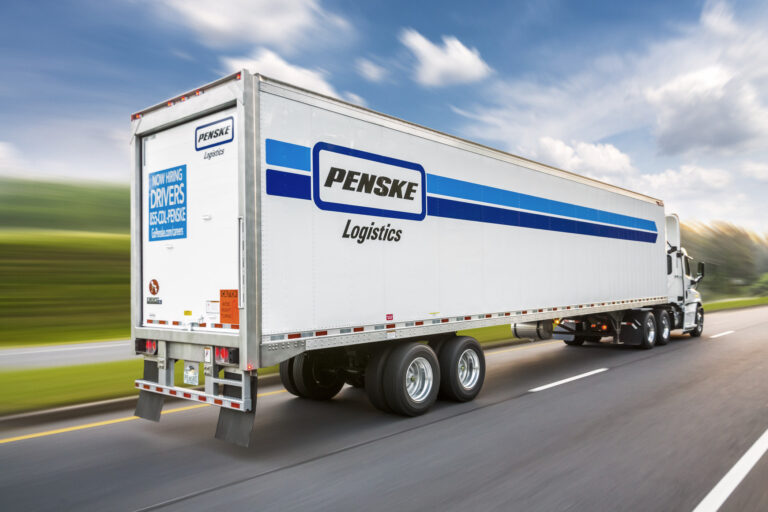
Let’s cut straight to the chase. The most technically accurate and widely accepted terms for the front of a truck that carries cargo are the tractor unit or prime mover. You might also hear it referred to simply as the cab, which specifically denotes the enclosed compartment where the driver operates the vehicle.
Why multiple names? It often comes down to regional differences, industry jargon, and the specific context. In North America, "tractor unit" is incredibly common, particularly when distinguishing it from the trailer it pulls. In places like Australia and parts of Asia, "prime mover" is frequently used. Regardless of the nomenclature, these terms all point to the same powerful machine: the component designed to provide motive power and house the driver, connecting to and pulling a separate trailer that actually carries the cargo.
Understanding the Tractor Unit: More Than Just a "Truck Front"
The tractor unit is the engine, the brain, and the brawn of the entire trucking operation. Unlike a rigid truck, where the cargo area is permanently attached to the chassis, a tractor unit is designed to be decoupled from its load. This modularity is a cornerstone of modern freight transport, offering immense flexibility and efficiency.
Imagine a single power unit capable of pulling different types of trailers – flatbeds, refrigerated units, dry vans, tankers – depending on the specific cargo requirements. This is the fundamental genius of the tractor unit. It’s not just a front; it’s a specialized, highly engineered vehicle whose sole purpose is to haul. This distinction is crucial for understanding the intricate world of commercial freight and logistics.
Beyond the Name: The Core Function of the Tractor Unit
At its heart, the tractor unit performs several critical functions that enable the efficient transport of goods. It’s the powerhouse, the connection point, and the driver’s operational hub, all rolled into one robust machine.
Firstly, it provides all the necessary motive power. This includes the massive engine, the complex transmission system, and the heavy-duty axles that convert engine power into forward motion. Without this immense power, the ability to haul tens of thousands of pounds of cargo would be impossible.
Secondly, it serves as the critical link between the power unit and the cargo-carrying trailer. This connection is typically made through a device called a fifth wheel, which we’ll explore in detail shortly. This ingenious coupling system allows for both flexibility in attaching different trailers and the necessary articulation for maneuvering such long vehicles.
Finally, the tractor unit houses the cab, which is the driver’s entire workspace and, for long-haul drivers, their living quarters on the road. This space is equipped with all the controls, gauges, and comfort features necessary for safe and efficient operation, often over hundreds or thousands of miles.
Inside the Cab: The Driver’s Command Center
When you ask, "What is the front of a truck that carries cargo called?" and someone says "the cab," they’re referring to this vital section. The cab is much more than just a seat and a steering wheel; it’s the nerve center from which the entire rig is controlled.
Inside, drivers are surrounded by an array of sophisticated instruments and controls. The dashboard is a complex tapestry of gauges monitoring everything from engine temperature and oil pressure to air brake system pressure and fuel levels. Modern cabs also integrate advanced telematics, GPS navigation, and communication systems, transforming them into high-tech mobile offices.
Based on my experience observing the evolution of commercial trucking, driver comfort and ergonomics have become paramount in cab design. A well-designed cab reduces driver fatigue, which is a major factor in road safety. Seats are often air-cushioned and highly adjustable, designed for long hours behind the wheel. Climate control, sound insulation, and even integrated entertainment systems contribute to a more manageable and safer driving experience. For long-haul operations, the cab often extends into a "sleeper berth," providing a small living space with a bed, storage, and sometimes even a small refrigerator or microwave, allowing drivers to rest legally and comfortably on the road.
Powering the Haul: The Engine and Drivetrain of a Commercial Vehicle
The true heart of the tractor unit lies beneath its hood (or often, directly beneath the cab in Cab-Over-Engine designs) – the engine and its associated drivetrain. These components are engineered for extreme durability, power, and fuel efficiency, given the immense loads they are designed to move.
Commercial tractor units almost exclusively use powerful diesel engines. These engines are renowned for their high torque output at low RPMs, which is essential for getting heavy loads moving and maintaining speed on inclines. Horsepower, while important for speed, takes a back seat to torque when it comes to hauling capacity. Modern diesel engines also incorporate advanced emission control systems, reflecting the industry’s commitment to environmental responsibility.
The drivetrain comprises the transmission, driveshafts, and axles. Transmissions in heavy-duty trucks can be highly complex, ranging from multi-speed manual systems (often 9, 10, 13, or even 18 speeds) to advanced automated manual transmissions (AMTs) that combine the efficiency of a manual with the convenience of an automatic. AMTs are increasingly popular, helping to reduce driver fatigue and optimize fuel consumption.
Pro tips from us to fleet owners and operators: Regular and meticulous maintenance of the engine and drivetrain is non-negotiable. Skipping oil changes, ignoring warning lights, or using substandard parts can lead to costly breakdowns and significant downtime, impacting your bottom line and delivery schedules. Investing in quality lubricants and adhering to manufacturer service intervals will significantly extend the life and reliability of your tractor unit.
The Critical Connection: How the Fifth Wheel Links Tractor and Trailer
A defining feature of the tractor unit, and a key reason it’s called a "tractor," is its ability to couple with a semi-trailer. This connection is made possible by a crucial component known as the fifth wheel. This robust, horseshoe-shaped coupling device is mounted on the rear of the tractor unit’s chassis.
The fifth wheel works by receiving a kingpin, a large vertical steel pin located on the underside of the front of the trailer. When the tractor unit backs up to the trailer, the kingpin slides into a locking mechanism within the fifth wheel, creating a secure, load-bearing connection. This system allows the trailer to pivot freely in all directions relative to the tractor, which is essential for steering and maneuvering the long combination of vehicles.
The name "fifth wheel" is said to originate from early horse-drawn carriages and wagons, which used a horizontal wheel to allow the front axle to pivot for steering, essentially acting as a "fifth wheel" in addition to the four road wheels. While the modern design is much more advanced, the principle of a rotating connection point remains.
Common mistakes to avoid when coupling a trailer include not ensuring the fifth wheel jaws are fully locked around the kingpin, failing to perform a "tug test" to confirm the connection, and not properly connecting the air lines and electrical cables. These oversights can lead to dangerous situations, including trailer detachment while in motion. Safety protocols for coupling and uncoupling are rigorously taught to all commercial truck drivers for precisely these reasons.
Variations on a Theme: Exploring Different Types of Tractor Units
While the core function of a tractor unit remains consistent, their design and configuration vary significantly to meet different operational needs, regulatory requirements, and driver preferences. These variations are often what give trucks their distinctive appearances.
-
Conventional (Long-Nose) Tractor Units:
- Description: These are perhaps the most iconic "big rigs" you see in North America. The engine is located in front of the cab, under a long hood.
- Pros: The long hood provides a crash buffer, often better aerodynamics for highway driving, and easier access for engine maintenance. Drivers often appreciate the smoother ride and quieter cab due to the engine’s forward placement.
- Cons: Their extended length can make them less maneuverable in tight urban areas or loading docks.
- Common Use: Long-haul freight across North America.
-
Cab-Over-Engine (COE) Tractor Units:
- Description: In this design, the cab is situated directly above the engine. The entire cab typically tilts forward to allow access to the engine for maintenance.
- Pros: Significantly shorter overall length, providing superior maneuverability in congested cities, tight turns, and restrictive loading docks. They are prevalent in Europe and Asia due to stricter length regulations. Better visibility directly in front of the truck.
- Cons: Engine access for maintenance can be more cumbersome, and the ride can sometimes be rougher due to sitting directly over the front axle.
- Common Use: Urban delivery, inter-city transport in regions with strict length limits.
-
Day Cab Tractor Units:
- Description: These tractor units feature a standard cab without an extended sleeper berth. They are designed for drivers who return home at the end of their shift.
- Pros: Shorter, lighter, and more economical to purchase and operate. Increased maneuverability due to reduced length.
- Cons: Not suitable for multi-day hauls requiring overnight stops.
- Common Use: Regional hauls, port operations, local deliveries, construction.
-
Sleeper Cab Tractor Units:
- Description: These units are extensions of the day cab, featuring an integrated living space behind the driver’s seat. Sleepers can range from small bunk areas to luxurious, multi-story compartments with kitchens and entertainment systems.
- Pros: Allows drivers to legally and comfortably rest on long-distance trips, maximizing efficiency and enabling multi-day routes.
- Cons: Heavier, longer, and more expensive than day cabs.
- Common Use: Over-the-road (OTR) long-haul freight, team driving operations.
If you’re interested in learning more about the specific applications and advantages of different trailer types, check out our article on .
The Unsung Hero of Logistics: Why the Front of the Truck Matters So Much
The tractor unit, or prime mover, is far more than just a piece of machinery; it’s a linchpin of our modern global economy. Every item we consume, from our morning coffee to our electronic devices, has likely spent time in the back of a trailer pulled by one of these powerful machines.
Its efficiency directly impacts supply chain costs, product availability, and ultimately, consumer prices. The ongoing innovation in tractor unit design – from fuel efficiency improvements and advanced safety features to the nascent development of electric and autonomous trucks – reflects its central role in shaping the future of transportation. Without the tireless work of these "fronts of trucks that carry cargo," our shelves would be empty, factories would halt, and the intricate dance of global commerce would grind to a standstill.
Dispelling Common Misconceptions
Despite their constant presence, there are a few common misunderstandings about the front of a truck that carries cargo:
- "It’s just ‘the truck’": While colloquially acceptable, it’s important to remember the distinction between the "tractor unit" (the pulling part) and the "trailer" (the cargo-carrying part). Together, they form a "semi-trailer truck" or "articulated lorry."
- "All big trucks are the same": As we’ve seen, there’s a vast diversity in tractor unit types, each designed for specific tasks and environments. A conventional sleeper cab used for cross-country hauls is vastly different from a COE day cab navigating city streets.
- "They’re simple machines": Far from it. Modern tractor units are marvels of engineering, incorporating sophisticated engines, advanced electronics, complex safety systems (like ABS, traction control, and collision avoidance), and intricate comfort features.
For more information on the history and evolution of these incredible machines, you can consult resources like the American Trucking Associations (ATA) or reputable automotive encyclopedias. For example, a trusted source like Wikipedia provides a detailed overview of the semi-trailer truck and its components. We also have an article that delves deeper into on our blog, if you’d like to learn more about how these vehicles have changed over time.
Conclusion: The Indispensable Powerhouse of the Highway
So, what is the front of a truck that carries cargo called? The definitive answer is the tractor unit or prime mover, with the driver’s section being the cab. These powerful, specialized vehicles are the true workhorses of the logistics industry, designed to provide the muscle, intelligence, and adaptability needed to transport goods across vast distances.
From their robust diesel engines and advanced transmissions to the critical fifth wheel connection and the driver-centric cab, every component of the tractor unit is meticulously engineered for reliability and efficiency. Understanding these distinctions not only enriches our appreciation for these incredible machines but also highlights their indispensable role in supporting our modern way of life. The next time you see a big rig on the highway, you’ll know you’re looking at the mighty tractor unit, an unsung hero keeping the world moving, one load at a time.