Unveiling the Backbone: What Exactly is the Body of a Truck?
Unveiling the Backbone: What Exactly is the Body of a Truck? Lmctruck.Guidemechanic.com
When you picture a truck, what comes to mind? Is it the roaring engine, the massive tires, or perhaps the sheer power it exudes? While all these elements are crucial, there’s one fundamental component that often goes underappreciated yet defines the very purpose and utility of the vehicle: the body of a truck. Far more than just a "bed" or an aesthetic shell, the truck body is the workhorse’s core, meticulously engineered to carry, protect, and deliver its cargo.
As an expert in commercial vehicles and automotive design, I’ve seen countless trucks, each tailored with a specific body to fulfill a unique role. From the ubiquitous pickup truck to specialized industrial giants, understanding "what is the body of a truck" is key to appreciating the incredible versatility and engineering marvel of these machines. This comprehensive guide will delve deep into the anatomy, types, materials, and crucial role of the truck body, providing you with an in-depth perspective that goes beyond the surface.
Unveiling the Backbone: What Exactly is the Body of a Truck?
The Foundation: What Exactly is a Truck Body?
At its most basic, the body of a truck refers to the main structure mounted on the chassis that houses the cargo, passengers (beyond the cab), or specialized equipment. It’s the functional part of the truck, distinct from the engine, transmission, and chassis frame, though intrinsically linked to them. Its primary purpose is to contain, secure, and transport goods or provide a platform for various tasks.
Think of it as the specialized suit a truck wears for its job. A truck without a body is essentially just a rolling chassis, capable of movement but lacking its intended utility. The body is what transforms a powerful drivetrain into a dump truck, a delivery van, a flatbed hauler, or a service vehicle.
Anatomy of a Truck Body: Key Components
Understanding the various parts that constitute a truck body is essential. While configurations vary wildly, certain fundamental components are common across many types.
1. The Chassis Frame: The Unseen Foundation
Before we even discuss the "body," it’s vital to acknowledge its direct connection to the chassis frame. This is the structural backbone of the entire truck, typically a ladder-style frame made of heavy-duty steel rails and crossmembers. The truck body is bolted or welded directly onto this frame, creating a unified, robust structure.
The chassis provides the rigidity and strength needed to support the body and its cargo, distributing weight evenly and withstanding the stresses of travel. Without a strong chassis, even the most advanced truck body would fail.
2. The Cab: Where the Journey Begins
While technically part of the overall vehicle and separate from the "cargo body," the cab is the driver’s compartment. It’s where the operator controls the truck and, in many cases, is an integral part of the truck’s aesthetic and functional design, influencing overall length and weight distribution.
Cabs come in various configurations, from standard single cabs for maximum bed length to extended and crew cabs designed for multiple passengers. The cab’s design often dictates the initial perception of a truck’s utility.
3. The Cargo Area: The Heart of the Body
This is the most recognizable component of a truck body, the section designed specifically for carrying loads. Depending on the truck’s purpose, this area can take on an astonishing array of forms. We’ll explore these diverse types in detail shortly, but whether it’s an open bed, an enclosed box, or a specialized platform, this is where the truck earns its keep.
4. Wheel Wells and Fenders: Protection and Aesthetics
The wheel wells are the enclosures over the wheels, integrated into the body design. They protect the cargo and other vehicle components from road debris, mud, and water kicked up by the tires. Fenders, often a part of the wheel well structure, extend over the tires for additional coverage and contribute significantly to the truck’s overall styling.
From a practical standpoint, well-designed wheel wells are crucial for preventing damage and maintaining cleanliness.
5. Tailgates and Doors: Access and Security
For open-bed trucks, the tailgate is a critical functional component, providing a barrier to keep cargo in place and acting as a ramp or extended surface when lowered. For enclosed bodies, robust doors – whether roll-up, swing-out, or sliding – are essential for accessing the cargo space and securing its contents from theft and the elements.
The design and functionality of these access points are paramount for efficient loading, unloading, and cargo protection.
6. Mounting Hardware and Suspension Interface: The Vital Connection
Connecting the body to the chassis involves specialized mounting hardware, including bolts, brackets, and sometimes even hydraulic cylinders for dumping mechanisms. The body also interfaces with the truck’s suspension system, ensuring that the cargo remains stable and the ride is as smooth as possible, even over challenging terrain.
Proper installation and secure mounting are critical for safety and the longevity of both the body and the chassis. Loose or improperly mounted bodies can lead to catastrophic failures.
The Diverse World of Truck Bodies: Exploring Different Types and Their Applications
Based on my extensive experience working with commercial vehicles, the sheer variety of truck bodies is perhaps the most fascinating aspect of their design. Each type is a testament to specialized engineering, crafted to excel in specific industries and tasks. Let’s explore some of the most common and specialized truck body types.
1. Pickup Truck Beds
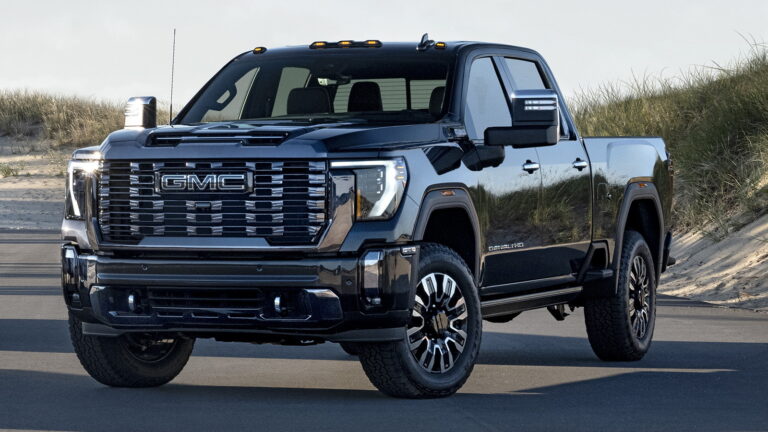
This is arguably the most recognizable truck body. A pickup truck bed is an open-top cargo area with low sides and a tailgate at the rear. It’s designed for general-purpose hauling, capable of carrying everything from tools and building materials to groceries and recreational gear.
- Construction: Typically made from steel or aluminum, with aluminum gaining popularity for its lighter weight and corrosion resistance.
- Variations: Available in various lengths (e.g., short bed, standard bed, long bed) and can be accessorized with bed liners, tonneau covers, and toolboxes.
- Application: Personal use, light construction, landscaping, small business deliveries.
2. Flatbed Bodies
A flatbed truck body is a completely flat, open platform without sides or a roof. This design offers unparalleled flexibility for hauling oversized, irregularly shaped, or palletized cargo that wouldn’t fit in a conventional enclosed bed.
- Construction: Heavy-duty steel or aluminum deck, often with rub rails and stake pockets for attaching temporary stakes or securing straps.
- Advantages: Easy loading/unloading from any side, accommodates large items.
- Application: Transporting machinery, building materials (lumber, pipes), large equipment, hay bales.
3. Dump Truck Bodies
Engineered for heavy-duty material transport, a dump truck body is a specialized open-box bed equipped with a hydraulic lifting mechanism. This allows the front of the bed to be raised, tilting the contents out the rear.
- Construction: Extremely robust steel, designed to withstand abrasive materials and heavy impacts.
- Mechanism: Powered by a hydraulic pump system, controlled from the cab.
- Application: Construction (sand, gravel, dirt), mining, waste removal, demolition.
4. Service/Utility Bodies
Service or utility bodies are characterized by their numerous external compartments and internal shelving, providing organized storage for tools, equipment, and parts. These bodies effectively transform a truck into a mobile workshop.
- Construction: Often steel or aluminum, with secure, weather-tight compartments accessible from the outside.
- Features: May include built-in ladders, crane mounts, generators, or air compressors.
- Application: Electricians, plumbers, HVAC technicians, telecommunications, road maintenance.
5. Dry Freight Van Bodies (Box Trucks)
A dry freight van body, commonly known as a "box truck" or "straight truck," is an enclosed, rectangular cargo space permanently mounted to the chassis. It offers protection from weather and theft for general goods.
- Construction: Aluminum or fiberglass reinforced plywood (FRP) panels over a steel or aluminum frame.
- Features: Roll-up or swing-out rear doors, sometimes a side door, interior lighting, and tie-down rails.
- Application: Local deliveries, moving services, general cargo transport, retail distribution.
6. Refrigerated (Reefer) Bodies
Similar in concept to dry freight bodies, refrigerated (reefer) bodies are heavily insulated and equipped with a self-contained refrigeration unit. They are crucial for transporting perishable goods that require temperature control.
- Construction: Insulated walls, floor, and roof, often with specialized vapor barriers.
- Technology: Diesel or electric-powered refrigeration units maintain precise temperatures.
- Application: Food distribution, pharmaceuticals, floral delivery, catering.
7. Tanker Bodies
Tanker bodies are specialized containers designed to transport liquids, gases, or dry bulk materials. Their design is highly specific to the material they carry, ensuring safe and secure transit.
- Construction: Cylindrical or elliptical tanks made from steel, aluminum, or stainless steel, with internal baffles to prevent sloshing.
- Safety: Built to strict regulations for hazardous materials, often with multiple compartments.
- Application: Fuel delivery, water transport, chemical hauling, milk collection, asphalt.
8. Car Carrier Bodies
These bodies are specifically designed for transporting vehicles. They feature ramps, securement points, and sometimes hydraulic decks to load and unload cars, trucks, or other vehicles efficiently and safely.
- Construction: Heavy-duty steel framework with perforated decks for tie-downs.
- Types: Single-vehicle rollbacks, multi-vehicle carriers (open or enclosed).
- Application: Auto dealerships, towing services, vehicle logistics companies.
9. Refuse/Garbage Bodies
Refuse bodies are highly specialized for collecting and compacting waste. They feature complex hydraulic systems for loading waste from bins and compacting it to maximize capacity.
- Construction: Robust steel, designed for continuous heavy use and abrasive materials.
- Mechanism: Rear or side loaders with compaction plates and hoppers.
- Application: Municipal waste collection, commercial waste services.
10. Stake Bed Bodies
A stake bed body is essentially a flatbed with removable vertical stakes and side rails. This design offers the flexibility of a flatbed with the added security of sides when needed.
- Construction: Flatbed base with pockets along the perimeter to insert wooden or metal stakes.
- Versatility: Sides can be easily added or removed depending on the cargo.
- Application: Landscaping, agricultural use, general cargo requiring flexible containment.
Materials Matter: What Truck Bodies Are Made Of
The choice of material for a truck body is not arbitrary; it’s a critical decision influenced by the body’s purpose, required strength, weight constraints, and budget.
- Steel: Historically the most common material due to its exceptional strength, durability, and relatively low cost. However, it’s heavy and susceptible to rust if not properly treated. It’s ideal for heavy-duty applications like dump bodies and severe-duty service bodies.
- Aluminum: Increasingly popular, especially for pickup beds, flatbeds, and dry freight bodies. Aluminum offers significant weight savings, which translates to better fuel economy and increased payload capacity. It’s also highly corrosion-resistant, though typically more expensive than steel.
- Fiberglass Reinforced Plastic (FRP) / Composites: Used extensively in van bodies, refrigerated bodies, and specialty applications. FRP is lightweight, resistant to corrosion, and provides good insulation properties. It also offers design flexibility for aerodynamic shapes.
- Wood: While less common for primary structural components, wood is still used for flooring in some flatbeds, stake bed sides, and specialty interiors due to its cost-effectiveness and repairability.
From a professional perspective, the right material choice balances structural integrity with operational efficiency and longevity.
The Importance of Design & Engineering
The design and engineering of a truck body are far more intricate than they appear. It’s a meticulous process that balances multiple critical factors.
- Durability: Truck bodies must withstand immense loads, constant vibrations, harsh weather conditions, and potential impacts. Expert engineering ensures they are built to last.
- Functionality: Ease of loading, unloading, and access is paramount. A well-designed body maximizes efficiency and reduces operator effort. Think about the thoughtful placement of tie-downs, the smooth operation of a tailgate, or the ergonomic layout of service compartments.
- Safety: Protecting both the cargo and other road users is non-negotiable. This includes securing loads, ensuring proper lighting, and designing structures that minimize injury in case of an accident. The National Highway Traffic Safety Administration (NHTSA) provides guidelines and regulations for vehicle body safety standards.
- Aerodynamics: For enclosed bodies, aerodynamic design plays a significant role in fuel efficiency, especially for long-haul operations. Reducing drag can lead to substantial savings over the lifetime of the vehicle.
- Customization: Many industries have unique requirements, leading to highly customized truck bodies. Expert engineers work closely with clients to develop bespoke solutions that precisely meet their operational needs.
Choosing the Right Truck Body: Pro Tips for Buyers
Selecting the appropriate truck body is a critical decision that directly impacts operational efficiency, safety, and profitability. Here are some pro tips from us:
- Identify Your Primary Use Case: What will the truck primarily be used for? Hauling loose material? Delivering packages? Providing mobile repair services? The answer to this question is your starting point.
- Consider Cargo Type and Weight: What kind of materials will you transport? How heavy are they? This dictates the body type, material, and required payload capacity. Overlooking payload capacity is a common mistake that can lead to safety hazards and legal issues.
- Think About Accessibility Needs: How will you load and unload cargo? Do you need side access, a ramp, or a liftgate? The design of doors and access points can significantly impact workflow.
- Evaluate Your Budget vs. ROI: While a specialized body might have a higher upfront cost, its efficiency and suitability for the job can offer a much better return on investment (ROI) in the long run. Don’t always default to the cheapest option.
- Factor in Future Flexibility: Will your needs change? Some bodies, like stake beds, offer more flexibility than highly specialized ones. Consider if your business might evolve and if the body can adapt.
- Don’t Forget Maintenance: Some materials and designs are easier to maintain than others. Think about the cost and effort involved in upkeep. Regularly inspect welds, fasteners, and moving parts. (You might find our article on Guide to Commercial Vehicle Maintenance helpful for more tips.)
Maintenance and Longevity: Keeping Your Truck Body in Top Shape
A well-maintained truck body not only looks better but also performs more reliably and lasts longer. Regular care is essential.
- Routine Cleaning: Wash your truck body regularly, especially after hauling corrosive materials or in harsh weather conditions. This prevents dirt buildup and chemical degradation.
- Rust Prevention: For steel bodies, promptly address any scratches or chips in the paint that could expose bare metal to moisture. Consider rust-proofing treatments.
- Inspect Welds and Fasteners: Periodically check all welds, bolts, and rivets for signs of fatigue, loosening, or corrosion. Tighten or replace as needed.
- Repair Minor Damage: Dents, dings, and small cracks should be repaired quickly before they escalate into larger, more costly issues.
- Lubricate Moving Parts: Tailgate hinges, door mechanisms, and hydraulic components on dump bodies require regular lubrication to ensure smooth operation and prevent wear.
Future Trends in Truck Body Design
The truck body industry is continually evolving, driven by demands for greater efficiency, sustainability, and advanced functionality.
- Lightweighting: The push for better fuel economy and, crucially, extended range for electric trucks is accelerating the adoption of advanced lightweight materials like aluminum, composites, and high-strength steels.
- Modular Designs: Expect to see more modular and interchangeable body components, allowing for greater customization and easier repairs or reconfigurations.
- Smart Features & IoT Integration: Bodies equipped with sensors for cargo monitoring (temperature, weight, security), telematics integration, and predictive maintenance capabilities are becoming more prevalent.
- Aerodynamics Optimization: Even subtle design changes can significantly impact fuel consumption. Expect continued refinement in body shapes to reduce drag.
- Sustainability: Manufacturers are exploring more sustainable materials and production processes to reduce the environmental footprint of truck bodies.
Conclusion: The Indispensable Role of the Truck Body
The question "what is the body of a truck?" reveals a complex and fascinating world of specialized engineering. From the simple yet robust pickup bed to the intricate systems of a refuse collector, each truck body is a testament to purposeful design. It’s the silent workhorse, defining a truck’s utility, protecting its cargo, and ultimately enabling countless industries to operate efficiently every single day.
Understanding the different types, materials, and design considerations of truck bodies empowers you to make informed decisions, whether you’re a fleet manager, a small business owner, or simply an automotive enthusiast. The truck body is not just an attachment; it’s an indispensable component that truly gives the truck its identity and its power to perform.
If you’re looking to optimize your fleet or need a deeper dive into specific truck body types, feel free to explore more of our articles, such as Understanding Truck Chassis: The Backbone of Your Vehicle. What kind of truck body do you find most interesting or essential for your daily life? Share your thoughts in the comments below!