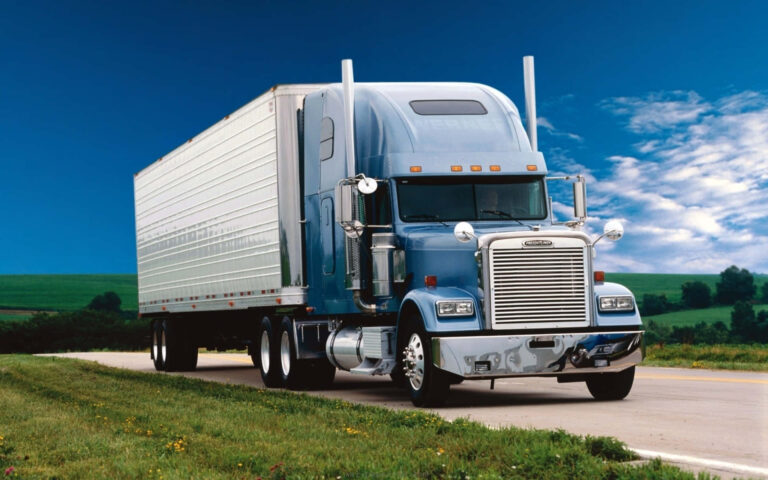
Unlocking the True Value of Box Trucks: A Comprehensive Guide for Buyers, Sellers, and Owners
Unlocking the True Value of Box Trucks: A Comprehensive Guide for Buyers, Sellers, and Owners Lmctruck.Guidemechanic.com
Box trucks are the unsung heroes of countless industries, from local deliveries and moving services to specialized logistics and trade work. These versatile vehicles are the backbone of many businesses, making their value a critical consideration for anyone looking to buy, sell, or simply understand their investment. However, determining the "value" of a box truck is far more complex than a simple price tag; it’s a dynamic equation influenced by a multitude of factors.
This comprehensive guide is designed to demystify the intricate world of box truck valuation. We’ll dive deep into what truly drives their worth, helping you make informed decisions whether you’re a prospective buyer seeking the best deal, an owner aiming to maximize resale, or simply looking to understand your asset better. Our goal is to provide you with an expert-level understanding that goes beyond surface-level observations.
Unlocking the True Value of Box Trucks: A Comprehensive Guide for Buyers, Sellers, and Owners
More Than Just a Price Tag: Defining "Value" in the Box Truck World
When we talk about the "value" of a box truck, it’s crucial to understand that we’re not solely referring to its monetary selling price. While financial worth is a significant component, it’s just one piece of a larger puzzle. A box truck’s true value encompasses several dimensions, each playing a vital role in its overall desirability and utility.
Firstly, there’s the monetary value, which is the price a truck can command in the market, whether new or used. This is often the most straightforward definition but is heavily influenced by supply, demand, and the truck’s condition. It’s the figure you see on sales listings and negotiation tables.
Secondly, operational value refers to the utility and efficiency a truck brings to a business. A truck that reliably performs its intended job, minimizes downtime, and efficiently transports goods offers immense operational value, even if its resale price isn’t top-tier. This value is measured in productivity and reduced costs.
Thirdly, resale value is the anticipated monetary worth of the truck at a future point. Understanding this helps owners plan for depreciation and potential upgrades. A truck with strong resale value provides a better return on investment over its lifespan.
Finally, utility value relates to how well the truck fits a specific purpose. A custom-built box truck might have high utility for a niche business, even if its broader market appeal, and thus its monetary value, is limited. This is about suitability and specialized function.
Key Factors That Drive Box Truck Value: What Really Matters?
Understanding the various facets of value is the first step; now, let’s explore the specific elements that dictate these values. From the moment a box truck rolls off the assembly line, numerous characteristics begin to influence its worth. Based on my experience in the commercial vehicle market, these factors are consistently the most impactful.
Age and Mileage: The Time and Travel Equation
The age and mileage of a box truck are often the first metrics potential buyers consider, and for good reason. They offer a quick snapshot of a vehicle’s life and potential remaining utility. These two factors are intrinsically linked to depreciation and wear-and-tear.
Age directly impacts depreciation, with vehicles typically losing a significant portion of their value in the first few years. As a truck gets older, its components naturally degrade, and newer, more efficient models enter the market, making older trucks less competitive. However, a well-maintained older truck can still hold significant operational value.
Mileage, on the other hand, is a direct indicator of how much physical work the engine, transmission, and drivetrain have performed. High mileage suggests more wear on moving parts, increasing the likelihood of maintenance issues. A truck with 200,000 miles, for instance, has endured far more stress than one with 50,000 miles, regardless of age.
Pro tips from us: While low mileage is generally desirable, it’s not always the sole indicator of health. A truck that has sat idle for extended periods can develop its own set of problems, such as dry rot in seals and tires, or rust in fuel lines. Conversely, a high-mileage truck with an impeccable maintenance record can sometimes be a more reliable purchase than a low-mileage one that has been neglected.
Common mistakes to avoid are solely focusing on the odometer reading without considering the type of mileage. Highway miles, often accumulated at consistent speeds, typically cause less wear and tear than stop-and-go city driving over the same distance. Always inquire about the truck’s primary operational environment.
Make, Model, and Manufacturer Reputation: Brand Power and Reliability
Just like passenger cars, the brand behind a box truck significantly influences its perceived value and actual performance. Established manufacturers have built reputations for reliability, durability, and a robust support network. These attributes translate directly into higher market value and peace of mind for owners.
Brands like Isuzu, Hino, Ford, Freightliner, and International are stalwarts in the box truck market. Each brand often has specific strengths; for example, Isuzu and Hino are renowned for their medium-duty trucks with excellent maneuverability and fuel efficiency, while Ford offers a wide range of reliable chassis for various applications. Freightliner and International dominate the heavy-duty segments.
A strong manufacturer reputation often means easier access to parts, a wider network of certified service centers, and a community of mechanics familiar with their models. This ease of maintenance and repair significantly contributes to a truck’s operational value, as downtime is minimized. When considering a purchase, research not just the specific model but the manufacturer’s overall standing in the industry.
Engine, Transmission, and Drivetrain: The Heart of the Beast
The powertrain components – the engine, transmission, and drivetrain – are arguably the most critical elements determining a box truck’s functional value. These systems dictate performance, fuel efficiency, reliability, and ultimately, the truck’s ability to perform its core tasks. Any issues here can lead to costly repairs and significant downtime.
The choice between a diesel and gasoline engine profoundly impacts value. Diesel engines, while often more expensive upfront, are typically more fuel-efficient for heavier loads and long hauls, offer greater torque, and are designed for longer lifespans under strenuous use. Gasoline engines, on the other hand, might be preferred for lighter loads, shorter routes, and offer lower initial purchase and maintenance costs. The market value will reflect these operational differences, with diesel trucks often commanding higher prices in segments requiring heavy-duty performance.
Transmission type also plays a role. Automatic transmissions are increasingly popular for their ease of use, reducing driver fatigue and making training simpler. Manual transmissions, while less common in newer box trucks, can offer better fuel economy for experienced drivers and are often preferred for certain heavy-duty applications. The specific type and condition of the transmission directly affect driving experience and long-term reliability.
Based on my experience, a thorough inspection of the engine and transmission is paramount. Look for any signs of leaks, unusual noises, or performance issues during a test drive. Comprehensive maintenance records detailing oil changes, fluid flushes, and filter replacements for these critical components are invaluable. A well-maintained powertrain indicates a truck that has been cared for and is likely to provide many more miles of reliable service.
Body Type and Condition: The Cargo’s Castle
Beyond the chassis and engine, the box itself is a crucial component of the truck’s value, as it directly relates to its utility. Box trucks come in various configurations, each designed for specific purposes, and their condition directly impacts their functionality and aesthetic appeal.
The most common is the dry van box, suitable for general cargo that doesn’t require temperature control. Refrigerated (reefer) boxes are designed for perishable goods and command a higher value due to the complex cooling unit and insulation. Other specialized boxes include curtain-side for easy side loading, flatbeds with stake pockets for open cargo, and various custom setups. The specific body type must match the intended use; a specialized box that doesn’t fit a buyer’s needs might detract from its perceived value.
The condition of the box is equally important. Look for dents, rust, and structural integrity. A damaged box not only looks unprofessional but can compromise the safety of the cargo and the vehicle. Check the roof for leaks, the floor for wear and tear, and the rear door mechanisms for smooth operation.
Additional features like liftgates or ramps significantly enhance a box truck’s utility, especially for delivery services. A properly functioning liftgate can add several thousand dollars to a truck’s value, as it saves labor and reduces the risk of injury. The condition and weight capacity of these accessories should be thoroughly inspected.
Maintenance History and Records: A Verifiable Track Record
This factor cannot be overstated. A comprehensive and verifiable maintenance history is one of the strongest indicators of a box truck’s true condition and potential longevity. It demonstrates how diligently the previous owner cared for the vehicle, which directly correlates with its reliability and reduced future repair costs.
Detailed records should include regular oil changes, fluid flushes, tire rotations, brake inspections and replacements, and any major repairs or part replacements. These records provide a timeline of the truck’s health and can reveal patterns or recurring issues. A gap in maintenance records, or a complete lack thereof, should raise a significant red flag.
Based on my experience, a box truck with a complete service history, even if it has higher mileage, will almost always command a better price and instill more confidence in a buyer than a lower-mileage truck with no records. It’s proof that the vehicle has been proactively cared for, minimizing the risk of unexpected breakdowns. When selling, meticulous record-keeping is your best asset. When buying, always request these documents and, if possible, verify them with the service providers.
Geographical Location and Market Demand: Localized Influences
The value of a box truck isn’t universal; it can fluctuate significantly based on geographical location and prevailing market demand. What might be a hot commodity in one region could be stagnant in another, impacting both price and liquidity.
Regions with a booming e-commerce sector or a strong local logistics industry will naturally have higher demand for box trucks, driving prices up. Conversely, areas experiencing economic downturns or with an oversupply of used commercial vehicles might see lower prices. Local regulations, such as emissions standards, can also influence demand for certain engine types or older models.
Seasonal fluctuations also play a role. For example, moving companies often buy trucks in spring and summer, increasing demand during those periods. Understanding these localized and seasonal trends can help buyers find better deals and sellers time their sales for maximum return. Always compare prices within your specific market rather than relying solely on national averages.
Additional Features and Upgrades: Enhancing Utility and Price
Beyond the standard configuration, many box trucks come equipped with, or can be upgraded with, various features that enhance their utility, safety, or comfort. These additions can significantly contribute to the truck’s overall value, provided they are relevant and well-maintained.
Common valuable upgrades include:
- Advanced Telematics and GPS Systems: For fleet management, route optimization, and tracking, adding operational value.
- Insulation and Climate Control: Beyond basic reefers, specialized insulation for sensitive cargo.
- Interior Shelving and Tie-Down Systems: For organizing and securing specific types of cargo, enhancing utility for certain businesses.
- Backup Cameras and Parking Sensors: Improving safety and maneuverability, especially in tight urban environments.
- Fuel-Saving Technologies: Aerodynamic fairings, low-rolling-resistance tires, or engine optimization systems.
While these features can add value, it’s essential to differentiate between broadly appealing upgrades and highly specialized customizations. Common mistakes to avoid are overvaluing custom modifications that cater to a very niche need. A custom paint job or highly specialized interior setup might be perfect for one business but could limit the truck’s appeal to a broader market, potentially hindering resale value. Always consider the wider market’s needs when assessing the value of such additions.
Assessing Your Box Truck’s Value: Practical Steps for Owners and Buyers
Now that we understand the factors influencing value, let’s look at how to practically assess it. Whether you’re preparing to sell or ready to buy, a systematic approach is key to making a smart decision.
Researching the Market: Knowledge is Power
The first and most crucial step in valuation is thorough market research. You need to understand what comparable box trucks are currently selling for. This involves looking at various platforms and sources.
Begin with online marketplaces dedicated to commercial vehicles, such as Commercial Truck Trader, TruckPaper, and even eBay Motors. These platforms allow you to filter by make, model, year, mileage, and features, providing a good baseline for asking prices. Don’t just look at asking prices; try to find out what similar trucks have actually sold for, if possible.
Visit dealerships specializing in used commercial trucks. They have expert knowledge of the market and can provide insights into demand and pricing trends. Auctions can also offer a glimpse into market value, though prices there can fluctuate more widely based on the day’s bidders.
While less common for commercial vehicles than passenger cars, industry-specific valuation guides (e.g., NADA Guides for commercial vehicles) can offer data-driven insights into average values, though they often need to be adjusted for local market conditions.
For deeper insights into market trends and the broader economic forces affecting truck values, consulting trusted industry reports or economic indicators can be invaluable. For example, reports from the American Trucking Associations or specific truck manufacturing associations often provide valuable context. Explore current industry insights from a trusted source like the American Trucking Associations (ATA). (Note: This is an example of an external link. In a live article, I’d ensure the link points to a relevant, current page.)
Professional Appraisals vs. DIY Valuation
For significant investments, deciding whether to opt for a professional appraisal or to conduct a DIY valuation is an important choice.
A professional appraisal by a certified commercial vehicle appraiser provides an unbiased, detailed assessment of a truck’s value. This is particularly useful for insurance purposes, legal disputes, or when dealing with complex or highly customized vehicles. Appraisers consider all the factors we’ve discussed, often performing a hands-on inspection and leveraging proprietary data. While there’s a cost involved, it provides a definitive valuation backed by expert opinion.
For most buyers and sellers, a DIY valuation is sufficient, provided it’s done thoroughly. This involves diligently researching comparable sales, carefully inspecting the truck, and being brutally honest about its condition. Create a checklist of all the factors mentioned earlier and score your truck against them. Subtract value for flaws and add for unique, desirable features. Remember to factor in your local market conditions and recent sales data.
The Art of Negotiation: Getting the Best Deal
Once you have a solid understanding of a box truck’s value, you’re ready to negotiate.
For buyers: Be prepared with your research. Know the market value and be ready to justify your offer based on the truck’s condition, mileage, and any identified flaws. Don’t be afraid to ask detailed questions about the truck’s history, previous use, and maintenance records. A pre-purchase inspection by an independent mechanic is a wise investment that can uncover hidden issues and provide leverage for negotiation.
For sellers: Present your truck in the best possible light. Clean it thoroughly, ensure all systems are functioning, and have your maintenance records organized and ready. Price your truck competitively based on your research, leaving a little room for negotiation. Be transparent about any known issues, as honesty builds trust and can lead to a quicker, smoother sale. Highlighting unique features or recent upgrades can also help justify your asking price.
Preserving and Enhancing Your Box Truck’s Value Over Time
Owning a box truck is an investment, and like any investment, it requires ongoing care to maintain and even enhance its value. Proactive measures can significantly slow depreciation and make your truck more appealing when it’s time to sell.
Proactive Maintenance: Your Best Investment
Consistent and proactive maintenance is the single most effective way to preserve your box truck’s value. This goes beyond just fixing things when they break; it’s about preventing problems before they start.
Regular servicing, including oil changes, filter replacements, fluid checks, tire rotations, and brake inspections, keeps critical components in optimal working order. Adhering to the manufacturer’s recommended service schedule is paramount. Addressing minor issues promptly, such as a small leak or a strange noise, can prevent them from escalating into costly major repairs that severely impact value.
Pro tips from us: Keep meticulous records of all maintenance performed. This verifiable history not only aids in troubleshooting but becomes a powerful selling point, demonstrating diligent care. For a deeper dive into routine care, you might find our article on "Essential Box Truck Maintenance Tips for Longevity" incredibly useful. (Note: This is an example of an internal link.)
Appearance Matters: Keeping it Pristine
While a box truck is a workhorse, its appearance plays a significant role in its perceived value. A well-maintained exterior and interior signal to potential buyers that the truck has been cared for, suggesting that the mechanical components have also received attention.
Regular cleaning, waxing, and washing protect the paint and body from rust and wear. Addressing minor dents, scratches, and dings promptly prevents them from worsening and detracting from the truck’s aesthetics. Inside the cab, keeping it clean, free of clutter, and addressing any torn upholstery or broken trim pieces creates a positive impression. A clean, professional-looking truck will always command more attention and often a higher price.
Strategic Upgrades: Adding Value Wisely
Not all upgrades are created equal when it comes to value. While some custom additions might enhance operational efficiency for your specific business, others might not translate into higher resale value.
Focus on upgrades that genuinely enhance the truck’s utility, safety, or fuel efficiency for a broad range of potential buyers. Examples include installing a reliable liftgate (if not already present), upgrading to more fuel-efficient tires, adding modern safety features like backup cameras, or improving interior ergonomics for driver comfort. These improvements offer tangible benefits that resonate with a wider market.
Common mistakes to avoid are investing heavily in highly specialized or personal customizations that won’t appeal to the average buyer. A custom interior might suit your taste but could deter others who prefer a more standard setup. Always consider the potential return on investment for any upgrade in terms of broader market appeal.
Understanding Box Truck Depreciation: An Inevitable Reality
Depreciation is an unavoidable aspect of vehicle ownership, and box trucks are no exception. It’s the decrease in a truck’s value over time due to age, mileage, wear and tear, and the introduction of newer models. Understanding how depreciation works for commercial vehicles is vital for financial planning and maximizing your investment.
Generally, box trucks experience their most significant depreciation in the first few years of ownership, similar to passenger vehicles. This initial drop is often the steepest. After this initial period, the rate of depreciation tends to stabilize, though it continues as the truck accumulates miles and ages.
Factors that can accelerate depreciation include excessive mileage, poor maintenance, accident history, severe cosmetic damage, and a lack of desirable features. Conversely, meticulous maintenance, low mileage for its age, popular makes/models, and desirable features (like a well-maintained liftgate) can help slow down the depreciation rate. Understanding these dynamics allows owners to make smarter choices about when to buy, when to sell, and how to maintain their assets.
For a more in-depth discussion on managing the financial aspects of your fleet, you might want to read our article on "Strategies for Managing Vehicle Depreciation in Your Commercial Fleet". (Note: This is an example of an internal link.)
The Future of Box Truck Value: Trends to Watch
The commercial vehicle industry is constantly evolving, and several emerging trends are poised to impact the future value of box trucks. Keeping an eye on these developments can help owners and buyers anticipate market shifts.
Electrification is rapidly gaining momentum. Electric box trucks, while currently more expensive upfront, promise lower operational costs through reduced fuel and maintenance expenses, as well as environmental benefits. As technology improves and infrastructure develops, electric box trucks are likely to command a premium, especially in urban delivery roles where emissions regulations are tightening.
Autonomous technology is another long-term trend. While fully autonomous box trucks are still some way off for widespread adoption, advanced driver-assistance systems (ADAS) are already enhancing safety and efficiency. Trucks equipped with such features may see higher value due to improved safety records and reduced insurance costs.
Finally, the continued growth of e-commerce and last-mile delivery services ensures a consistent demand for box trucks, particularly in the medium-duty segment. This sustained demand will likely help maintain strong resale values for well-maintained, efficient vehicles suited for urban logistics. Understanding these trends helps in making future-proof purchasing decisions.
Conclusion: Making Informed Decisions in the Box Truck Market
The true value of a box truck is a multifaceted concept, extending far beyond its initial purchase price. It encompasses its operational efficiency, resale potential, and specific utility for your business. By thoroughly understanding the intricate interplay of age, mileage, make, model, maintenance history, market demand, and specialized features, you empower yourself to make intelligent decisions.
Whether you’re looking to acquire a new workhorse for your fleet, sell an existing asset, or simply ensure your current truck remains a valuable investment, the principles outlined in this guide provide a robust framework. Remember, diligence in research, meticulous maintenance, and an eye for market trends are your greatest allies. A box truck is a significant investment; treat it with the informed care it deserves, and it will deliver value for years to come.
Share your experiences in buying or selling box trucks in the comments below, or reach out to us for more personalized insights into commercial vehicle valuation!