Unlocking the Road Ahead: A Comprehensive Guide to Cabover Semi Trucks For Sale In USA
Unlocking the Road Ahead: A Comprehensive Guide to Cabover Semi Trucks For Sale In USA Lmctruck.Guidemechanic.com
The world of heavy-duty trucking is vast and varied, with a diverse range of vehicles designed to tackle every imaginable hauling challenge. Among these, the cabover semi truck holds a unique and often nostalgic place, particularly in the United States. While their prevalence has shifted over the decades, cabovers continue to capture the imagination of truckers and fleet operators for their distinct design and practical advantages in specific scenarios.
If you’re exploring the market for Cabover Semi Trucks For Sale In USA, you’ve come to the right place. This in-depth guide will navigate you through everything you need to know, from their fascinating history and operational benefits to where to find them and what crucial factors to consider before making a purchase. Our goal is to equip you with the knowledge to make an informed decision, ensuring your next cabover acquisition is a strategic success.
Unlocking the Road Ahead: A Comprehensive Guide to Cabover Semi Trucks For Sale In USA
What Exactly Are Cabover Semi Trucks? A Design Philosophy Explained
At its core, a cabover semi truck, often referred to as a Cab-Over-Engine (COE) truck, is defined by its distinctive design where the driver’s cab sits directly over the engine. Unlike conventional long-nose trucks, where the engine is positioned in front of the cab, cabovers integrate the engine compartment beneath or partially within the cab itself. This configuration leads to a much shorter overall vehicle length for the tractor unit.
This design choice isn’t merely aesthetic; it’s fundamentally functional. By moving the engine rearward, the cabover design significantly reduces the front overhang, making the truck far more compact. This compactness translates directly into operational benefits, which we will explore in detail throughout this article.
A Glimpse into the Past: Cabovers and Their American Journey
The history of cabover semi trucks in the USA is a fascinating tale of innovation, regulation, and evolving preferences. Cabovers dominated the American trucking landscape for decades, particularly from the 1950s through the 1980s. Their rise to prominence was largely driven by federal and state regulations that imposed strict overall length limits on tractor-trailer combinations.
These length laws meant that every inch saved on the tractor could be added to the trailer, allowing haulers to carry more cargo. Manufacturers like Kenworth, Peterbilt, Freightliner, International, and Mack produced iconic cabover models that became synonymous with American trucking. However, with the deregulation of overall length limits in the 1980s, conventional long-nose trucks, offering greater driver comfort and easier engine access, began to regain popularity, gradually diminishing the cabover’s market share in new truck sales.
Why Consider a Cabover in Today’s Market? Unpacking the Advantages
Despite their reduced presence in new truck sales, cabover semi trucks still offer compelling advantages that make them a valuable asset for specific operations in the USA. When evaluating Cabover Semi Trucks For Sale In USA, it’s crucial to understand where they truly shine.
Unmatched Maneuverability and Agility
One of the most significant benefits of a cabover design is its superior maneuverability. With a shorter wheelbase and the driver positioned directly over the front wheels, cabovers offer an unparalleled turning radius. This makes them exceptionally agile in tight urban environments, congested loading docks, and narrow industrial yards where conventional trucks would struggle.
Based on my experience in fleet management, a cabover can significantly cut down delivery times in city operations, reducing the frustration of navigating challenging spaces. Drivers often appreciate the ability to make sharper turns and negotiate obstacles with greater ease, leading to less stress and fewer incidents.
Optimal Weight Distribution and Payload Capacity
The cabover design intrinsically promotes better weight distribution across the axles. By having the engine and cab weight placed further forward, a cabover can often transfer more weight to the steer axle and distribute the load more evenly across the drive axles. This can be a critical advantage for operations dealing with strict weight limits, such as those hauling heavy bulk materials or specialized equipment.
Pro tips from us: This optimized weight distribution can sometimes allow for slightly higher legal payloads within federal and state bridge laws, depending on the specific configuration and trailer type. It’s a subtle but powerful advantage that can impact profitability over the long haul.
Enhanced Visibility for the Driver
Sitting directly above the engine, drivers in cabover trucks often enjoy a commanding view of the road and immediate surroundings. The absence of a long hood in front provides an unobstructed sightline, which can be particularly beneficial in busy traffic, when navigating tight spaces, or during docking procedures. This improved forward and downward visibility contributes to safer operation.
This heightened perspective allows drivers to react more quickly to sudden changes in traffic or pedestrian movements, enhancing overall road safety. For drivers transitioning from long-nose trucks, the initial adjustment to the different perspective is quickly offset by the clarity of vision.
Compact Footprint for Specialized Operations
The compact nature of cabovers makes them ideal for specialized applications where space is at a premium. Think of car haulers, specialized waste management vehicles, or certain types of vocational trucks. In these roles, the ability to maximize trailer length while adhering to overall length limits remains paramount.
For example, car haulers often use cabovers to maximize the number of vehicles they can transport on a single trailer, directly impacting their revenue potential. The shorter tractor length allows for longer trailer sections, optimizing load capacity without violating regulations.
A Unique Aesthetic and Collector’s Appeal
Beyond their practical benefits, cabover semi trucks hold a certain charm and nostalgic appeal for many enthusiasts. Classic cabovers from the 70s and 80s are often sought after for restoration projects, becoming show trucks or cherished pieces of trucking history. This unique aesthetic can also be a branding statement for companies looking to stand out.
Owning a well-maintained cabover can certainly turn heads, reflecting a company’s appreciation for classic design and robust engineering. For owner-operators, it’s a way to express individuality on the open road.
Potential Drawbacks of Cabover Ownership: Understanding the Trade-offs
While cabovers offer distinct advantages, it’s equally important to acknowledge their potential drawbacks. A balanced perspective is essential when considering Cabover Semi Trucks For Sale In USA.
Historical Driver Comfort Concerns
Historically, cabovers were often criticized for offering less driver comfort compared to their conventional counterparts. The engine’s proximity to the cab could lead to increased noise, vibration, and heat transfer into the sleeping or driving area. While modern cabovers (primarily those found in niche markets or imported models) have made significant strides in insulation and cabin design, older used models might still present these issues.
It’s crucial to thoroughly inspect the cab and test drive any used cabover to assess its comfort levels, especially if long-haul driving is anticipated. Driver fatigue can be a serious safety concern, so prioritize a comfortable and quiet cabin environment.
Maintenance Access Challenges
Accessing the engine for routine maintenance or repairs on a cabover can be more involved. The entire cab typically tilts forward to expose the engine, which requires a specific procedure and often more space than simply opening a hood. This can sometimes lead to slightly longer service times or require specialized equipment.
Common mistakes to avoid are underestimating the time and effort involved in regular engine checks. While not overly complex, it’s a different process that mechanics need to be familiar with. Ensure your chosen service provider is comfortable working on cabovers.
Resale Value Fluctuations
Due to their niche market status in the USA, the resale value of older cabover semi trucks can sometimes be more volatile compared to popular conventional models. While well-maintained, classic, or specialized cabovers can fetch good prices, general-purpose older cabovers might require more effort to sell.
This isn’t to say they don’t hold value, but it’s important to set realistic expectations for depreciation. The market for cabovers is often driven by specific needs rather than broad demand.
Navigating the Market: Cabover Semi Trucks For Sale In USA
Finding the right cabover requires understanding the current market landscape. While new cabover semi trucks are rare in the mainstream US market, a robust secondary market exists.
New vs. Used Cabovers: What to Expect
- New Cabovers: Primarily, new cabovers in the USA are specialized vocational trucks (e.g., refuse trucks, fire apparatus) or imported European/Asian models designed for specific niche applications or export. Mainstream Class 8 over-the-road cabovers are not widely produced for the US market anymore by major domestic manufacturers. If you encounter a "new" over-the-road cabover, it’s likely an import or a very specialized, custom-built unit.
- Used Cabovers: This is where the majority of the market for Cabover Semi Trucks For Sale In USA lies. You’ll find a wide array of models from the 1970s, 80s, 90s, and even early 2000s. These range from workhorses with high mileage to meticulously restored classics.
Where to Find Your Next Cabover
- Specialized Dealerships: Some dealerships, particularly those focusing on used heavy trucks or vocational equipment, might carry a selection of cabovers. They often have the expertise to service them as well.
- Online Marketplaces: Websites like TruckPaper.com, CommercialTruckTrader.com, MyLittleSalesman.com, and RitchieSpecs.com are excellent resources. You can filter your search specifically for "cabover" or "COE" trucks.
- Auctions: Heavy equipment and truck auctions (both online and in-person) can be a source for cabovers, though often "as-is" condition. This route requires a keen eye and mechanical knowledge.
- Private Sellers & Trucking Forums: The cabover community is passionate. Online forums, social media groups, and word-of-mouth within the trucking industry can lead you to private sales of well-cared-for trucks.
- Fleet Liquidations: Companies updating their fleets might sell off older but still functional cabovers, particularly if they were used for specific local or specialized routes.
Key Brands and Models to Look For (Historically & Currently)
When searching for Cabover Semi Trucks For Sale In USA, you’ll often encounter these names:
- Freightliner: Known for their Argosy and FLB series.
- Kenworth: The K100 and K200 series are iconic.
- Peterbilt: The 362 and 372 models are highly regarded.
- International: Various models like the 9600 and 9800.
- Mack: The F-series and Mid-Liner (a medium-duty cabover) were popular.
- Volvo/WhiteGMC: Produced some cabover models before focusing on conventionals.
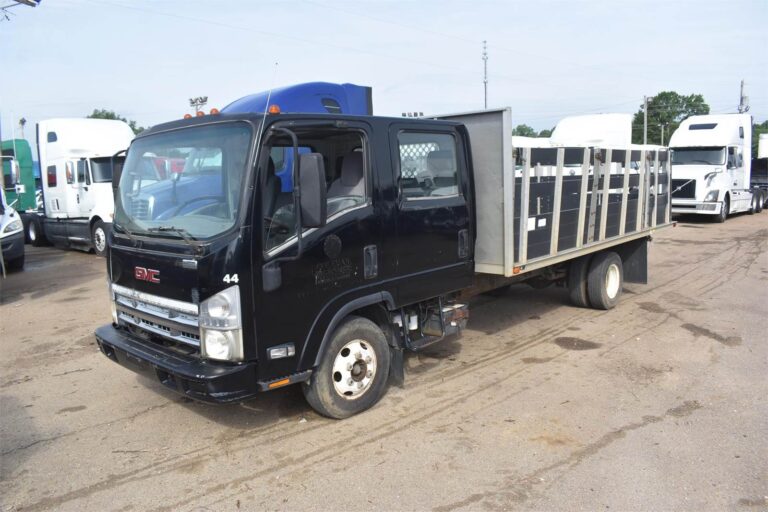
For new, niche applications, you might see models from manufacturers like Hino, Isuzu, or Mitsubishi Fuso (typically medium-duty), or even specialized European brands if imported for specific purposes.
What to Look For When Buying a Cabover: Your Pre-Purchase Checklist
Purchasing any heavy truck is a significant investment, and a cabover is no exception. Here are critical factors to scrutinize:
-
Comprehensive Mechanical Inspection:
- Engine & Transmission: Check for leaks, unusual noises, smoke, and smooth shifting. Request a diagnostic scan.
- Chassis & Frame: Look for cracks, rust, or previous repair welds that might indicate structural issues.
- Suspension & Brakes: Inspect airbags, leaf springs, brake pads, drums/rotors, and air lines.
- Tires: Check tread depth and overall condition.
- Electrical System: Test all lights, gauges, HVAC, and power accessories.
-
Maintenance Records: A complete service history is invaluable. It reveals how well the truck has been cared for and helps predict future maintenance needs. A lack of records should raise a red flag.
-
Mileage and Engine Hours: While high mileage isn’t always a deal-breaker for a well-maintained truck, it impacts component life. Correlate mileage with engine hours, especially if the truck spent a lot of time idling.
-
DOT Compliance: Ensure the truck meets all Department of Transportation (DOT) safety regulations. Check for current inspection stickers and ask about any past violations.
-
Cab Condition & Functionality:
- Tilting Mechanism: Test the cab tilt mechanism to ensure it operates smoothly and securely. This is crucial for maintenance access.
- Interior Comfort: Assess the condition of the seats, dashboard, and sleeper (if applicable). Look for signs of water leaks or excessive wear.
- Noise & Vibration: During a test drive, pay close attention to engine noise, vibration, and heat intrusion into the cab.
-
Customization and Modifications: Be wary of poorly executed modifications. Ensure any aftermarket additions are professionally installed and don’t compromise safety or structural integrity.
-
Pricing Factors: Age, mileage, condition, brand, and specific features all influence the price. Research comparable sales to ensure you’re getting a fair deal. Don’t be afraid to negotiate.
Legal & Regulatory Considerations for Cabovers in the USA
Operating a heavy truck in the USA comes with stringent regulations, and cabovers are subject to the same rules as conventional trucks. However, their unique dimensions can sometimes play a role in specific interpretations.
- Overall Length Regulations: The primary advantage of cabovers was historically tied to overall length limits. While federal limits on overall length for tractor-trailer combinations were largely deregulated, some states might still have nuances, particularly for specific routes or combinations. Always verify state-specific regulations for your intended operation.
- Bridge Laws (Federal Bridge Formula): Cabovers, with their often-optimized weight distribution, can sometimes maximize payload within the Federal Bridge Formula. This formula dictates the maximum weight that can be carried on a group of axles, based on the distance between the axles. A well-configured cabover can utilize this to its advantage.
- Safety Inspections: All commercial motor vehicles must pass regular DOT safety inspections. Ensure any cabover you consider will readily meet these standards. This includes brake systems, lighting, tires, steering, and suspension.
For detailed and up-to-date information on federal regulations, always consult the Federal Motor Carrier Safety Administration (FMCSA) website, a trusted external source for all trucking compliance needs.
The Cabover Community and Its Enduring Appeal
Beyond their practical applications, cabover semi trucks foster a vibrant community of enthusiasts. Many owner-operators and collectors cherish these trucks, dedicating significant time and resources to their restoration and preservation. This community often serves as a valuable resource for parts, advice, and shared passion.
This passionate following ensures that knowledge and expertise about cabovers remain accessible. It also points to a continuing niche market for parts and specialized repair services, even for older models.
Maintenance Tips for Cabover Owners
Owning a cabover means embracing its unique maintenance aspects. Here are a few pointers:
- Master the Cab Tilt: Understand the proper procedure for tilting the cab safely and securely. Always ensure the cab is fully latched down before driving.
- Regular Fluid Checks: Due to the engine’s location, it might be tempting to skip checks, but consistent oil, coolant, and other fluid level monitoring is paramount.
- Component Accessibility: While engine access is different, many peripheral components (e.g., air filters, battery boxes) might be more accessible from the side or front panels without tilting the cab. Learn your truck’s layout.
- Specialized Tools: Some mechanics might require specific tools or techniques for certain cabover repairs. Confirm your chosen service center is well-equipped.
Pro Tips for a Successful Cabover Purchase
Based on my experience facilitating numerous truck acquisitions, here are some actionable tips:
- Define Your Mission: Clearly articulate what you’ll be hauling, where, and how often. This will help narrow down the type of cabover (sleeper vs. day cab, engine size) that best suits your needs.
- Budget Beyond the Purchase Price: Factor in potential immediate repairs, registration fees, insurance, and ongoing maintenance costs. A lower purchase price might mean higher initial repair expenses.
- Get a Pre-Purchase Inspection (PPI): Even if you’re mechanically inclined, have an independent, certified heavy-duty truck mechanic perform a thorough inspection. This can uncover hidden issues that might cost thousands down the line.
- Test Drive Extensively: Don’t just take it around the block. Drive it loaded if possible, on highways and through some tighter turns, to get a real feel for its performance, handling, and comfort.
- Network: Talk to other cabover owners or drivers. They can offer invaluable insights into specific models, common issues, and reliable mechanics.
Common Mistakes to Avoid When Buying a Cabover
- Impulse Buying: Don’t fall in love with the look without verifying the mechanical soundness. The "cool factor" can quickly turn into a money pit.
- Ignoring Rust: Especially for older trucks, rust can be more than cosmetic. It can compromise structural integrity, particularly on the frame rails and cab mounts.
- Overlooking Documentation: Ensure the title is clear, and all paperwork is in order. Verify VIN numbers match everywhere.
- Not Accounting for Parts Availability: While many engine and drivetrain components are universal, some cab-specific parts for older models might be harder to source. Research this for specific models.
- Skipping the Test Drive: This is non-negotiable. You need to feel how the truck operates, listens to its sounds, and assesses its comfort firsthand.
Conclusion: Your Cabover Journey Awaits
The market for Cabover Semi Trucks For Sale In USA is a dynamic one, offering unique opportunities for operators seeking maneuverability, optimal weight distribution, and a distinctive aesthetic. While their role in the American trucking landscape has evolved, cabovers remain a powerful and practical choice for specific applications, from urban deliveries to specialized hauling.
By understanding their history, appreciating their advantages, diligently evaluating potential purchases, and being aware of the associated considerations, you can confidently navigate this exciting segment of the heavy truck market. With the right research and a keen eye, your next cabover could be the perfect addition to your fleet, ready to tackle the road ahead with efficiency and style. Happy hunting, and may your journeys be smooth and profitable!