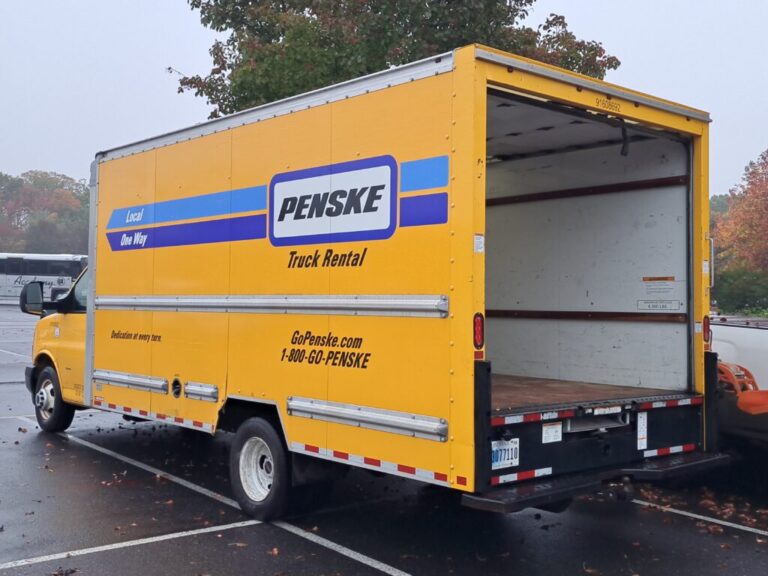
Unlocking the Costs: Your Ultimate Guide to Pricing a Penske Truck One Way Move
Unlocking the Costs: Your Ultimate Guide to Pricing a Penske Truck One Way Move Lmctruck.Guidemechanic.com
Moving is often cited as one of life’s most stressful events, and a significant portion of that stress stems from the financial unknowns. When planning a one-way move, especially across state lines or long distances, understanding the true cost of your moving truck rental is paramount. Among the leading providers, Penske Truck Rental stands out for its reliable fleet and comprehensive services, but many prospective movers find themselves asking: "How exactly do I price a Penske truck one way?"
This article serves as your definitive guide, peeling back the layers of pricing structures, hidden fees, and essential add-ons that contribute to your final bill. Our mission is to equip you with the knowledge to accurately estimate your expenses, make informed decisions, and navigate your next one-way move with confidence. We’ll dive deep into every factor, offering expert insights and actionable tips to help you budget effectively.
Unlocking the Costs: Your Ultimate Guide to Pricing a Penske Truck One Way Move
Understanding Penske’s One-Way Rental Model
Renting a truck for a one-way trip differs significantly from a local rental. With a one-way rental, you pick up the truck at one location and return it to a different, pre-specified Penske facility. This model offers unparalleled convenience for long-distance moves, eliminating the need to drive the truck back to its original pick-up point.
However, this convenience comes with a more complex pricing structure. Penske, like other rental companies, must balance its fleet across the country. The cost you pay is influenced by the demand for trucks in your origin and destination cities, ensuring they maintain an efficient distribution of their vehicles.
Core Factors Influencing Your Penske One-Way Rental Price
The final price for your Penske one-way rental isn’t a simple flat fee; it’s a dynamic calculation based on several key variables. Understanding these factors is the first step toward accurately estimating your moving expenses. Let’s break down each element in detail.
1. Distance and Mileage Allowance
The distance you intend to travel is arguably the most significant factor determining your base rental rate. Penske calculates a base mileage allowance for your specific one-way route, which is included in your initial quote. This allowance is designed to cover the most direct and efficient path between your chosen pick-up and drop-off locations.
If your actual travel exceeds this allotted mileage, you will incur an additional per-mile charge. This fee can add up quickly, so it’s crucial to plan your route carefully and factor in any potential detours or extra stops. Based on my experience, unexpected side trips are a common source of budget overruns for movers.
2. Truck Size Selection
Penske offers a range of truck sizes, from a 12-foot cargo van suitable for a studio apartment to a 26-foot truck capable of moving a 3-5 bedroom home. Naturally, larger trucks command a higher base rental price. The larger the truck, the more fuel it consumes, and the more capacity it offers, all of which are reflected in the cost.
Choosing the right truck size is a delicate balance. While opting for a smaller truck might seem like a cost-saving measure, an undersized truck could lead to multiple trips or, worse, not being able to fit all your belongings. Conversely, an oversized truck means you’re paying for unused space and potentially higher fuel consumption. Our pro tip is to meticulously inventory your belongings and use Penske’s online truck size estimator to make an informed decision. For a deeper dive into choosing the right truck size, check out our guide on .
3. Rental Duration
Penske typically provides a set number of rental days for your one-way move, which is included in your base price. This duration is calculated based on the distance you’re traveling, allowing ample time for pick-up, loading, driving, and unloading. For instance, a cross-country move will naturally come with more allotted days than a shorter regional one.
Should you need the truck for additional days beyond the initial allowance, you will be charged a daily extension fee. It’s vital to communicate any potential delays or requests for extra time with Penske in advance. Planning your schedule realistically can prevent these unexpected surcharges.
4. Time of Year and Seasonality
The season and even the specific day you choose to move can significantly impact your Penske one-way rental price. Moving during peak season, typically the summer months (May through August), and especially around holidays or month-ends, will almost always result in higher rental rates. This surge in price is a direct reflection of increased demand.
Conversely, moving during the off-peak season—late fall, winter, or early spring—can often lead to substantial savings. Weekdays are generally cheaper than weekends for similar reasons. If your schedule allows for flexibility, choosing an off-peak moving date can be one of the most effective strategies to lower your overall cost.
5. Origin and Destination Locations
The specific Penske locations for your pick-up and drop-off play a critical role in pricing. This factor ties into Penske’s need to balance its fleet. If you’re picking up a truck in a city with an excess of available trucks and dropping it off in a city where trucks are in high demand, Penske might offer a more competitive rate.
Conversely, if you’re moving a truck into an area that already has an oversupply, or out of an area with high demand, the price may be higher. This is part of the logistics challenge for rental companies, and their pricing reflects the effort required to reposition their fleet. Always get quotes for your exact origin and destination.
6. Fuel Costs
While not technically part of the rental fee itself, fuel is a substantial and often underestimated expense for any one-way truck rental. Penske trucks run on diesel fuel, which can be more expensive than regular gasoline. Your rental agreement will typically require you to return the truck with the same fuel level as when you picked it up.
Failing to refuel the truck to the specified level will result in a refueling charge from Penske, which usually includes the cost of the fuel plus a service fee. Pro tips from us include budgeting generously for fuel, using a fuel cost calculator online, and considering fuel efficiency driving practices to minimize this expense.
Essential Add-Ons and Optional Services (and their costs)
Beyond the base rental rate, several optional add-ons and services can enhance your moving experience but will also add to your total cost. It’s crucial to understand these options and decide which ones provide real value for your specific move.
1. Rental Truck Insurance
This is a critical consideration often overlooked until the last minute. Penske offers various insurance options to protect you and the rental truck in case of an accident. Based on my experience, many personal auto insurance policies do not extend coverage to rental trucks, making separate rental truck insurance a wise investment.
Penske typically offers several types of coverage:
- Limited Damage Waiver (LDW): Covers damage to the Penske truck, regardless of fault.
- Supplemental Liability Insurance (SLI): Provides additional liability coverage for damages or injuries to third parties.
- Personal Accident Insurance (PAI): Covers medical expenses for the driver and passengers in the event of an accident.
- Towing Insurance: Covers damage to your towed vehicle if you’re using a car carrier or tow dolly.
Carefully review each option and compare it with your existing insurance policies. While an additional cost, the peace of mind and financial protection offered by adequate insurance can be invaluable.
2. Moving Equipment Rentals
To make your loading and unloading process smoother and safer, Penske offers a variety of moving equipment for rent. These items, while adding to your cost, can significantly reduce physical strain and prevent damage to your belongings.
Common equipment rentals include:
- Hand Trucks/Dollies: Essential for moving heavy boxes and appliances.
- Furniture Pads/Moving Blankets: Protect furniture from scratches and dents during transit.
- Appliance Dollies: Specifically designed for safely moving refrigerators, washers, and dryers.
- Towing Equipment: Car carriers (for full vehicle transport) and tow dollies (for front-wheel-drive vehicles) are available if you need to transport a personal vehicle.
Remember to factor these into your budget if you don’t own them already. The cost of replacing a damaged item often far exceeds the rental fee for protective equipment.
3. Packing Supplies
While Penske primarily focuses on truck rentals, they also offer a selection of packing supplies available for purchase. This can be convenient, allowing you to get everything you need in one place.
These supplies include:
- Moving Boxes: Various sizes to accommodate different items.
- Packing Tape: Strong, durable tape for securing boxes.
- Bubble Wrap and Packing Paper: For protecting fragile items.
- Mattress Bags: To keep mattresses clean and protected.
Purchasing these from Penske adds to your overall cost, but ensures you have high-quality, purpose-built moving supplies.
The Quoting Process: How to Get the Most Accurate Price
Obtaining an accurate quote is fundamental to budgeting your one-way Penske move. Don’t rely on ballpark figures; take the time to get a precise estimate.
1. Use Penske’s Online Quoting Tool
Penske’s website features an intuitive online quoting tool that is often the quickest way to get an initial estimate. You’ll need to input your pick-up and drop-off locations, desired dates, and the estimated truck size. The tool will then provide a preliminary cost breakdown.
While convenient, remember that online quotes are estimates and might not include every potential fee or current discount. They are an excellent starting point for comparison and planning.
2. Call Penske Directly
For the most accurate and personalized quote, we highly recommend calling Penske’s reservation line. Speaking with a representative allows you to:
- Confirm availability for specific dates and truck sizes.
- Discuss any unique aspects of your move.
- Inquire about current promotions or discounts that might not be visible online.
- Clarify all included and optional charges.
Be prepared to provide your exact pick-up and drop-off locations, desired dates, and the estimated size of the truck you need.
3. Visit a Penske Location
If you have a Penske facility nearby, visiting in person can also be beneficial. This allows you to speak face-to-face with staff, potentially inspect the trucks, and get a quote directly from the source. This is particularly useful if you have complex questions or need to discuss specific equipment needs.
Pro tips from us: Always get multiple quotes, even from Penske themselves at different times or through different channels. Prices can fluctuate based on fleet availability.
Decoding Your Penske Quote: What to Look For
Once you receive a quote, don’t just look at the bottom line. Take the time to understand each component. A comprehensive quote should clearly itemize:
- Base Rental Rate: This is the core cost for the truck and the included mileage/days.
- Estimated Mileage Surcharge: If your route exceeds the allowance.
- Additional Day Fees: If you requested or expect to need extra days.
- Insurance Costs: Clearly itemized for each type of coverage you selected.
- Equipment Rental Fees: Costs for dollies, pads, etc.
- Towing Device Fees: If you’re renting a car carrier or tow dolly.
- Taxes and Fees: This can include state sales tax, environmental fees, or administrative charges. These are often non-negotiable but good to be aware of.
- Estimated Fuel Cost: While an estimate, it helps you budget.
Always ask for a detailed breakdown if your quote isn’t clear. Common mistakes to avoid are assuming "all-inclusive" or overlooking the fine print regarding mileage or late return fees.
Strategies to Save Money on Your Penske One-Way Rental
While a one-way move has inherent costs, there are numerous strategies you can employ to lighten the financial load. Smart planning and flexibility can lead to significant savings.
1. Book in Advance
Early birds often get the best rates, especially during peak moving seasons. Booking your Penske truck several weeks or even months in advance can lock in a better price and ensure availability of your preferred truck size. Last-minute rentals, particularly for one-way moves, tend to be more expensive due to limited options.
2. Be Flexible with Your Dates
As discussed, seasonality and specific days of the week impact pricing. If possible, consider moving during the off-peak season (mid-September to April) or on a weekday (Monday-Thursday) rather than a weekend or holiday. Even shifting your move by a few days can sometimes yield a noticeable difference in cost.
3. Choose the Right Truck Size
Avoid paying for unused space. While it’s tempting to get a larger truck "just in case," an accurate assessment of your belongings will help you select the smallest feasible truck. A smaller truck means a lower base rate and potentially better fuel efficiency.
4. Look for Discounts and Promotions
Penske is known for offering various discounts. Always inquire about any current promotions when getting your quote. Common discounts include:
- AAA Discounts: Members often receive a percentage off.
- Military Discounts: For active duty and veteran personnel.
- College Student Discounts: Can be seasonal or year-round.
- Corporate Discounts: If your employer has a partnership with Penske.
Don’t be shy about asking if you qualify for any of these; they can shave a significant amount off your total.
5. DIY Packing and Loading
Hiring professional movers for packing and loading can add hundreds, if not thousands, to your moving expenses. By handling these tasks yourself, possibly with the help of friends and family, you can dramatically reduce your overall costs. Remember to factor in the cost of your time and effort, but the financial savings are substantial.
6. Return the Truck Clean and on Time
Adhere strictly to the rental agreement. Returning the truck late will incur additional daily fees. Similarly, if the truck is excessively dirty upon return, you might face cleaning charges. A quick sweep and removal of all your belongings before drop-off can save you money.
7. Drive Fuel Efficiently
Since fuel is a major expense, adopting fuel-efficient driving habits can help. Avoid excessive speeding, harsh acceleration, and sudden braking. Plan your route to minimize detours and traffic congestion. Every bit of fuel saved translates directly to money in your pocket.
Common Mistakes to Avoid When Renting One-Way
Even experienced movers can make errors that lead to unexpected costs or stress. Based on our experience helping countless individuals and families move, here are some common pitfalls to steer clear of:
1. Underestimating Truck Size
This is perhaps the most frequent mistake. Renting a truck that’s too small means either leaving items behind, making multiple trips (which isn’t feasible for a one-way move), or having to scramble for a larger truck last minute, often at a premium price. Always err on the side of slightly larger if you’re truly on the fence.
2. Not Reading the Rental Agreement Carefully
The rental agreement is a legally binding document outlining all terms, conditions, and charges. It details mileage allowances, fuel requirements, late fees, damage clauses, and insurance specifics. Skipping this crucial step can lead to surprises later. Take the time to review it thoroughly before signing.
3. Forgetting About Fuel Costs
As mentioned, fuel is a significant expense. It’s easy to focus solely on the rental rate and forget to budget adequately for gas. Create a separate line item in your moving budget specifically for fuel, and consider current fuel prices in your estimate.
4. Ignoring Insurance Options
Assuming your personal auto insurance covers a large rental truck is a risky gamble. Always verify your coverage or seriously consider purchasing the additional insurance offered by Penske. A small accident without proper coverage can result in massive financial liability.
5. Not Inspecting the Truck Before Leaving
Before driving off, thoroughly inspect the rental truck with a Penske representative. Document any existing dents, scratches, or damage with photos or videos. Ensure these are noted on your rental agreement. This protects you from being held responsible for pre-existing damage upon return.
Beyond the Truck: Other Moving Expenses to Budget For
While this article focuses on pricing a Penske truck one way, it’s vital to remember that the truck rental is just one component of your overall moving budget. To avoid financial surprises, you should also budget for:
- Fuel for Your Personal Vehicle: If you’re driving a separate car.
- Tolls: Especially for long-distance moves across multiple states.
- Food and Lodging: For overnight stays during your journey.
- Utilities Setup/Transfer Fees: For your new home.
- Cleaning Supplies: For your old residence.
- Miscellaneous Expenses: Unexpected repairs, roadside snacks, etc.
And if you’re looking for comprehensive packing tips, our article on can help ensure your belongings are ready for the journey.
Conclusion: Empowering Your Penske One-Way Move
Pricing a Penske truck one way doesn’t have to be a mystery. By understanding the core factors that influence costs—distance, truck size, duration, seasonality, and location—you gain significant control over your moving budget. Layer in the considerations for insurance, equipment rentals, and smart saving strategies, and you’re well on your way to a transparent and predictable moving experience.
Remember, preparation is key. Get detailed quotes, read the fine print, and don’t hesitate to ask questions. With this comprehensive guide, you are now equipped to navigate the pricing complexities of your Penske one-way rental, ensuring a smoother, more cost-effective transition to your new home. Start planning today, get your personalized quote, and embark on your next adventure with confidence! You can always get the most up-to-date information directly from the source at Penske Truck Rental’s official website.