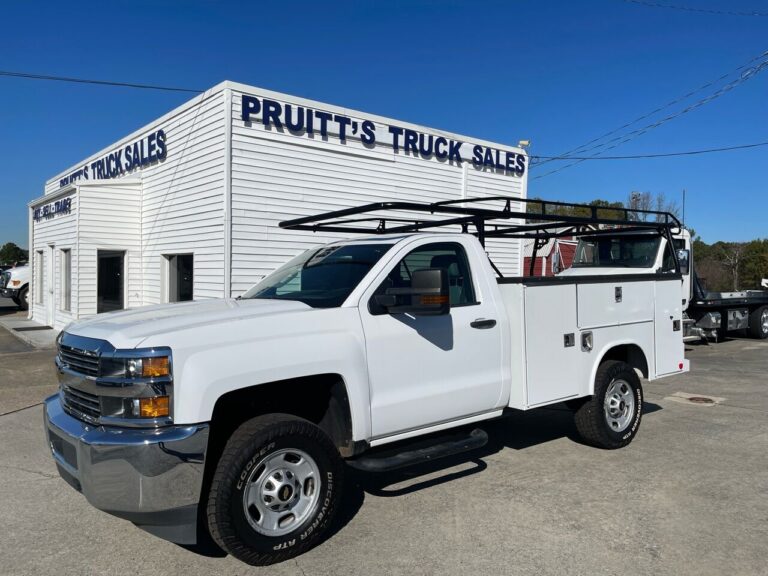
Unlocking the Anatomy of Power: A Deep Dive into Every Essential Truck Parts Name
Unlocking the Anatomy of Power: A Deep Dive into Every Essential Truck Parts Name Lmctruck.Guidemechanic.com
The rumble of a heavy-duty truck on the highway is more than just noise; it’s the symphony of thousands of precisely engineered components working in harmony. For anyone involved with commercial vehicles – owners, operators, mechanics, or even enthusiasts – understanding the intricate world of truck parts name and their functions is not just helpful, it’s absolutely crucial. This comprehensive guide will take you on an in-depth journey through the vital organs and systems that make these behemoths of the road tick.
Based on my extensive experience in the trucking industry, recognizing these parts goes beyond mere identification. It empowers you to make informed decisions, ensuring safety, optimizing performance, and significantly extending the lifespan of your valuable asset. Let’s peel back the layers and explore the core components that define the modern truck.
Unlocking the Anatomy of Power: A Deep Dive into Every Essential Truck Parts Name
The Powerhouse: Engine and Drivetrain Components
At the very heart of any truck lies its engine, the core generator of power. Understanding its components and those of the drivetrain is fundamental to comprehending how a truck moves and operates. These systems are complex, robust, and designed for relentless performance.
The Engine Block and Its Internal Mechanisms
The engine block is the foundational structure, often cast from iron or aluminum, that houses the cylinders and provides a framework for all other engine components. It’s the rigid backbone ensuring everything stays aligned under immense stress and heat. Attached to the block are the cylinder heads, which contain the valves and often the fuel injectors in modern diesel engines.
Inside the cylinders, pistons move up and down, converting the energy from combustion into mechanical motion. These pistons are connected to the crankshaft via connecting rods, transforming the linear motion of the pistons into rotational motion. The crankshaft, in turn, delivers this power to the transmission.
Synchronizing the opening and closing of valves is the job of the camshaft, which is driven by the crankshaft through a timing chain or gears. The precise timing of these events is critical for the engine’s efficiency and power output. Every single component here works in perfect unison, a testament to intricate engineering.
Fuel System: Delivering the Lifeblood
For an engine to run, it needs fuel, and the fuel system is responsible for its precise delivery. This system typically includes the fuel tank, where the diesel or gasoline is stored, and a fuel pump that draws the fuel from the tank. In modern trucks, you’ll often find both a lift pump and a high-pressure injection pump.
Fuel then passes through several fuel filters to remove contaminants before reaching the fuel injectors. These injectors are highly sophisticated devices that atomize fuel into a fine mist, spraying it directly into the combustion chambers or intake manifold at precise times and pressures. A clean fuel system is paramount for engine health and fuel efficiency.
Common mistakes to avoid often involve neglecting fuel filter changes, which can lead to clogged injectors and significant engine performance issues. Pro tips from us include always using high-quality fuel filters and adhering strictly to manufacturer’s recommended service intervals.
Exhaust System: Managing Emissions
The exhaust system is more than just a pipe; it’s a critical component for directing spent gases away from the engine and, more importantly in today’s world, for controlling emissions. After combustion, hot exhaust gases exit the engine through the exhaust manifold, which collects them from individual cylinders.
From there, the gases typically pass through a turbocharger, a device that uses the exhaust gas energy to spin a turbine, which in turn compresses fresh air into the engine, significantly boosting power. Following the turbocharger, modern heavy-duty trucks employ sophisticated emissions control devices such as a Diesel Particulate Filter (DPF) and a Selective Catalytic Reduction (SCR) system with Diesel Exhaust Fluid (DEF). These systems reduce harmful pollutants, making them environmentally compliant.
Understanding the health of your exhaust system, especially the DPF, is vital for maintaining compliance and avoiding costly repairs. A clogged DPF can severely impact engine performance and fuel economy.
Cooling System: Preventing Overheating
The intense heat generated by an internal combustion engine requires a robust cooling system to prevent catastrophic damage. The primary component is the radiator, which dissipates heat from the engine coolant to the ambient air. A fan often assists in this process, especially at low speeds or when idling.
The water pump circulates coolant throughout the engine block and cylinder heads, absorbing heat as it goes. A thermostat regulates the engine’s operating temperature by controlling the flow of coolant. Maintaining the correct coolant level and ensuring the system is free of leaks or blockages is essential for engine longevity.
Based on my experience, regular inspection of hoses, belts, and coolant levels can prevent many common cooling system failures. Overheating can lead to warped cylinder heads or even engine seizure, highlighting the critical role of these parts.
Transmission: Shifting Power to the Wheels
The transmission is the crucial link that transfers power from the engine to the drive wheels, allowing for varying speeds and torque output. Trucks can have either manual transmissions, where the driver manually selects gears using a clutch and gear lever, or automatic transmissions, which shift gears autonomously.
A clutch is an essential component in manual transmissions, disengaging the engine from the transmission to allow for smooth gear changes. In automatic transmissions, a torque converter performs a similar function, allowing the engine to spin while the wheels are stopped, and multiplying torque at low speeds. The transmission uses a series of gears to provide different ratios, optimizing the engine’s power for various driving conditions, from starting heavy loads to cruising at highway speeds.
Driveshaft and Axles: The Final Power Delivery
Once power leaves the transmission, it travels through the driveshaft (also known as a propeller shaft) to the rear axles. The driveshaft is a long, rotating tube equipped with universal joints (U-joints) at each end, allowing it to transmit power smoothly even when the angle between the transmission and the axle changes due to suspension movement.
The axles are the final components in the drivetrain, supporting the weight of the truck and containing the differential. The differential allows the wheels on the same axle to rotate at different speeds when the truck turns, preventing tire scrub and improving maneuverability. Heavy-duty trucks often have multiple drive axles, each with its own differential, to handle immense loads.
Mastering Control: Braking and Suspension Systems
Beyond moving forward, a truck’s ability to stop and handle safely is paramount. The braking and suspension systems are engineered to provide maximum control and stability, even under the most demanding conditions.
Braking System: Stopping the Behemoth
The braking system is arguably the most critical safety feature on any truck. Most heavy-duty trucks utilize air brakes, which operate using compressed air rather than hydraulic fluid. Key components include an air compressor (driven by the engine), an air dryer (to remove moisture), and air tanks (to store compressed air).
When the brake pedal is pressed, air pressure is sent to brake chambers at each wheel. These chambers convert air pressure into mechanical force, pushing a pushrod that actuates the slack adjuster. The slack adjuster then rotates the S-cam, which spreads the brake shoes apart, pressing them against the inside of the brake drum. For trucks with disc brakes, the air pressure actuates a caliper that squeezes brake pads against a rotor.
Proper maintenance of the air system, including regular draining of air tanks and checking for leaks, is vital. Common mistakes include neglecting slack adjuster adjustments, which can lead to reduced braking efficiency and potential safety hazards. Modern trucks also feature Anti-lock Braking Systems (ABS), which prevent wheel lock-up during hard braking, enhancing control.
Suspension System: A Smooth and Stable Ride
The suspension system is designed to absorb shocks from the road, maintain tire contact with the surface, and provide a comfortable ride for the driver. Heavy-duty trucks commonly use leaf springs, which are stacks of curved metal strips that flex under load, or increasingly, air springs (airbags) that use compressed air to support the load and provide a smoother, adjustable ride.
Shock absorbers (dampers) work in conjunction with springs to control unwanted bouncing and oscillation, quickly dissipating energy. The suspension also includes various linkages like kingpins, tie rods, and control arms that connect the wheels to the chassis, allowing for steering and ensuring proper wheel alignment. A well-maintained suspension not only improves ride quality but also extends tire life and enhances vehicle stability.
Pro tips from us: Regularly inspect suspension components for wear, especially bushings and shock absorber leaks, as these can significantly impact handling and tire wear.
The Electrical Nerve Center: Lights, Sensors, and Wiring
Modern trucks are highly sophisticated machines, and much of their operation, safety, and comfort relies on complex electrical and electronic systems. These components are the nerve center, controlling everything from engine management to cabin climate.
Battery and Alternator: The Power Source
The battery provides the initial surge of power to start the engine and acts as a reservoir for electrical energy when the engine is off or at low RPMs. Trucks typically use multiple 12-volt batteries connected in series or parallel to provide 12V or 24V power.
Once the engine is running, the alternator takes over, generating electrical power to run all the truck’s electrical systems and recharge the battery. It’s essentially the truck’s onboard power plant. A failing alternator can quickly lead to a dead battery and a stranded truck.
Lighting Systems: Visibility and Safety
Proper lighting is non-negotiable for safety, especially for large vehicles operating day and night. The lighting system includes headlights (high and low beam), taillights, brake lights, turn signals, and numerous marker lights and clearance lights along the truck and trailer to indicate its size and presence to other drivers.
Fog lights and auxiliary work lights are also common, enhancing visibility in challenging conditions. Ensuring all lights are functional and properly aimed is a basic yet critical safety check for any truck operator.
Sensors and ECUs: The Brains of the Operation
Modern trucks are replete with sensors that monitor every conceivable parameter: engine speed, oil pressure, coolant temperature, exhaust gas temperature, air intake pressure, wheel speed (for ABS), and much more. These sensors feed data to various Electronic Control Units (ECUs), which are essentially the truck’s onboard computers.
The Engine Control Unit (ECU) is the most critical, managing fuel injection, ignition timing, turbocharger boost, and emissions controls. Other ECUs might control the transmission, braking system, and even cab electronics. These interconnected systems work tirelessly to optimize performance, fuel efficiency, and safety. Diagnosing issues in modern trucks often involves reading fault codes from these ECUs.
Wiring Harnesses: The Communication Network
All these electrical components are connected by an intricate network of wiring harnesses. These bundles of wires transmit power and data signals throughout the truck. While often out of sight, a damaged or corroded wiring harness can lead to a multitude of electrical problems, from intermittent sensor readings to complete system failures. Protecting these harnesses from wear and environmental damage is crucial for reliable operation.
Exterior & Interior Essentials: Safety, Comfort, and Functionality
Beyond the mechanical and electrical core, numerous other components contribute to the truck’s overall functionality, safety, and the driver’s experience. These parts are often what people first notice but are just as vital as the internal workings.
Cab and Body Components: The Truck’s Identity
The cab is the driver’s workplace and often their home away from home. It includes the chassis (the truck’s frame), the hood (engine cover), fenders (protecting wheels from debris), and the grille (allowing airflow to the radiator). Doors and mirrors (side mirrors, convex mirrors) are essential for entry, exit, and crucial visibility.
These exterior components are not just cosmetic; they play a role in aerodynamics, driver safety in case of an accident, and protecting internal systems from the elements. Maintaining the integrity of these parts helps ensure the truck’s longevity and professional appearance.
Trailer Connection Components: The Link to the Load
For tractor-trailers, the connection between the two units is critical. The fifth wheel is the large, coupling device mounted on the tractor’s chassis that latches onto the kingpin of the trailer. This robust connection allows the tractor to pivot and pull the trailer safely.
Understanding the proper operation and maintenance of the fifth wheel is paramount for preventing dangerous trailer detachments. Lubrication and regular inspection for wear are key to its safe functioning.
Interior Components: Driver Comfort and Control
Inside the cab, numerous components contribute to the driver’s comfort, control, and ability to operate the vehicle safely. The dashboard houses all the gauges, warning lights, and controls for various systems. The steering wheel and steering column provide directional control.
Seats are engineered for long-haul comfort and support, often with air suspension and multiple adjustments. The HVAC system (heating, ventilation, and air conditioning) maintains a comfortable cabin temperature. Other interior components include pedals (accelerator, brake, clutch), shifters, and various switches for lights, wipers, and auxiliary functions. A well-designed and functional interior contributes directly to driver alertness and safety.
Common Wear and Tear Parts: What to Look Out For
Some truck parts are designed to be replaced periodically due to normal wear and tear. Recognizing these items and understanding their replacement schedules is a cornerstone of proactive maintenance. Neglecting these can lead to more significant, costly failures.
Filters: The Guardians of Purity
Filters are consumable items crucial for protecting the truck’s vital fluids and air.
- Oil filters remove contaminants from the engine oil, ensuring clean lubrication.
- Air filters prevent dust and debris from entering the engine’s combustion chambers.
- Fuel filters ensure clean fuel delivery to the injectors.
- Cabin air filters improve air quality inside the cab.
Regular replacement of all filters, as per manufacturer specifications, is one of the easiest and most effective ways to extend the life of your truck.
Belts and Hoses: The Connectors
Belts (like the serpentine belt) drive various accessories such as the alternator, water pump, and air compressor. Hoses carry fluids like coolant, air, and hydraulic fluid throughout the engine and other systems. These components are made of rubber and can degrade over time due to heat, chemicals, and flexing. Cracks, fraying, or bulging in belts and hoses are clear indicators that they need replacement. A broken belt or burst hose can quickly lead to engine damage or breakdown.
Tires and Wheels: The Point of Contact
The tires are the truck’s only contact with the road, making their condition paramount for safety, fuel efficiency, and handling. Wheels (rims) support the tires. Regular inspection for proper inflation, tread depth, and signs of damage or uneven wear is crucial. Misaligned wheels, worn suspension components, or improper tire pressure can drastically reduce tire life and compromise safety. This is an area where penny-pinching can lead to catastrophic consequences.
Wiper Blades: Ensuring Clear Vision
Often overlooked, wiper blades are simple yet critical for driver visibility in adverse weather. Worn blades can smear water, reducing visibility and increasing driver fatigue. Replacing them regularly, especially before rainy or snowy seasons, is a small investment with a big impact on safety.
Why Understanding Truck Parts Matters: E-E-A-T in Action
My years in the trucking world have consistently shown that knowledge is power. Understanding the names and functions of various truck components provides immense value to anyone operating or maintaining these vehicles. This isn’t just about technical jargon; it’s about practical benefits that impact your bottom line and safety.
Improved Maintenance & Longevity
Knowing your truck’s parts allows you to identify potential issues early. You can better communicate with mechanics, accurately describe symptoms, and understand the scope of repairs. This proactive approach significantly reduces the likelihood of catastrophic failures, leading to better maintenance practices and extending the overall lifespan of your truck. It’s about preventing small problems from becoming huge expenses.
Cost Savings
When you know what a specific truck parts name refers to and its function, you’re less likely to be overcharged for unnecessary repairs or incorrect parts. You can make informed decisions about whether to use OEM (Original Equipment Manufacturer) or aftermarket parts, balancing cost with quality and warranty. This knowledge translates directly into substantial savings over the truck’s operational life. For further reading on this topic, consider exploring this guide on .
Enhanced Safety
Every component on a truck plays a role in its safe operation. From the braking system to the lighting and suspension, understanding how these parts work and recognizing signs of wear is fundamental to preventing accidents. Regular pre-trip inspections, informed by a solid understanding of critical components, are a truck driver’s first line of defense against road hazards.
Empowered Decision Making
Should you repair a component or replace it? Is that strange noise coming from the engine or the transmission? With a foundational understanding of truck parts, you can answer these questions with greater confidence. This empowerment means you’re not solely reliant on others for crucial decisions regarding your valuable asset, fostering a sense of control and responsibility.
Pro Tips from an Expert: Keeping Your Truck on the Road
Based on my professional experience, here are some actionable tips to help you navigate the world of truck parts and maintenance effectively:
- Embrace Regular, Thorough Inspections: Don’t just kick the tires. Dedicate time to a systematic pre-trip and post-trip inspection. Learn to recognize the normal sounds, smells, and sights of your truck. Any deviation could indicate an issue.
- Understand OEM vs. Aftermarket Parts:
- OEM (Original Equipment Manufacturer) Parts: These are identical to the parts your truck was built with. They generally offer guaranteed fit, quality, and often come with a warranty. While typically more expensive, they ensure compatibility and performance.
- Aftermarket Parts: Produced by companies other than the original manufacturer. They can be more affordable and offer a wider range of choices. However, quality can vary significantly. Pro tip: research reputable aftermarket brands known for quality and reliability. Sometimes, aftermarket parts even offer performance improvements.
- Build a Relationship with a Trusted Mechanic: A good mechanic is an invaluable asset. Find someone who specializes in heavy-duty trucks, has a strong reputation, and communicates clearly. They can guide you on part choices and maintenance schedules.
- Keep Comprehensive Records: Document all maintenance, repairs, and part replacements. This history is invaluable for troubleshooting, warranty claims, and significantly boosts the resale value of your truck.
- Don’t Skimp on Essential Safety Components: When it comes to brakes, tires, steering, and suspension components, always opt for the highest quality you can afford. These are not areas to cut corners. Common mistakes to avoid include delaying brake pad replacement or ignoring warning signs from your steering system.
Conclusion: Your Journey to Becoming a Truck Parts Savvy Professional
Navigating the complex world of truck parts might seem daunting at first, but with this comprehensive guide, you’re now armed with invaluable knowledge. From the mighty engine block to the smallest sensor, every truck parts name represents a crucial element in the seamless operation of these magnificent machines. Understanding their functions is not merely an academic exercise; it’s a practical skill that translates into greater safety, significant cost savings, and ultimately, a more reliable and longer-lasting vehicle.
As you continue your journey in the trucking industry, remember that continuous learning and proactive maintenance are your best allies. By applying the insights shared here, you’re not just identifying parts; you’re becoming a more empowered and knowledgeable professional, ready to tackle the road ahead with confidence. Keep exploring, keep learning, and keep those wheels turning safely and efficiently. For more expert insights into vehicle maintenance and operations, visit a trusted industry resource like the Federal Motor Carrier Safety Administration (FMCSA) for regulations and safety guidelines.