Unlocking Hidden Value: Your Ultimate Guide to Wrecked Trucks For Sale
Unlocking Hidden Value: Your Ultimate Guide to Wrecked Trucks For Sale Lmctruck.Guidemechanic.com
The allure of a bargain is powerful, especially in the automotive world. For many, the phrase "wrecked trucks for sale" conjures images of significant savings, a challenging yet rewarding project, or even a pathway to a profitable venture. While buying a damaged vehicle might seem daunting at first glance, it often presents a unique opportunity for those willing to look beyond the immediate damage and envision the potential.
This comprehensive guide is designed to navigate you through the intricate world of wrecked trucks. Whether you’re an aspiring mechanic, a seasoned DIY enthusiast, a parts hunter, or simply looking for a cost-effective way to acquire a robust vehicle, understanding the ins and outs of this market is crucial. We’ll explore everything from where to find these trucks to the critical inspections and financial considerations, ensuring you’re equipped to make informed decisions and unlock the hidden value in a seemingly broken machine.
Unlocking Hidden Value: Your Ultimate Guide to Wrecked Trucks For Sale
What Exactly Are "Wrecked Trucks"? A Deeper Dive
When we talk about "wrecked trucks for sale," it’s important to understand that this isn’t a single, uniform category. The term encompasses a broad spectrum of damage levels, from minor cosmetic blemishes to severe structural compromise. Each level presents different challenges and opportunities for potential buyers.
Minor damage might include dents, scratches, broken headlights, or minor fender damage. These are often straightforward repairs that don’t impact the truck’s core functionality or safety. Such vehicles can be excellent finds for those seeking a quick restoration project or a daily driver that simply needs a cosmetic facelift.
Moving up the scale, moderate damage could involve panel replacements, suspension issues, or localized frame damage that can be repaired. These trucks require a more significant investment of time, money, and expertise. However, the initial purchase price is often considerably lower, making them attractive to individuals with specific mechanical skills or access to affordable labor and parts.
Finally, severe damage refers to vehicles with extensive structural damage, major engine or transmission failure, or catastrophic impact. While these might seem unsalvageable, they still hold value. They are often purchased for their salvageable parts, or by highly specialized rebuilders who can perform complex frame straightening and component replacement. Understanding this spectrum is your first step in evaluating any "wrecked trucks for sale" listing.
Why Consider Wrecked Trucks For Sale? The Allure and Advantages
The decision to purchase a wrecked truck isn’t for everyone, but for a specific demographic, the advantages are compelling. The primary draw, undeniably, is the significant cost savings compared to buying a road-ready vehicle. A truck with a salvage title or visible damage can be acquired for a fraction of its market value in good condition.
Beyond the initial price, wrecked trucks serve as an excellent source for parts. Many individuals purchase these vehicles solely to dismantle them and use the components to repair another truck, or to sell individual parts for profit. This approach can be far more cost-effective than buying new OEM parts, especially for older or less common models.
For the mechanically inclined, a wrecked truck is the ultimate project vehicle. It offers a hands-on learning opportunity to understand automotive systems, practice repair techniques, and develop problem-solving skills. The satisfaction of bringing a damaged vehicle back to life, transforming it from a wreck into a fully functional machine, is incredibly rewarding.
Furthermore, there’s a potential for profit. Experienced rebuilders can meticulously restore a damaged truck, get it inspected and retitled, and then sell it for a substantial profit. This "buy low, rebuild, sell high" model is a legitimate business for many, turning a liability into a valuable asset. Pro tips from us: Don’t just look at the upfront savings; consider the full potential lifecycle of the vehicle, whether it’s for personal use, parts, or resale.
Navigating the Landscape: Where to Find Wrecked Trucks For Sale
Finding the right wrecked truck requires knowing where to look. The market is diverse, offering various platforms and avenues, each with its own advantages and considerations.
Online auction platforms are perhaps the most popular destination for "wrecked trucks for sale." Websites like Copart and IAAI specialize in selling salvage, damaged, and clear-title vehicles from insurance companies, fleet operators, charities, and dealers. These platforms offer a vast inventory, detailed damage reports (though always verify independently), and often high-resolution photos. While many auctions are open to the public, some require a dealer license, or you might need to use a broker.
Local salvage yards and junkyards are another traditional source. While their inventory might not be as digitally organized, a visit can reveal hidden gems. You can inspect the vehicles in person, often negotiate prices, and sometimes even pull parts directly if that’s your primary goal. This direct, hands-on approach allows for a more immediate assessment of the damage.
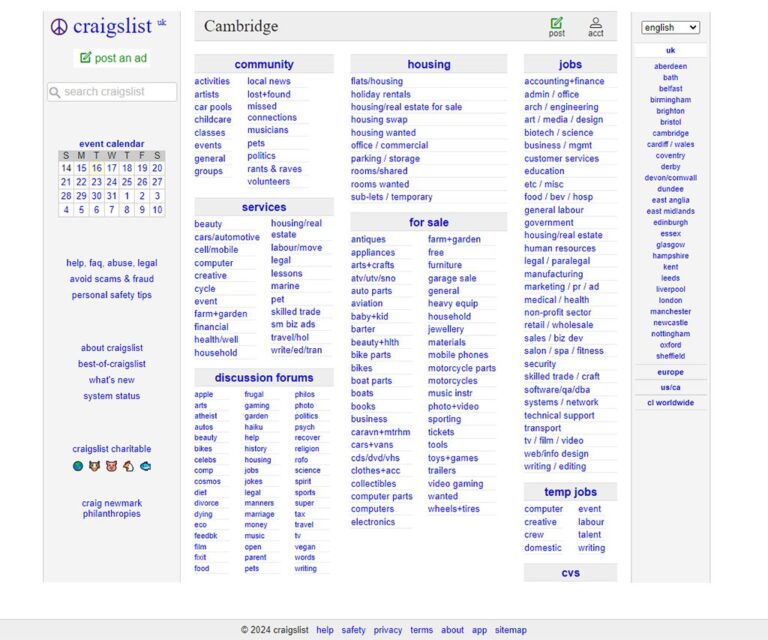
Private sellers, through platforms like Craigslist, Facebook Marketplace, or local classifieds, also list wrecked trucks. These sales can sometimes offer the best deals, as sellers might be eager to offload a damaged vehicle quickly. However, private sales often come with less transparency regarding vehicle history and condition, necessitating extra diligence on the buyer’s part.
Finally, some specialized dealers focus exclusively on buying, repairing, and selling damaged vehicles. While their prices might be higher than direct auction purchases, the trucks often come with some repairs already completed or a clearer path to restoration. Common mistakes to avoid are blindly bidding on an online auction without proper research and understanding the bidding process, including buyer fees and transportation costs.
The Critical Inspection: What to Look for Before Buying a Wrecked Truck
Based on my experience, a thorough pre-purchase inspection is non-negotiable when considering wrecked trucks for sale. This isn’t just about looking at the obvious dents; it’s about understanding the full scope of damage and its implications.
Damage Assessment: Begin with a comprehensive visual inspection. Look for signs of frame damage, which is often the most critical and expensive to repair. Misaligned body panels, uneven gaps, or wrinkled frame rails are major red flags. Next, assess the engine and transmission. Check for fluid leaks, listen for strange noises if it runs, and inspect for visible impact damage. These components are typically the most costly to replace or rebuild.
Don’t overlook the electrical system. Water damage, in particular, can wreak havoc on wiring harnesses, ECUs, and sensors, leading to persistent and hard-to-diagnose issues. Inspect the interior for signs of water intrusion (mold, mildew, rust on metal components), fire damage, or deployed airbags, which indicate a significant impact. Always inspect the undercarriage for rust, bent components, and leaks that might not be visible from above.
Title Status: This is paramount. Understand the difference between a "salvage title" and a "rebuilt title." A salvage title means the insurance company deemed the repair cost greater than a certain percentage of its value (often 70-80%). A rebuilt title signifies that the vehicle has been repaired, inspected, and deemed roadworthy again. Other titles like "flood," "fire," or "junk" carry their own specific implications. A salvage title often complicates insurance and resale, while a rebuilt title is generally more accepted.
Repair Estimates: Before committing, try to get preliminary repair estimates. This might involve taking photos to a reputable body shop or mechanic, or researching parts costs online. Factor in not just the parts but also the labor involved. Missing parts can quickly add up, so make a detailed list of anything absent. Finally, always pull a Vehicle History Report (like CarFax or AutoCheck). This can reveal previous accidents, title brands, odometer discrepancies, and other vital information not immediately apparent.
Understanding the Costs: Beyond the Purchase Price
Many aspiring buyers of wrecked trucks for sale make the critical error of focusing solely on the purchase price. However, the true cost of bringing a damaged vehicle back to life extends far beyond the initial transaction.
Repair Costs are often the largest variable. This includes the expense of new or used parts, as well as the labor involved if you’re not doing the work yourself. Depending on the damage, these costs can quickly escalate, sometimes exceeding the value of the truck itself. Always obtain multiple quotes and factor in potential unforeseen issues that arise during the repair process.
Towing and Transportation costs are frequently overlooked. A non-running wrecked truck will need to be transported from the auction yard or seller’s location to your workshop or home. This can be a significant expense, especially for long distances or large trucks requiring specialized towing.
If the truck has a salvage title and you intend to register it for road use, you’ll need to pay registration fees for rebuilt titles, which can be different from standard registration. Additionally, many states require a special inspection to verify the repairs and ensure the vehicle’s safety before issuing a rebuilt title.
Insurance costs can also be higher or more difficult to obtain for vehicles with a salvage or rebuilt title. Some insurance companies may refuse to provide full coverage, or only offer liability, due to the vehicle’s history. It’s crucial to check with your insurance provider before purchasing.
Finally, consider the investment in tools and equipment if you plan to do the repairs yourself. You might need specialized tools for bodywork, engine repair, or electrical diagnostics. And perhaps the most undervalued cost: time investment. Rebuilding a wrecked truck is a time-consuming endeavor that requires dedication and patience. Pro tips from us: Always add a contingency fund of at least 20-30% on top of your estimated repair budget to cover unexpected expenses and ensure you don’t run out of funds mid-project.
The Rebuilding Process: From Wreck to Road-Worthy
Once you’ve acquired your chosen one from the selection of wrecked trucks for sale, the real work begins. The rebuilding process is a meticulous journey that transforms a damaged shell into a functional vehicle, and it requires careful planning and execution.
Planning Your Repair Strategy is the first crucial step. Before turning a single wrench, fully assess the damage and create a detailed plan. Prioritize repairs: structural integrity and safety components come first, followed by mechanical functionality, and finally, cosmetic work. Research repair procedures and identify all necessary parts.
Sourcing Parts effectively can make or break your budget. You have several options: new OEM parts (most expensive), aftermarket parts (often more affordable), or used parts from other salvage vehicles. For many, finding used parts from similar donor trucks at a salvage yard is the most economical approach. This requires patience and a good eye for quality.
Deciding between DIY vs. Professional Repair depends on your skill level, available tools, and budget. For minor repairs, DIY is feasible. For complex structural work, engine overhauls, or intricate electrical issues, professional help might be necessary. Be realistic about your capabilities to avoid making the damage worse or creating unsafe conditions.
If your truck has a salvage title and you intend to register it, you’ll go through the Salvage Title Inspection Process. This is state-specific but generally involves a thorough examination by a state-certified inspector to ensure all repairs meet safety standards and that stolen parts were not used. All receipts for parts purchased are typically required.
Above all, Safety First must be your mantra. Ensure all structural components, braking systems, steering, and airbags (if applicable) are repaired correctly and to manufacturer specifications. An improperly repaired vehicle poses a significant risk to you and others on the road. Check out our guide on "Essential Tools for Truck Restoration Projects" for more details on equipping your workshop.
Legal and Regulatory Considerations for Wrecked Trucks
Understanding the legal landscape surrounding wrecked trucks for sale is as important as the mechanical aspects. The title status of a vehicle dictates its legality, insurability, and future resale value.
As discussed, a Salvage Title indicates that an insurance company declared the vehicle a total loss. This doesn’t necessarily mean it’s irreparable, but it signals significant damage. A vehicle with a salvage title cannot be legally driven on public roads in most states until it undergoes a thorough inspection and is issued a Rebuilt Title.
State-Specific Laws for Rebuilding and Registering vary widely. Some states have stringent inspection processes, requiring detailed documentation of all repairs and receipts for every part purchased. Others might be more lenient. It’s imperative to research your local Department of Motor Vehicles (DMV) or equivalent agency’s requirements before purchasing a salvage vehicle. Failure to comply can result in an inability to register the truck, rendering your investment useless.
Insurance Implications are a significant concern. Many insurance companies are hesitant to offer full comprehensive and collision coverage on vehicles with a rebuilt title, often only providing liability insurance. This is due to the perceived higher risk and difficulty in assessing the pre-accident condition and repair quality. Always consult with your insurance provider to understand your options and potential premiums.
Finally, consider the Resale Value Considerations. While you might save money upfront, a truck with a rebuilt title will almost always have a lower resale value than an equivalent vehicle with a clean title. Buyers are often wary of rebuilt titles, even if the repairs were professionally done. Factor this depreciation into your overall financial analysis. For more detailed information on salvage titles and their implications, you can refer to reputable automotive resources like NADA Guides, which often provide comprehensive explanations.
Who Benefits Most from Wrecked Trucks For Sale?
While the market for wrecked trucks for sale is open to anyone, certain individuals and businesses are uniquely positioned to benefit most from these challenging yet rewarding acquisitions.
Experienced Mechanics are at the top of this list. Their deep understanding of vehicle systems, diagnostic skills, and access to tools and repair knowledge make them ideal candidates. They can accurately assess damage, perform complex repairs efficiently, and often source parts more effectively, minimizing overall costs.
Auto Body Shop Owners also find significant value. They possess the specialized equipment for frame straightening, panel replacement, and painting, which are often the most expensive aspects of restoring a wrecked vehicle. Buying damaged trucks can provide a steady stream of work for their shops or even serve as inventory for a "rebuilt and resold" segment of their business.
DIY Enthusiasts with a Strong Skillset can thrive in this market. If you have a passion for working on vehicles, a good set of tools, and a willingness to learn, a wrecked truck can be an incredibly fulfilling project. However, it requires realistic self-assessment of your abilities and a commitment to seeing the project through.
Part Suppliers frequently purchase wrecked trucks. Instead of rebuilding, they dismantle the vehicles, clean and categorize the salvageable components, and sell them individually. This business model capitalizes on the high demand for affordable used parts, especially for older or classic truck models.
Lastly, Entrepreneurs Looking to Flip Vehicles often enter this market. With a keen eye for undervalued damaged trucks, strong negotiation skills, and a network of reliable mechanics or the ability to perform repairs themselves, they can transform a low-cost wreck into a profitable resale. This requires a strong understanding of market demand and repair costs to ensure a healthy profit margin.
Common Mistakes to Avoid When Buying Wrecked Trucks
The path to a successful wrecked truck purchase is paved with potential pitfalls. Based on my experience, avoiding these common mistakes can save you significant time, money, and frustration.
One of the biggest errors is underestimating repair costs. It’s easy to get caught up in the excitement of a low purchase price, but failing to accurately budget for parts, labor, and unexpected issues can quickly turn a bargain into a money pit. Always pad your budget with a contingency fund.
Ignoring frame damage is another critical mistake. Frame damage is often difficult and expensive to repair correctly, and if not done properly, can compromise the vehicle’s safety and handling. Be extremely cautious with any truck showing signs of significant structural compromise.
Not verifying title status thoroughly can lead to legal headaches. Assuming a "clear title" on a visibly damaged vehicle without checking its history report can expose you to hidden salvage brands or previous accidents that were not disclosed. Always run a Vehicle History Report.
Skipping a pre-purchase inspection is perhaps the most reckless mistake. Relying solely on auction photos or a quick glance can obscure serious underlying issues like flood damage, engine problems, or hidden structural damage. Invest in a professional inspection or bring an experienced mechanic with you.
Impulse buying at an auction, driven by the thrill of the bid, often leads to regret. Take your time, do your research, and stick to your budget. Don’t get caught in a bidding war that pushes the price beyond your realistic profit or repair threshold.
Finally, overestimating your own skills can lead to an abandoned project. While enthusiasm is good, tackling repairs beyond your capability can result in shoddy work, safety issues, or an incomplete project that costs more to finish than if you had hired a professional from the start. Common mistakes to avoid are focusing solely on the visual damage, neglecting the mechanical and electrical health of the vehicle.
Selling a Wrecked Truck: What You Need to Know
Just as there’s a market for buying wrecked trucks for sale, there’s also a process for selling them. Whether your truck was involved in an accident or simply reached the end of its useful life in its current state, knowing how to approach the sale can maximize your return.
First, assess the damage for sale. Be honest and transparent about the extent of the damage. Take clear, comprehensive photos of all affected areas, as well as the overall condition of the truck. Document any mechanical issues, title brands, and highlight any salvageable parts that might appeal to buyers.
Deciding between selling as-is or repairing is a crucial choice. If the repairs are minor and cost-effective, fixing the truck might yield a higher sale price. However, for extensive damage, selling it as-is to a salvage yard, a parts buyer, or an experienced rebuilder is often the most practical and financially sensible option. The cost of repair might outweigh the increase in resale value.
There are several platforms for selling a wrecked truck. Online auction sites like Copart or IAAI are common for insurance companies and dealers, but private sellers can also list vehicles there, often through a broker. Local salvage yards or scrap metal dealers will buy vehicles for parts or scrap value. Private listings on platforms like Craigslist, Facebook Marketplace, or local classifieds can connect you directly with individuals looking for project vehicles or specific parts.
Finally, ensure you have all the necessary paperwork and title transfer documents in order. This typically includes the vehicle title (which may be a salvage title), bill of sale, and any other state-mandated forms. Proper title transfer is essential to protect yourself from future liability related to the vehicle. For insights into maximizing your sale price, read our article "Tips for Selling a Used Truck Quickly."
Conclusion
The world of wrecked trucks for sale is one of immense potential, offering unique opportunities for significant savings, rewarding projects, and even profitable ventures. From understanding the nuances of damage levels and title statuses to navigating various marketplaces and accurately assessing costs, every step requires diligence, research, and a healthy dose of realism.
While the journey from a damaged vehicle to a road-worthy machine or a valuable source of parts can be challenging, the rewards are often substantial. By being well-informed, exercising caution during inspection, and planning meticulously, you can transform what many see as a liability into a valuable asset. Embrace the challenge, equip yourself with knowledge, and you might just discover the hidden treasure within the world of wrecked trucks.