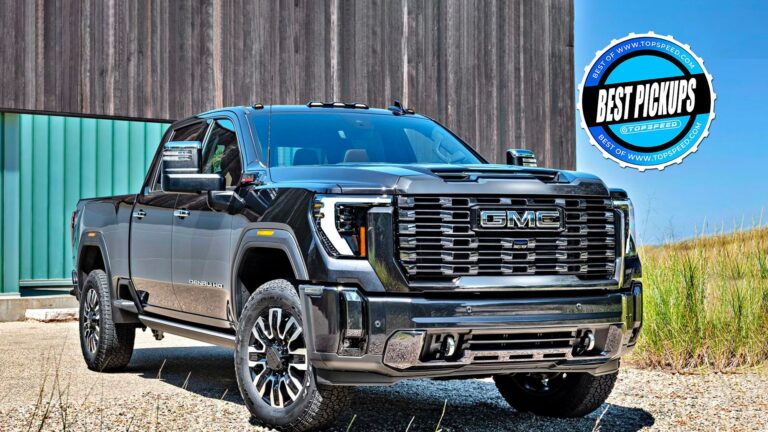
Unleashing the Power of Private Deals: The Ultimate Guide to For Sale By Owner Used Trucks
Unleashing the Power of Private Deals: The Ultimate Guide to For Sale By Owner Used Trucks Lmctruck.Guidemechanic.com
Navigating the landscape of used truck purchases can be an exhilarating journey, especially when you venture into the "For Sale By Owner" (FSBO) realm. For many, the allure of a private transaction holds the promise of significant savings and a more direct, transparent experience. But while the potential rewards are considerable, this path also presents unique challenges that savvy buyers must be prepared to face.
As an expert blogger and professional SEO content writer, I’ve spent years dissecting market trends and consumer behaviors. Based on my experience, understanding the nuances of FSBO used trucks is paramount to a successful purchase. This comprehensive guide is designed to empower you with the knowledge, strategies, and cautionary tales needed to confidently find your next workhorse or adventure vehicle directly from its previous owner.
Unleashing the Power of Private Deals: The Ultimate Guide to For Sale By Owner Used Trucks
Why Consider For Sale By Owner Used Trucks? Unlocking the Advantages
The decision to bypass traditional dealerships and explore For Sale By Owner used trucks often stems from a desire for specific benefits. These direct transactions can offer a different dynamic compared to a dealership lot, which can be highly appealing to informed buyers. Let’s delve into why many choose this route.
Direct Cost Savings
One of the most compelling reasons to pursue an FSBO used truck is the potential for significant cost savings. When you buy from a private seller, you effectively cut out the middleman – the dealership. Dealerships have overhead costs, sales commissions, and profit margins to cover, all of which are factored into their selling prices.
By eliminating these layers, sellers can often offer their vehicles at a lower price point, and buyers can secure a better deal. This direct financial advantage can make a substantial difference, especially when you’re working with a strict budget for your next truck.
Transparent Communication and History
Engaging directly with a private seller often provides a unique opportunity for transparency. The person you’re speaking with is typically the actual owner who has driven and maintained the truck daily. This direct line of communication can offer invaluable insights into the vehicle’s history, its quirks, and how it’s been treated.
You can ask detailed questions about its maintenance schedule, any past issues, why they are selling, and even their personal experience with the truck. This level of personalized information is rarely available when purchasing from a large dealership, where sales staff might have limited knowledge of a specific vehicle’s past.
Increased Flexibility and Negotiation Space
Private sales often come with a greater degree of flexibility for both parties. Unlike dealerships with rigid pricing structures and sales processes, an individual seller might be more open to negotiation on price, payment terms, or even pickup arrangements. This flexibility can be a major advantage for buyers who are skilled negotiators.
You have the opportunity to build rapport, discuss your needs, and arrive at a mutually beneficial agreement. This personal touch often leads to a more satisfying transaction than the often-impersonal experience at a dealership.
The Challenges and Risks of Buying FSBO Used Trucks
While the benefits of For Sale By Owner used trucks are attractive, it’s crucial to approach these transactions with a clear understanding of the inherent risks and challenges. Based on my experience, ignoring these potential pitfalls can lead to costly mistakes and significant buyer’s remorse.
Absence of Dealership Protections
When you purchase from a private seller, you typically forego the consumer protections that dealerships often provide. Dealerships usually offer some form of warranty, even if it’s a limited one, and are subject to certain state and federal regulations regarding vehicle sales. Private sales, however, are largely "as-is" transactions.
This means once you drive the truck off the seller’s property, any issues that arise become your sole responsibility. There’s no recourse, no return policy, and no implied warranty from the seller. This makes due diligence on your part absolutely critical.
"As-Is" Sales and Hidden Problems
The "as-is" nature of most private truck sales is perhaps the biggest risk. You are buying the vehicle in its current condition, with all its existing flaws, whether disclosed or not. While most private sellers are honest, there are unscrupulous individuals who may try to conceal significant mechanical problems, accident damage, or other issues.
Without the rigorous inspections and reconditioning processes often performed by dealerships, you could unknowingly purchase a truck with underlying defects. These hidden problems can quickly turn your bargain into an expensive nightmare, requiring extensive repairs soon after purchase.
Increased Risk of Fraud and Scams
Unfortunately, the anonymity and less regulated environment of private sales can attract scammers. Common mistakes to avoid are falling for overly good deals that seem too good to be true, sellers who pressure you for quick decisions, or those who refuse to provide complete information or allow proper inspections.
Fraudulent activities can range from misrepresented vehicle conditions to title washing (where a salvaged title is hidden), or even outright theft. Exercising extreme caution and verifying every piece of information is essential to protect yourself from these malicious practices.
Hurdles with Financing and Paperwork
Securing financing for an FSBO used truck can sometimes be more challenging than for a dealership purchase. Many banks and credit unions prefer to work directly with dealerships, which have established processes for title transfers and lien recording. For a private sale, you might need to arrange a personal loan or have cash on hand.
Furthermore, managing the paperwork – including the bill of sale, title transfer, and registration – becomes entirely your responsibility. Any errors or omissions in this process can lead to legal complications down the road. Understanding the specific requirements in your state is crucial.
The Ultimate Pre-Purchase Checklist for FSBO Used Trucks: Your Roadmap to Success
Navigating the FSBO market requires a meticulous approach. Based on my experience, a structured pre-purchase checklist is your best defense against potential problems and ensures you make an informed decision. This isn isn’t just a list; it’s a step-by-step methodology.
1. Initial Research: Laying the Groundwork
Before you even contact a seller, thorough preparation is key. This initial phase sets the stage for a successful search.
Define Your Needs and Budget
Start by clearly outlining what you need in a truck.
- Purpose: Will it be for heavy-duty hauling, off-roading, daily commuting, or family transport?
- Type: Do you need a full-size, mid-size, or compact truck? What cab configuration (regular, extended, crew cab) and bed length are ideal?
- Features: Are specific features like four-wheel drive, a towing package, or advanced safety technologies non-negotiable?
- Budget: Establish a firm budget, including not just the purchase price but also potential immediate repairs, insurance, taxes, and registration fees.
Knowing your requirements upfront will help you filter out unsuitable options and focus your search effectively.
Market Research and Pricing
Once you know what you’re looking for, research the market value of similar trucks. Use reputable online resources like Kelley Blue Book (KBB.com), Edmunds, or NADAguides to get a realistic price range for the make, model, year, mileage, and condition you desire. This knowledge is your most powerful tool during negotiation.
Comparing prices of similar FSBO listings and dealership offerings will give you a clear picture of what constitutes a fair deal. Don’t just look at the asking price; consider the overall value proposition.
Obtain a Vehicle History Report (VHR)
This step is non-negotiable. A Vehicle History Report from services like CarFax or AutoCheck provides a comprehensive overview of a truck’s past. It reveals crucial information such as:
- Accident history and damage reports
- Previous owners
- Service records (if reported)
- Odometer discrepancies
- Lien information
- Flood or salvage titles
Pro tips from us: Always request the VIN (Vehicle Identification Number) from the seller before you even go to see the truck. Run the report yourself; never rely solely on a report provided by the seller, as it could be outdated or fraudulent.
2. Contacting the Seller: Asking the Right Questions
Your initial contact with the seller is more than just scheduling a viewing; it’s an information-gathering mission.
Prepare a List of Questions
Before calling or messaging, jot down a list of specific questions. This helps you stay focused and ensures you cover all critical points.
- "How long have you owned the truck?"
- "Why are you selling it?"
- "What’s the maintenance history like? Do you have records?"
- "Has it ever been in an accident?" (Even if the VHR is clean, ask directly.)
- "Are there any known mechanical issues, even minor ones?"
- "Where was it primarily driven (city, highway, off-road)?"
- "Are there any existing liens on the title?"
Pay close attention to the seller’s demeanor and willingness to answer. Evasion or reluctance can be a red flag.
Watch for Red Flags
Your gut feeling is important.
- Reluctance to provide the VIN or allow an inspection: This is a major warning sign.
- Vague answers or inconsistent information: If their story changes, be wary.
- Pressure tactics: A seller rushing you into a decision or demanding immediate payment is suspicious.
- Price significantly below market value: While attractive, this often signals hidden problems or a scam.
If anything feels off, it’s always best to walk away. There will be other trucks.
3. The Physical Inspection: Getting Hands-On
This is where you get up close and personal with the truck. Dedicate ample time and bring a friend if possible for a second pair of eyes.
Exterior Check
Walk around the entire truck in good daylight.
- Body Panels: Look for dents, scratches, rust (especially around wheel wells, rocker panels, and the bed), and mismatched paint indicating previous repairs. Check panel gaps for consistency; uneven gaps could suggest accident damage.
- Tires: Examine tire tread depth evenly across all tires. Look for uneven wear, which can indicate alignment or suspension issues. Check the age of the tires (DOT code) and the spare tire.
- Lights & Glass: Test all exterior lights (headlights, tail lights, turn signals, brake lights). Inspect the windshield, windows, and mirrors for cracks or chips.
- Truck Bed: Check for heavy damage, rust, or signs of extreme wear, especially if it was used for heavy hauling. Look under any bed liners.
Interior Check
Spend time inside the cabin to assess its condition and functionality.
- Overall Condition: Look for excessive wear on seats, carpets, and the steering wheel. Check for stains, tears, or unusual odors (smoke, mold).
- Electronics: Test every electronic component: radio, air conditioning, heater, power windows, door locks, cruise control, dashboard lights, and charging ports.
- Gauges: Ensure all dashboard gauges (speedometer, tachometer, fuel, temperature) are working correctly. Check for any illuminated warning lights (check engine, ABS, airbag).
- Seating: Test seat adjustments and ensure seatbelts latch and retract properly.
Under the Hood
With the engine off and cool, pop the hood.
- Fluids: Check the levels and condition of engine oil (should be amber/brown, not black or milky), transmission fluid (red, not burnt-smelling), brake fluid, power steering fluid, and coolant (green, orange, or pink, not rusty). Look for any signs of leaks.
- Belts & Hoses: Inspect belts for cracks or fraying. Check hoses for cracks, bulges, or leaks.
- Battery: Look for corrosion on the battery terminals.
- General Cleanliness: While a clean engine bay is good, an overly clean one might indicate a seller trying to hide leaks. Look for consistent dust patterns.
Undercarriage Inspection
If safe to do so, peek underneath the truck.
- Frame: Look for any signs of rust, bends, cracks, or welds that would indicate significant frame damage.
- Exhaust System: Check for rust, holes, or loose components.
- Suspension: Look for leaks around shocks or struts.
- Fluid Leaks: Inspect the ground beneath the truck for any fresh fluid drips.
The Test Drive
This is your opportunity to feel how the truck performs on the road. Drive it for at least 15-20 minutes on varying roads (city streets, highway if possible).
- Engine: Listen for unusual noises (knocking, ticking, whining). Check for smooth acceleration and adequate power.
- Transmission: Note if shifts are smooth and timely, or if there’s any slipping, harshness, or delay.
- Brakes: Test the brakes at various speeds. The pedal should feel firm, and the truck should stop smoothly without pulling to one side or pulsating.
- Steering: The steering wheel should be centered, and the truck should track straight without constant correction. Listen for any groaning or clunking noises when turning.
- Suspension: Drive over bumps and uneven surfaces. Listen for excessive rattling, clunking, or squeaking.
- Four-Wheel Drive (if applicable): If it’s a 4×4, test the engagement of the 4WD system in a safe area.
4. Professional Inspection: The Non-Negotiable Step
Even if you’re mechanically inclined, a professional pre-purchase inspection (PPI) by a trusted, independent mechanic is absolutely vital when buying FSBO used trucks. Pro tips from us: Never skip this step. It’s a small investment that can save you thousands.
Why It’s Crucial
A professional mechanic has specialized tools, knowledge, and experience to identify issues that an average buyer might miss. They can spot developing problems, assess the severity of existing ones, and provide an unbiased opinion on the truck’s overall health and value. This report gives you leverage in negotiations or helps you avoid a lemon entirely.
What to Expect
The mechanic will conduct a comprehensive inspection, typically covering:
- Engine and transmission health (often with diagnostic scans)
- Brake system condition
- Suspension and steering components
- Electrical system
- Fluid analysis
- Tire wear and alignment
- Frame integrity
- Exhaust system
They will provide you with a detailed report outlining any discovered issues and estimated repair costs.
Negotiation Strategies for FSBO Used Trucks
Armed with your research and the professional inspection report, you’re ready to negotiate. This is where your preparation truly pays off.
Know Your Leverage
Your leverage comes from the information you’ve gathered. The VHR, market research, and especially the PPI report identifying necessary repairs, all give you solid ground to negotiate a lower price. If the truck needs new tires or a brake job, you have quantifiable reasons to ask for a reduction.
Be polite but firm. Express genuine interest while highlighting any areas where the truck falls short of its asking price.
Be Prepared to Walk Away
The most powerful negotiation tool is the willingness to walk away if the deal isn’t right. Don’t get emotionally attached to a specific truck. If the seller is unwilling to budge on price, won’t allow a PPI, or if the truck simply doesn’t meet your expectations, be prepared to politely decline and continue your search. There are always more For Sale By Owner used trucks out there.
Determine a Fair Price
Based on your market research and the PPI, establish your target price. This should be a realistic figure that accounts for the truck’s condition, any required repairs, and its market value. Start your offer slightly below your target to allow room for counter-offers.
Explain your offer clearly, backing it up with facts from your inspection report. For example, "I’m very interested, but the mechanic found it needs new brakes and a differential service, which will cost X amount. I’d be willing to offer Y."
Paperwork and Payment
Once a price is agreed upon, ensure all paperwork is handled correctly.
- Bill of Sale: Create a detailed bill of sale that includes the buyer’s and seller’s names and addresses, the truck’s make, model, year, VIN, odometer reading, sale price, and date of sale. Both parties should sign and date it, and keep copies. State clearly that the vehicle is sold "as-is."
- Title Transfer: The seller must provide you with a clear title, signed over to you. Verify that the VIN on the title matches the truck. If there’s a lien on the title, ensure the seller pays it off and provides proof of release before you complete the purchase.
- Payment: For safety, avoid carrying large sums of cash. Consider using a cashier’s check or meeting at your bank to facilitate a wire transfer. Never transfer money to an unknown individual without verifying the vehicle and seller’s identity.
Post-Purchase Considerations: What Happens After the Sale
Congratulations, you’ve bought your FSBO used truck! But the process isn’t quite over. There are a few crucial steps to take immediately after the purchase.
Title Transfer and Registration
You’ll need to transfer the title into your name and register the truck with your state’s Department of Motor Vehicles (DMV) or equivalent agency. This typically involves paying sales tax (if applicable in your state) and registration fees. Common mistakes to avoid are delaying this process, as there’s usually a time limit, and failing to understand your state’s specific requirements.
Bring your bill of sale, the signed-over title, proof of insurance, and identification.
Secure Insurance
Before you drive your newly acquired truck home, ensure it is properly insured. Contact your insurance provider to add the truck to your policy or obtain new coverage. Driving an uninsured vehicle is illegal and incredibly risky.
Initial Maintenance and Fluid Changes
Even if the professional inspection gave the truck a clean bill of health, it’s a good practice to perform some basic maintenance. Based on my experience, changing all fluids (engine oil, transmission fluid, differential fluid, coolant) and filters (oil, air, fuel, cabin air) gives you a fresh baseline. This ensures you know exactly when the next service intervals are due and helps prevent immediate issues.
Selling Your Used Truck Privately: A Seller’s Perspective
While this guide focuses on buying, understanding the seller’s perspective can also enhance your buying experience. If you ever decide to sell your own used truck privately, these tips will be valuable.
Prepare Your Truck for Sale
Just like buying, preparation is key for selling. Clean your truck thoroughly, inside and out. Address minor repairs, replace worn-out parts like wiper blades, and ensure all lights and features work. Have your maintenance records organized and ready to show potential buyers.
Price it Right
Research the market value of similar trucks in your area. Price your truck competitively, but leave some room for negotiation. Be realistic about its condition and mileage.
Market Your Truck Effectively
Take high-quality photos from multiple angles, highlighting its best features. Write a detailed and honest description, including all specifications, features, and any known issues. Use online marketplaces and classifieds to reach a wide audience.
Safety Tips for Sellers
When meeting potential buyers, prioritize your safety. Meet in a public place, during daylight hours. Never go alone. Do not allow test drives without seeing proof of insurance and a valid driver’s license. Never share personal financial information.
Common Mistakes to Avoid When Dealing with FSBO Used Trucks
Navigating the private sale market for used trucks can be fraught with peril if you’re not careful. Here are some common mistakes I’ve seen buyers make, and how you can avoid them:
- Skipping the Professional Pre-Purchase Inspection (PPI): This is the biggest and most costly mistake. Assuming you can spot all issues yourself, or trusting the seller’s word, is a recipe for disaster. Always invest in a PPI.
- Rushing the Decision: Don’t let emotion or a "deal" pressure you into a quick purchase. Take your time, do your due diligence, and sleep on it. A good deal today will likely still be a good deal tomorrow.
- Ignoring Red Flags: Whether it’s the seller’s evasiveness, an unbelievably low price, or a gut feeling, always heed red flags. If something feels off, it probably is.
- Inadequate Paperwork: Failing to get a proper bill of sale, ensuring the title is clear, or incorrectly transferring the title can lead to legal headaches and ownership disputes down the line. Document everything thoroughly.
- Not Researching Market Value: Going into negotiations without knowing what similar trucks are selling for leaves you vulnerable to overpaying or getting a poor deal. Knowledge is power.
- Paying with Cash Without Verification: Carrying large sums of cash or paying without verifying the seller’s identity and the vehicle’s legitimacy can expose you to fraud or even robbery. Use secure payment methods.
Pro Tips from Us: Mastering the FSBO Used Truck Hunt
To truly excel in the private used truck market, adopt these expert strategies:
- Patience is Key: The perfect truck at the right price rarely appears overnight. Be patient, continue your search, and don’t settle for less than what you need or deserve.
- Trust Your Gut: If a deal feels too good to be true, or if you have any reservations about the seller or the truck, trust your instincts. There are always other options available.
- Don’t Be Afraid to Ask: Ask as many questions as you need to feel comfortable. A transparent seller will appreciate your thoroughness.
- Document Everything: Keep a record of all communications, advertisements, vehicle history reports, inspection reports, and paperwork. This provides a clear trail if any issues arise.
- Consider a Temporary Tag: In some states, you can get a temporary tag from the DMV to legally drive the truck home while you finalize registration. Check your local regulations.
- Bring a Mechanic Friend: If you have a friend who is a mechanic, bringing them along for the initial viewing can provide an invaluable early assessment before investing in a full PPI.
Conclusion: Drive Away Confidently in Your FSBO Used Truck
The world of For Sale By Owner used trucks offers incredible opportunities for savvy buyers. By understanding the advantages, meticulously preparing for the challenges, and diligently following a comprehensive checklist, you can significantly mitigate the risks and unlock substantial value. Remember, the key to success lies in thorough research, rigorous inspection, confident negotiation, and meticulous attention to detail.
Don’t let the potential pitfalls deter you. Instead, empower yourself with the knowledge outlined in this guide. With the right approach, you can drive away in a fantastic used truck that meets your needs and budget, knowing you secured a great deal directly from a private seller. Share your own experiences or questions in the comments below – happy truck hunting!