Unleashing the Beast: A Deep Dive into the Monkey Truck Phenomenon in Pennsylvania
Unleashing the Beast: A Deep Dive into the Monkey Truck Phenomenon in Pennsylvania Lmctruck.Guidemechanic.com
The rumble of a powerful engine, the glint of chrome under the Pennsylvania sun, and tires taller than most small children – welcome to the world of the "Monkey Truck." While the name might conjure images of mischievous primates behind the wheel, in the enthusiast community, a "Monkey Truck" is a slang term for a vehicle that has undergone significant, often extreme, customization. These aren’t just trucks; they are statements, built for show, for formidable off-road capability, or often, both.
Pennsylvania, with its diverse terrain ranging from rolling farmlands to challenging mountainous trails, provides the perfect backdrop for this unique subculture of automotive passion. From the bustling custom shops of Philadelphia to the serene backroads of the Alleghenies, the "Monkey Truck Pennsylvania" scene is thriving, characterized by innovation, craftsmanship, and a deep sense of community. This comprehensive guide will take you on an in-depth journey into what makes these customized behemoths tick, the culture surrounding them, the legal considerations, and how you can become a part of this exciting world.
Unleashing the Beast: A Deep Dive into the Monkey Truck Phenomenon in Pennsylvania
What Exactly is a "Monkey Truck"? Deciphering the Custom Code
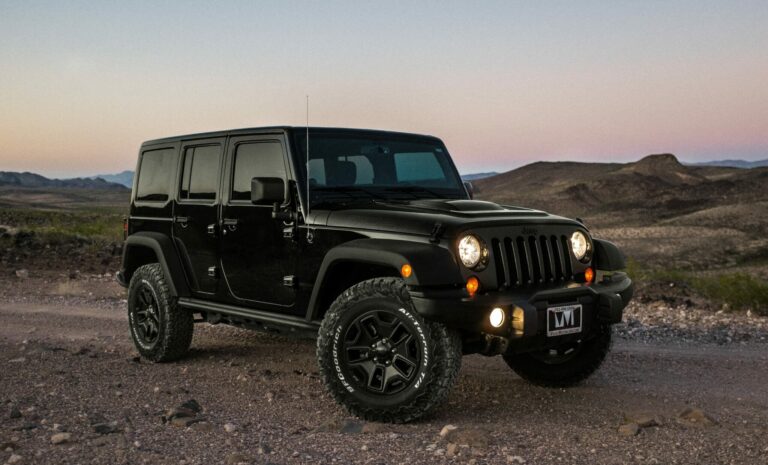
At its core, a "Monkey Truck" refers to a highly modified pickup truck, often featuring a substantial lift kit, oversized wheels and tires, and a host of other performance and aesthetic enhancements. The term itself is informal and varies slightly in connotation across different regions, but generally signifies a truck built to stand out, whether through its imposing stature, its intricate details, or its sheer power. These vehicles are far from stock; they are a canvas for personal expression and engineering prowess.
The allure of building a "Monkey Truck" lies in several key factors. For many, it’s about conquering challenging off-road terrains that would be impassable for a standard vehicle, pushing the limits of their truck’s capability. For others, it’s about making a visual statement, creating a show-stopping machine that turns heads and garners admiration at truck meets and events. Then there’s the undeniable satisfaction of personalizing a vehicle, transforming it into something truly unique that reflects the owner’s personality and vision.
These customizations often involve significant alterations to the suspension, drivetrain, and bodywork. From intricate paint jobs and elaborate lighting setups to performance engine upgrades and heavy-duty axles, every component can be a candidate for modification. The goal is always to enhance either the truck’s functionality, its aesthetic appeal, or a combination of both, resulting in a machine that is distinctly "un-stock" and undeniably powerful.
Pennsylvania’s Thriving Truck Culture: A Perfect Playground
Pennsylvania boasts a rich and vibrant truck culture, making it a prime location for the "Monkey Truck" phenomenon to flourish. The state’s geography plays a significant role, offering a vast array of environments perfect for testing the limits of a modified truck. From the rocky trails of Rausch Creek Off-Road Park to the muddy paths found in state forests, there’s no shortage of places for enthusiasts to put their custom builds through their paces.
Beyond the terrain, the spirit of craftsmanship and ingenuity runs deep in Pennsylvania. Many communities have a strong heritage of automotive passion, passed down through generations. This creates a fertile ground for custom truck shops, skilled fabricators, and dedicated enthusiasts to connect, collaborate, and push the boundaries of truck customization. It’s not uncommon to find local garages where intricate modifications are being meticulously planned and executed.
The sense of community among truck enthusiasts in Pennsylvania is palpable. Truck shows, charity rides, and informal meetups are regular occurrences across the state, bringing together like-minded individuals to share their builds, exchange tips, and celebrate their passion. These gatherings are more than just displays; they are opportunities for connection, learning, and fostering the next generation of custom truck builders.
Crafting Your Custom Beast: Key Considerations for a Monkey Truck Pennsylvania Build
Embarking on a "Monkey Truck" build is an exciting endeavor that requires careful planning, significant investment, and a clear vision. Based on my experience in the custom automotive scene, approaching the project systematically will save you time, money, and potential headaches down the road. Here’s a breakdown of the critical elements you’ll need to consider.
1. Defining Your Vision and Budget
Before turning a single wrench, ask yourself: What is the primary purpose of your Monkey Truck? Is it for extreme off-roading, a show truck, a daily driver with a unique look, or a blend of these? Your answer will dictate every subsequent decision, from the type of lift kit to the choice of tires and engine modifications. Establishing a realistic budget upfront is also crucial. Custom builds can quickly become expensive, so prioritize your modifications and be prepared for unforeseen costs.
2. The Foundation: Chassis and Suspension Upgrades
The suspension system is arguably the most critical component of a "Monkey Truck," directly impacting its ride height, articulation, and overall capability. Lift kits are the cornerstone of this transformation, and there are several types to consider:
- Body Lifts: These kits use spacers to raise the truck’s body from its frame, providing clearance for larger tires without altering the suspension geometry. They are generally less expensive and easier to install but don’t increase ground clearance for the differentials.
- Suspension Lifts: These kits replace or modify components like springs, shocks, control arms, and leaf springs to physically raise the frame and body, significantly increasing ground clearance and often improving off-road performance. They are more complex and costly but offer superior results.
- Coilover Conversions: For ultimate performance and adjustability, coilover systems offer unparalleled damping and ride quality, albeit at a premium price.
Based on my experience, choosing the right lift kit is paramount. A poorly matched kit can lead to a harsh ride, premature wear on components, and even dangerous handling characteristics. Consider reputable brands and always ensure professional installation to maintain proper suspension geometry and alignment. You’ll also need to consider upgrading shocks, springs, and potentially control arms to handle the increased stress and weight.
3. Commanding the Terrain: Wheels and Tires
Once your truck is lifted, it’s time to fill those wheel wells with appropriately sized tires. This is where the "Monkey Truck" aesthetic truly comes alive.
- Tire Size and Type: Larger tires provide increased ground clearance and a bigger footprint for traction. You’ll need to choose between mud-terrain (MT), all-terrain (AT), or hybrid tires based on your intended use. Mud-terrains offer aggressive tread for off-road grip but can be noisy and wear faster on pavement.
- Wheel Size and Offset: The choice of wheels is not just aesthetic; it affects handling and clearance. A negative offset pushes the wheels further out from the hub, creating a wider stance but also potentially requiring fender flares to comply with PA regulations. Conversely, too much positive offset can cause tires to rub against suspension components.
Pro tips from us: Always test fit wheels and tires before committing to a purchase. What looks good on paper might not provide the necessary clearance in real-world driving or articulation. Also, consider beadlock wheels if you plan on serious low-pressure off-roading, as they prevent tires from slipping off the rim.
4. Power and Performance: Drivetrain Upgrades
With larger tires and increased weight, your truck’s original engine and drivetrain might feel sluggish. Performance upgrades are often necessary to maintain adequate power and prevent premature wear.
- Engine Tuning: Re-flashing your engine’s computer (ECU) can optimize fuel delivery and timing for increased horsepower and torque, especially to compensate for larger tires.
- Exhaust Systems: Upgrading to a performance exhaust can improve airflow, adding a few extra horsepower and giving your truck a more aggressive sound.
- Gearing: Re-gearing your differentials to a lower ratio (e.g., from 3.73 to 4.56) is highly recommended when installing significantly larger tires. This restores lost torque, improves acceleration, and reduces strain on your transmission and engine.
- Axle Upgrades: For extreme off-roading or heavy hauling, upgrading to stronger axles or reinforced differential covers can prevent costly failures.
5. Aesthetics and Protection: Exterior Enhancements
Beyond performance, the visual appeal of a "Monkey Truck" is paramount. This category covers a wide range of modifications.
- Custom Paint and Wraps: From elaborate airbrushing to full vehicle wraps, personalized aesthetics make your truck truly unique.
- Bumpers and Armor: Heavy-duty steel bumpers provide superior protection for off-road excursions and can accommodate winches and auxiliary lighting. Skid plates and rock sliders protect vital underbody components.
- Lighting: LED light bars, rock lights, and custom headlight/taillight assemblies not only improve visibility but also dramatically enhance the truck’s visual impact, especially at night.
- Fender Flares: These are often necessary to cover protruding tires, a critical legal requirement in Pennsylvania.
6. Comfort and Tech: Interior Customization
While often overlooked, the interior is where you spend your time. Upgrades can range from practical to luxurious.
- Custom Seating: Upgraded seats can provide better comfort and support, especially for off-road adventures.
- Audio Systems: High-end audio installations are common for show trucks.
- Gauges and Monitors: Aftermarket gauges can help monitor critical engine parameters, especially after performance modifications.
Finding the Experts: Reputable Shops and Resources in Pennsylvania
Building a "Monkey Truck" is a complex undertaking, and while some enthusiasts enjoy the DIY aspect, many modifications require specialized tools, expertise, and safety considerations. Finding a reputable custom truck shop in Pennsylvania is crucial for a successful build.
When choosing a shop, look for businesses with a proven track record in suspension work, fabrication, and performance tuning. Check their certifications, read online reviews, and ask for references. A good shop will be transparent about pricing, provide detailed estimates, and be able to show you examples of their previous work. Always ask for references and check their portfolio; a shop proud of its work will gladly share it. You might also want to check out our guide on (internal link placeholder) for more in-depth advice.
Beyond dedicated shops, the Pennsylvania truck community itself is a valuable resource. Attending local truck shows and meetups allows you to connect with experienced builders, gather insights, and discover trusted professionals. Online forums and social media groups dedicated to "Monkey Truck Pennsylvania" enthusiasts can also offer recommendations and support.
Navigating the Law: Legal Truck Modifications in Pennsylvania
This is perhaps the most critical section for any "Monkey Truck Pennsylvania" owner or aspiring builder. While the desire to customize is strong, adhering to Pennsylvania’s Vehicle Code is non-negotiable for road legality, safety, and AdSense approval. Ignoring these regulations can lead to fines, failed inspections, and even impoundment.
Common mistakes to avoid are assuming that because another truck is modified a certain way, it’s automatically legal. Pennsylvania has specific rules regarding vehicle modifications, which are enforced during annual safety inspections.
Here are key areas of the PA Vehicle Code to be aware of:
- Bumper Height: Pennsylvania has strict limits on maximum bumper height, measured from the ground to the bottom of the bumper. These limits vary by vehicle type (e.g., passenger cars, trucks). Exceeding these limits can result in a failed inspection. Ensure your lift kit and bumper choice keep you within legal parameters.
- Fender Coverage: Tires must be adequately covered by fenders or fender flares to prevent road debris from being thrown up. This is a common issue with wide wheels and tires, necessitating the installation of appropriate fender flares. Your tires should not protrude significantly beyond the bodywork.
- Lighting Regulations:
- Colored Lights: Generally, only white or amber lights are permitted for forward illumination. Red lights are typically restricted to the rear, and blue or flashing lights are reserved for emergency vehicles. Aftermarket LED light bars must often be covered when on public roads if they emit non-approved colors or are overly bright.
- Headlight and Taillight Tinting: Excessive tinting that reduces light output below legal minimums is prohibited.
- Frame Height: While not as commonly enforced as bumper height, extreme frame lifts can also fall under scrutiny if they compromise stability or safety.
- Emissions Testing: Depending on your county, your truck may be subject to emissions testing. Engine modifications that alter emissions controls (e.g., catalytic converter removal, DPF delete for diesel trucks) are illegal and will cause your vehicle to fail emissions inspections.
- Safety Inspections: All vehicles in Pennsylvania require annual safety inspections. Modified trucks must still meet all safety standards, including proper brake function, steering, suspension integrity, and lighting. If your modifications compromise any of these, your truck will not pass inspection.
For the most up-to-date and specific regulations, always consult the official Pennsylvania Department of Transportation (PennDOT) website or the Pennsylvania Vehicle Code directly. This proactive approach will help you plan a legal and safe build. You can find detailed information on vehicle code sections related to equipment and inspection requirements on the PennDOT website.
Maintaining Your Modified Masterpiece: Longevity and Care
A "Monkey Truck" is a significant investment, and proper maintenance is crucial to ensure its longevity and performance. Modifications, especially lift kits and larger tires, can introduce new stresses and wear points that require specific attention.
- Regular Inspections: Beyond the annual state inspection, visually inspect your suspension components, steering linkages, driveshafts, and tires regularly. Look for loose bolts, worn bushings, leaks, or cracks.
- Alignment: Larger tires and modified suspensions are more sensitive to alignment issues. Get regular wheel alignments, especially after any significant off-roading, to prevent uneven tire wear and maintain proper handling.
- Driveshaft Angles: Lift kits can alter driveshaft angles, potentially leading to vibrations and premature wear on U-joints and CV joints. Ensure your driveshafts are properly phased and that any necessary modifications (e.g., transfer case drop, double-cardan driveshafts) have been made.
- Tire Care: Rotate and balance your oversized tires frequently to maximize their lifespan. Monitor tire pressure diligently, as incorrect pressure can affect handling and wear.
- Fluid Changes: Depending on drivetrain modifications, you might need more frequent differential fluid or transmission fluid changes. Consult your shop or manufacturer recommendations.
The Monkey Truck Lifestyle: Beyond the Garage
Owning a "Monkey Truck" in Pennsylvania extends far beyond the build itself. It’s an entry into a vibrant lifestyle centered around exploration, competition, and camaraderie.
Pennsylvania offers an abundance of opportunities for off-roading, from designated parks like Rausch Creek to various state forest trails (always check local regulations and stay on marked trails). These adventures allow owners to test the capabilities of their custom builds and experience the thrill of conquering challenging terrain.
Truck shows and competitions are also a major part of the scene. Events like the Carlisle Truck Nationals attract thousands of enthusiasts, providing a platform to showcase builds, compete for awards, and connect with fellow truck lovers. These events are not just about winning; they’re about celebrating the passion, creativity, and hard work that goes into each unique "Monkey Truck Pennsylvania" build.
Is a Monkey Truck Right for You? Weighing the Pros and Cons
Before diving headfirst into the world of extreme truck customization, it’s wise to consider both the advantages and disadvantages.
Pros:
- Unique Personal Expression: Your truck becomes a direct reflection of your personality and vision.
- Enhanced Capability: Superior off-road performance, allowing you to explore places inaccessible to stock vehicles.
- Head-Turning Aesthetics: A "Monkey Truck" commands attention and stands out from the crowd.
- Community and Camaraderie: Joining a passionate community of like-minded individuals.
- The Joy of Building: The satisfaction of creating something truly custom and functional.
Cons:
- Significant Cost: Customization is expensive, from parts to professional labor.
- Increased Maintenance: Modified vehicles often require more specialized and frequent maintenance.
- Fuel Economy: Larger tires and performance modifications typically lead to reduced fuel efficiency.
- Ride Comfort: Extreme lifts and stiff suspensions can sometimes compromise daily driving comfort.
- Legal Scrutiny: Navigating Pennsylvania’s vehicle codes requires diligence and can limit certain modification choices.
- Resale Value: While unique, highly customized trucks may appeal to a smaller market, potentially impacting resale.
Conclusion: The Enduring Appeal of the Monkey Truck Pennsylvania
The "Monkey Truck Pennsylvania" phenomenon is more than just a trend; it’s a testament to the enduring human desire for customization, capability, and community. From the intricate engineering of a lifted suspension to the roar of a tuned engine, these trucks embody a passion that runs deep within the Keystone State. Whether you’re a seasoned builder or just starting to dream of your own custom beast, Pennsylvania offers the terrain, the expertise, and the community to make those dreams a reality.
Remember, a successful build is a legal, safe, and well-maintained one. By understanding the mechanics, respecting the laws, and engaging with the vibrant community, you can unlock the full potential of your "Monkey Truck" and enjoy countless adventures on and off the roads of Pennsylvania. So, what are you waiting for? It’s time to unleash your inner builder and craft your own unique piece of automotive artistry.