Unleash the Beast: The Ultimate Guide to Slanted Hard Tops for Your Jeep
Unleash the Beast: The Ultimate Guide to Slanted Hard Tops for Your Jeep Lmctruck.Guidemechanic.com
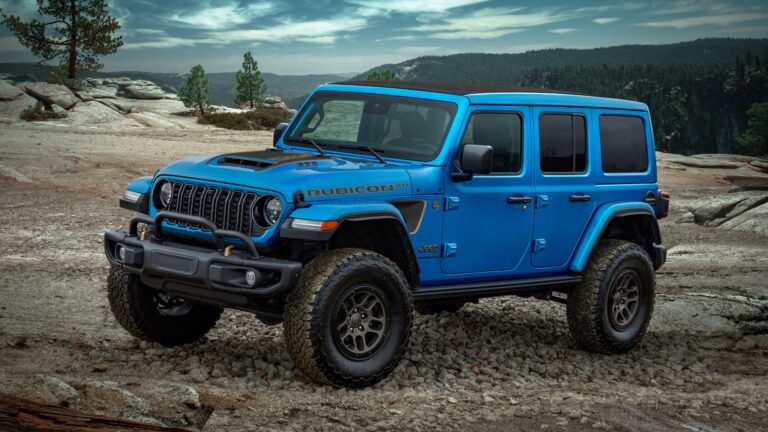
The iconic Jeep Wrangler is synonymous with freedom, adventure, and unmistakable style. While its classic lines are beloved, many enthusiasts seek to further personalize their rig, enhancing both aesthetics and performance. Enter the slanted hard top for Jeep – a modification that dramatically transforms your vehicle’s profile, offering a blend of aggressive styling, improved aerodynamics, and practical benefits.
This isn’t just about a new roof; it’s about making a statement, optimizing your ride, and experiencing your Jeep in a whole new way. As an expert in Jeep modifications and accessories, I’m here to guide you through everything you need to know about these distinctive fastback-style hard tops. From their unique appeal to installation nuances and long-term care, prepare to dive deep into the world of slanted hard tops and discover why they might be the perfect upgrade for your Wrangler.
Unleash the Beast: The Ultimate Guide to Slanted Hard Tops for Your Jeep
What Exactly is a Slanted Hard Top (Fastback Hardtop)?
At its core, a slanted hard top, often referred to as a "fastback hardtop," is a rigid roof replacement for your Jeep that features a distinct downward slope from the B-pillar (the pillar behind the front doors) to the rear of the vehicle. Unlike the traditional, boxy hard tops that maintain a relatively flat roofline and a vertical rear glass, the slanted design creates a more aerodynamic and aggressive profile. This unique angle gives your Jeep a sportier, almost coupé-like appearance, differentiating it significantly from stock models.
This design pays homage to classic fastback cars, where the roofline flows in an unbroken curve from the top of the windshield to the tail. For a Jeep, this translates into a sleeker silhouette, breaking away from the utilitarian squareness often associated with off-road vehicles. It’s a deliberate choice for owners who want to combine rugged capability with sophisticated, head-turning aesthetics.
Why Enthusiasts Are Choosing a Slanted Hard Top for Their Jeep
The decision to invest in a slanted hard top goes beyond mere superficiality. While the visual transformation is undeniably a primary draw, these tops offer a suite of advantages that cater to both the urban adventurer and the hardcore off-roader.
1. Unmatched Aesthetic Appeal: Turn Heads Everywhere You Go
Let’s be honest: one of the biggest reasons to opt for a slanted hard top is its striking visual impact. The fastback design instantly gives your Jeep a more aggressive, custom, and performance-oriented look. It breaks up the traditional blocky lines, creating a sense of motion even when parked. This distinctive profile makes your Jeep stand out from the crowd, reflecting a personalized touch that standard hard tops simply can’t achieve.
Based on my experience, a well-chosen slanted hard top can elevate your Jeep’s presence from a capable utility vehicle to a bona fide showstopper. It offers a unique blend of ruggedness and modern design that resonates with enthusiasts looking to make a strong personal statement.
2. Enhanced Aerodynamics and Fuel Efficiency (Subtle but Present)
While a Jeep isn’t exactly built for drag racing, the slanted design does offer a subtle aerodynamic advantage over a traditional vertical rear window. By reducing the surface area that directly catches wind, a fastback hard top can potentially decrease drag. This isn’t going to turn your Wrangler into a fuel-sipping hybrid, but it can lead to marginal improvements in fuel efficiency, especially at highway speeds.
Furthermore, reduced drag often translates into less wind noise inside the cabin, making longer drives more comfortable. Pro tips from us: while the aerodynamic benefits are real, manage your expectations – they are more about refinement than a revolutionary change in performance.
3. Superior Durability and Robust Protection
Like all hard tops, a slanted version offers significantly greater durability and protection compared to a soft top. Constructed from robust materials like fiberglass or high-grade ABS plastic, these tops are designed to withstand the elements, protect against theft, and endure the rigors of off-road adventures. They provide a solid barrier against rain, snow, and extreme temperatures, ensuring a more comfortable and secure interior environment.
This enhanced structural integrity also means better protection for your occupants and gear in the event of an accident or roll-over, although it’s important to remember that a hard top is not a primary safety device. The peace of mind that comes with a strong, secure roof is invaluable for any Jeep owner.
4. Improved Interior Acoustics and Comfort
The rigid construction of a hard top inherently provides better insulation against external noise compared to a soft top. A slanted hard top takes this a step further. The specific materials used, often combined with optional interior headliners, work to dampen road noise, wind whistle, and engine hum. This results in a quieter cabin, making conversations easier, music more enjoyable, and overall driving comfort significantly improved, especially on long journeys.
Common mistakes to avoid are expecting limousine-level quietness; it’s still a Jeep, after all. However, the improvement is substantial enough to make a noticeable difference in daily driving and extended trips.
5. Enhanced Security for Your Valuables
One of the undeniable advantages of any hard top, including the slanted variety, is the significant boost in security it provides. Unlike soft tops, which can be easily cut or unzipped, a rigid hard top offers a much stronger barrier against theft and vandalism. The windows are typically tempered glass, and the entire structure is securely bolted to the Jeep’s body, making unauthorized entry considerably more difficult.
This enhanced security is particularly important if you frequently park your Jeep in public places or store valuable gear inside. It offers greater peace of mind, allowing you to focus on your adventure rather than worrying about your belongings.
6. Customization Potential: Make It Truly Yours
Beyond the initial design, slanted hard tops often come with various customization options. Many can be painted to match your Jeep’s body color or a contrasting shade, further enhancing its unique look. Some designs also allow for integrated roof racks, providing additional cargo capacity without compromising the sleek profile. You can often choose window tinting, rear defrosters, and even interior lighting options.
This level of personalization ensures that your slanted hard top isn’t just an accessory, but an integral part of your Jeep’s identity. It allows you to tailor the functionality and appearance to perfectly suit your individual needs and style.
Exploring the Different Types of Slanted Hard Tops
The market for slanted hard tops offers a variety of choices, catering to different Jeep models, budgets, and aesthetic preferences. Understanding these variations is key to making an informed decision.
1. Material Construction: Fiberglass vs. ABS Plastic
- Fiberglass: This is a very common material for hard tops due to its excellent strength-to-weight ratio and ability to be molded into complex shapes. Fiberglass tops are durable, relatively lightweight, and can be easily repaired and painted. They offer good insulation properties and a premium feel.
- ABS Plastic: Acrylonitrile Butadiene Styrene (ABS) is a thermoplastic polymer known for its toughness, impact resistance, and heat resistance. ABS hard tops can be more flexible than fiberglass, potentially resisting minor impacts better without cracking. They are often lighter and can be more cost-effective to produce.
2. Design Variations: One-Piece vs. Modular
- One-Piece Slanted Tops: These tops are manufactured as a single, complete unit. They offer maximum rigidity and often the cleanest lines. Installation involves lifting the entire unit onto the Jeep.
- Modular Slanted Tops: Some designs incorporate removable front panels, similar to the "Freedom Panels" found on modern Jeep hard tops. This allows you to enjoy an open-air experience without having to remove the entire hard top, offering greater versatility.
3. Model Specificity: JK, JL, TJ, YJ Compatibility
Slanted hard tops are designed to fit specific Jeep Wrangler generations. You must ensure compatibility with your model year:
- Jeep JK Wrangler (2007-2018): A popular choice for customization, many slanted tops are available for both 2-door and 4-door JK models.
- Jeep JL Wrangler (2018-Present): The latest generation also has a growing selection of fastback options, often incorporating modern features like integrated wiring for power accessories.
- Jeep TJ Wrangler (1997-2006) & YJ Wrangler (1987-1995): While less common, some manufacturers still produce slanted hard tops for these older generations, though options might be more limited.
Always double-check the product specifications to confirm it’s designed for your exact Jeep model and year.
Critical Considerations Before You Buy
Purchasing a slanted hard top is a significant investment. Taking the time to evaluate these key factors will ensure you make the best choice for your Jeep and your lifestyle.
1. Your Budget: A Range of Price Points
Slanted hard tops can vary widely in price, typically ranging from $2,000 to over $4,000, depending on the brand, materials, features, and model compatibility. Factor in potential additional costs for painting (if not pre-painted), shipping, and professional installation if you’re not doing it yourself. Establishing a clear budget beforehand will help narrow down your options.
2. Installation Complexity: DIY or Professional?
While some mechanically inclined individuals might attempt a DIY installation, it’s generally recommended to have a professional install your slanted hard top. These tops are heavy, require precise alignment to prevent leaks, and often involve wiring for rear defrosters, wipers, and third brake lights. Professional installation ensures proper sealing, electrical connections, and fitment, saving you potential headaches down the road.
Common mistakes to avoid are rushing the installation or neglecting to properly seal all contact points, which can lead to frustrating water leaks.
3. Compatibility and Fitment: The Non-Negotiable Factor
This cannot be stressed enough: ensure the hard top is explicitly designed for your specific Jeep model, year, and door configuration (2-door or 4-door). Minor differences in body dimensions or mounting points can lead to poor fitment, leaks, or even damage. Always verify with the manufacturer or retailer before purchasing.
4. Quality of Materials and Craftsmanship
Invest in a hard top made from high-quality materials, whether fiberglass or ABS. Look for smooth finishes, consistent panel gaps, and robust hardware. Read reviews and research brands known for their durability and attention to detail. A cheaper, poorly constructed top will likely lead to problems like cracking, fading, or leaks over time.
5. Desired Features: Windows, Headliners, and More
Consider what features are important to you:
- Windows: Do you prefer fixed, sliding, or pop-out windows? What level of tinting do you need?
- Rear Wiper and Defroster: Essential for visibility in adverse weather.
- Interior Headliner: Improves insulation, reduces noise, and gives a finished look.
- Integrated Lighting: Some tops offer LED interior lighting.
- Roof Rack Compatibility: If you plan to carry gear on your roof.
6. Brand Reputation and Warranty
Choose a reputable manufacturer known for producing quality Jeep accessories. A strong warranty indicates the manufacturer’s confidence in their product. Research customer reviews and forum discussions to gauge real-world satisfaction and reliability.
The Installation Process: A Glimpse into the Transformation
While a detailed step-by-step guide is beyond the scope of this article (and should always follow manufacturer instructions), understanding the general process will prepare you for what’s involved.
- Preparation: This involves carefully removing your existing soft top or hard top. All mounting hardware, weatherstripping, and electrical connections need to be disconnected. The Jeep’s body rails should be thoroughly cleaned to ensure a good seal with the new top.
- Lifting and Positioning: Slanted hard tops are heavy and often require at least two strong individuals or a hoist to lift and carefully position them onto the Jeep’s tub. Precision is key to align the mounting holes and ensure an even fit.
- Securing the Top: Once positioned, the hard top is secured using specific bolts, clamps, or latches provided by the manufacturer. These need to be tightened evenly to create a strong, watertight seal.
- Wiring Connections: The rear defroster, wiper motor, and third brake light typically require electrical connections. This often involves plugging into existing Jeep harnesses or, in some cases, routing new wiring. This is where professional expertise can be invaluable.
- Final Checks: After installation, thoroughly check all seals for potential leaks (a garden hose test can be useful), verify all electrical components are working, and ensure all hardware is securely fastened.
Pro tips from us: Always follow the specific instructions provided by the hard top manufacturer. Do not overtighten bolts, as this can damage the fiberglass or plastic.
Maintaining Your Slanted Hard Top: Longevity and Lustre
Proper care and maintenance will ensure your slanted hard top looks great and performs flawlessly for years to come.
- Regular Cleaning: Wash your hard top with mild automotive soap and water, just as you would the rest of your Jeep. Avoid harsh chemicals or abrasive scrubbers that can damage the finish.
- Seal Inspection: Periodically check the weatherstripping and seals around the windows and where the top meets the Jeep’s body. Over time, these can dry out, crack, or compress, leading to leaks. Replace worn seals promptly.
- Hardware Checks: Routinely inspect all mounting bolts, latches, and hinges for tightness. Vibrations from driving, especially off-road, can loosen hardware.
- Window Care: Clean windows with automotive glass cleaner. For plastic windows, use a plastic-specific cleaner to prevent scratching and hazing.
- Addressing Scratches: Minor scratches on fiberglass or painted tops can often be buffed out. Deeper scratches might require touch-up paint or professional repair.
Living with a Slanted Hard Top: Pros and Cons
Having personally owned and worked with various Jeep hard tops, I can offer a balanced perspective on the realities of living with a slanted design.
Pros:
- Distinctive Style: As mentioned, the visual upgrade is undeniable and sets your Jeep apart.
- Enhanced Security: Peace of mind against theft and vandalism.
- Improved Cabin Comfort: Quieter and better insulated than a soft top.
- All-Weather Protection: Superior protection from rain, snow, and extreme temperatures.
- Durability: Built to withstand harsh conditions and off-road abuse.
Cons:
- Cost: A significant upfront investment compared to a soft top or even a used standard hard top.
- Weight: Hard tops are heavy, and while some modern designs aim for lighter construction, they still add noticeable weight, potentially affecting fuel economy and suspension.
- Storage When Removed: If you remove your hard top for open-air driving, it requires a substantial amount of storage space and a hoist system or multiple people to manage.
- Rear Visibility (Potential Impact): The slanted rear window can slightly reduce vertical rear visibility compared to a traditional vertical window. However, most modern designs are engineered to minimize this impact, and a good rearview camera system can mitigate it entirely.
- Installation Difficulty: Can be challenging for DIYers, potentially requiring professional assistance.
Based on my experience, the initial investment and the logistics of removal/storage are the biggest hurdles. However, for those who prioritize style, security, and year-round comfort, the benefits far outweigh these drawbacks.
Where to Buy Your Slanted Hard Top for Jeep
When you’re ready to make the leap, you have several avenues for purchasing a slanted hard top.
- Online Retailers: Websites like Quadratec, ExtremeTerrain, Morris 4×4 Center, and Northridge4x4 offer a wide selection from various manufacturers. They often provide detailed product descriptions, customer reviews, and competitive pricing.
- Specialty Jeep Shops: Local or regional Jeep customization shops often carry popular brands and can provide expert advice, installation services, and personalized recommendations.
- Direct from Manufacturers: Brands like Smittybilt, Bestop, DV8 Offroad, and various smaller custom fabricators sell directly from their websites. This can sometimes offer specific customization options.
- Used Market: Websites like Craigslist, eBay, and dedicated Jeep forums sometimes have used slanted hard tops for sale. While you might find a bargain, thoroughly inspect the top for damage, leaks, and missing hardware before purchasing. Pro tips from us: Always prioritize reputable sellers and ensure the top’s condition is as described.
For further research on Jeep parts and accessories, you might find valuable information on Jeep’s official accessories site or reputable forums dedicated to Jeep modifications.
Frequently Asked Questions About Slanted Hard Tops
Q: Does a slanted hard top leak more than a traditional hard top?
A: A properly installed slanted hard top, with good quality seals, should not leak any more than a traditional hard top. Leaks are almost always a result of improper installation, damaged seals, or manufacturing defects, not the design itself.
Q: Can I still use my soft top with a slanted hard top?
A: Yes, you can absolutely switch between a slanted hard top and a soft top. However, the process of removing one and installing the other can be time-consuming and often requires assistance due to the weight and bulk of the hard top. Many owners choose one or the other for an extended period.
Q: How much does a slanted hard top weigh?
A: The weight varies significantly by material and size (2-door vs. 4-door). Typically, a slanted hard top for a 2-door JK/JL might weigh between 150-200 lbs, while a 4-door version could be 200-300 lbs or more. This weight needs to be considered for installation and overall vehicle dynamics.
Q: Is a slanted hard top worth the investment?
A: If you prioritize unique aesthetics, enhanced security, improved cabin comfort, and year-round protection, then a slanted hard top is absolutely worth the investment. It transforms your Jeep into a truly distinctive and capable machine. If your primary concern is cost or frequent open-air driving without hassle, you might reconsider.
Your Jeep, Elevated: The Slanted Hard Top Advantage
A slanted hard top for your Jeep is more than just an accessory; it’s a profound statement of style, a commitment to enhanced performance, and a step towards a more refined driving experience. It marries the rugged capability of the Wrangler with a sleek, aggressive aesthetic that demands attention. While the initial investment and installation require careful consideration, the long-term benefits in terms of durability, security, and driving comfort are undeniable.
Ready to transform your Jeep into a truly unique and formidable machine? Dive into the world of slanted hard tops and unleash the beast within your Wrangler. Your next adventure awaits, with style and confidence.