Unearthing the Workhorse: Your Definitive Guide to Buying 3/4 Ton Trucks For Sale By Owner
Unearthing the Workhorse: Your Definitive Guide to Buying 3/4 Ton Trucks For Sale By Owner Lmctruck.Guidemechanic.com
Searching for a robust, reliable workhorse without the dealership premium? 3/4 ton trucks for sale by owner present a unique opportunity for savvy buyers. These heavy-duty vehicles, often cherished and meticulously maintained by their private owners, offer the perfect blend of power, capability, and potential cost savings. But navigating the private sale landscape requires a sharp eye, diligent research, and a clear understanding of what makes these trucks special.
This comprehensive guide is designed to empower you with the knowledge and confidence needed to find your ideal 3/4 ton truck. We’ll dive deep into everything from understanding their capabilities to mastering the art of inspection, negotiation, and paperwork, ensuring you drive away with a fantastic deal and a truck ready for any challenge.
Unearthing the Workhorse: Your Definitive Guide to Buying 3/4 Ton Trucks For Sale By Owner
The Powerhouse Sweet Spot: Why a 3/4 Ton Truck?
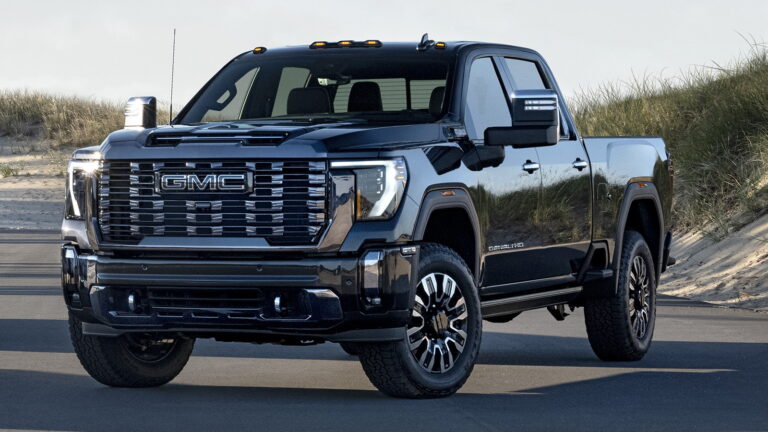
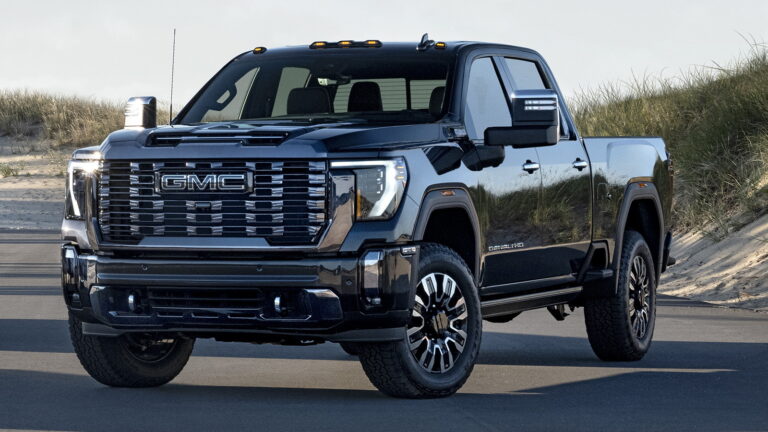
Before we delve into the "by owner" aspect, let’s understand why a 3/4 ton truck might be your ultimate vehicle. These trucks, often referred to as 2500-series (e.g., Ford F-250, Chevy Silverado 2500HD, Ram 2500, GMC Sierra 2500HD), bridge the gap between lighter half-ton pickups and the truly massive one-ton trucks. They offer a significant upgrade in payload and towing capacity without the bulkier feel or higher operating costs of a one-ton.
A 3/4 ton truck is defined by its Gross Vehicle Weight Rating (GVWR), which typically falls between 8,500 and 10,000 pounds. This classification means they can handle substantially more weight in their bed and pull much heavier trailers than a 1/2 ton. Whether you’re hauling a large fifth-wheel RV, transporting heavy equipment to a job site, or just need a truck that won’t flinch under a demanding load, a 3/4 ton is often the sweet spot. They provide superior frame strength, more robust suspension components, and often more powerful engine options, including potent diesel powertrains.
The Allure of Buying "By Owner": Unlocking Value
The decision to seek out 3/4 ton trucks for sale by owner comes with several compelling advantages. Primarily, the potential for significant cost savings is a huge draw. Private sellers typically don’t have the overhead costs of a dealership, meaning they can often offer more competitive prices. This direct approach can translate into thousands of dollars saved, which can then be reinvested into maintenance, upgrades, or simply kept in your pocket.
Beyond the financial aspect, buying directly from a private seller offers a unique opportunity for transparency. You get to speak directly with the person who has owned and driven the truck, often for many years. This direct line of communication can provide invaluable insights into the vehicle’s history, its maintenance routine, any quirks it might have, and how it was used. You can ask detailed questions about its service records, specific repairs, and why the owner is selling, gaining a deeper understanding that a dealership might not provide.
Based on my experience, buying directly from an owner often reveals a level of transparency you rarely find in a commercial setting. A motivated private seller is usually eager to share their truck’s story, which can be incredibly helpful in making an informed decision. Furthermore, the negotiation process can often be more flexible and less pressured than dealing with a professional sales team.
Navigating the By-Owner Market: Where to Look for Your Next Truck
Finding the right 3/4 ton truck for sale by owner requires knowing where to cast your net. The digital age has opened up numerous avenues, but local connections remain vital.
Online classifieds are often the first port of call. Websites like Craigslist, Facebook Marketplace, and local sections of national platforms like Autotrader and Cars.com are excellent places to start. These platforms allow you to filter by location, price, make, model, and even specific features, making it easier to narrow down your search. Be sure to set up alerts for new listings that match your criteria, as good deals on these popular trucks tend to move quickly.
Don’t overlook truck-specific forums and online communities. Enthusiasts often sell their well-maintained vehicles within these groups, sometimes even detailing their truck’s entire history. While less common, local newspapers, community bulletin boards, and even word-of-mouth through friends or local mechanics can still yield hidden gems. Pro tips from us: When using online platforms, always scrutinize listings for clear photos, detailed descriptions, and consistent information. Be wary of listings with vague details or generic stock photos.
The Pre-Purchase Checklist: A Deep Dive into Inspection
This is arguably the most critical stage when considering 3/4 ton trucks for sale by owner. Unlike a dealership, there’s no official inspection or warranty from the seller. Your diligence here is paramount.
Exterior Inspection: The First Impression Counts
Start with a thorough walk-around in broad daylight. Look for rust, which is a major concern on any used truck, especially in areas where road salt is common. Pay close attention to the frame, wheel wells, rocker panels, and cab corners. Minor surface rust might be manageable, but extensive frame rust can be a deal-breaker. Check for dents, scratches, and inconsistencies in the paint finish, which could indicate previous bodywork or accidents. Ensure all lights, signals, and mirrors are intact and functional. For a 3/4 ton truck, specifically inspect the hitch receiver and its wiring harness for any damage or signs of neglect, as this indicates its towing history.
Inspect the tires carefully. Uneven wear patterns on the treads can signal alignment issues, suspension problems, or poor maintenance. Check the date codes on the tires to see their age; even with good tread, old tires can be dangerous.
Interior Inspection: Comfort and Functionality
Step inside and assess the overall condition of the cabin. Look for excessive wear and tear on the seats, dashboard, and steering wheel, which can give you an idea of the truck’s actual mileage and how it was cared for. Test all electronics: the air conditioning and heating system, radio, power windows, door locks, and any other features. Make sure there are no persistent warning lights on the dashboard once the truck is started. Sniff for unusual odors like mildew, smoke, or a strong chemical smell, which might point to leaks, previous spills, or heavy smoking.
Under the Hood: The Heart of the Beast
Pop the hood and examine the engine bay. Look for any signs of fluid leaks – oil, coolant, transmission fluid, power steering fluid. The presence of fresh fluid around seals or hoses is a red flag. Check the levels and condition of all fluids; dark, sludgy oil or cloudy transmission fluid are indicators of neglected maintenance. Inspect belts and hoses for cracks, fraying, or bulging. The battery terminals should be clean and free of corrosion. Listen for any unusual noises during startup, such as grinding or squealing.
Undercarriage and Frame: The Unsung Hero
For a heavy-duty truck, the condition of the undercarriage and frame is absolutely crucial. Get underneath the truck (safely!) and inspect the frame for any significant rust, cracks, or signs of previous welding or repair. These could indicate structural damage from an accident or heavy abuse. Examine the suspension components – shocks, springs, and bushings – for leaks, wear, or damage. Check the differentials and transfer case for leaks, particularly if it’s a 4×4 model.
The Test Drive: Putting it Through Its Paces
From years of evaluating used trucks, I’ve learned that a thorough test drive is non-negotiable. Start the truck cold and listen for any unusual noises. Pay attention to how it shifts gears – should be smooth and predictable, without any slipping or harsh jerks. Test the brakes at various speeds, ensuring the truck stops straight and without pulsing or grinding. The steering should feel tight and responsive, without excessive play. Accelerate and decelerate to check engine performance and listen for any strange noises, vibrations, or lack of power. If it’s a 4×4, engage four-wheel drive in a safe area to ensure it functions correctly. Common mistakes to avoid are skipping the test drive or only driving a very short distance. A comprehensive test drive should include highway speeds, city driving, and some turns.
Essential Due Diligence: Beyond the Visual Inspection
Even the most thorough visual inspection isn’t enough when buying 3/4 ton trucks for sale by owner. You need to dig deeper.
Vehicle History Report (VHR)
A Vehicle History Report (VHR) from services like CarFax or AutoCheck is an absolute must. This report can reveal critical information about the truck’s past, including reported accidents, salvage or flood titles, odometer discrepancies, and even some service history records. While not always 100% complete, a VHR can flag major issues that might otherwise be hidden. It’s a small investment that can save you from a massive headache down the line.
Professional Pre-Purchase Inspection (PPI)
Pro tips from us: Never skip a professional pre-purchase inspection for a 3/4 ton truck. It’s the best money you’ll spend. Even if you’re mechanically inclined, an independent, certified mechanic will have specialized tools and expertise to identify issues you might miss. They can perform diagnostic scans, check for frame damage that isn’t obvious, and give you an objective assessment of the truck’s overall health. Negotiate with the seller to allow you to take the truck to your trusted mechanic. If they refuse, consider it a major red flag. This inspection is your ultimate safeguard against hidden problems.
Title Verification: Ensuring Legal Ownership
Before any money changes hands, verify the truck’s title. Ensure the seller’s name on the title matches their ID and that the Vehicle Identification Number (VIN) on the title matches the VIN plate on the truck (usually on the dashboard and door jamb). Crucially, check for any liens on the title. A lien means the truck is still collateral for a loan, and the seller cannot legally transfer ownership until the loan is paid off. You do not want to buy a truck that still belongs to a bank.
The Negotiation Process: Getting the Best Deal
With all your inspection and research complete, it’s time to talk price. Approach negotiation with confidence and facts.
Start by researching the market value of comparable 3/4 ton trucks for sale by owner in your area. Use resources like Kelley Blue Book (KBB) or the NADA Guides, adjusting for mileage, condition, and any accessories. Your pre-purchase inspection report can be a powerful tool; any issues found can be used to justify a lower offer. For instance, if the mechanic found worn brakes or tires, factor the replacement cost into your offer.
Be prepared to walk away if the price isn’t right or if the seller is unwilling to budge. Don’t let emotion cloud your judgment. A good negotiation is about finding a fair price for both parties. Common mistakes include not doing your research, making an offer that’s too low without justification, or being too aggressive or too passive in your approach. Aim for a friendly, fact-based discussion.
Completing the Sale: Paperwork and Legalities
Once you’ve agreed on a price, the paperwork needs to be handled meticulously. Based on my experience, thorough documentation protects both buyer and seller.
The Bill of Sale
A comprehensive bill of sale is essential. This document should include:
- The full names and addresses of both the buyer and seller.
- The date of sale.
- The truck’s make, model, year, and VIN.
- The agreed-upon selling price.
- A clear statement that the vehicle is being sold "as-is" (this protects the seller but also highlights your responsibility as the buyer).
- Signatures of both parties. Some states may require notarization.
Title Transfer
The seller must sign over the vehicle title to you. Ensure all necessary fields are filled out, including the odometer reading at the time of sale. Depending on your state’s regulations, you may need to have the title notarized. It’s critical to complete the title transfer promptly to avoid penalties and legally establish yourself as the new owner.
Registration and Insurance
Before you drive off, make sure you have insurance coverage for your new truck. Many states require proof of insurance to register a vehicle. Head to your local Department of Motor Vehicles (DMV) or equivalent agency to register the truck in your name and obtain new license plates. You may be able to get temporary tags if you need to drive the truck immediately.
Post-Purchase Considerations: What Comes Next
Congratulations! You’re now the proud owner of a 3/4 ton truck bought by owner. But the journey doesn’t end there.
Immediate Maintenance
Even if the professional inspection came back clean, it’s a good practice to perform some immediate maintenance. This includes an oil change, checking and topping off all fluids, replacing air and fuel filters, and a tire rotation. This gives you a fresh baseline for the truck’s maintenance schedule and ensures everything is in top condition. Address any minor issues flagged during the inspection as soon as possible. could provide more in-depth advice on this.
Upgrades and Customizations
A 3/4 ton truck is often a platform for customization. Consider additions like a robust bed liner, a tonneau cover for cargo protection, or upgraded hitches if you plan on serious towing. Many owners also consider suspension upgrades, like airbags, to further enhance towing stability and payload capacity.
Long-Term Care
Establish a regular maintenance schedule based on the truck’s specific make, model, year, and mileage. Heavy-duty trucks, especially those with diesel engines, often have specific maintenance requirements that differ from gasoline engines. Understanding your truck’s needs will ensure its longevity and reliability for years to come. might be useful for understanding how to maximize your truck’s capabilities safely.
Common Pitfalls When Buying By Owner (and How to Avoid Them)
While buying by owner can be rewarding, it’s not without its risks. Awareness is your best defense.
One of the biggest risks is encountering scams. These can range from fake listings designed to solicit personal information or upfront deposits, to more elaborate schemes involving VIN cloning or title washing (where a salvaged title is fraudulently cleaned). Always meet in a safe, public place, and never send money before seeing the truck and verifying ownership.
Another pitfall is hidden problems. Unlike a dealership that might have some legal obligations, a private seller typically sells the truck "as-is," meaning you have little to no recourse if a major mechanical issue arises shortly after purchase. This underscores the absolute necessity of a professional pre-purchase inspection. Common mistakes to avoid are buying a truck without a professional inspection, especially when dealing with a private seller where recourse is limited.
Finally, avoid emotional buying. It’s easy to fall in love with a truck, but letting your emotions override rational judgment can lead to overlooking critical flaws or paying too much. Stick to your budget, and don’t be afraid to walk away if something feels off.
Frequently Asked Questions (FAQs) About Buying 3/4 Ton Trucks By Owner
Q1: What’s the average lifespan of a well-maintained 3/4 ton truck?
A1: With proper care, many 3/4 ton trucks, especially those with diesel engines, can easily last 250,000 to 400,000 miles or more. Gasoline engines also offer excellent longevity, often exceeding 200,000 miles. Regular maintenance is key.
Q2: How much can I realistically save by buying a 3/4 ton truck by owner compared to a dealership?
A2: Savings can vary significantly based on the truck’s age, condition, and market demand. However, it’s not uncommon to save 10-20% compared to a dealership’s asking price for a similar vehicle. This can translate to several thousand dollars.
Q3: What are some major red flags to look for in a private seller?
A3: Red flags include a seller who is unwilling to meet in person, refuses a pre-purchase inspection, doesn’t have the title in hand, has a VIN on the title that doesn’t match the truck, or seems overly evasive about the truck’s history. Also, be wary of prices that seem "too good to be true."
Q4: Is it risky to buy an older 3/4 ton truck with high mileage?
A4: Not necessarily. For heavy-duty trucks, high mileage can be less of a concern than with passenger cars, especially if it’s a well-maintained diesel. A comprehensive service history and a thorough PPI are crucial here. An older, high-mileage truck can be a fantastic value, but anticipate needing to replace wear-and-tear items.
Q5: Should I bring someone with me when I go to see the truck?
A5: Absolutely. Bringing a friend or family member, especially one with some mechanical knowledge, provides an extra set of eyes and an objective opinion. It also enhances personal safety when meeting a stranger.
Your Journey to a Dependable Workhorse
The search for 3/4 ton trucks for sale by owner is a rewarding endeavor for those seeking capability and value. By combining thorough research, meticulous inspection, and confident negotiation, you can unlock incredible deals on these heavy-duty workhorses. Remember, patience and diligence are your best assets. With the right approach, you’ll soon be driving away in a truck that’s not just a vehicle, but a reliable partner for years of hard work and adventure. Happy hunting!