Unearthing the Giants: A Comprehensive Guide to Ford’s Heavy-Duty Trucks of the 2000s
Unearthing the Giants: A Comprehensive Guide to Ford’s Heavy-Duty Trucks of the 2000s Lmctruck.Guidemechanic.com
The world of heavy trucking is built on powerful machines, and while the 2000s brought significant shifts in the industry, the spirit of "Ford Tough" continued to resonate in their commercial vehicle offerings. When we talk about "Old Ford Semi Trucks 2000s," we’re delving into a fascinating period. This era saw Ford adapting its strategy in the heavy-duty sector, focusing on robust chassis cabs that became the backbone for countless vocational applications and lighter semi-trailer duties.
This comprehensive guide will take you on an in-depth journey through the landscape of Ford’s heaviest trucks from the turn of the millennium. We’ll explore their heritage, iconic models, key features, and the enduring appeal that makes them relevant even today. Whether you’re a seasoned trucker, a historical enthusiast, or considering one for your fleet, prepare to uncover the remarkable legacy of these workhorses.
Unearthing the Giants: A Comprehensive Guide to Ford’s Heavy-Duty Trucks of the 2000s
The Evolving Landscape of 2000s Trucking and Ford’s Place
The early 2000s marked a pivotal time for the trucking industry. Emissions regulations were tightening, technology was advancing rapidly, and global competition was intensifying. Manufacturers were under pressure to innovate while maintaining the durability and cost-effectiveness that operators demanded. This era saw the introduction of new engine technologies and more sophisticated electronic controls, fundamentally changing how trucks were designed and operated.
Ford, a company with a long and storied history in commercial vehicles, had made a significant strategic move in the late 1990s. In 1997, Ford sold its heavy truck division, which produced the iconic Louisville and Aeromax Class 8 semi-trucks, to Freightliner (a subsidiary of Daimler AG). This division was subsequently rebranded as Sterling Trucks, carrying forward much of the Ford heavy-duty lineage under a new banner.
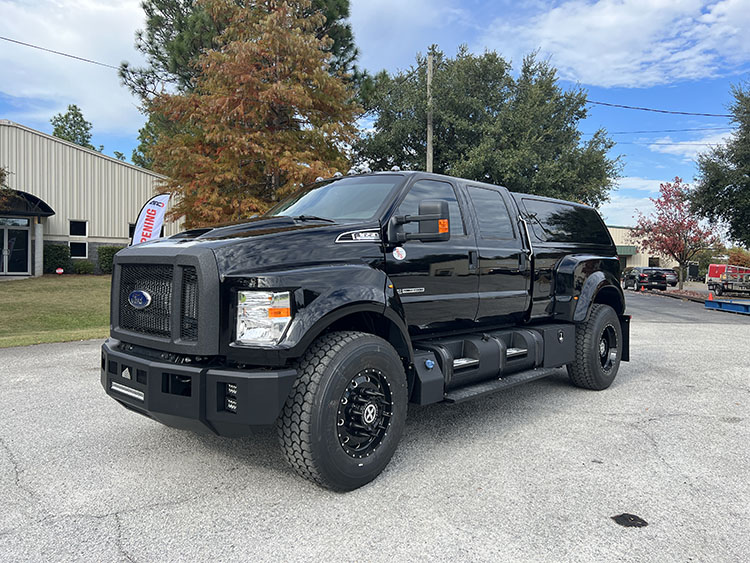
However, Ford did not entirely exit the heavy-duty segment. Instead, they sharpened their focus on their formidable Super Duty chassis cab lineup, particularly the F-650 and F-750 models. These trucks, while technically classified as medium-duty (Class 6-7), were designed with heavy-duty components and configurations, making them incredibly versatile. They often served roles that blurred the lines with traditional semi-truck applications, especially for regional hauling, specialized vocational tasks, and lighter freight operations.
Iconic Ford Heavy-Duty Models of the 2000s: The F-650 and F-750
When discussing "Old Ford Semi Trucks 2000s," the spotlight inevitably falls on the F-650 and F-750 Super Duty chassis cabs. These trucks were the standard-bearers for Ford’s heavy-duty aspirations throughout the decade, embodying the brand’s commitment to strength and reliability. They were not your typical over-the-road Class 8 tractors, but their robust design allowed them to handle substantial loads and perform demanding tasks, often pulling various types of trailers.
The Ford F-650 and F-750 Super Duty Chassis Cabs:
These trucks were truly the workhorses of the era for Ford. Available in a wide array of configurations, they were designed to be customized for specific needs, ranging from dump trucks and refuse haulers to utility vehicles and, crucially, lighter tractor units for pulling semi-trailers. Their versatility was a major selling point, making them popular choices for businesses that needed a heavy-duty platform without the full scale of a Class 8 truck.
- Design and Structure: The F-650 and F-750 featured a rugged, ladder-frame chassis built for immense strength and durability. They offered various wheelbase options, allowing for diverse body upfits. The cabs, often shared with the lighter F-250/F-350 Super Duty trucks, provided a familiar and comfortable environment for drivers, albeit with a higher seating position and more robust interior components.
- Engine Options: A key aspect of these trucks was their powertrain flexibility. Ford wisely partnered with leading diesel engine manufacturers to offer a range of reliable and powerful choices.
- Cummins Engines: Cummins was a prevalent choice, with models like the Cummins B Series (e.g., ISB) and later the C Series (e.g., ISC) being common. These engines were known for their strong torque, fuel efficiency, and legendary durability, making them highly desirable for commercial applications. Based on my experience in the industry, many operators specifically sought out the Cummins option for its proven track record.
- Caterpillar Engines: Early in the decade, Caterpillar engines such as the CAT 3126 (later C7) were also available. Caterpillar was synonymous with heavy equipment, and their engines brought a reputation for robust performance and longevity to the Ford platform.
- International/Navistar Engines (Power Stroke): Ford also utilized engines from International Truck and Engine Corporation (Navistar), particularly the 7.3L Power Stroke diesel. While more commonly associated with the lighter F-Series pickups, this engine was a workhorse and occasionally found its way into some F-650/F-750 configurations early in the 2000s, especially for vocational uses. Its reputation for reliability and ease of maintenance was a significant factor for many buyers.
- Transmission Choices: To complement these powerful engines, Ford offered a selection of robust transmissions. Manual transmissions from manufacturers like Eaton-Fuller were common, providing drivers with direct control and proven reliability. Automatic transmissions, primarily from Allison (e.g., Allison 2000 and 3000 Series), also gained popularity throughout the decade, offering smoother operation and reduced driver fatigue, particularly in stop-and-go environments or for less experienced drivers.
- Typical Applications: These trucks were truly jacks-of-all-trades. You’d find them as:
- Local and regional delivery trucks.
- Dump trucks and refuse vehicles.
- Utility service trucks with aerial lifts or specialized equipment.
- Flatbed trucks for material transport.
- Car haulers (often pulling smaller multi-car trailers).
- Tractor units for gooseneck trailers or lighter fifth-wheel applications, demonstrating their "semi-truck" capability in specific niches.
Key Features and Enduring Engineering of the Era
The Ford F-650 and F-750 of the 2000s were engineered with a clear focus on utility, durability, and customization. While they might not boast the advanced electronics of modern trucks, their strengths lay in their fundamental design and proven components.
- Robust Chassis and Suspension: The backbone of these trucks was their heavy-duty frame. Built to withstand continuous heavy loads and demanding road conditions, the chassis provided a stable and reliable platform. Suspension systems, often featuring leaf springs and robust shock absorbers, were designed for load-carrying capacity rather than passenger car comfort, ensuring stability even when fully loaded.
- Driver-Friendly Cab: While not as expansive as a Class 8 sleeper cab, the F-Series cab offered a practical and relatively comfortable environment. It provided good visibility, ergonomic controls, and sufficient storage for daily operations. This focus on driver functionality helped reduce fatigue during long shifts.
- Hydraulic and Air Brake Systems: Depending on the gross vehicle weight rating (GVWR) and configuration, these trucks came equipped with either powerful hydraulic braking systems or full air brakes. Air brakes, especially on the F-750, were crucial for safely stopping heavy loads and were a common feature in vehicles intended for semi-trailer applications.
- Power Take-Off (PTO) Options: For vocational applications, PTO options were vital. These allowed auxiliary equipment like hydraulic pumps for dump beds, cranes, or specialized machinery to be powered directly by the truck’s engine, greatly enhancing their utility.
- Emissions Standards: The 2000s saw increasing pressure for cleaner engines. Trucks from this era, particularly those built after 2004, started incorporating technologies to meet EPA emissions standards. This included exhaust gas recirculation (EGR) systems and diesel particulate filters (DPF) towards the end of the decade, though the earlier models were simpler in their emission control.
The Ownership Experience: Buying, Maintaining, and Operating
Owning an old Ford heavy-duty truck from the 2000s can be a rewarding experience, offering a blend of proven reliability and cost-effectiveness. However, like any older commercial vehicle, it requires careful consideration during purchase and diligent maintenance.
Pro Tips for Buying a Used Ford F-650/F-750 (2000s Model)
When you’re in the market for one of these venerable workhorses, a thorough inspection is paramount. These trucks have likely seen many years of hard work, so attention to detail can save you significant headaches and expenses down the line.
- Engine Health is Key: This is arguably the most critical component.
- Start-up and Idle: Listen for unusual noises (knocks, excessive smoke), check for smooth idling. White smoke often indicates coolant issues, while blue smoke points to oil burning. Black smoke can be fuel-related.
- Fluid Leaks: Inspect thoroughly under the hood and beneath the truck for any oil, coolant, or fuel leaks.
- Maintenance Records: Request detailed maintenance records. A well-documented service history is a strong indicator of a cared-for vehicle.
- Common mistakes to avoid are neglecting a thorough engine inspection and overlooking obvious signs of neglect, as a major engine overhaul can easily cost more than the truck’s purchase price.
- Transmission Performance:
- Manual: Check for smooth shifting, no grinding, and proper clutch engagement. The clutch pedal should have consistent feel.
- Automatic (Allison): Listen for harsh shifts, delayed engagement, or any slipping. Test it under load if possible. Allison transmissions are generally robust, but even they have limits.
- Chassis and Frame Integrity:
- Rust and Cracks: Carefully inspect the frame rails for any signs of rust, especially in high-stress areas like around spring hangers and crossmembers. Look for any welds that appear non-factory or poorly executed, which could indicate previous damage.
- Suspension Components: Check leaf springs for cracks or broken leaves, U-bolts for tightness, and shock absorbers for leaks.
- Brake System:
- Hydraulic Brakes: Check brake fluid levels, condition of lines, and calipers.
- Air Brakes: Ensure the air system builds pressure quickly and holds it. Listen for air leaks. Inspect brake chambers, slack adjusters, and brake shoes/pads.
- Tires: Uneven tire wear can indicate alignment issues or worn suspension components. Check tire dates; old tires, even with good tread, can be dangerous.
- Electrical System: Test all lights, gauges, wipers, and the heating/AC system. Faulty electronics can be notoriously difficult and expensive to diagnose and repair.
- Cab Condition: Look for excessive wear on seats, controls, and pedals. This can give you an idea of the truck’s overall usage and how it was treated.
Pro tips from us: Always get a pre-purchase inspection from an independent, qualified heavy-duty mechanic. Their experienced eye can spot issues you might miss. It’s a small investment that can save you thousands. For more general tips on purchasing used commercial vehicles, you might find helpful.
Maintaining Your 2000s Ford Heavy-Duty Truck
Regular and proactive maintenance is crucial for extending the life and reliability of these older trucks. They were built to last, but consistent care is the secret to their longevity.
- Adhere to Service Schedules: Follow the manufacturer’s recommended service intervals for oil changes, filter replacements (fuel, oil, air), and fluid checks. Diesel engines, especially, require clean fuel and oil for optimal performance.
- Fluid Management: Regularly check and top off engine oil, transmission fluid, differential fluid, power steering fluid, and coolant. Use the correct type and specification of fluids.
- Brake System Inspection: Frequent checks of brake components are non-negotiable for safety. For air brakes, drain air tanks daily to prevent moisture buildup.
- Tire Care: Maintain proper tire pressure, rotate tires as needed, and inspect for wear and damage.
- Lubrication: Regularly grease all chassis lubrication points (U-joints, kingpins, suspension components).
- Rust Prevention: Especially in regions with harsh winters, wash the undercarriage regularly to remove salt and grime. Address any surface rust before it becomes a structural problem.
- Parts Availability: Generally, parts for the F-650/F-750 and their common engines (Cummins, Caterpillar, Allison) are still readily available through OEM dealers and a robust aftermarket network. This is a significant advantage of these models.
Operating Considerations
Driving and operating a 2000s Ford F-650/F-750 is different from a modern, electronically advanced truck. They offer a more mechanical and direct driving experience.
- Fuel Efficiency: While generally more efficient than larger Class 8 trucks, fuel economy will vary significantly based on engine, load, terrain, and driving style. Don’t expect modern efficiency figures.
- Driving Characteristics: These trucks are designed for work. They will have a firmer ride, and steering might feel heavier than in lighter vehicles. Understanding the truck’s weight distribution, especially when loaded, is vital for safe handling.
- Reliability Expectations: With proper maintenance, these trucks are known for their reliability. However, they are older, and occasional minor issues (e.g., sensor failures, worn electrical connectors) are to be expected. Having a good relationship with a mechanic who understands older diesel trucks is invaluable. For deeper insights into diesel engine reliability, you might find our article on useful.
The Enduring Appeal and Legacy
Despite their age and the evolution of trucking technology, Ford’s heavy-duty trucks from the 2000s continue to hold significant appeal for a variety of reasons. Their legacy is built on a foundation of "Ford Tough" durability and practical functionality.
- Cost-Effectiveness: For many businesses and owner-operators, these trucks offer an incredibly cost-effective entry point into heavy-duty operations. Their initial purchase price is significantly lower than new trucks, and their maintenance costs, while present, are often manageable due to simpler systems and readily available parts.
- Simplicity and Repairability: Compared to modern trucks laden with complex electronics and emissions systems, the 2000s models are often simpler to diagnose and repair. Many mechanics familiar with older diesel engines can work on them without requiring specialized diagnostic tools. This "mechanical" appeal resonates with those who prefer a more straightforward approach to vehicle maintenance.
- Durability and Longevity: The F-650 and F-750 were over-engineered for their tasks, which means many examples have hundreds of thousands of miles on them and are still going strong. Their robust frames and reliable powertrains were built to endure.
- Niche Markets and Versatility: These trucks continue to excel in vocational roles where a full Class 8 rig is overkill, but a lighter-duty pickup isn’t enough. They are perfect for landscaping businesses, construction companies, specialized delivery services, and even as platforms for RV conversions or heavy personal hauling. Their adaptability is a testament to their enduring design.
- The Ford Name: The inherent trust in the Ford brand, particularly its reputation for building tough, reliable trucks, carries significant weight. Owners appreciate the heritage and the confidence that comes with driving a Ford. Even if the traditional Class 8 semi-trucks were rebranded as Sterling, the F-650/F-750 continued to embody the heavy-duty spirit of the blue oval.
The enduring presence of these trucks on roads and job sites today is a clear indicator of their quality and design. They represent an era when heavy-duty meant robust mechanics and straightforward power, a philosophy that continues to resonate with many operators. For further historical context on Ford’s commercial truck evolution, a good resource is Wikipedia’s entry on the Ford F-Series (medium-duty truck).
Conclusion: The Unsung Heroes of a Transitioning Era
The "Old Ford Semi Trucks 2000s" narrative is a unique one, defined by the robust F-650 and F-750 Super Duty chassis cabs that carried the torch for Ford’s heavy-duty aspirations. While traditional Class 8 semi-trucks under the Ford badge transitioned to Sterling, these formidable medium-duty trucks filled a critical gap, proving their mettle in countless vocational and lighter semi-trailer applications.
They represent an era of evolving regulations, but also of solid, dependable engineering. Their powerful engine options, customizable platforms, and inherent durability have cemented their place in commercial vehicle history. For those seeking a reliable, capable, and cost-effective heavy-duty vehicle today, these trucks remain a compelling option. They are not just old vehicles; they are enduring workhorses that continue to deliver value, embodying the spirit of hard work and reliability that defines the Ford brand.
Do you own or operate a Ford F-650 or F-750 from the 2000s? Share your experiences and insights in the comments below! We’d love to hear about the legacy these trucks have created for you.