U-Haul Trailers Prices: The Ultimate Guide to Understanding Your Rental Costs (2024)
U-Haul Trailers Prices: The Ultimate Guide to Understanding Your Rental Costs (2024) Lmctruck.Guidemechanic.com
Moving can be one of life’s most significant undertakings, often accompanied by a whirlwind of decisions, not least of which is how to transport your belongings. For countless individuals and businesses, U-Haul trailers offer a flexible and cost-effective solution. However, navigating the various options and understanding the true cost can feel like deciphering a complex puzzle.
This comprehensive guide is designed to demystify U-Haul trailer prices, providing you with a clear, in-depth understanding of every factor that influences your rental cost. We’ll break down the different trailer types, explore the impact of rental duration and location, and reveal hidden fees you might encounter. Our ultimate goal is to equip you with the knowledge needed to make an informed decision, ensuring your next move is as budget-friendly and stress-free as possible.
U-Haul Trailers Prices: The Ultimate Guide to Understanding Your Rental Costs (2024)
Decoding U-Haul Trailer Pricing: The Core Factors
The price you pay for a U-Haul trailer isn’t a single, fixed number. Instead, it’s a dynamic figure influenced by several key variables. Understanding these foundational elements is the first step toward accurately estimating your total moving expenses.
Trailer Type and Size: Matching Your Load to Your Budget
One of the most significant determinants of your U-Haul trailer rental cost is the specific type and size of the trailer you choose. U-Haul offers a diverse fleet, each designed for different hauling needs, and naturally, larger or more specialized trailers come with a higher price tag.
Cargo Trailers (Enclosed): These are the workhorses of U-Haul’s trailer fleet, perfect for protecting your household goods, furniture, and boxes from the elements. They come in various sizes, each suited for different volumes of items. For instance, a compact 4×8 trailer is ideal for smaller loads like dorm room essentials or a few pieces of furniture. Moving up, the 5×8 is a popular choice for apartment dwellers, while the spacious 6×12 is designed to handle the contents of a larger apartment or even a small house. The larger the cargo capacity, the higher the daily or one-way rental rate will typically be.
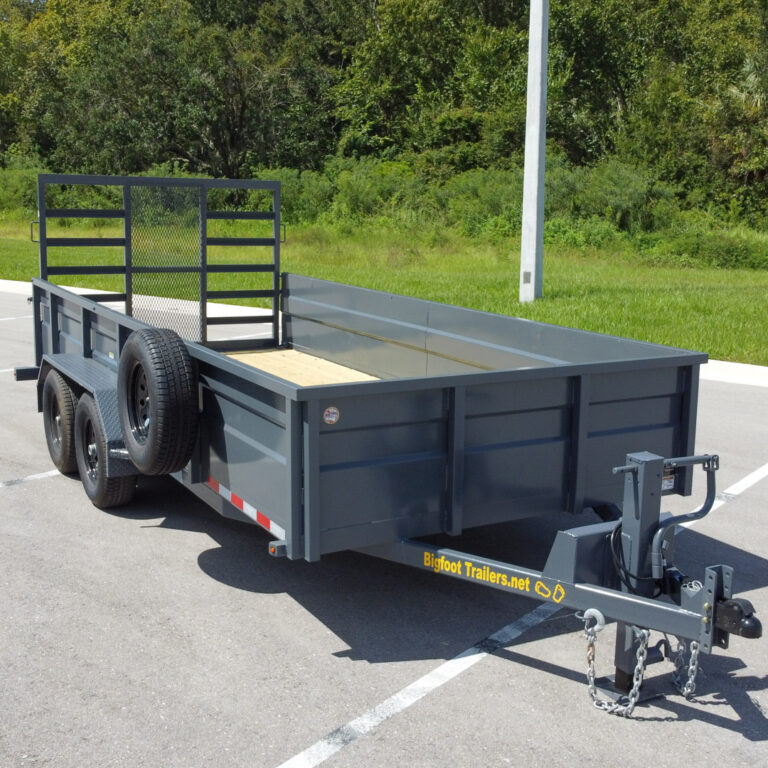
Utility Trailers (Open): When you need to transport items that are oddly shaped, exceptionally heavy, or simply don’t require protection from the weather, utility trailers are an excellent option. These open trailers often feature low sides and a ramp, making loading and unloading much easier. Common uses include hauling landscaping materials, ATVs, motorcycles (though U-Haul also offers dedicated motorcycle trailers), or construction debris. Utility trailers also come in various sizes, such as 5×9 or 6×12, and their pricing reflects their dimensions and specific utility features.
Vehicle Transport Trailers: If your move involves transporting a car, U-Haul offers specialized solutions. The Auto Transport is a full car hauler, meaning your entire vehicle rests on the trailer, lifted completely off the ground. This option is suitable for longer distances or when you want to minimize wear and tear on your towed vehicle. Alternatively, the Car Dolly is a two-wheel tow option where only the front wheels of your vehicle are lifted. This is generally a more economical choice for shorter distances or when your vehicle’s rear wheels can safely roll on the road. Due to their specialized design and higher load capacity, both auto transports and car dollies command higher rental rates than standard cargo or utility trailers.
Motorcycle Trailers: For motorcycle enthusiasts, U-Haul provides purpose-built motorcycle trailers designed to secure your bike safely during transport. These trailers often feature specific tie-down points and a ramp for easy loading. While a niche offering, they provide peace of mind and are priced accordingly, reflecting their specialized function.
Rental Duration: Daily vs. Extended Rentals
How long you need the trailer is another critical pricing factor. U-Haul generally offers two main rental structures: "in-town" and "one-way."
In-Town Rentals: These are typically shorter-term rentals, often just for a day or a few days, where you pick up and return the trailer to the same U-Haul location. In-town rentals are priced at a flat daily rate, which can be quite affordable. This option is perfect for local moves, picking up a new appliance, or hauling materials for a home improvement project within your immediate area.
One-Way Rentals: If you’re moving across cities, states, or even just a significant distance, a one-way rental is necessary. With this option, you pick up the trailer at one U-Haul location and drop it off at another designated location near your destination. One-way rentals are priced differently; instead of a simple daily rate, they are based on the estimated mileage and number of days required for your specific route. This can make them considerably more expensive than in-town rentals, especially for long distances. Based on my experience, the longer the distance, the more critical it is to compare the one-way trailer cost against other options like a U-Haul truck or a different moving service.
Location, Location, Location: Geographic and Availability Impacts
Just like real estate, where you rent your U-Haul trailer can significantly affect the price. Rental rates can vary from one region to another, influenced by local demand, operational costs, and even the competitive landscape.
For example, renting a trailer in a densely populated urban area during peak moving season might be more expensive than renting the same trailer in a smaller town with lower demand. Availability also plays a crucial role; if a specific trailer type is in high demand and short supply in your desired location, its price might temporarily increase. Pro tips from us: Always check prices at a few different U-Haul locations within your driving range, as even a short drive might lead to savings.
Timing is Everything: Seasonal Demand and Its Effects
When you plan your move can also impact U-Haul trailer prices. The moving industry experiences distinct peak seasons, and these fluctuations directly affect rental rates.
Peak Season: Typically, late spring through summer (May to August) and the end of each month are the busiest times for moving. During these periods, demand for U-Haul trailers skyrockets, leading to higher prices and limited availability. College students moving in and out, families relocating during school breaks, and lease cycles all contribute to this surge.
Off-Peak Season: If you have the flexibility, planning your move during off-peak times—such as the fall or winter months (excluding holidays), or mid-week/mid-month—can result in lower rental rates and better availability. Common mistakes to avoid are waiting until the last minute to book during peak season, which can leave you scrambling for options or paying a premium.
A Closer Look at U-Haul Trailer Types and Their Estimated Costs
Let’s delve into the specific types of U-Haul trailers and provide some estimated price ranges. It’s crucial to remember that these are estimates and actual prices will vary based on the factors discussed above (location, duration, demand, time of year). Always get a direct quote from U-Haul for your specific needs.
Cargo Trailers (Enclosed)
These trailers are perfect for keeping your belongings safe from weather and road debris.
-
4×8 Cargo Trailer:
- Capacity: Approximately 160 cubic feet, suitable for small apartment items, dorm rooms, or a few large appliances.
- Estimated In-Town Daily Rate: $14.95 – $19.95.
- Estimated One-Way Rate: Can range from $80 for short distances to $300+ for cross-country trips, depending on mileage and days.
-
5×8 Cargo Trailer:
- Capacity: Roughly 200 cubic feet, a popular choice for studio or one-bedroom apartments, or larger furniture pieces.
- Estimated In-Town Daily Rate: $19.95 – $24.95.
- Estimated One-Way Rate: From $90 to $400+, depending on the route.
-
6×12 Cargo Trailer:
- Capacity: Approximately 370 cubic feet, ideal for larger apartments, small houses, or substantial furniture loads. This is the largest enclosed option.
- Estimated In-Town Daily Rate: $29.95 – $34.95.
- Estimated One-Way Rate: From $120 to $600+, making it one of the more expensive trailer options for long-distance hauls.
Utility Trailers (Open)
These open trailers are excellent for specific hauling tasks where weather protection isn’t a primary concern.
-
5×9 Utility Trailer with Ramp:
- Capacity: Versatile for hauling landscaping equipment, small vehicles (like ATVs), or construction materials. The ramp is a huge convenience.
- Estimated In-Town Daily Rate: $19.95 – $24.95.
- Estimated One-Way Rate: Generally not offered for one-way rentals due to their specific utility nature, primarily for local use.
-
6×12 Utility Trailer:
- Capacity: Larger capacity for heavier or bulkier items that don’t fit in enclosed trailers.
- Estimated In-Town Daily Rate: $29.95 – $34.95.
- Estimated One-Way Rate: Similar to the 5×9, primarily for local, in-town rentals.
Vehicle Transport Trailers
For moving your car or motorcycle safely.
-
Auto Transport (Full Car Hauler):
- Capacity: Designed for transporting most cars, SUVs, and trucks. The vehicle is fully off the ground.
- Estimated In-Town Daily Rate: $50 – $65.
- Estimated One-Way Rate: This is where the price can jump significantly, often ranging from $150 for shorter inter-state moves to $800+ for cross-country distances.
-
Car Dolly (2-Wheel Tow):
- Capacity: Suitable for front-wheel-drive vehicles or when the rear wheels can safely roll on the road.
- Estimated In-Town Daily Rate: $39.95 – $49.95.
- Estimated One-Way Rate: Typically ranges from $90 to $500+, a more economical option than the full auto transport for one-way moves.
-
Motorcycle Trailer:
- Capacity: Specialized for one or two motorcycles, depending on the model.
- Estimated In-Town Daily Rate: $24.95 – $29.95.
- Estimated One-Way Rate: Similar to utility trailers, these are often primarily for local rentals, though one-way options might exist for specific routes.
Beyond the Base Rate: Understanding Additional U-Haul Trailer Costs
While the base rental rate for your chosen trailer type and duration forms the bulk of your expense, several other factors can add to your total U-Haul bill. Being aware of these additional costs is crucial for accurate budgeting.
Optional Coverage Plans (Insurance): Peace of Mind or Unnecessary Expense?
U-Haul offers various optional coverage plans designed to protect you in case of damage to the trailer or your belongings. These are not mandatory, but they provide peace of mind for many renters.
- SafeTow®: This plan covers damage to the U-Haul trailer itself, as well as damage to your personal vehicle (the towing vehicle) resulting from an accident involving the U-Haul trailer. It can also provide medical and life coverage.
- SafeTrip®: Specifically designed for car dollies and auto transports, SafeTrip covers damage to the towed vehicle (your car) while it’s on the U-Haul equipment.
Pro tips from us: Before purchasing U-Haul’s coverage, always check with your personal auto insurance provider. Many standard auto policies offer some level of coverage for rental trailers, potentially saving you money. However, if your policy has high deductibles or limited coverage, U-Haul’s plans might be a worthwhile investment.
Taxes and Environmental Fees: The Inevitable Additions
Like most rental services, U-Haul rentals are subject to applicable state and local sales taxes. Additionally, you might encounter an "environmental fee" or similar surcharge. These are standard additions to any rental and are usually a small percentage of your total bill, but they do add up. They are typically calculated and displayed during the online booking process or at the counter.
Equipment and Accessories: Don’t Forget the Essentials
While you’re renting the trailer, you might also need other moving supplies that come with an additional cost.
- Moving Blankets: Essential for protecting furniture from scratches and dents.
- Dollies: Hand trucks and utility dollies make moving heavy boxes and appliances much easier.
- Hitch and Wiring (if not owned): If your towing vehicle isn’t already equipped with a hitch receiver and proper wiring for trailer lights, U-Haul can install these for you. This is a significant additional cost, ranging from a few hundred dollars to potentially over a thousand, depending on your vehicle and the complexity of the installation.
Fuel Costs for Your Towing Vehicle: An Indirect but Major Expense
This is an often-overlooked cost, but it can significantly impact your overall moving budget. Towing a trailer, especially a heavy one, drastically reduces your vehicle’s fuel efficiency. Your car will consume more gasoline or diesel than usual. Common mistakes to avoid include only budgeting for the trailer rental and forgetting to account for the increased fuel consumption. Estimate your mileage and factor in current fuel prices to get a realistic picture.
Late Return Fees: A Costly Oversight
U-Haul, like any rental company, imposes penalties for late returns. If you don’t return the trailer by the agreed-upon time, you could be charged additional daily rates or specific late fees. Based on my experience, it’s always better to communicate with the U-Haul location if you anticipate a delay, as they might be able to offer some flexibility or advise on the best course of action.
Pro Tips for Saving Money on Your U-Haul Trailer Rental
Now that we’ve covered the various costs, let’s explore practical strategies to keep your U-Haul trailer rental as economical as possible. These insights come from years of observing moving trends and helping people budget effectively.
- Book in Advance: This is perhaps the most crucial tip, especially if you’re moving during peak season or need a specific trailer size. Booking several weeks, or even months, ahead can often secure you a better rate and guarantee availability. Last-minute bookings can lead to higher prices or, worse, no availability at all.
- Be Flexible with Dates: If your schedule allows, try to move during off-peak times. Weekdays (Tuesday-Thursday) and mid-month dates typically have lower demand and, consequently, lower prices than weekends or month-end. Avoiding the summer months can also lead to significant savings.
- Consider In-Town vs. One-Way Carefully: For shorter distances, even if it means a little extra driving, sometimes an in-town rental (picking up and dropping off at the same location) can be significantly cheaper than a one-way rental, especially if you have someone who can return the trailer for you. Do the math on fuel and time.
- Right-Size Your Trailer: Don’t rent a 6×12 cargo trailer if a 5×8 would suffice. Every increase in size typically means an increase in price. Accurately assess your belongings and choose the smallest trailer that will safely accommodate everything. Overestimating can lead to unnecessary costs, while underestimating can mean multiple trips or a desperate last-minute upgrade.
- Check for Discounts or Promotions: U-Haul occasionally offers promotions, especially during off-peak seasons or for specific routes. Keep an eye on their website or sign up for their email list. Sometimes military discounts or student discounts might be available, so it never hurts to ask.
- Inspect Your Own Vehicle’s Towing Capacity: Before you even look at trailer prices, confirm your vehicle’s towing capacity. Renting a trailer that exceeds your car’s capability is not only unsafe but also a waste of money if you can’t use it. You’ll find this information in your vehicle’s owner’s manual.
- DIY Hitch Installation (if capable): While U-Haul offers hitch installation services, they can be costly. If you’re mechanically inclined and your vehicle supports it, installing an aftermarket hitch yourself (or having a local mechanic do it) might be a more affordable alternative. Just ensure it meets all safety standards for towing.
Your Towing Vehicle: A Crucial Factor
Beyond the trailer itself, the vehicle you plan to use for towing is an equally critical component of your U-Haul trailer experience and indirectly, your overall cost and safety.
Understanding Towing Capacity: Don’t Overload
Every vehicle has a maximum towing capacity, which is the total weight it can safely pull. This capacity is determined by the manufacturer and takes into account the engine power, transmission, chassis, and braking system.
Gross Vehicle Weight Rating (GVWR) and Gross Combined Weight Rating (GCWR): Your owner’s manual will detail these. The GVWR is the maximum allowable weight of your fully loaded vehicle. The GCWR is the maximum allowable weight of your fully loaded vehicle plus the fully loaded trailer. It’s essential that the combined weight of your loaded trailer and your loaded towing vehicle does not exceed your vehicle’s GCWR. Common mistakes to avoid are simply looking at the trailer’s empty weight; you must factor in the weight of your belongings inside the trailer. Exceeding your towing capacity is incredibly dangerous, can damage your vehicle, and may void insurance coverage.
Hitch Requirements: The Connection Point
For safe towing, your vehicle needs a properly installed hitch receiver and a compatible hitch ball.
- Hitch Classes: Hitches are rated by "classes" (Class I, II, III, IV, etc.), which correspond to their towing capacity. U-Haul trailers require specific hitch classes. For instance, most cargo and utility trailers require a Class I or II hitch, while auto transports might need a Class III or higher.
- Hitch Ball Size: The hitch ball must match the coupler on the U-Haul trailer. Common sizes are 1-7/8", 2", and 2-5/16". U-Haul’s website will specify the required ball size for each trailer type.
- Wiring Harness for Lights: All trailers must have working brake lights, turn signals, and running lights. This requires a wiring harness that connects your vehicle’s electrical system to the trailer’s lights. Most U-Haul trailers use a 4-flat connector. If your vehicle doesn’t have this, U-Haul can install one, or you can have it done elsewhere. This is a non-negotiable safety requirement.
: For a deeper dive into choosing the right U-Haul truck size, especially if a trailer isn’t enough, check out our comprehensive guide here.
U-Haul Trailers vs. Other Moving Solutions: A Quick Comparison
When planning a move, U-Haul trailers are just one of several options. Understanding how they stack up against alternatives can help you determine if they’re the best fit for your needs and budget.
- Full-Service Movers: This is the most expensive option, where professionals pack, load, transport, and unload everything for you. It offers maximum convenience but comes at a premium price. U-Haul trailers are significantly more cost-effective if you’re willing to do the labor yourself.
- Rental Trucks (U-Haul, Penske, Budget): U-Haul also offers a wide range of rental trucks. Trucks are generally more expensive than trailers for similar capacity, but they don’t require a towing vehicle. If you don’t own a vehicle capable of towing, or if you prefer a single unit, a rental truck might be a better choice. However, driving a large truck can be more challenging than towing a trailer.
- Portable Storage Containers (PODS, U-Pack, etc.): These services involve a container being delivered to your home, you load it, and then it’s picked up and transported to your new location or a storage facility. This offers a good balance of convenience and DIY, but the cost is typically higher than a U-Haul trailer rental, especially for longer distances.
Why choose a U-Haul trailer? Their primary appeal lies in their cost-effectiveness and flexibility. If you already own a capable towing vehicle, a trailer rental is often the most budget-friendly way to move your belongings, particularly for local moves. They also allow you to utilize your personal vehicle for the main journey, which can be more comfortable than driving a large truck.
Frequently Asked Questions (FAQs) About U-Haul Trailer Prices
Let’s address some common questions that often arise when planning a U-Haul trailer rental.
Q: Can I rent a U-Haul trailer for just one day?
A: Yes, absolutely! U-Haul’s in-town rentals are primarily designed for daily use. You pick up and return the trailer to the same location, typically within a 24-hour period, for a flat daily rate.
Q: Do U-Haul trailer prices include insurance?
A: No, the base rental price does not include insurance or coverage plans. U-Haul offers optional coverage plans like SafeTow and SafeTrip at an additional cost. We strongly recommend checking with your personal auto insurance provider first, as your existing policy might offer some coverage for rental trailers.
Q: What if I return the trailer late?
A: Returning a U-Haul trailer late will almost certainly result in additional charges. You will likely be charged for an extra day (or days) at the standard rate, and sometimes specific late fees may apply. It’s always best to communicate with your U-Haul location if you anticipate any delays to avoid unexpected costs.
Q: Can I pick up a trailer at one location and drop it off at another?
A: Yes, this is known as a "one-way rental." It’s a common option for moves over longer distances. Be aware that one-way rental rates are typically higher than in-town daily rates, as they factor in mileage, duration, and the logistics of relocating the trailer.
Q: Do I need a special license to tow a U-Haul trailer?
A: In most states and provinces in the U.S. and Canada, you do not need a special driver’s license to tow a U-Haul trailer, as long as the combined weight of your vehicle and the trailer (and their contents) does not exceed specific limits (which are generally well above the capacity of typical U-Haul trailers). Your standard driver’s license is usually sufficient. However, always verify local regulations for your specific state or province to be certain.
: For the most up-to-date pricing and availability directly from U-Haul, we always recommend visiting their official trailer rental page.
Conclusion: Empowering Your Move with Budget Clarity
Navigating the world of U-Haul trailer prices doesn’t have to be a source of stress. By understanding the core factors that influence costs—from trailer type and rental duration to location and timing—you can approach your move with clarity and confidence. We’ve explored the estimated costs for various trailers, highlighted potential additional fees, and armed you with valuable strategies to save money.
Remember, a successful move isn’t just about getting your belongings from point A to point B; it’s about doing so efficiently, safely, and within your budget. With the insights provided in this ultimate guide, you are now well-equipped to make informed decisions about your U-Haul trailer rental, ensuring a smoother and more economical moving experience. Start planning your move today with a clear understanding of your expenses, and take the first step towards a hassle-free transition!