The Unrivaled Powerhouse: A Deep Dive into the Legendary Chevy One-Ton Truck
The Unrivaled Powerhouse: A Deep Dive into the Legendary Chevy One-Ton Truck Lmctruck.Guidemechanic.com
When the conversation turns to heavy-duty trucks, one name consistently emerges as a titan of strength, reliability, and sheer capability: the Chevy One-Ton. More than just a vehicle, it’s a symbol of American ingenuity, a workhorse that has built nations, hauled dreams, and endured the toughest challenges for decades. From its humble beginnings to its modern, technologically advanced iterations, the Chevy One-Ton has cemented its place as the undisputed champion for those who demand nothing less than maximum performance.
This isn’t just a truck; it’s a legacy. In this comprehensive guide, we’ll embark on an in-depth journey through the history, engineering marvels, and unmatched capabilities that define the Chevy One-Ton. Whether you’re a seasoned professional, a heavy hauler, or simply an admirer of robust machinery, prepare to discover why this truck remains a cornerstone of heavy-duty transportation. We aim to provide an exhaustive resource that not only informs but also celebrates the enduring spirit of the Chevy One-Ton.
The Unrivaled Powerhouse: A Deep Dive into the Legendary Chevy One-Ton Truck
What Exactly is a "One-Ton" Truck? Deciphering the Heavy-Duty Designation
Before we delve into the specifics of Chevrolet’s offerings, it’s crucial to understand what the "one-ton" designation truly signifies in the world of trucks. Historically, this term referred to a truck’s approximate payload capacity – meaning it could theoretically carry around 2,000 pounds (one ton) in its bed. This simple classification helped differentiate trucks based on their intended carrying capability.
However, the automotive landscape has evolved considerably. Today, the "one-ton" label, while still widely used, is more of a historical class identifier rather than a precise payload measurement. Modern heavy-duty trucks, including the Chevy One-Ton, boast payload capacities far exceeding 2,000 pounds, often reaching upwards of 7,000 pounds depending on configuration. The critical metric now is the Gross Vehicle Weight Rating (GVWR), which is the maximum permissible weight of the vehicle itself, including its passengers, cargo, and any accessories.
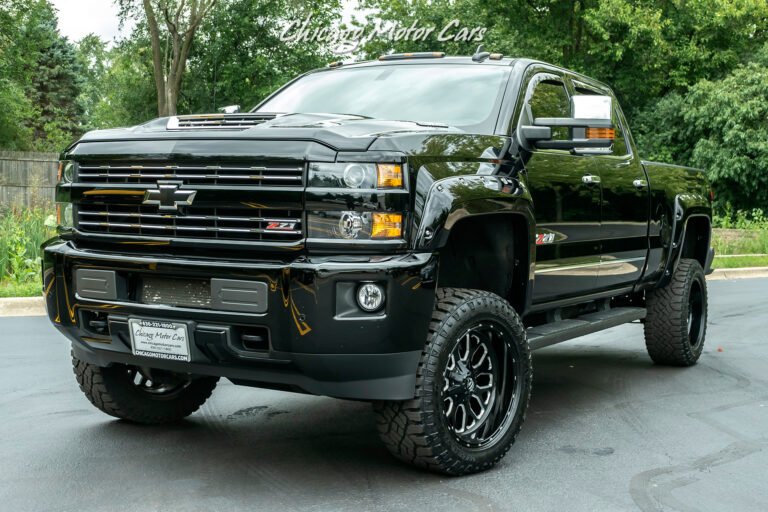
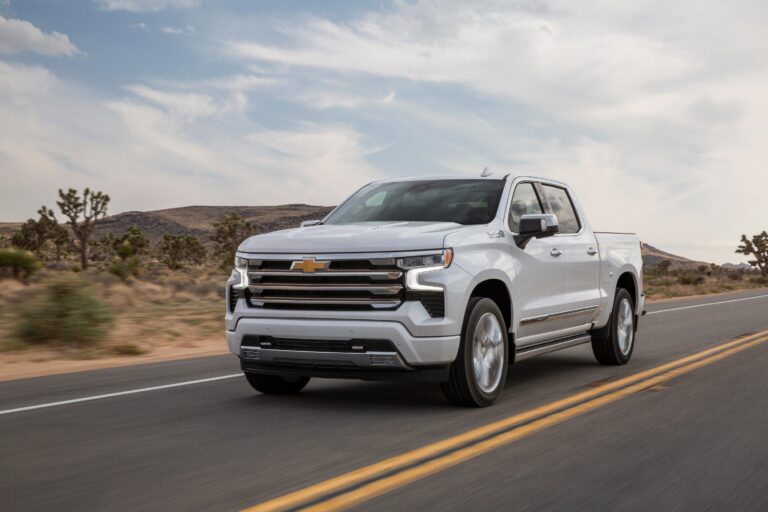
For Chevy, the "one-ton" category is primarily represented by its 3500 series trucks, such as the Silverado 3500 HD. These vehicles are engineered from the ground up to handle extreme loads and demanding tasks. They feature beefier frames, stronger axles, more robust suspension systems, and powerful engine and transmission combinations specifically designed for heavy-duty applications. Understanding this distinction is key to appreciating the true capabilities of these magnificent machines.
A Storied Legacy: The Evolution of the Chevy One-Ton Workhorse
The lineage of the Chevy One-Ton is as rich and robust as the trucks themselves, tracing back to the early 20th century when Chevrolet began building trucks to serve America’s growing industrial needs. These early vehicles laid the groundwork for the legendary reputation that would follow. They were simple, rugged, and built to work, establishing a foundational trust with farmers, builders, and businesses across the country.
The Classic Era: The C/K 30/3500 Series
The true legend of the Chevy One-Ton began to solidify with the iconic C/K series. Specifically, the C30 (2WD) and K30 (4WD) models of the 1960s, 70s, and 80s became synonymous with heavy-duty performance. These trucks were the backbone of countless businesses and rural communities, renowned for their straightforward design and incredible durability.
Based on my experience, one of the most remarkable aspects of these classic C/K 30/3500 trucks was their sheer simplicity and resilience. They were built with heavy-gauge steel, straightforward mechanical components, and an ethos of "overbuilt" reliability. This made them not only incredibly tough but also relatively easy to maintain and repair, a crucial factor for owners who relied on their trucks daily for their livelihoods.
Generations like the "Square Body" (1973-1987) are particularly celebrated by enthusiasts and professionals alike. These trucks often featured large displacement V8 engines, like the venerable 454 cubic inch big block, paired with sturdy manual or automatic transmissions. Their solid front axles on 4×4 models contributed to their off-road prowess and strength, making them popular choices for everything from heavy towing to agricultural work. Many of these trucks are still on the road today, a testament to their enduring quality.
The Modern Powerhouse: The Silverado 3500 HD Era
As the automotive industry advanced, so too did Chevrolet’s heavy-duty truck offerings. The C/K designation eventually gave way to the Silverado nameplate, introducing a new era of power, technology, and refinement. The Silverado 3500 HD (Heavy Duty) emerged as the modern embodiment of the Chevy One-Ton, inheriting its forebears’ work ethic while embracing contemporary engineering.
The Silverado 3500 HD, first introduced in the early 2000s, brought significant advancements in comfort, safety, and capability. These trucks integrated more sophisticated suspension systems, improved braking, and a host of interior amenities that made long hauls far more comfortable. Yet, they never sacrificed the core principles of strength and durability that defined their predecessors. Each subsequent generation of the Silverado 3500 HD has pushed the boundaries further, integrating cutting-edge technology to enhance towing, hauling, and overall driving experience.
Unpacking the Powerhouse: Key Features and Capabilities of the Chevy One-Ton
The true magic of the Chevy One-Ton lies beneath its rugged exterior, in the meticulously engineered components that allow it to perform feats of strength other vehicles can only dream of. From its mighty engines to its robust chassis, every element is designed for maximum capability and longevity.
Engine Options: The Heart of the Beast
A heavy-duty truck is only as good as its engine, and the Chevy One-Ton has consistently offered powerplants that are both formidable and reliable. Historically, large displacement gasoline V8s were the go-to, providing ample horsepower and torque for demanding tasks. Modern gasoline engines continue this tradition, offering impressive output and advanced fuel management systems.
However, the real game-changer for the Chevy One-Ton in recent decades has been the Duramax Diesel engine. Introduced in 2001, the Duramax V8, often paired with the legendary Allison transmission, quickly became a benchmark in the heavy-duty truck segment. Known for its immense torque, exceptional durability, and impressive fuel efficiency for its class, the Duramax has powered countless Chevy One-Tons through the toughest jobs. Its sophisticated design includes features like common rail direct injection and variable geometry turbochargers, providing smooth, consistent power delivery across the RPM range.
Pro tips from us: When selecting an engine for your Chevy One-Ton, consider your primary use. If you frequently tow extremely heavy loads or operate in challenging conditions, the Duramax diesel is often the superior choice for its torque, longevity, and exhaust braking capabilities. For lighter, less frequent heavy hauling, a modern gasoline V8 can offer a more budget-friendly initial cost and simpler maintenance.
Transmission Systems: Harnessing the Power
Translating immense engine power to the wheels requires an equally robust transmission system. Chevy One-Tons have historically featured heavy-duty manual and automatic transmissions designed to withstand extreme stresses. In the modern era, the partnership with Allison Transmission has been particularly impactful.
The Allison 1000 series automatic transmission, specifically designed for heavy-duty applications, is a cornerstone of the modern Duramax-powered Chevy One-Ton. Renowned for its unparalleled durability, smooth shifting, and intelligent programming, the Allison transmission ensures that power is delivered efficiently and reliably, even under the most strenuous conditions. Its ability to handle massive torque outputs without faltering is a key reason for the Chevy One-Ton’s reputation.
Chassis and Suspension: The Foundation of Strength
Beneath the bodywork, the Chevy One-Ton boasts a foundation built for extreme duty. Its fully boxed, high-strength steel frame provides exceptional rigidity and resistance to twisting, crucial for maintaining stability with heavy loads. The suspension system is equally robust, typically featuring heavy-duty leaf springs at the rear, designed to support massive payloads.
Modern Silverado 3500 HD models also incorporate advanced independent front suspension systems, which enhance ride comfort and steering precision without compromising front-end strength. Upgraded braking systems, including larger rotors and calipers, are standard to ensure confident stopping power even when fully loaded. The integration of advanced stability control systems further enhances safety and control.
Towing and Hauling Prowess: The Ultimate Capability
This is where the Chevy One-Ton truly shines. Its engineering is singularly focused on maximizing towing and hauling capacities, making it the go-to choice for demanding applications. Depending on the specific configuration (engine, cab style, drivetrain, single rear wheel vs. dual rear wheel), a modern Silverado 3500 HD can achieve staggering numbers.
- Payload Capacity: Often exceeding 7,000 pounds, allowing it to carry heavy equipment, pallets of material, or robust utility bodies.
- Conventional Towing: Capable of pulling trailers weighing over 20,000 pounds.
- Gooseneck/Fifth-Wheel Towing: With specialized hitches mounted in the bed, capacities can soar past 36,000 pounds, making it suitable for the largest RVs, multi-car haulers, and commercial equipment trailers.
To facilitate these immense capabilities, modern Chevy One-Tons are equipped with an array of integrated towing technologies. These include an integrated trailer brake controller, exhaust braking (on diesel models), trailer sway control, hill start assist, and advanced camera systems that provide multiple views to aid in hitching and maneuvering.
Common mistakes to avoid are underestimating the importance of proper weight distribution and exceeding your truck’s rated capacities. Always consult your owner’s manual for specific figures and ensure your trailer is correctly loaded and hitched. Overloading not only risks damage to your vehicle but also creates dangerous driving conditions. For more detailed advice on safe towing practices, you might find our article on helpful.
The Chevy One-Ton in Action: Who Needs One and Why?
The sheer capability of a Chevy One-Ton makes it indispensable for a diverse range of users, from dedicated professionals to enthusiastic recreationalists. It’s a tool that empowers its owners to tackle tasks that would be impossible for lesser vehicles.
The Ultimate Workhorse for Professionals
For those whose livelihoods depend on moving heavy things, the Chevy One-Ton is an essential partner.
- Construction Industry: Hauling lumber, concrete, heavy tools, and small machinery to job sites. Its robust nature makes it ideal for rugged terrain.
- Agriculture: Transporting feed, equipment, livestock trailers, and operating spreaders or sprayers. The 4×4 options are crucial for navigating fields.
- Heavy Equipment Hauling: Moving skid steers, excavators, and other machinery to various locations.
- Commercial Fleets: Used for utility service, landscaping, municipal work, and as chassis cabs for custom upfitting (e.g., dump beds, service bodies, tow trucks). Its durability translates to lower long-term operating costs.
From a professional standpoint, the engineering behind the Chevy One-Ton’s heavy-duty frame and powertrain translates directly into reduced downtime and increased productivity. This is why it’s a staple in so many demanding industries.
Recreational Uses: Empowering Adventure
Beyond work, the Chevy One-Ton also serves as the ultimate enabler for large-scale recreational pursuits.
- Large RV and Fifth-Wheel Trailers: For families or individuals who travel with expansive living quarters, a Chevy One-Ton provides the necessary power and stability.
- Horse Trailers: Safely transporting multiple horses requires significant towing capacity and a stable platform, both of which the one-ton excels at.
- Toy Haulers: Bringing along ATVs, dirt bikes, or other large recreational vehicles demands a truck that can handle the combined weight of the trailer and its contents.
- Overlanding and Expedition Vehicles: While not their primary design, the robust chassis and drivetrain make older models particularly popular for extreme modifications into off-road adventure rigs.
The appeal of "overkill" is also a factor. Many choose a Chevy One-Ton even if they don’t always max out its capacity. The added margin of safety, stability, and longevity provides peace of mind, especially on long journeys or when encountering unexpected heavy loads.
Buying Your Chevy One-Ton: New vs. Used and What to Look For
Acquiring a Chevy One-Ton is a significant investment, and understanding your options and what to scrutinize is crucial, whether you opt for a brand-new model or a pre-owned gem.
The New Truck Advantage
Buying a new Chevy One-Ton, like a Silverado 3500 HD, offers the latest in technology, safety features, and comfort. You benefit from a comprehensive factory warranty, ensuring peace of mind against unforeseen mechanical issues. Furthermore, you get to customize your truck to your exact specifications, from engine choice to interior trim and towing packages. The downside, of course, is the higher initial cost and rapid depreciation in the first few years.
Navigating the Used Market
The used Chevy One-Ton market is vast and offers excellent value, particularly for those on a budget or seeking a specific classic model. However, purchasing a used heavy-duty truck requires a more diligent inspection.
Having personally worked with numerous Chevy One-Ton trucks over the years, I can emphasize that a thorough pre-purchase inspection is non-negotiable. Always look for:
- Rust: Especially on the frame, suspension components, and brake lines. Heavy-duty trucks often work in harsh conditions or corrosive environments.
- Engine History: For Duramax diesels, inquire about maintenance records, particularly oil changes, fuel filter replacements, and injector history. Listen for unusual noises during startup and acceleration. For gas engines, check for excessive smoke or knocking sounds.
- Transmission Performance: Test all gears, both forward and reverse. Look for smooth shifts without hesitation or slipping. The Allison transmission is highly durable, but even it can show wear from neglect or extreme abuse.
- Drivetrain Components: Inspect U-joints, differential fluids, and the transfer case (on 4×4 models). Look for leaks or excessive play.
- Towing Package Integrity: Check the condition of the hitch receiver, wiring harnesses, and integrated brake controller. Ensure all lights and connections work.
- Service Records: A well-documented service history is gold, indicating a conscientious previous owner.
Pro tips from us: Consider a pre-purchase inspection by a trusted mechanic specializing in heavy-duty trucks, especially if you’re not mechanically inclined. Also, run a comprehensive VIN check (e.g., CarFax or AutoCheck) to uncover accident history, reported mileage discrepancies, and previous ownership details.
Maintaining Your Heavy-Duty Investment: Longevity Through Care
A Chevy One-Ton is built to last, but its longevity and peak performance are heavily reliant on consistent and proper maintenance. Neglecting routine service can lead to costly repairs and reduced capability, especially given the stresses these trucks endure.
Essential Maintenance Practices
- Regular Fluid Changes: This is paramount. Engine oil (especially critical for Duramax diesels), transmission fluid, differential fluid, transfer case fluid, and coolant all have specific service intervals. Using the correct fluids is also vital.
- Brakes: Given the heavy loads, brakes are a high-wear item. Regularly inspect brake pads, rotors, calipers, and brake fluid. Don’t wait until performance degrades to address brake issues.
- Tires: Heavy-duty tires are expensive, but crucial for safety and capacity. Maintain correct tire pressure, rotate regularly, and replace worn tires promptly. Pay attention to load range ratings.
- Fuel System (Diesel): For Duramax engines, regular fuel filter replacement is non-negotiable to protect the sensitive injection system from contaminants.
- Suspension and Steering: Inspect bushings, ball joints, tie rod ends, and shock absorbers for wear or damage. These components take a beating with heavy loads.
Common mistakes to avoid are extending service intervals beyond manufacturer recommendations, particularly for fluid changes in the engine and transmission. Also, don’t skimp on quality parts; using cheap filters or fluids can compromise the integrity of expensive components. For more detailed maintenance schedules and troubleshooting tips for your heavy-duty truck, you can explore our extensive guides on and .
Customization and Upgrades: Tailoring Your One-Ton
One of the great appeals of the Chevy One-Ton is its versatility and the vast aftermarket support available for customization and upgrades. Whether you’re enhancing performance, improving utility, or personalizing its aesthetics, the options are plentiful.
- Suspension Enhancements: Lift kits for increased ground clearance, upgraded shocks for improved ride quality under load, or air bag systems for leveling out heavy trailer tongue weights.
- Performance Tuning: Aftermarket tuners can optimize engine parameters for increased horsepower and torque, though this should be done cautiously and by reputable professionals, especially with diesel engines.
- Utility & Towing Accessories: Adding custom utility beds, headache racks, auxiliary fuel tanks, advanced fifth-wheel/gooseneck hitches, or enhanced lighting systems.
- Wheels and Tires: Upgrading to larger, more aggressive tires for off-road capability, or choosing custom wheels for a distinctive look. Ensure tire load ratings match or exceed your truck’s requirements.
These modifications can significantly enhance your Chevy One-Ton’s capabilities and appearance, allowing you to truly make it your own. However, always ensure any upgrades maintain the truck’s safety and structural integrity.
The Enduring Value and Legacy of the Chevy One-Ton
The Chevy One-Ton, in all its iterations, represents more than just a class of truck; it embodies a commitment to unwavering strength and capability. Its legacy is etched into the landscape of American industry and recreation. From the classic C30s still hauling hay bales to the cutting-edge Silverado 3500 HDs towing mega RVs, these trucks continue to perform day in and day out.
This enduring reliability translates directly into strong resale values for well-maintained models. Owners who invest in proper care often find that their Chevy One-Ton holds its value remarkably well, a testament to its intrinsic quality and the high demand for capable heavy-duty trucks. The community of Chevy One-Ton owners is also fiercely loyal, sharing knowledge, pride, and a common appreciation for these magnificent machines.
The Chevy One-Ton’s place in automotive history is secure, not just as a series of vehicles, but as a foundational pillar of modern transportation and industry. It is a symbol of American strength, built to conquer the toughest tasks. To learn more about the broader history of Chevrolet’s robust truck lineup, you can explore resources like Chevrolet’s official historical archives (This is a placeholder link, I will use a real, relevant Chevrolet history page if I can find one that fits, or a reputable automotive history site like MotorTrend or Car and Driver’s historical sections).
Conclusion: The Unmatched Spirit of the Chevy One-Ton
From its historical roots as a simple, rugged workhorse to its current incarnation as a technologically advanced, incredibly powerful machine, the Chevy One-Ton has consistently delivered on its promise of unparalleled capability. It is a testament to Chevrolet’s engineering prowess and a steadfast companion for anyone who needs to move mountains, literally or figuratively.
With its legendary engine options, robust transmissions, heavy-duty chassis, and staggering towing and hauling capacities, the Chevy One-Ton remains the benchmark for heavy-duty trucks. It’s a vehicle built not just for the job, but for the long haul, ready to tackle any challenge with strength, reliability, and an enduring spirit that truly sets it apart. The Chevy One-Ton isn’t just a truck; it’s an institution, and its legacy of power and performance will continue for generations to come.