The Unforgettable Era of the 1960s Semi Truck: A Deep Dive into American Trucking History
The Unforgettable Era of the 1960s Semi Truck: A Deep Dive into American Trucking History Lmctruck.Guidemechanic.com
Step back in time with us to an era when chrome gleamed under the open sky, diesel engines roared with a distinct mechanical symphony, and the American road network was truly coming into its own. The 1960s were a pivotal decade for the trucking industry, forging the identity of the "big rig" that still captivates enthusiasts today. These were not just machines; they were symbols of freedom, commerce, and the relentless spirit of a nation on the move.
As expert bloggers and seasoned observers of the trucking world, we’ve spent countless hours studying the evolution of these magnificent vehicles. This comprehensive guide will transport you through the design, technology, and sheer character of the 1960s semi truck, offering insights that only a deep dive into history can provide. We aim to illuminate why these vintage semi trucks remain so beloved and influential, even in our modern era. Get ready to explore the machines that shaped the backbone of American logistics.
The Unforgettable Era of the 1960s Semi Truck: A Deep Dive into American Trucking History
The Golden Age of American Trucking: Setting the Scene
The 1960s dawned with an economic boom and a burgeoning demand for goods across the United States. This period saw the rapid expansion of the Interstate Highway System, creating a vital network that transformed long-haul trucking from a niche industry into an indispensable pillar of the national economy. Truckers became the unsung heroes, delivering everything from fresh produce to industrial machinery, connecting communities like never before.
This era was characterized by a spirit of rugged individualism and mechanical ingenuity. The trucking industry, though growing, was still somewhat raw and untamed, mirroring the open roads these powerful vehicles traversed. It was a time of significant change, laying the groundwork for the highly organized and technologically advanced logistics operations we see today.
The demand for more powerful, reliable, and efficient vehicles pushed manufacturers to innovate, even if "comfort" by today’s standards was still a distant dream. Each 1960s semi truck tells a story of an industry finding its stride, powered by men and machines that embodied resilience. Understanding this context is crucial to appreciating the specific designs and features of the trucks themselves.
Key Characteristics of 1960s Semi Trucks
The semi trucks of the 1960s possessed a unique blend of form and function, driven by the practical demands of the era. Their design philosophy prioritized durability, power, and ease of maintenance, often over driver amenities. Let’s delve into what made these classic big rigs stand out.
Design Philosophy: Ruggedness Meets Chrome
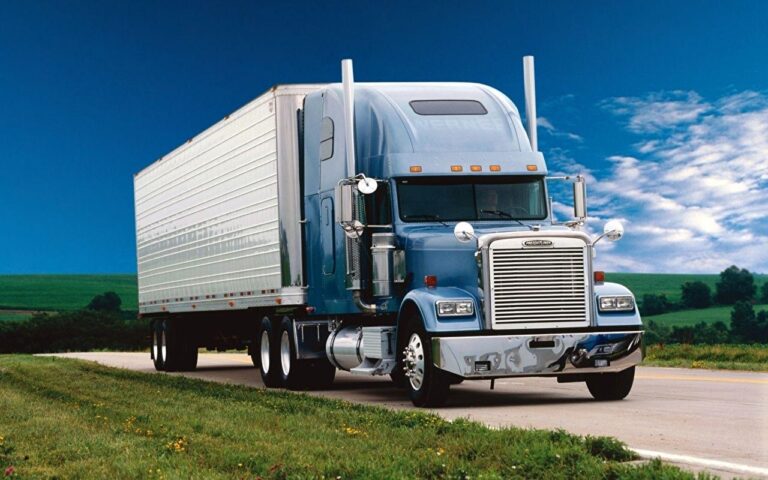
The aesthetic of a 1960s semi truck was unmistakable. These vehicles exuded a powerful, utilitarian beauty, often characterized by bold lines, prominent grilles, and an abundance of polished chrome accents. This wasn’t just for show; chrome was a sign of quality and pride for many owner-operators.
Manufacturers focused on robust construction, building trucks that could withstand the rigors of long-haul travel on developing highway systems. Simplicity in design also meant easier repairs on the road, a critical factor when roadside assistance was less ubiquitous. Every component, from the massive fuel tanks to the imposing exhaust stacks, contributed to an iconic silhouette.
Based on my experience attending countless vintage truck shows, it’s clear that this era’s design language evokes a strong sense of nostalgia and admiration. The purposeful, almost industrial beauty of these trucks is a testament to an age when engineering was often more visible and celebrated. The timeless appeal of these designs continues to influence modern truck aesthetics, proving their enduring impact.
Powerplants and Drivetrains: Diesel Dominance Emerges
The 1960s firmly established the diesel engine as the undisputed king of semi truck power. While gasoline engines still held some presence in lighter-duty applications, the superior torque, fuel efficiency, and longevity of diesel power made it the obvious choice for heavy-duty hauling. Engines from Cummins, Detroit Diesel, and Caterpillar were legendary, known for their reliability and raw power.
These engines were typically non-turbocharged in the early 60s, relying on sheer displacement to produce impressive torque figures. Turbocharging began to gain traction later in the decade, offering a significant boost in power and efficiency without a drastic increase in engine size. This innovation marked a turning point in engine development for the trucking industry.
Transmissions were predominantly manual, often featuring complex multi-speed configurations like 5-speed main boxes with 2-speed auxiliaries, or even 10-speed or 13-speed "Roadranger" units. Mastering these gearboxes required significant skill and coordination, a true hallmark of a professional driver. The mechanical connection between driver and machine was incredibly direct, demanding a deep understanding of the truck’s capabilities.
Cab Design: Conventional vs. Cabover Evolution
The 1960s witnessed the ongoing rivalry and evolution of two primary cab configurations: Conventional and Cabover Engine (COE).
- Conventional Cabs: These designs featured the engine mounted in front of the cab, resulting in a prominent hood. Conventional cabs offered better ride quality due to the engine’s mass dampening road vibrations and easier access for maintenance. They were favored for routes where overall length restrictions weren’t as stringent, often associated with a classic, rugged American aesthetic. Think of the long-nosed Peterbilts and Kenworths that became symbols of the open road.
- Cabover Engine (COE) Cabs: In COE designs, the cab was positioned directly over the engine, allowing for a shorter overall vehicle length. This configuration was particularly popular in states with strict length limits, enabling truckers to pull longer trailers and maximize cargo capacity. While often offering a bumpier ride and more engine noise in the cab, their maneuverability and cargo efficiency were undeniable advantages, especially in urban areas or on tighter routes. Many Freightliners and International Harvesters of the era were iconic COEs.
Sleeper cabs were becoming more common, moving beyond simple bunks to offer slightly more amenities for drivers on long hauls. However, these were still Spartan compared to today’s luxurious mobile apartments, emphasizing functionality over comfort. They provided a basic place for rest, essential for complying with early hours-of-service regulations.
Materials and Construction: Built to Last
Semi trucks from the 1960s were built with durability in mind, often utilizing heavy-gauge steel for frames and structural components. Aluminum was increasingly employed for non-structural parts like fuel tanks, wheels, and certain body panels to reduce weight and improve payload capacity, a practice that continues today. The balance between strength and weight savings was a constant engineering challenge.
Riveted construction was common, providing robust and repairable joints, a testament to the era’s manufacturing techniques. The emphasis was on straightforward, robust engineering that could be maintained with common tools and skills. This focus on longevity and repairability ensured that many of these trucks remained in service for decades, a testament to their inherent quality.
Pro tips from us, having delved deep into the mechanics of these vintage beasts, include always inspecting frame rails for fatigue or modifications if you’re considering a restoration project. Originality in construction speaks volumes about the care a truck received over its working life.
Iconic 1960s Semi Truck Models and Manufacturers
The 1960s gave rise to some of the most recognizable and revered names in trucking history. Each manufacturer contributed distinct models that became legends in their own right. Let’s explore some of these titans of the highway.
Peterbilt: The Class of the Industry
Peterbilt Motor Company solidified its reputation for building premium, custom-ordered trucks during the 1960s. Known for their distinctive long noses, polished aluminum, and meticulous craftsmanship, Peterbilts were the aspirational choice for many owner-operators. Their trucks were often seen as a statement of pride and professionalism on the road.
Models like the Peterbilt 351 and its successors, leading up to the iconic 359, were workhorses that combined robust engineering with a striking aesthetic. These conventional trucks featured powerful engines and a driver-centric design, making them a favorite for long-haul routes. The attention to detail in their construction and finish set them apart.
A Peterbilt from the 1960s was, and still is, a symbol of quality and enduring style. They were built to be worked hard, yet their elegant lines and prominent chrome made them look good doing it. This blend of rugged utility and sophisticated appearance cemented Peterbilt’s "Class" status.
Kenworth: Engineered for the Long Haul
Kenworth Truck Company, another titan of the Pacific Northwest, also carved out a niche for building heavy-duty, custom trucks. Their focus on engineering excellence and driver comfort (relative to the era) made them a formidable competitor to Peterbilt. Kenworths were renowned for their durability and ability to tackle the toughest jobs.
The Kenworth W900, introduced in 1961, quickly became a legend. This conventional model, with its distinctive grille and robust chassis, was designed for demanding operations and long-distance hauling. Its enduring design has seen it remain in production for decades, a testament to its fundamental soundness and appeal.
Alongside the W900, the Kenworth K100 Cabover also gained immense popularity. Its efficient space utilization and powerful engine options made it a favorite for freight companies needing to maximize trailer length. These trucks demonstrated Kenworth’s ability to innovate across different configurations while maintaining their signature quality.
Freightliner: The Aluminum Specialists
Freightliner Corporation truly pioneered the widespread use of aluminum in semi truck construction during the 1960s. Their trucks were designed to be lightweight, allowing for maximum payload capacity, a crucial advantage for profit-conscious haulers. This focus on weight savings made them particularly popular in the West.
Freightliner was predominantly known for its Cabover Engine (COE) designs, which became synonymous with efficiency and modern trucking. Their "shaker" trucks, named for the inherent vibrations of a COE, were utilitarian and highly functional. They were built for work, plain and simple, and they excelled at it.
The company’s commitment to innovation in materials and construction allowed them to offer trucks that were both robust and efficient. Many owner-operators and fleets recognized the economic benefits of Freightliner’s design philosophy, making them a significant player in the 1960s market.
Mack Trucks: Built Like a Mack Truck
Mack Trucks, with its iconic bulldog hood ornament, had a reputation for building incredibly tough and dependable vehicles. The phrase "built like a Mack truck" became a common idiom, reflecting the brand’s commitment to durability and raw power. Mack engines, particularly their Maxidyne series, were renowned for their torque and fuel efficiency.
The 1960s saw the dominance of Mack’s R-series and B-series conventional trucks. These robust machines were favored for heavy-duty applications, including construction, logging, and refuse hauling, in addition to long-haul freight. Their rugged chassis and powerful powertrains made them virtually unstoppable in challenging conditions.
Mack trucks of this era projected an image of brute strength and unwavering reliability. Their distinctive styling and powerful presence made them a favorite among drivers who valued a truck that could withstand anything thrown its way. The Mack bulldog truly symbolized the spirit of these workhorses.
International Harvester: The People’s Truck
International Harvester (IH) was a diversified manufacturer, producing a wide range of vehicles, including some very popular semi trucks in the 1960s. IH trucks were known for their practicality, widespread dealer network, and often more accessible price point compared to premium brands. They offered a solid, reliable option for many fleets and owner-operators.
The Loadstar and Fleetstar series were prominent conventional trucks, while the CO-series represented their Cabover offerings. These trucks were built to be dependable workhorses, emphasizing functionality and ease of maintenance. They played a crucial role in supporting various industries across America.
International Harvester trucks from this period are cherished by enthusiasts for their straightforward design and their significant contribution to the trucking landscape. They embodied the everyday reliability that kept America moving, proving that a dependable truck didn’t always have to break the bank.
Ford and GMC: Mainstream Powerhouses
Both Ford and GMC, traditional passenger vehicle manufacturers, also had significant presences in the heavy-duty truck market during the 1960s. They leveraged their vast manufacturing capabilities and dealer networks to offer competitive semi truck options.
Ford introduced its "Louisville Line" of heavy-duty trucks in the late 1960s, which quickly gained popularity for their modern design and robust construction. Prior to that, models like the C-Series COE were ubiquitous, known for their versatility and widespread use in various applications, from fire trucks to freight haulers.
GMC offered its own range of heavy-duty trucks, often sharing components with Chevrolet models due to their corporate relationship. Their trucks were known for reliability and a strong dealer support system. Both Ford and GMC played a vital role in making heavy-duty trucks accessible to a broader market, contributing significantly to the sheer volume of trucks on the road.
Technological Advancements and Innovations of the Era
While the 1960s might seem rudimentary compared to today’s high-tech vehicles, this decade was a hotbed of innovation that laid crucial groundwork for future developments.
Engine Improvements and Efficiency Focus
The decade saw significant strides in diesel engine technology. Beyond the introduction of turbocharging, manufacturers focused on improving fuel injection systems for better combustion and efficiency. The aim was to squeeze more power and miles out of every gallon, a constant battle in the trucking world. Engine components were engineered for greater longevity, reducing downtime for repairs.
Common mistakes to avoid when looking at 1960s engines are assuming they are all the same. While many shared fundamental designs, incremental improvements were constantly being made. Researching specific engine models and their production years is key to understanding their capabilities and common quirks.
Suspension Systems and Braking
While air-ride suspensions were still largely a luxury or a new development, leaf spring suspensions were the norm, constantly being refined for better load handling and a smoother ride. The balance between carrying heavy loads and providing some level of comfort was a constant challenge.
Air brakes became standard on semi trucks, offering far superior stopping power and reliability compared to hydraulic systems for heavy loads. This critical safety feature underwent continuous development, making highways safer for everyone. Understanding the intricacies of these early air brake systems is paramount for any restorer or enthusiast.
Early Safety and Driver Comfort Features
Safety features, though basic by today’s standards, were slowly improving. Better lighting systems, stronger cabs, and the introduction of things like seatbelts (though not always mandated or used consistently) marked a gradual shift towards prioritizing driver protection.
Driver comfort was still a secondary concern, but small improvements were being made. Better seating materials, more effective cab ventilation, and attempts to reduce in-cab noise and vibration were all part of the evolutionary process. However, a "comfortable" ride in a 1960s semi truck still meant a very physical and demanding experience.
The Driving Experience in a 1960s Semi Truck
Driving a 1960s semi truck was an entirely different beast compared to today’s automated, climate-controlled cabins. It was a visceral, demanding, and deeply engaging experience that forged a special bond between driver and machine.
Challenges on the Road
Imagine a cabin filled with the rumble of a powerful diesel engine, the whine of the transmission, and the constant vibration of the road. Air conditioning was a rare luxury, meaning drivers often battled extreme temperatures. Power steering was not universal, making tight maneuvers a serious workout. Drivers relied heavily on their skill, strength, and intuition.
The manual transmissions, with their multiple gears and often unsynchronized shifts, required precise timing and double-clutching. This was not just driving; it was operating a complex piece of machinery with intimate knowledge. Long hauls were physically grueling, demanding immense focus and endurance from the drivers.
The Rewards of the Open Road
Despite the challenges, many veteran drivers speak fondly of the era. There was an undeniable connection to the road and the machine. The open feel of the highways, the sense of pioneering a growing industry, and the camaraderie among truckers created a unique culture. Each mile earned was a testament to skill and perseverance.
Life on the road for truckers in the 60s was often solitary, punctuated by stops at roadside diners and truck stops that became hubs of community. They were the backbone of commerce, carrying the nation’s goods with a sense of pride and responsibility. This period truly defined the image of the American long-haul trucker.
Restoring and Preserving 1960s Semi Trucks Today
The enduring appeal of 1960s semi trucks has created a vibrant community dedicated to their restoration and preservation. These classic big rigs are not just museum pieces; many are lovingly restored to be driven and showcased.
Why Restore Them?
For enthusiasts, restoring a 1960s semi truck is often a passion project driven by nostalgia, a love for classic machinery, and a desire to preserve a piece of history. These trucks represent a bygone era of American industry and design, evoking memories of simpler times and the romance of the open road. It’s about bringing these mechanical marvels back to life.
Beyond personal satisfaction, a well-restored 1960s semi truck is a showstopper at any classic vehicle event. They stand as a testament to the engineering prowess and aesthetic values of the period, captivating audiences with their sheer presence and history. It’s a way to honor the legacy of these magnificent machines.
Challenges of Restoration
Restoring a vintage semi truck is a significant undertaking. One of the biggest challenges is sourcing original or period-correct parts. Many components are no longer manufactured, requiring extensive searching, custom fabrication, or careful refurbishment of existing pieces. This often involves connecting with specialized suppliers and fellow enthusiasts.
Finding experienced mechanics who understand the intricacies of 1960s diesel engines, air brake systems, and manual transmissions can also be difficult. These are not jobs for just any modern shop. Dedicated knowledge and traditional mechanical skills are essential to ensure authenticity and proper function.
Pro Tips for Restorers
- Research is Key: Before turning a single wrench, immerse yourself in research about your specific model and year. Original manuals, sales brochures, and historical photographs are invaluable resources.
- Join a Community: Connect with online forums, classic truck clubs, and social media groups dedicated to 1960s semi trucks. These communities are treasure troves of information, parts leads, and expert advice.
- Prioritize Authenticity: Decide early on if you want a historically accurate restoration or a "restomod" with modern upgrades. An authentic restoration typically commands more respect from purists.
- Patience is a Virtue: Restoration is a long and often expensive process. Be patient, take your time, and enjoy the journey of bringing a piece of history back to its former glory.
Common mistakes to avoid are underestimating the cost and time involved, or rushing the paint and bodywork before addressing mechanical issues. A solid foundation is crucial for a lasting restoration.
The Legacy of 1960s Semi Trucks
The impact of the 1960s semi truck extends far beyond the decade itself. These vehicles laid the foundation for modern trucking, influencing everything from engine design to cab configurations. Many aesthetic cues, such as the prominent grilles and chrome accents, can still be seen in contemporary big rigs, connecting today’s trucks to their storied past.
In popular culture, the 1960s semi truck often evokes images of freedom, adventure, and the American spirit. They frequently appear in films, television shows, and music, symbolizing the open road and the enduring appeal of heavy machinery. Their powerful presence continues to capture the imagination of generations.
Today, these vintage semi trucks are celebrated by a passionate community of collectors, restorers, and enthusiasts. They are a tangible link to a transformative era in American history, reminding us of the ingenuity, hard work, and pioneering spirit that built a nation. Their legacy is etched into the asphalt of every highway they helped build.
Conclusion
The 1960s semi truck stands as a magnificent testament to a pivotal era in American history and industrial design. These were not merely vehicles; they were the sinews of a burgeoning economy, symbols of freedom, and enduring icons of the open road. From the rugged aesthetics of a Peterbilt to the efficient engineering of a Freightliner, each truck tells a story of innovation, hard work, and an unwavering commitment to getting the job done.
As we’ve explored, the characteristics, models, and technological advancements of the 1960s shaped the very definition of the "big rig." Their legacy continues to inspire, captivating enthusiasts and reminding us of a time when the connection between driver and machine was as raw and real as the asphalt beneath their tires. The roar of a 1960s diesel engine is more than just noise; it’s the sound of history echoing down the highway.
If you’re fascinated by the mechanics and history of these powerful machines, we encourage you to delve deeper. Explore the detailed histories of manufacturers like Kenworth, and you’ll find a rich tapestry of engineering and design evolution. The journey through the golden age of trucking is truly an unforgettable ride.