The Ultimate Guide to Used Flatbeds For Pickups: Unlocking Versatility and Value
The Ultimate Guide to Used Flatbeds For Pickups: Unlocking Versatility and Value Lmctruck.Guidemechanic.com
There’s a unique breed of truck owner out there—one who sees their pickup not just as a means of transport, but as a blank canvas for serious work and unparalleled utility. For these individuals, the traditional factory truck bed, with its confined walls and limited access, often falls short. This is where the mighty flatbed steps in, transforming an ordinary pickup into an extraordinary workhorse.
But what if we told you that achieving this level of versatility doesn’t require breaking the bank on a brand-new setup? Enter the world of used flatbeds for pickups. These pre-owned marvels offer an incredible blend of functionality, durability, and significant cost savings. If you’re considering making the switch, or simply curious about the immense potential a flatbed offers, you’ve come to the right place.
The Ultimate Guide to Used Flatbeds For Pickups: Unlocking Versatility and Value
This comprehensive guide will dive deep into everything you need to know about acquiring, installing, and maximizing the value of a used flatbed for your pickup. We’ll explore why they’re such a smart investment, what to look for when buying, and how to ensure your new setup serves you faithfully for years to come. Prepare to unlock a whole new level of capability for your truck.
The Enduring Appeal of Flatbeds for Pickups: Beyond the Bed
A flatbed isn’t just an alternative to a standard pickup bed; it’s a fundamental shift in how you interact with your truck’s cargo space. The open, unencumbered platform offers a level of access and versatility that traditional beds simply cannot match. It’s about freedom from confines and the ability to adapt to almost any hauling challenge.
Why a Flatbed? Advantages Over Traditional Beds
The primary draw of a flatbed is its sheer practicality. Imagine loading oversized items, pallets, or irregularly shaped equipment without struggling against sidewalls. With a flatbed, you can easily load from the sides, the rear, or even overhead with a crane or forklift, dramatically streamlining your workflow. This open design also means you’re no longer limited by the height or width of a conventional bed.
Furthermore, a flatbed provides an expansive, flat surface that can be customized in countless ways. You can secure loads with straps and chains at any point, add removable stake sides, or integrate specialized equipment directly onto the deck. This adaptability makes it an invaluable asset for a wide range of tasks, from hauling lumber to transporting machinery.
Who Benefits Most?
Based on my experience, flatbeds truly shine for specific user groups. Tradesmen, such as landscapers, carpenters, and welders, find the ease of loading and organized tool storage indispensable. Farmers and ranchers use them to transport feed, fencing, and equipment across vast properties with unmatched efficiency. Even avid DIYers or those with recreational needs, like hauling ATVs or kayaks, discover the convenience and enhanced capacity a flatbed provides.
The ability to easily access and manage cargo makes daily operations smoother and safer. No more reaching awkwardly over high bed walls or struggling to maneuver large items into a cramped space. A flatbed fundamentally changes the way you work, making your pickup a more capable and efficient partner.
Why Consider a Used Flatbed? The Smart Choice for Savvy Owners
Opting for a used flatbed is often the most intelligent decision for many truck owners. While the allure of a brand-new, custom-built unit is strong, the practical benefits of going pre-owned are compelling, offering significant advantages without compromising on quality or functionality. It’s about making your budget work harder for you.
Significant Cost Savings
The most immediate and obvious benefit of purchasing a used flatbed is the substantial cost reduction. New flatbeds, especially those with advanced features or made from premium materials like aluminum, can be a significant investment. A used unit, even one in excellent condition, typically comes at a fraction of the original price, allowing you to allocate funds to other essential truck upgrades or accessories. This financial flexibility is a major draw for budget-conscious buyers.
Immediate Availability and Proven Durability
Unlike new custom orders that often involve lead times for manufacturing and installation, a used flatbed is usually available for immediate purchase and setup. This means you can quickly get your truck back on the road and working. Moreover, many used flatbeds, particularly those from reputable brands, are built with robust materials and construction techniques designed to withstand heavy use. They have already proven their mettle in real-world conditions, giving you confidence in their longevity.
The Eco-Friendly Aspect
Choosing a used flatbed also aligns with sustainable practices. By repurposing an existing piece of equipment, you’re contributing to a circular economy, reducing demand for new manufacturing, and minimizing waste. It’s a small but meaningful way to lessen your environmental footprint while still acquiring a highly functional product. This "reduce, reuse, recycle" mentality applies perfectly to durable truck accessories.
Pro tips from us: Don’t underestimate the quality of a well-maintained used unit. Many owners upgrade their trucks or change their needs, selling perfectly functional flatbeds that still have years of service left. Diligent searching can unearth some real gems that offer exceptional value.
Types of Flatbeds and Materials: Know Your Options
Before you embark on your search for used flatbeds for pickups, understanding the different types and materials available is crucial. Each option offers distinct advantages in terms of strength, weight, corrosion resistance, and cost. Matching the right flatbed to your specific needs will ensure long-term satisfaction and performance.
Materials: The Foundation of Durability
The material composition of a flatbed dictates much about its performance and longevity.
- Steel Flatbeds: Steel is the workhorse of the flatbed world. Renowned for its exceptional strength and durability, steel flatbeds can withstand heavy loads and significant abuse. They are typically more affordable than aluminum, making them a popular choice for those on a budget. However, steel is heavier and susceptible to rust, so proper maintenance, including regular cleaning and painting, is essential to prevent corrosion.
- Aluminum Flatbeds: For those prioritizing weight savings and corrosion resistance, aluminum is an excellent option. Aluminum flatbeds are significantly lighter than steel, which can improve fuel efficiency and allow for greater payload capacity within your truck’s Gross Vehicle Weight Rating (GVWR). They are naturally resistant to rust and require less maintenance in that regard, though they are generally more expensive than steel units.
- Wood/Composite Decks on Metal Frames: Some flatbeds feature a steel or aluminum frame topped with a wooden or composite deck. Wood offers a certain aesthetic and can be more forgiving on cargo, but it requires periodic treatment to prevent rot and splintering. Composite decks offer durability and low maintenance, combining the best of both worlds, though they may add to the overall cost.
Styles and Features: Tailoring to Your Task
Flatbeds come in various configurations, each designed for specific functions.
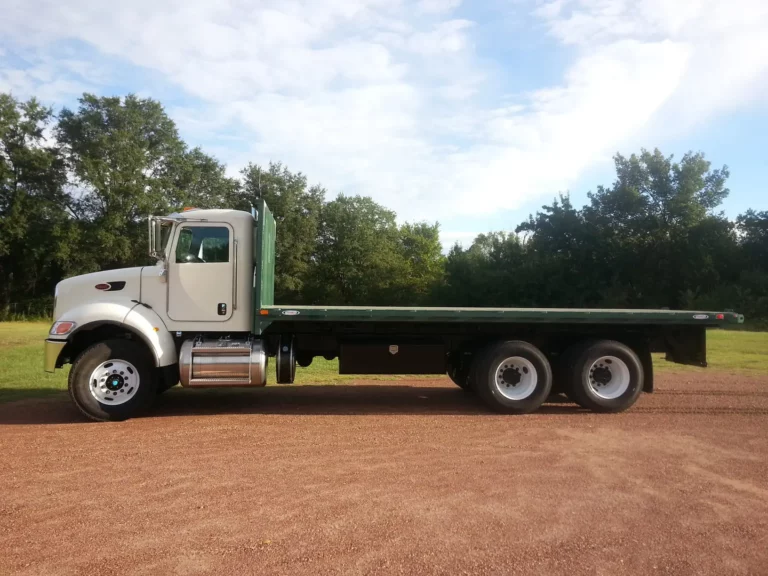
- Standard Flatbeds: These are the most basic and common type, offering a simple, open platform. They are incredibly versatile for general hauling, allowing you to load anything from lumber to ATVs. Their simplicity often translates to lower cost, especially in the used market.
- Service/Utility Flatbeds: Designed with tradesmen in mind, these flatbeds incorporate integrated toolboxes and compartments along the sides. They provide secure, organized storage for tools, parts, and equipment, eliminating the need for separate toolboxes in the bed. This setup significantly enhances efficiency on job sites.
- Gooseneck/Fifth-Wheel Ready Flatbeds: For heavy-duty towing, some flatbeds come pre-equipped with a gooseneck ball or a mounting plate for a fifth-wheel hitch. This allows your pickup to pull large trailers, such as livestock trailers, car haulers, or large RVs, with improved stability and towing capacity. This is a critical feature for those with serious towing requirements.
- Dump Flatbeds: These specialized flatbeds feature a hydraulic lift system that allows the entire bed to tilt, facilitating easy unloading of loose materials like gravel, dirt, or debris. They are highly valued in construction, landscaping, and farming operations for their efficiency in material handling.
- Integrated Features: Look for additional features like headache racks (to protect the cab), stake pockets (for removable side rails), and multiple tie-down points. These elements significantly enhance safety, cargo security, and the overall utility of the flatbed.
Understanding these distinctions will help you narrow down your search and find a used flatbed that perfectly matches your operational demands and budget.
The Crucial Buying Guide: What to Look For in a Used Flatbed
Purchasing a used flatbed for your pickup requires a discerning eye and a thorough inspection. While the cost savings are appealing, you want to ensure you’re investing in a durable and safe unit, not inheriting someone else’s problems. Common mistakes to avoid are rushing the purchase or relying solely on online pictures.
Pre-Purchase Inspection Checklist: Your Eyes and Hands are Your Best Tools
A hands-on inspection is paramount. Don’t be afraid to get dirty and examine every aspect of the flatbed.
- Frame Integrity: This is the backbone of the flatbed. Look meticulously for any signs of rust, especially deep pitting or flaking, which can compromise structural integrity. Check for cracks in the main frame rails or crossmembers, particularly near welds and stress points. Minor surface rust is often manageable, but extensive corrosion or structural damage is a major red flag.
- Deck Surface Condition: Examine the flatbed’s deck. For steel or aluminum decks, look for significant dents, warps, or perforations. If it’s a wood or composite deck, check for rot, severe splintering, delamination, or soft spots that indicate water damage. Ensure the deck is securely fastened to the frame.
- Mounting Hardware: Inspect the brackets, bolts, and attachment points that connect the flatbed to the truck’s frame. These should be robust, free of severe rust, and appear to be in good, secure condition. Missing or heavily corroded hardware will need immediate attention and replacement.
- Electrical Components: If the flatbed includes lights (tail lights, brake lights, turn signals, marker lights), inspect the wiring for cuts, fraying, or exposed conductors. Test all lights to ensure they function correctly. Any electrical issues can be time-consuming and costly to repair.
- Towing Components (if applicable): For gooseneck or fifth-wheel ready flatbeds, thoroughly inspect the ball or hitch mounting plate. Check for excessive wear, cracks, or signs of improper installation. Ensure any safety chain anchors are solid and undamaged.
- Hydraulics (if applicable): If you’re looking at a dump flatbed, inspect the hydraulic cylinder for leaks, rust on the piston rod, and smooth operation. Check all hydraulic lines and connections for damage or seepage. Test the dump function multiple times.
Compatibility: Matching the Flatbed to Your Pickup
Ensure the used flatbed is compatible with your specific truck make and model. Key considerations include:
- Length and Width: The flatbed should not extend too far beyond your truck’s rear tires or be excessively wide, as this can affect handling and potentially violate state laws.
- Mounting Points: While flatbeds are often somewhat universal, ensure the existing mounting points or frame rails of the flatbed can be safely adapted to your truck’s chassis.
- Weight: Consider the weight of the flatbed itself. An overly heavy flatbed will eat into your truck’s payload capacity.
Seller Reputation and Documentation
Where you buy matters. Private sellers might offer lower prices but come with fewer guarantees. Dealers specializing in truck accessories or used equipment often provide a more reliable product, sometimes even with a limited warranty. Always request a clear bill of sale and ensure any serial numbers on the flatbed match the documentation.
Pro tips from us: Bring a flashlight and a magnet during your inspection. The flashlight will help you see into dark crevices, and the magnet can help differentiate between steel and aluminum in areas where it’s not obvious. Don’t hesitate to ask the seller questions about the flatbed’s history, how it was used, and why they are selling it.
Installation and Legalities: Getting Your Flatbed Ready
Once you’ve found the perfect used flatbed for your pickup, the next critical step is installation. This process involves more than just bolting it on; it requires careful attention to detail, proper tools, and an understanding of legal requirements to ensure safety and compliance.
The Installation Process: A General Overview
Installing a flatbed is a significant undertaking that typically involves several key stages. While a detailed DIY guide is beyond the scope here, understanding the general process is vital.
- Removal of the Old Bed: The existing pickup bed must be safely disconnected from the frame, including fuel filler necks, electrical wiring for lights, and any bed-mounted accessories. This usually requires a lift or several strong helpers due to the bed’s weight.
- Frame Preparation: The truck’s frame rails must be thoroughly cleaned and inspected for any damage or rust. Any existing mounting brackets from the old bed that interfere with the flatbed installation will need to be removed.
- Mounting the Flatbed: The used flatbed is then carefully lowered onto the truck’s frame. This is a critical step to ensure proper alignment and levelness. New mounting brackets and hardware, specifically designed for your truck’s frame and the flatbed, are typically used to securely attach it. It’s crucial that these connections are robust and properly torqued.
- Wiring the Lights: All necessary lighting (tail lights, brake lights, turn signals, reverse lights, and potentially marker lights) must be wired into the truck’s existing electrical system. This requires careful splicing and proper insulation to prevent shorts and ensure reliable operation.
- Professional vs. DIY Considerations: While a mechanically inclined individual might attempt a DIY installation, professional installation is often recommended, especially for complex flatbeds or if you’re unsure about any step. Professionals have the right tools, experience, and knowledge to ensure a safe and compliant installation.
For a more in-depth look at the installation process, you might find our article on "" particularly helpful.
Legal Considerations: Staying Compliant
Ignoring legal requirements can lead to fines, safety hazards, and even invalidate insurance.
- Vehicle Weight Limits: Be mindful of your truck’s Gross Vehicle Weight Rating (GVWR) and Gross Axle Weight Rating (GAWR). The combined weight of the flatbed, your cargo, and passengers must not exceed these limits. An overloaded truck is unsafe and illegal.
- Lighting Requirements: All lights on the flatbed must be fully functional and meet state and federal regulations. This includes proper brake lights, tail lights, turn signals, and often side marker lights, especially if the flatbed extends beyond a certain width.
- Fender/Mud Flap Laws: Many states require fenders or mud flaps to cover the tires to prevent debris from being thrown up by the wheels. Ensure your flatbed setup complies with these regulations, adding aftermarket fenders if necessary.
- State-Specific Regulations: Laws regarding vehicle modifications can vary significantly by state. It’s highly advisable to check your local Department of Motor Vehicles (DMV) or equivalent agency for specific requirements regarding flatbed conversions, dimensions, and lighting.
Pro tips from us: Always double-check all fasteners after the first few drives following installation. Vibrations can cause bolts to loosen, and re-tightening ensures everything remains secure. Never compromise on safety when it comes to electrical wiring; use proper connectors and ensure all connections are weather-sealed.
Maximizing Your Flatbed’s Potential: Accessories and Customization
A bare flatbed is a fantastic starting point, but its true potential is unleashed through smart accessorizing and customization. These additions transform your open platform into a highly organized, secure, and even more functional workspace or recreational hauling machine. The beauty of a flatbed is its adaptability; you can tailor it precisely to your needs.
Toolboxes and Storage Solutions
One of the most popular and practical additions is specialized storage. Unlike a standard bed where toolboxes sit in the bed, flatbeds allow for under-body or side-mounted boxes that don’t intrude on the valuable deck space.
- Under-body Toolboxes: These secure boxes mount beneath the flatbed deck, utilizing otherwise unused space. They are perfect for stowing tools, chains, straps, and other essentials, keeping them out of the elements and out of sight.
- Side-Mounted Toolboxes: Designed to integrate seamlessly with the flatbed’s profile, these boxes often provide larger storage capacities and are easily accessible from the side of the truck. They are a favorite among tradesmen who need quick access to a wide array of tools.
Headache Racks: Protection and Added Functionality
A headache rack is a crucial safety feature that mounts behind the truck’s cab. It protects the rear window and occupants from shifting cargo during sudden stops or accidents. Beyond safety, headache racks offer additional utility. Many models feature built-in lights, such as brake lights or work lights, and provide attachment points for securing ladders, pipes, or other long items that extend over the cab.
Stake Sides and Removable Rails: Securing Varied Cargo
The open nature of a flatbed is great, but sometimes you need walls. This is where stake sides come in.
- Stake Pockets: Most flatbeds are equipped with stake pockets around their perimeter. These square or rectangular openings allow you to insert removable stakes (posts) made of wood or metal.
- Removable Side Rails: Once the stakes are in place, you can add horizontal wooden or metal rails to create temporary walls, effectively turning your flatbed into a shallow-sided cargo box. This is ideal for hauling loose materials, preventing items from sliding off, or securing taller loads more easily. They can be quickly removed when you need a completely flat surface again.
Auxiliary Lighting: Enhanced Visibility and Safety
Working after dark or in low-light conditions demands good illumination. Auxiliary lights significantly improve visibility and safety.
- Work Lights: Mounted on a headache rack or the rear of the flatbed, these powerful lights illuminate your workspace, making tasks easier and safer.
- Reverse Lights: Supplemental reverse lights provide a wider and brighter field of view when backing up, especially important for long or wide flatbeds.
- Strobe or Marker Lights: For those who frequently work on roadsides or in high-traffic areas, adding amber strobe or marker lights increases your truck’s visibility to others, enhancing safety.
Tie-Downs and Cargo Management Systems
Effective cargo securement is non-negotiable. While flatbeds offer more flexibility, investing in proper tie-downs is key.
- D-Rings and E-Track Systems: Additional heavy-duty D-rings or an E-track system mounted to the flatbed deck provide versatile and secure attachment points for straps, chains, and binders.
- Winches: For heavy or awkward loads, a small, electric winch mounted to the flatbed can be an invaluable asset for loading and unloading.
Ramps and Loading Aids
If you frequently load wheeled equipment like ATVs, lawnmowers, or hand trucks, a good set of ramps is essential. Some flatbeds even have integrated ramp storage underneath the deck, keeping them handy but out of the way.
Pro tips from us: When selecting accessories, always consider your most common tasks. Prioritize items that directly address your primary hauling needs. For instance, if you’re a landscaper, integrated toolboxes and stake sides are probably more valuable than a specialized gooseneck hitch.
Maintenance and Longevity for Your Used Flatbed
A used flatbed, much like any piece of equipment, will only serve you faithfully if it’s properly maintained. Neglecting simple care can lead to premature wear, costly repairs, and compromise its safety and functionality. Investing a little time in maintenance will significantly extend the life of your flatbed and protect your investment.
Regular Cleaning and Inspection: Your First Line of Defense
The most basic, yet often overlooked, aspect of flatbed maintenance is regular cleaning and visual inspection.
- Wash Down Regularly: Especially if you’re hauling dirt, gravel, chemicals, or salt in winter, wash your flatbed frequently. This prevents corrosive materials from accumulating and accelerating rust or material degradation. A pressure washer can be effective, but be careful around electrical components.
- Thorough Visual Inspection: Dedicate time to walk around your flatbed, looking for any signs of trouble. Check for new rust spots, cracks in welds, loose fasteners, damaged wiring, or wear on the deck surface. Early detection can prevent minor issues from becoming major problems.
Lubrication: Keeping Things Moving Smoothly
Any moving parts on your flatbed require regular lubrication to function correctly and prevent wear.
- Hinges and Latches: If your flatbed has toolboxes with hinges or latches, lubricate them periodically with a good quality grease or penetrating oil. This ensures smooth operation and prevents seizing, especially in dusty or wet environments.
- Hydraulic Components (if applicable): For dump flatbeds, consult the manufacturer’s recommendations for lubricating pivot points and checking hydraulic fluid levels. Cleanliness around hydraulic seals is paramount to prevent contamination and leaks.
Electrical Checks: Ensuring Lights Always Shine
Faulty electrical systems are not only inconvenient but can also lead to safety hazards and legal issues.
- Test All Lights: Regularly test all your flatbed’s lights – tail, brake, turn, and marker lights – to ensure they are fully functional. Replace any burnt-out bulbs promptly.
- Inspect Wiring and Connections: Check all wiring for fraying, cuts, or cracked insulation. Ensure all connections are tight, corrosion-free, and properly sealed, especially those exposed to the elements. Corrosion on terminals can lead to intermittent failures.
Fastener Tightness: Keeping Everything Secure
Vibration from driving, especially with heavy loads, can cause bolts and nuts to loosen over time.
- Periodic Torque Checks: Regularly check the tightness of all mounting bolts that secure the flatbed to your truck’s frame. Also, check fasteners for any accessories like toolboxes or headache racks. Use a torque wrench to ensure they are tightened to the manufacturer’s specifications. This is a critical safety check.
Addressing Wear and Tear: Proactive Repairs
Don’t let small problems fester. Addressing wear and tear promptly will prevent further damage and costly repairs down the line.
- Paint and Rust Prevention: For steel flatbeds, touch up any chipped paint or new rust spots with rust-inhibiting primer and paint. Sand down surface rust before painting to ensure good adhesion. Consider applying a rust-proofing treatment annually, especially in areas with harsh winters.
- Minor Deck Repairs: If you have a wooden deck, address splinters or minor rot by sanding and treating the affected areas. For metal decks, small dents can sometimes be repaired, or protective coatings applied.
- Welding Inspections: Periodically inspect welds for any signs of cracking or fatigue, particularly on high-stress areas. If you find any, have them professionally repaired by a certified welder.
Pro tips from us: Keep a small maintenance log for your flatbed, noting when you performed inspections, lubrication, or repairs. This helps you stay on schedule and track its condition over time. Remember, a well-maintained flatbed is a safe and reliable flatbed. For more general advice on vehicle maintenance, you can check resources like the External Link: National Highway Traffic Safety Administration (NHTSA) Vehicle Safety Page for broader safety guidelines.
The Financials: Understanding the Cost of Used Flatbeds
While the allure of cost savings is a primary driver for choosing a used flatbed for pickups, it’s crucial to approach the purchase with a clear understanding of the financial landscape. The "sticker price" is often just one piece of the puzzle; smart buyers consider the overall investment.
Price Ranges: Factors Influencing Cost
The cost of a used flatbed can vary widely, ranging from a few hundred dollars to several thousand. This range is influenced by several key factors:
- Material: Aluminum flatbeds typically command higher prices, even used, due to their lightweight properties and corrosion resistance. Steel flatbeds are generally more affordable.
- Condition: A flatbed in excellent condition with minimal rust, a sound deck, and fully functional electrical components will naturally cost more than one requiring significant repairs.
- Brand and Features: Reputable brands known for quality and durability often hold their value better. Flatbeds with integrated features like toolboxes, gooseneck hitches, or dump mechanisms will also be more expensive than basic, open platforms.
- Size and Age: Larger flatbeds or those designed for heavy-duty trucks tend to be pricier. Newer used models (e.g., less than 5 years old) will also fetch higher prices compared to older units.
- Location and Seller: Prices can vary regionally, and buying from a specialized dealer might be slightly more expensive than a private sale, but often comes with the benefit of inspection or even a limited warranty.
Hidden Costs: Beyond the Purchase Price
It’s vital to factor in potential additional expenses that can add to your overall investment:
- Installation Costs: If you’re not doing a DIY installation, professional installation can range from a few hundred to over a thousand dollars, depending on the complexity of the flatbed and your truck.
- Modifications and Repairs: Even a used flatbed in "good" condition might need minor repairs or modifications to fit your truck perfectly or meet your specific needs. This could include new mounting brackets, electrical repairs, or addressing surface rust.
- Accessories: As discussed, accessories like headache racks, toolboxes, or stake sides can significantly enhance utility but also add to the total cost. Budget for these if they aren’t included with your purchase.
- Transportation: If you’re buying a flatbed from a distance, factor in the cost of transport to get it to your location.
Return on Investment (ROI): How a Flatbed Can Pay for Itself
Despite the initial investment, a flatbed can offer a substantial return, especially for those who use their truck for work.
- Increased Productivity: The ease of loading, improved cargo capacity, and better organization can drastically cut down on time spent on tasks, directly translating to increased efficiency and more jobs completed.
- Versatility: A flatbed allows you to take on a wider variety of jobs that a traditional bed might not accommodate, opening up new revenue streams.
- Reduced Damage: Proper cargo securement on a flatbed can reduce the risk of damage to materials or equipment during transport, saving you money on replacements or repairs.
For a deeper dive into accessorizing your flatbed to maximize its value, consider reading our article "". Understanding these financial aspects will help you make a well-informed decision, ensuring your used flatbed is a valuable asset rather than a hidden money pit.
Conclusion: Your Journey to Enhanced Pickup Versatility Begins Now
Embarking on the journey to equip your pickup with a flatbed is a decision that promises a dramatic enhancement in versatility, capability, and overall utility. By opting for a used flatbed for pickups, you’re not just making a smart financial choice, but also investing in a proven workhorse that can transform the way you use your truck, whether for demanding professional tasks or ambitious personal projects.
We’ve explored the compelling reasons behind the flatbed’s enduring appeal, from its unmatched cargo access to its incredible customization potential. We’ve delved into the specific benefits of choosing a used unit, highlighting the significant cost savings and immediate availability that make it such an attractive option. Furthermore, understanding the diverse types of flatbeds and materials, alongside a rigorous pre-purchase inspection guide, empowers you to make an informed and confident acquisition.
Remember, the journey doesn’t end with the purchase. Proper installation, adherence to legal requirements, thoughtful accessorizing, and diligent maintenance are all crucial steps to ensuring your used flatbed provides years of reliable, high-performance service. By following the insights and pro tips shared in this guide, you are now well-equipped to navigate the market, find the perfect used flatbed, and unlock an entirely new level of potential for your pickup truck. The open road, and endless possibilities, await.