The Ultimate Guide to U-Haul Trailer Costs: What You REALLY Need to Know
The Ultimate Guide to U-Haul Trailer Costs: What You REALLY Need to Know Lmctruck.Guidemechanic.com
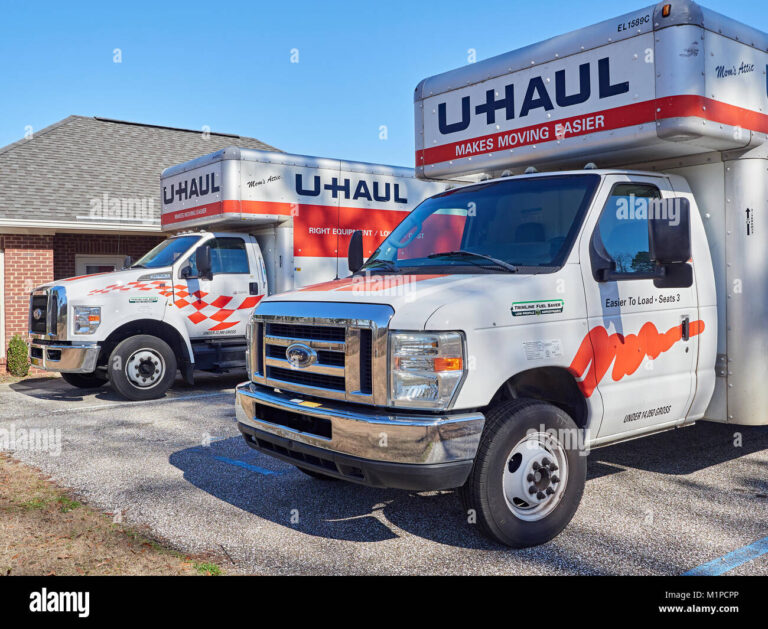
Moving, hauling, or transporting a vehicle often brings U-Haul to mind. Their iconic orange trailers are a ubiquitous sight on highways across North America. But for many, the burning question isn’t if they should use a U-Haul trailer, but rather: What is the true cost of a U-Haul trailer?
It’s a question that seems simple on the surface, yet the answer is far from a single, straightforward number. As an expert in logistics and moving, I can tell you that understanding the various factors that contribute to the final price is crucial for budgeting and avoiding unwelcome surprises. This comprehensive guide will break down every aspect of U-Haul trailer costs, helping you make an informed decision for your next project.
The Ultimate Guide to U-Haul Trailer Costs: What You REALLY Need to Know
Unpacking the U-Haul Trailer Ecosystem: More Than Just a Box on Wheels
U-Haul offers an impressive array of trailers designed to meet diverse hauling needs. From moving household goods to transporting a car across state lines, there’s a trailer for almost every job. Understanding the different types available is the first step in deciphering the cost.
Why opt for a trailer instead of a truck? Often, it comes down to cost-effectiveness and flexibility. If you already own a capable towing vehicle, a trailer rental can be significantly cheaper than renting a full moving truck. It also allows you to keep your personal vehicle for local errands while the trailer handles the heavy lifting.
The Core Factors That Drive U-Haul Trailer Costs
The price you pay for a U-Haul trailer is a dynamic figure influenced by several key variables. Ignoring any of these can lead to a significant miscalculation of your total expenses. Let’s dive deep into each one.
1. Trailer Type and Size: Matching the Tool to the Task
U-Haul categorizes its trailers primarily into three groups: Cargo Trailers, Utility Trailers, and Car Carriers. Each serves a distinct purpose and comes with its own pricing structure.
Cargo Trailers (Enclosed)
These are your standard moving trailers, offering protection from the elements and security for your belongings. They come in various sizes, with the most common being 4×8, 5×8, 5×10, and 6×12 feet.
- 4×8 Cargo Trailer: Ideal for small moves, dorm room items, or a few pieces of furniture. It’s the most economical option among enclosed trailers.
- 5×8 Cargo Trailer: A popular choice for studio apartments or small one-bedroom moves. It offers a good balance of capacity and maneuverability.
- 5×10 Cargo Trailer: Suitable for one-bedroom apartments or larger studio moves, providing a bit more length for longer items.
- 6×12 Cargo Trailer: The largest enclosed option, often used for two-bedroom apartments or significant hauling tasks. It requires a more robust towing vehicle.
Based on my experience, choosing the right size is paramount. Renting a trailer that’s too small means multiple trips or leaving items behind, negating any initial savings. Conversely, renting one that’s too large means paying for unused space and potentially increased fuel consumption for your towing vehicle. Always overestimate slightly if you’re unsure, but don’t go overboard.
Utility Trailers (Open)
Utility trailers are open-top, flatbed trailers designed for hauling items that don’t need protection from weather or are oddly shaped. Think landscaping materials, construction debris, or large appliances. They are generally less expensive than enclosed cargo trailers.
- 4×7 Utility Trailer: Small and agile, perfect for yard work or hauling a few bulky items.
- 5×8 Utility Trailer: A versatile option for home improvement projects, small equipment, or furniture.
- 6×12 Utility Trailer (with ramp): The largest utility option, often used for ATVs, motorcycles, or heavier loads due to its robust construction and ramp for easy loading.
The lack of walls and roof makes utility trailers lighter and often cheaper to rent. However, remember that your items will be exposed, so proper securing and weatherproofing are essential.
Car Carriers (Auto Transport & Tow Dolly)
When it comes to moving vehicles, U-Haul offers two primary solutions:
- Tow Dolly: This is a two-wheel trailer designed to lift the front wheels of a vehicle off the ground, allowing it to be towed behind another vehicle. It’s more affordable than an auto transport trailer and suitable for front-wheel drive vehicles or specific rear-wheel drive models (check U-Haul’s compatibility).
- Auto Transport Trailer: A four-wheel trailer that carries the entire vehicle off the ground. This is the safest and most recommended option for long-distance moves, all-wheel drive vehicles, or vintage cars. It provides full protection for your towed vehicle’s tires and suspension.
The cost difference between a tow dolly and an auto transport trailer can be significant, with the latter being considerably more expensive due to its size, weight, and complexity.
2. Distance and Duration: Local vs. One-Way Rentals
This is arguably the most impactful factor on your U-Haul trailer cost.
- Local Rentals: These are typically for short distances, where you pick up and drop off the trailer at the same U-Haul location. Local rentals are usually priced on a daily or multi-day basis and are significantly cheaper. You’re generally charged a flat daily rate, regardless of mileage.
- One-Way Rentals: Designed for long-distance moves where you pick up the trailer in one location and drop it off in another. These rentals are much more expensive than local rentals. The price is determined by the specific origin and destination, the distance between them, and the expected duration of the trip. One-way rentals often come with a set number of days included in the price, with additional charges for exceeding that duration.
The pricing algorithm for one-way rentals is complex, considering factors like fleet balancing and demand at both locations. Don’t be surprised if a 500-mile one-way trip costs several times more than a local rental for the same trailer.
3. Pickup and Drop-off Location: Geography Matters
The specific U-Haul location you choose can also subtly influence the price.
- Urban vs. Rural: Locations in high-demand urban centers might have slightly different pricing compared to more rural or suburban areas due to overheads and competition.
- Availability: If a particular location has an abundance of a specific trailer type, they might offer a more competitive rate to move inventory. Conversely, if a trailer is in high demand and short supply, prices can reflect that scarcity.
4. Time of Year and Demand: Seasonal Surges
Just like airline tickets or hotel rooms, U-Haul trailer prices fluctuate with demand.
- Peak Season: Summer months (May-August), especially weekends and the end of the month, are prime moving times. Expect higher prices during these periods due to increased demand.
- Off-Peak Season: Fall and winter, particularly weekdays and mid-month, typically see lower prices. This is when you’re most likely to find deals.
Pro tip from us: If your schedule allows, booking your rental during the off-season or mid-week can save you a substantial amount of money. Flexibility is your friend when it comes to U-Haul costs.
Decoding the U-Haul Trailer Pricing Structure: Beyond the Base Rate
Once you’ve considered the main factors, it’s time to understand the individual components that make up your U-Haul bill. It’s rarely just the base rental fee.
1. The Base Rental Fee
This is the core charge for the trailer itself, for the specified duration and distance (local vs. one-way). This fee will vary wildly based on the factors discussed above: trailer type, size, and whether it’s a local or one-way rental. For a local rental, this is often a flat daily rate. For one-way, it’s a bundled price for the entire journey.
2. Environmental Fee
U-Haul, like many rental companies, typically adds an "Environmental Fee" to their rentals. This is a small, non-negotiable charge (usually a few dollars) intended to offset the company’s environmental initiatives or disposal costs. It’s a standard part of the rental agreement.
3. Taxes
Sales tax will be applied to your total rental cost, just like any other retail transaction. The percentage will depend on the state and local tax rates at the pickup location. Always factor this into your budget, as it can add several dollars to the final price.
Essential Add-Ons and "Hidden" Costs to Consider
While the base rate, environmental fee, and taxes form the core, several other items can significantly inflate your total expenditure. These aren’t always mandatory but are often highly recommended or necessary for a safe and successful move.
1. Insurance and Damage Protection: A Worthwhile Investment?
U-Haul offers various protection plans for trailers. Unlike trucks, personal auto insurance policies often do not cover damage to a rented trailer.
- Safemove® / Safetow®: These plans offer coverage for damage to the U-Haul trailer, your belongings inside (for cargo trailers), and often provide medical/life coverage for you and your passengers.
- Collision Damage Waiver (CDW): A more basic option, primarily covering damage to the U-Haul trailer itself.
While opting out of insurance might seem like a way to save money, a common mistake to avoid is underestimating the potential cost of damage. A minor fender bender or an accident that damages the trailer could result in repair costs far exceeding the insurance premium. Always review what your personal auto insurance covers (if anything) and carefully consider U-Haul’s protection plans. For most people, especially those new to towing, the peace of mind is worth the extra cost.
2. Towing Accessories: Do You Have What It Takes?
You can’t just hook a trailer to any car. Your vehicle needs specific equipment.
- Hitch Receiver: A square tube mounted to your vehicle’s frame. If your car doesn’t have one, U-Haul can install it, but this is a separate, potentially costly service. Installation costs can range from $150 to $400+, depending on the vehicle and hitch class.
- Ball Mount and Hitch Ball: The assembly that connects the trailer to the receiver. U-Haul sells these.
- Wiring Harness: Essential for connecting the trailer’s lights (brake, turn signals, running lights) to your vehicle. If your car isn’t pre-wired, U-Haul can install this too, adding another $50-$150 to your bill.
If you don’t own these accessories, U-Haul provides them for purchase. Factor these into your overall budget if you’re a first-time tower. It’s not just about the trailer rental; it’s about being properly equipped to tow it safely.
3. Moving Supplies: The Essentials
While not directly part of the trailer rental, these items are inextricably linked to the overall cost of moving.
- Boxes, Tape, Bubble Wrap: Necessary for packing your belongings securely.
- Dollies (Utility/Appliance): Indispensable for moving heavy items efficiently and safely.
- Furniture Pads/Blankets: Protect your furniture from scratches and dings during transit.
U-Haul sells all these supplies, and while you can buy them elsewhere, it’s convenient to factor them into your U-Haul budget. These can easily add another $50-$200+ depending on the size of your move.
4. Fuel Costs for Your Towing Vehicle: The Hidden Drain
This is perhaps the most overlooked "hidden" cost. Towing a trailer significantly impacts your vehicle’s fuel efficiency.
- Reduced MPG: Expect your gas mileage to drop by 20-50% when towing, depending on the trailer size, load weight, terrain, and your vehicle’s engine.
- Vehicle Type: A larger, more powerful vehicle might handle the load better but could already have lower baseline MPG. A smaller vehicle might struggle, leading to even worse fuel economy.
Always budget extra for fuel, especially for longer distances. This can add hundreds of dollars to a cross-country trip.
Practical Examples: Estimating Your U-Haul Trailer Cost
Let’s put some numbers to these factors with a few hypothetical scenarios. Please note, these are estimates and actual prices will vary based on exact dates, locations, and demand. For the most accurate quote, always use the U-Haul website.
Scenario 1: Local Move with a Small Cargo Trailer
- Need: Moving a studio apartment locally (within 50 miles).
- Trailer: 5×8 Cargo Trailer.
- Duration: 1 day.
- Estimated Base Cost: $19.95 – $29.95 (local flat rate).
- Environmental Fee: ~$1-$2.
- Taxes: ~$2-$3.
- Safetow (optional): ~$10-$15.
- Total Estimated Cost (without supplies/hitch): $33 – $50.
This is the most budget-friendly option. If you need a hitch installed, add $200-$500.
Scenario 2: One-Way Move with an Auto Transport Trailer
- Need: Moving a car 1,000 miles.
- Trailer: Auto Transport Trailer.
- Duration: 3-5 days included.
- Estimated Base Cost: $600 – $900 (highly variable by route and demand).
- Environmental Fee: ~$3-$5.
- Taxes: ~$40-$60.
- Safetow (highly recommended): ~$60-$90.
- Total Estimated Cost (without supplies/hitch/fuel): $700 – $1,055.
Remember to add significant fuel costs for this distance, potentially another $200-$400 depending on your vehicle’s MPG.
Scenario 3: Local Haul with a Utility Trailer
- Need: Hauling landscaping materials or a large appliance locally.
- Trailer: 5×8 Utility Trailer.
- Duration: 1 day.
- Estimated Base Cost: $14.95 – $24.95 (local flat rate).
- Environmental Fee: ~$1-$2.
- Taxes: ~$1-$2.
- Safetow (optional): ~$7-$12.
- Total Estimated Cost (without supplies/hitch): $24 – $46.
Utility trailers are generally the cheapest per day for local rentals.
For an accurate quote tailored to your specific needs, it’s always best to visit the official U-Haul website and input your exact dates and locations: U-Haul Official Site.
Smart Strategies to Save Money on Your U-Haul Trailer Rental
Now that you understand the cost components, here are some expert tips to keep more money in your pocket.
- Book in Advance: Especially during peak seasons, booking weeks or even months ahead can secure better rates and ensure availability of your preferred trailer size. Last-minute bookings often come with higher prices.
- Be Flexible with Dates and Locations: If possible, avoid moving on weekends or at the end of the month. Mid-week, mid-month rentals are almost always cheaper. Also, check prices at nearby U-Haul locations; sometimes driving an extra 10-15 minutes can yield savings.
- Choose the Right Trailer Size: As discussed, don’t overpay for unused space. Carefully estimate your needs. However, if you’re truly on the fence between two sizes, sometimes the slightly larger one offers better value for its capacity, or the difference in price is negligible.
- Consider DIY Towing Accessories: If you frequently tow, investing in your own hitch, ball mount, and wiring harness might be cheaper in the long run than renting/installing each time. Ensure they meet safety standards.
- Look for Discounts and Promotions: U-Haul occasionally offers seasonal discounts or special promotions. Check their website or sign up for their email list. Also, inquire if they offer any specific discounts for students, military personnel, or AAA members.
- Compare Local vs. One-Way Carefully: For moves that are just on the cusp of being "local" (e.g., 50-100 miles), sometimes a one-way rental might unexpectedly be cheaper, or vice-versa, due to fleet balancing. Always check both options.
Before You Tow: Important Considerations for a Smooth Rental
The cost is one thing, but safety and proper preparation are equally important.
- Vehicle Compatibility and Towing Capacity: This is non-negotiable. Your towing vehicle MUST have the appropriate towing capacity for the trailer and its loaded weight. Check your vehicle’s owner’s manual for its Gross Trailer Weight (GTW) and Tongue Weight (TW) ratings. Your hitch receiver must also be rated for the load.
- Safety Checks: Before you leave the U-Haul lot, double-check everything. Ensure the hitch connection is secure, safety chains are crossed, all lights (brake, turn, running) are working, and the trailer tires are properly inflated.
- Proper Loading and Weight Distribution: Load heavier items towards the front of the trailer (over the axle or slightly ahead of it) to ensure proper tongue weight (10-15% of the total trailer weight). Improper weight distribution is incredibly dangerous and can lead to trailer sway, loss of control, and accidents.
- Driving Tips: Towing changes everything. Drive slower, allow for much greater stopping distances, and make wider turns. Avoid sudden lane changes or braking. For more detailed advice on safe towing, check out our guide on .
Conclusion: Plan, Prepare, and Haul with Confidence
Understanding the true cost of a U-Haul trailer goes far beyond the advertised daily rate. It involves a meticulous consideration of trailer type, rental duration, distance, seasonal demand, and a range of potential add-ons and necessary accessories. By taking the time to plan, estimate, and factor in all these variables, you can create an accurate budget and avoid any unwelcome financial surprises.
Remember, the goal isn’t just to find the cheapest option, but the right option that meets your needs safely and efficiently. With proper planning and this comprehensive knowledge, you’re well-equipped to make an informed decision for your next U-Haul trailer rental. Happy hauling!
Have you rented a U-Haul trailer recently? Share your experiences and any money-saving tips in the comments below!