The Ultimate Guide to Truck Height: Navigating Regulations, Ensuring Safety, and Mastering Smart Management
The Ultimate Guide to Truck Height: Navigating Regulations, Ensuring Safety, and Mastering Smart Management Lmctruck.Guidemechanic.com
The world of trucking is complex, demanding precision, knowledge, and an unwavering commitment to safety. Among the myriad factors that professional drivers and fleet managers must master, understanding the height of a truck stands as one of the most critically important. It’s far more than just a measurement; it’s a foundational element influencing route planning, legal compliance, operational costs, and, most importantly, the safety of everyone on the road.
This comprehensive guide delves deep into every facet of truck height. We’ll explore why this dimension is so crucial, dissect the various factors that influence it, uncover the intricate web of regulations, and equip you with the strategies needed to manage it effectively. Whether you’re a seasoned driver, a new owner-operator, or a logistics professional, mastering truck height is non-negotiable for smooth, compliant, and incident-free operations.
The Ultimate Guide to Truck Height: Navigating Regulations, Ensuring Safety, and Mastering Smart Management
Why the Height Of A Truck Matters: More Than Just a Number
The seemingly simple measurement of a truck’s height carries profound implications across the entire trucking ecosystem. Ignoring or miscalculating this dimension can lead to severe consequences, ranging from hefty fines to catastrophic accidents. Understanding its significance is the first step toward responsible operation.
Safety Above All Else
The most critical reason to understand your truck’s height is safety. Low bridges, tunnels, overhead power lines, and even tree branches pose significant hazards if clearance is insufficient. A truck striking an overhead structure can cause massive damage to the vehicle and infrastructure, lead to serious injuries or fatalities, and create extensive traffic disruptions. Every year, incidents of trucks hitting overpasses highlight the dire consequences of neglecting this vital measurement.
Legal Compliance and Financial Penalties
Every state and federal jurisdiction has specific legal limits for the maximum allowable height of a truck. Exceeding these limits, even by a small margin, can result in substantial fines, out-of-service orders, and legal complications. These penalties can quickly erode profits and damage a company’s reputation. Staying within legal parameters is not just good practice; it’s a legal obligation that protects your business and your drivers.
Operational Efficiency and Route Planning
Knowing the precise height of your truck is indispensable for efficient route planning. Specialized trucking GPS systems and detailed maps consider bridge clearances and other overhead obstructions. Without accurate height data, drivers risk taking lengthy detours, getting stuck, or, worse, attempting to pass through an inadequate clearance. This directly impacts delivery times, fuel consumption, and overall logistical efficiency.
Insurance and Liability Implications
In the event of an accident caused by exceeding height limits, insurance companies may deny claims if negligence can be proven. This leaves carriers and drivers exposed to significant financial liability for damages to property, cargo, and potential personal injury claims. Proactive management of truck height helps mitigate these substantial financial risks.
Defining "Height Of A Truck": What Are We Actually Measuring?
When we talk about the height of a truck, it’s essential to be precise about what this measurement encompasses. It’s not just the cab or the trailer; it’s the absolute highest point of the entire vehicle configuration, including its load and any attached equipment.
The Overall Vehicle Height: The Critical Number
The most important measurement is the overall height, from the ground to the absolute highest point of the vehicle. This includes the top of the trailer, any cargo loaded onto it, antennae, air horns, exhaust stacks, roof-mounted air conditioning units on RVs, or even the top of a crane boom or other specialized equipment. This "overall height" is what regulatory bodies are concerned with and what determines safe passage under overhead structures.
Components Contributing to Overall Height
To accurately determine the overall height, you must consider several components:
- Tractor Height: The height of the truck’s power unit itself, which can vary between models and manufacturers.
- Trailer Height: This varies significantly by trailer type (dry van, reefer, flatbed, step-deck, lowboy) and whether it’s empty or loaded. Loaded trailers can sit lower due to suspension compression, but the cargo itself might extend higher.
- Cargo Height: The height of the freight on the trailer is paramount. Even if a flatbed trailer itself is low, a tall piece of machinery loaded onto it can make the overall height extreme.
- Auxiliary Equipment: Things like liftgates in their upright position, specific aerodynamic devices, or even a driver’s personalized flag can add to the total height.
Why Precision Matters
Based on my experience, many drivers assume their truck’s height remains constant. However, factors like tire pressure, suspension settings, and especially the nature of the load, can subtly change this dimension. A difference of just a few inches can be the difference between a safe passage and a devastating impact. Always measure to the absolute highest point, especially after loading.
Understanding Legal Height Limits: Navigating the Regulatory Landscape
The maximum legal height of a truck is not a universal standard. It varies significantly between federal guidelines, state-specific regulations, and even local ordinances. Navigating this complex regulatory landscape is fundamental for any trucking operation.
Federal Guidelines: A Baseline for Interstate Commerce
In the United States, the Federal Highway Administration (FHWA) provides general guidelines for vehicle dimensions, often influencing state laws. For example, federal law generally dictates that states cannot impose a vehicle height limit less than 13 feet, 6 inches (13’6") on the National Network (Interstate highways and designated primary routes). However, this is a minimum, and states often adopt 13’6" or 14 feet as their standard maximum.
State-Specific Variations: The Devil in the Details
While 13’6" or 14′ are common maximum heights, it’s crucial to understand that individual states can and do have their own specific regulations. Some states might allow greater heights on certain routes, while others might have stricter limits in urban areas or for specific vehicle types. For instance, some Western states might permit 14 feet, while many Eastern states strictly adhere to 13 feet, 6 inches. Always verify the specific regulations for every state you plan to travel through.
The Role of Oversize/Overweight Permits
When a truck’s height (or width, length, or weight) exceeds the standard legal limits, it falls into the category of an "oversize" or "over-dimensional" load. Transporting such loads requires special permits issued by each state involved in the route. These permits often specify exact routes, travel times, and requirements for pilot cars or escorts. Ignoring the need for a permit is a serious violation with severe penalties.
Consequences of Non-Compliance: Don’t Risk It
Common mistakes to avoid are assuming that once you know your truck’s height, you’re set for all routes. The consequences of exceeding legal height limits without a permit or misjudging clearance can be catastrophic. These include:
- Hefty Fines: Monetary penalties can quickly add up, especially if multiple jurisdictions are involved.
- Out-of-Service Orders: Your vehicle may be impounded, causing significant delays and costs.
- Damage to Infrastructure: Striking bridges or power lines leads to massive repair costs and potential criminal charges.
- Serious Accidents: The risk of injury or fatality to drivers, other motorists, and the public is immense.
- Insurance Complications: Claims may be denied, leaving you fully liable.
Pro tips from us: Always consult current state DOT regulations and invest in a trucker-specific GPS that can factor in your truck’s dimensions. can provide more detail on navigating complex state laws.
Factors Influencing Truck Height
The actual height of a truck isn’t static; it’s a dynamic measurement influenced by a combination of inherent vehicle characteristics and operational choices. Understanding these factors is key to accurate measurement and safe operation.
1. Truck Type and Configuration
Different truck types are designed with varying heights:
- Dry Vans and Reefers: Standard dry van trailers are typically 13’6" from the ground. Refrigerated (reefer) trailers can be slightly taller due due to the refrigeration unit on the front.
- Flatbeds: While the deck height of a flatbed is lower than a dry van, the overall height becomes entirely dependent on the cargo loaded onto it.
- Step-decks (Drop-decks): These trailers have a lower deck section, allowing for taller cargo to be carried while staying within legal height limits.
- Lowboys (Removable Gooseneck Trailers): Designed for extremely tall and heavy equipment, lowboys have the lowest deck heights, often just inches off the ground.
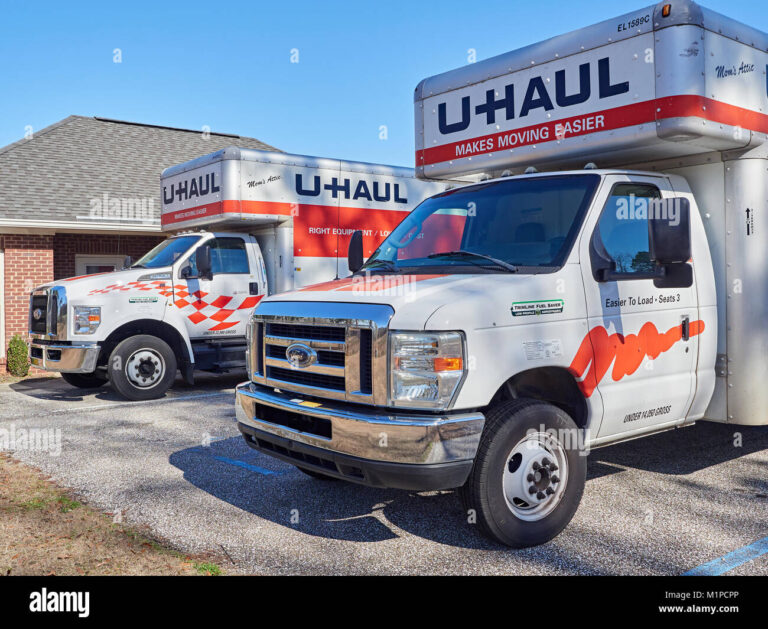
- Box Trucks/Straight Trucks: These rigid vehicles also have varying heights, typically ranging from 10 to 13 feet depending on the chassis and box size.
- RVs (Recreational Vehicles): Class A motorhomes, Fifth-wheel trailers, and travel trailers can range from 10 to 13.5 feet in height, with roof-mounted AC units often being the highest point.
2. Load Type and Securing Methods
The cargo itself is often the highest point of a loaded truck.
- General Freight: Standard palletized freight within a dry van will typically not exceed the trailer’s internal height.
- Oversize Loads: Carrying machinery, construction equipment, or pre-fabricated structures often results in an overall height exceeding standard limits. Proper securing methods, like chains and binders, must be used but should not add unnecessary height.
- Specialized Loads: Certain loads might require specific cradles or stands that elevate them further.
3. Tire Size and Pressure
Even seemingly small details can impact height. Larger diameter tires will raise the entire vehicle. Similarly, under-inflated tires will slightly reduce the overall height, while correctly inflated tires will ensure the vehicle sits at its designed height. Maintaining proper tire pressure is also crucial for stability and fuel efficiency.
4. Suspension Type and Settings
Modern trucks and trailers often feature air-ride suspensions. These systems allow for some adjustability in ride height:
- Air-Ride Suspension: Can be raised or lowered within a small range. Drivers might momentarily lower the suspension to clear a tight spot, but this should be done with extreme caution and only if safe to do so. Conversely, an over-inflated air system could raise the truck slightly.
- Spring Suspension: Offers less adjustability but is more consistent in its ride height.
5. Aerodynamic Devices
Fairings, air deflectors, and side skirts are designed to improve fuel efficiency. While most are positioned to not impact maximum height, certain custom or aftermarket aerodynamic modifications could potentially add an inch or two, which could be critical.
The Critical Role of Overhead Clearance: Preventing Catastrophe
Understanding your truck’s height is only half the battle; the other half is knowing the available overhead clearance. Failing to match these two can lead to catastrophic bridge strikes, power line incidents, and severe damage.
Bridges and Underpasses: The Most Common Hazard
Bridges and underpasses are the most frequent sites for height-related accidents. Posted clearance signs indicate the minimum height available. It’s crucial to remember that:
- Signs Indicate Minimums: The posted height is usually the lowest point, often at the edge of the road or where the road might camber. The center of the arch might be slightly higher, but it’s never safe to assume.
- Repaving Reduces Clearance: Over time, road resurfacing can subtly reduce actual clearance without the sign being updated. Always be wary of freshly paved roads under older bridges.
- Ice and Snow: Accumulation of ice or snow on the road surface can effectively raise your truck’s contact point, reducing the available clearance.
Tunnels: Often More Restrictive
Tunnels, particularly older ones, can have even more restrictive height limits than bridges. These are often accompanied by warning signs well in advance, sometimes with electronic sensors that trigger alarms if an over-height vehicle approaches. Pay close attention to these warnings.
Power Lines and Utility Infrastructure
Beyond bridges, power lines, telephone lines, and other utility cables pose a significant hazard, especially in rural areas or construction zones. Striking a power line can result in electrocution, fire, and widespread power outages. Always be aware of your surroundings, especially when making turns or backing up in unfamiliar areas.
Tree Branches and Foliage
While less catastrophic than striking a bridge, hitting low-hanging tree branches can still cause damage to your truck’s roof, fairings, and any roof-mounted equipment. It can also dislodge cargo or cause distraction. This is particularly relevant on secondary roads or when entering private properties.
Garage Entrances and Loading Docks
Maneuvering into loading docks, warehouses, or repair facilities often involves navigating under awnings, overhead doors, or low ceilings. Always confirm clearance before entering, especially in older buildings where infrastructure might not be designed for modern truck heights. Common mistakes to avoid are assuming that because one bay entrance is clear, all others are. Always check each specific entry point.
Proactive Strategies for Managing Truck Height
Effective management of your truck’s height requires diligence, accurate information, and a proactive mindset. Implementing these strategies can prevent costly errors and ensure safer operations.
1. Accurate Measurement Techniques: Know Your Rig
The most fundamental strategy is to know your exact height.
- Measure After Loading: Always measure the truck’s overall height after it has been loaded and secured, and with the tires properly inflated. The load is often the highest point.
- Use Reliable Tools: A long measuring tape or a laser distance measurer are essential. Measure from the ground to the absolute highest point.
- Document and Display: Once measured, clearly document the truck’s height (and width/length) in the cab where the driver can easily see it. Many companies provide a placard for this purpose.
- Re-measure Periodically: Truck modifications, new trailers, or even significant tire wear can alter height. Re-measure regularly.
2. Route Planning and Mapping: Prevention is Key
Smart route planning is your best defense against height-related incidents.
- Trucker-Specific GPS: Invest in a GPS system designed for commercial trucks. These devices allow you to input your truck’s dimensions and will route you to avoid low clearances. Examples include Garmin Dezl or Rand McNally TND.
- Consult State DOT Maps: Many state Departments of Transportation provide maps or online resources detailing height restrictions and approved routes for oversized vehicles.
- Pre-Trip Inspections and Research: Before starting a trip, especially on an unfamiliar route, review the route for potential height challenges. If in doubt, research the specific clearances. offers more insights into thorough checks.
3. Driver Training and Awareness: Empower Your Team
No technology can replace an alert and well-trained driver.
- Constant Vigilance: Drivers must be constantly aware of their truck’s dimensions and scan for overhead clearance signs.
- When in Doubt, Don’t Go: If a clearance sign is unreadable, appears damaged, or if there’s any uncertainty, it’s always safer to find an alternate route. Do not attempt to "squeeze through."
- Reporting Issues: Encourage drivers to report damaged or incorrect clearance signs to the appropriate authorities.
4. Vehicle Maintenance: Keep It Calibrated
Ensure your truck and trailer suspensions are in good working order and properly calibrated. Faulty suspension components can lead to uneven ride height or unexpected drops/raises, affecting overall dimensions. Maintain proper tire inflation to ensure consistent height.
Pro tips from us: Never rely solely on another driver’s word or a generic mapping app. Your truck, your load, your responsibility. Always double-check.
When "Standard" Isn’t Enough: Specialized Haulage and Permits
For loads that exceed standard legal dimensions, the process of transporting them becomes significantly more complex, requiring specialized planning and legal authorization.
Understanding Oversize Loads
An "oversize load" (also known as over-dimensional or OD load) is any load that exceeds the legal limits for length, width, height, or weight for a particular jurisdiction. When it comes to height, this means any load that goes above the standard 13’6" or 14′ limit, depending on the state. Common examples include construction equipment, wind turbine components, industrial machinery, and modular housing units.
The Permit Application Process
Transporting an oversize load requires obtaining specific permits from each state the load will travel through. This process is meticulous:
- Detailed Information: You’ll need to provide precise dimensions (height, width, length), weight, origin, destination, and the exact route.
- Lead Time: Permit applications require lead time, often several days or weeks, especially for complex or extremely large loads.
- Conditional Approvals: Permits often come with specific conditions, such as travel restrictions (daylight hours only, specific days of the week), speed limits, and requirements for pilot cars or escorts.
Pilot Cars and Escorts: Guiding the Way
For many oversize loads, especially those with significant height, pilot cars or escort vehicles are mandated. These vehicles, typically equipped with flashing lights and "OVERSIZE LOAD" banners, travel ahead of and/or behind the truck. Their role is to:
- Warn Other Motorists: Alert oncoming traffic and vehicles from behind about the approaching wide/tall load.
- Assist with Obstacles: Help clear obstructions, coordinate with utility companies for lifting power lines, or temporarily stop traffic for safe passage.
- Communicate with Driver: Maintain constant communication with the truck driver to navigate tight spots or potential hazards.
Route Surveys and Planning
For extremely tall or complex oversize loads, a pre-trip route survey is often necessary. This involves physically driving the proposed route with a pilot car equipped with a measuring pole to confirm all clearances, check for road construction, and identify any unforeseen obstacles. This meticulous planning is crucial to prevent incidents and ensure a smooth journey.
Technology and Tools to Assist with Truck Height Management
In the modern trucking landscape, technology plays a pivotal role in enhancing safety and efficiency, particularly concerning truck height. Leveraging these tools can significantly reduce risks.
1. Trucker-Specific GPS Devices
As mentioned, dedicated trucking GPS units are invaluable. Unlike standard car GPS systems, these allow drivers to input their specific truck dimensions (height, weight, length, width) and will then calculate routes that avoid known restrictions, such as low bridges, weight-restricted roads, or sharp turns unsuitable for large vehicles. Top brands like Garmin Dezl and Rand McNally TND are industry standards for this reason.
2. Mobile Apps for Low Clearance Warnings
Several mobile applications are available that provide low clearance warnings and routing specifically for commercial vehicles. These apps often leverage community-sourced data and official DOT information to provide real-time alerts. While useful, they should always be used as a supplementary tool to a dedicated GPS and official route planning.
3. Telematics Systems and Fleet Management Software
For fleet managers, advanced telematics systems can integrate truck dimension data into their route optimization software. This allows for automated route planning that considers individual truck specifications, driver hours of service, and real-time traffic conditions, all while ensuring height compliance. These systems can also track vehicle movements and provide alerts if a driver deviates from a pre-approved, height-compliant route.
4. Laser Measurement Tools
While a tape measure is effective, modern laser distance measurers offer quick and highly accurate ways to determine your truck’s height. These tools can be particularly useful for quickly re-measuring a loaded trailer or confirming dimensions on the fly.
Conclusion: Mastering Truck Height for a Safer Tomorrow
The height of a truck is a critical dimension that underpins safety, compliance, and efficiency in the trucking industry. It’s a factor that demands constant attention, accurate measurement, and proactive management from every driver and fleet operator. From navigating federal and state regulations to understanding the nuances of different truck types and loads, every detail matters.
By embracing meticulous measurement techniques, utilizing advanced routing technologies, fostering a culture of driver awareness, and diligently planning for every journey, we can collectively work towards eliminating preventable accidents. Remember, knowing your truck’s true height and respecting overhead clearances isn’t just about avoiding fines; it’s about protecting lives, safeguarding infrastructure, and ensuring the smooth flow of commerce. Drive smart, drive safe, and always know your height.