The Ultimate Guide to the 26′ Box Truck: Your Pillar for Moving, Hauling, and Business Success
The Ultimate Guide to the 26′ Box Truck: Your Pillar for Moving, Hauling, and Business Success Lmctruck.Guidemechanic.com
Moving a household, transporting vital equipment, or making crucial deliveries for your business often presents a unique logistical challenge. How do you move large volumes efficiently and cost-effectively? The answer, for many, lies in a powerful, versatile workhorse: the 26′ box truck. More than just a vehicle, it’s a critical tool that bridges the gap between small vans and full-sized semi-trucks, offering an impressive blend of capacity and maneuverability.
This comprehensive guide is designed to be your go-to resource for everything related to the 26′ box truck. Whether you’re a homeowner planning a cross-country move, a small business owner expanding your delivery capabilities, or simply curious about these impressive vehicles, you’ve come to the right place. We’ll delve deep into its specifications, operational nuances, cost considerations, and crucial tips to ensure your experience is smooth and successful. Our goal is to empower you with the knowledge to make informed decisions and tackle any task a 26′ box truck can handle with confidence.
The Ultimate Guide to the 26′ Box Truck: Your Pillar for Moving, Hauling, and Business Success
Understanding the 26′ Box Truck: What Makes it Special?
At its core, a 26′ box truck is a commercial vehicle characterized by a separate, enclosed cargo area (the "box") mounted on a truck chassis. The "26 feet" refers to the approximate length of this cargo box, making it one of the largest non-CDL (Commercial Driver’s License) rental options available to the general public. This design offers immense utility, protecting goods from the elements and providing ample space for a wide array of items.
These trucks are engineered for heavy-duty tasks, featuring robust engines, sturdy suspensions, and often hydraulic lift gates for easier loading and unloading. They represent a significant step up in capacity from smaller moving vans or cargo trailers, making them indispensable for large-scale operations. Understanding their fundamental characteristics is the first step toward harnessing their full potential.
Key Dimensions Explained: More Than Just Numbers
The dimensions of a 26′ box truck are perhaps its most defining feature, dictating what you can carry and where you can go. It’s crucial to understand both the exterior and interior measurements to avoid costly surprises or logistical nightmares. Don’t just glance at the numbers; truly grasp their implications.
Exterior Dimensions: These measurements are vital for navigating roads, parking, and assessing clearance. Typically, a 26′ box truck will be around 33-35 feet long bumper-to-bumper, 8-9 feet wide, and 12-13 feet high. The significant height, in particular, means you must be acutely aware of overhead clearances when driving under bridges, entering parking garages, or navigating drive-thrus. Based on my experience, many first-timers underestimate this, leading to dangerous situations or expensive damage. Always check for clearance signs, especially in unfamiliar areas.
Interior Cargo Space: This is where the magic happens for movers and businesses. The cargo box itself is approximately 26 feet long, about 8 feet wide, and around 8 feet high. This translates into a massive volume, often exceeding 1,600 cubic feet of usable space. For context, this is generally sufficient to move the contents of a 3-5 bedroom house, including major appliances, furniture, and countless boxes. The large rear door opening, frequently paired with a ramp or lift gate, makes loading bulky items considerably easier than trying to squeeze them through a smaller opening.
Payload Capacity and GVWR: Knowing Your Limits
Understanding payload capacity and Gross Vehicle Weight Rating (GVWR) is not just about logistics; it’s about safety and legality. The payload capacity refers to the maximum weight of cargo, passengers, and additional equipment the truck can safely carry. For a 26′ box truck, this typically ranges from 10,000 to 15,000 pounds, depending on the specific model and manufacturer.
GVWR, on the other hand, is the maximum operating weight of the truck as specified by the manufacturer, including the truck’s empty weight (curb weight), fuel, passengers, and all cargo. Most 26′ box trucks have a GVWR between 24,000 and 26,000 pounds. This figure is critical because it often determines whether a Commercial Driver’s License (CDL) is required. Trucks with a GVWR of 26,001 pounds or more typically require a CDL. Common mistakes to avoid are overloading the truck, which can lead to tire blowouts, brake failure, structural damage, and severe accidents. Always know your truck’s limits and distribute weight evenly.
Why Choose a 26′ Box Truck? Unpacking the Advantages
The decision to opt for a 26′ box truck often comes down to its unparalleled balance of capacity, accessibility, and relative cost-effectiveness for significant hauling needs. It fills a crucial niche, providing more space than smaller rental trucks without the complexities and licensing requirements of larger commercial vehicles. Let’s explore the primary reasons why this truck size stands out.
Spaciousness for Large-Scale Moves
When facing a move from a substantial home – think a three, four, or even five-bedroom house – the 26′ box truck becomes an indispensable asset. Its expansive interior volume means you can typically complete your entire move in a single trip, drastically reducing stress, time, and fuel consumption compared to multiple trips with a smaller vehicle. This capacity comfortably accommodates large furniture pieces like king-sized beds, sectionals, dining sets, and major appliances such as refrigerators and washing machines.
Beyond just fitting items, the generous space allows for strategic loading, which is crucial for protecting your belongings. You can stack boxes efficiently, secure items with moving blankets and tie-downs, and minimize the risk of damage during transit. The ability to load almost everything you own into one vehicle simplifies logistics immensely.
Versatility for Commercial Use
For businesses, the 26′ box truck is a true workhorse. It’s perfectly suited for a wide array of commercial applications, from local deliveries of goods to transporting specialized equipment for events or construction sites. Retailers moving inventory, caterers transporting supplies, or contractors hauling tools and materials can all benefit significantly from its capacity and enclosed design. The "box" offers protection from weather and provides a secure environment for valuable goods.
Many businesses find it an excellent alternative to maintaining a fleet of smaller vans, especially for operations with fluctuating demand for large-volume transport. The ease of rental or the option for outright purchase makes it a flexible solution for various business models. Its size allows for efficient route planning and often reduces the number of trips required for large deliveries, directly impacting operational efficiency and customer satisfaction.
Cost-Effectiveness: A Smart Financial Decision
While initially, the rental or purchase price of a 26′ box truck might seem substantial, it often proves to be the most cost-effective solution in the long run, particularly when compared to alternatives. For large residential moves, hiring professional movers can be significantly more expensive. Renting a 26′ truck allows you to save substantially on labor costs by doing the packing and loading yourself or with the help of friends and family.
Pro tips from us: When calculating true savings, factor in not just the direct rental fee, but also the potential for fewer trips, reduced fuel consumption from consolidated travel, and the time saved. For businesses, owning or renting a 26′ box truck can be more economical than outsourcing large deliveries to third-party logistics providers, especially if you have consistent hauling needs. It gives you greater control over your schedule and cargo, adding value beyond just the financial aspect.
Driving a 26′ Box Truck: What You Need to Know
Steering a 26′ box truck is a different experience than driving a standard passenger vehicle. The sheer size, weight, and handling characteristics demand a higher level of awareness, skill, and caution. Before you get behind the wheel, it’s essential to understand the legal requirements and adopt specific driving techniques to ensure a safe journey.
Do You Need a CDL? Navigating the Regulations
One of the most common questions regarding 26′ box trucks is whether a Commercial Driver’s License (CDL) is required. The good news for most individuals renting these trucks for personal use is that, in the United States, a CDL is generally not required for vehicles with a Gross Vehicle Weight Rating (GVWR) under 26,001 pounds. As discussed, most rental 26′ box trucks fall just below this threshold, typically having a GVWR of 26,000 pounds. This allows individuals with a standard Class D driver’s license (the common car license) to operate them.
However, there are nuances. Some states might have specific endorsements or additional requirements depending on what you’re hauling or if you’re crossing state lines for commercial purposes. It’s always prudent to check your specific state’s Department of Motor Vehicles (DMV) regulations, especially if you are using the truck for business. In my years of observing new drivers, many overlook checking local rules, which can lead to unexpected fines or complications. Always verify the specific GVWR of the truck you intend to operate and confirm any state-specific requirements.
Essential Driving Tips for Big Rigs: Mastering the Road
Driving a large vehicle like a 26′ box truck demands a shift in perspective and technique. What works in a sedan won’t cut it here.
- Blind Spots: Box trucks have significant blind spots, especially along the sides and directly behind. Utilize your large side mirrors constantly and consider having a spotter when backing up. Always signal well in advance and make wide turns to account for the truck’s turning radius.
- Turning Radius: This is crucial. A 26′ box truck has a much wider turning radius than a car. You’ll need to swing out wider into intersections to avoid hitting curbs or other vehicles. Pro tips from us: Practice in an empty parking lot before hitting busy streets. Get a feel for how the truck handles and its pivot point.
- Braking Distance: Due to their considerable weight, box trucks require significantly more distance to stop. Maintain ample following distance, especially in wet conditions or at highway speeds. Anticipate stops and begin braking earlier than you would in a car.
- Lane Changes and Highway Driving: Plan lane changes well in advance, check your mirrors repeatedly, and be aware of vehicles in your blind spots. On highways, wind can significantly impact stability, so maintain a firm grip on the steering wheel and be prepared for gusts. Avoid sudden movements.
- Parking Challenges: Parking a 26′ box truck can be tricky. Look for larger spaces, often found at the back of parking lots, truck stops, or designated commercial vehicle zones. Avoid attempting to park in standard car spots. Backing into a space is often easier and safer than pulling in head-first, as it allows for better visibility when leaving.
Fuel Efficiency Considerations: Managing Your Budget
Fuel costs can be a significant portion of your total expense when operating a 26′ box truck. These vehicles are heavy and less aerodynamic than passenger cars, meaning their fuel efficiency (MPG) is considerably lower. You can typically expect anywhere from 8 to 12 miles per gallon, depending on the truck’s load, engine size, driving conditions, and your driving style.
Driving habits have a direct impact on fuel consumption. Avoiding rapid acceleration and hard braking, maintaining a steady speed, and utilizing cruise control on highways can help optimize fuel economy. Planning your route to minimize idling and unnecessary detours will also contribute to savings. Factor in the cost of fuel for your entire trip when budgeting, as it can add up quickly over long distances.
Renting vs. Buying a 26′ Box Truck: Making the Right Decision
The choice between renting and buying a 26′ box truck hinges entirely on your specific needs, frequency of use, and financial situation. Each option presents distinct advantages and disadvantages that warrant careful consideration.
Renting Scenarios: Flexibility and Convenience
Renting is the preferred option for individuals and businesses with infrequent or one-time hauling needs.
- One-Time Moves: If you’re moving house, renting for a day or a few days is generally the most economical and practical choice.
- Short-Term Projects: Businesses that occasionally need to transport large items for specific projects, events, or seasonal demands will find renting ideal. It eliminates the long-term commitment and costs associated with ownership.
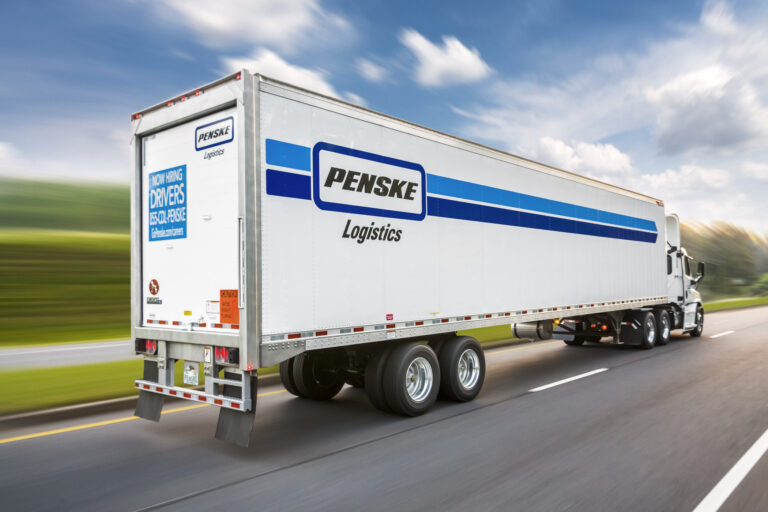
Major rental companies like U-Haul, Penske, Budget Truck Rental, and Ryder offer 26′ box trucks across the country. When renting, always read the rental agreement thoroughly. Pay close attention to daily rates, mileage fees, insurance options (which are highly recommended), fuel policies, and any potential late return penalties. What to look for in a rental agreement includes clear details on damage waivers, roadside assistance, and any restrictions on use.
Buying Scenarios: Investment and Control
Purchasing a 26′ box truck makes sense for businesses or individuals who have consistent, high-volume hauling needs, where the vehicle becomes a core asset to their operations.
- Frequent Commercial Use: Delivery companies, logistics providers, or businesses that regularly transport their own goods will benefit from the investment, gaining full control over scheduling, branding, and customization.
- Long-Term Investment: For a business, owning a truck can be a long-term asset that appreciates in utility, if not always in monetary value, for its operational capabilities.
When buying, you’ll face the choice between new and used. New trucks offer reliability, warranties, and the latest features but come with a higher price tag. Used trucks can be more affordable upfront but may incur higher maintenance costs and might lack modern safety features. Always get a thorough inspection by a trusted mechanic before purchasing a used truck. Maintenance considerations are paramount for owners; you’ll be responsible for all servicing, repairs, and regulatory inspections.
Considering other truck sizes for your business or move? Check out our comprehensive guide on Choosing the Right Moving Truck Size for Your Needs.
Cost Comparison: Rental Fees vs. Ownership Expenses
A direct cost comparison highlights the trade-offs. Rental costs are upfront and predictable for the short term, comprising daily/weekly rates, mileage fees, insurance, and fuel. There are no long-term commitments, and maintenance is handled by the rental company.
Ownership, however, involves a much broader spectrum of expenses: the initial purchase price, ongoing insurance premiums, vehicle registration and taxes, regular maintenance (oil changes, tire rotations, brake service), unexpected repairs, depreciation, and, of course, fuel. While owning offers potential tax benefits for businesses and complete control, it also carries greater financial responsibility and risk. Evaluate your specific usage frequency and budget carefully to determine the most financially sound path.
Loading and Securing Your Cargo Like a Pro
Properly loading and securing your cargo in a 26′ box truck is not just about maximizing space; it’s fundamentally about safety – for your belongings, for yourself, and for other drivers on the road. A poorly loaded truck can lead to damaged goods, vehicle instability, and even accidents.
Strategic Loading Techniques: Maximize Space, Minimize Risk
The art of loading a box truck efficiently involves a combination of strategy and common sense.
- Weight Distribution: This is paramount. Always load the heaviest items first, placing them on the floor and as far forward (closest to the cab) as possible. This helps maintain a low center of gravity and prevents the truck from becoming front-heavy or tail-heavy, which can negatively impact steering and braking. Distribute weight evenly from side to side to prevent swaying.
- Maximizing Space: Think vertically. Use furniture dollies and hand trucks to move heavy items, then pack boxes from floor to ceiling, filling gaps with smaller items, blankets, or pillows. Disassemble large furniture whenever possible to make it easier to pack. Place fragile items securely in the upper parts of the load, away from heavy, shifting objects.
- Layering: Create layers, starting with large, sturdy items at the bottom and back, then building up with lighter, more fragile items. Use moving blankets and padding extensively between items to prevent scratching and damage from shifting during transit.
Essential Packing Supplies: Your Toolkit for a Secure Load
Having the right tools and supplies makes a world of difference in securing your cargo.
- Moving Blankets: These are invaluable for protecting furniture, appliances, and delicate items from scratches and dents. Use them liberally.
- Tie-Downs and Straps: Critical for securing your load. Use strong ratchet straps to anchor items to the truck’s E-track system (if available) or tie-down points. Ensure straps are taut and checked periodically during long journeys. Common mistakes to avoid are not securing items at all or using weak ropes that can snap.
- Dollies and Ramps: A hand truck or utility dolly is essential for moving boxes and smaller appliances. A furniture dolly (four-wheeled) is a lifesaver for heavy, flat items. Most rental 26′ box trucks come with a built-in ramp or a hydraulic lift gate, which simplifies loading extremely heavy items.
- Stretch Wrap: Great for bundling items together, securing drawers on dressers, or protecting upholstered furniture from dirt and moisture.
Safety First: Pre-Loading and Post-Loading Checks
Before you even start loading, ensure the truck is parked on a level surface with the parking brake engaged. If using a ramp, ensure it’s securely attached and stable before walking on it. Once loading is complete, double-check all tie-downs for tightness. Ensure the rear roll-up door is fully closed and securely latched. A door coming open mid-journey is a serious hazard. Do a quick walk-around to ensure nothing is protruding or hanging loose.
Maintenance and Safety: Keeping Your 26′ Box Truck Road-Ready
Whether you own a 26′ box truck or are renting one, understanding basic maintenance principles and safety protocols is crucial. For owners, it ensures longevity and reliability. For renters, it’s about performing essential checks to prevent issues during your trip.
Pre-Trip Inspections: Your First Line of Defense
Every time you get into a large truck, especially if it’s unfamiliar, a thorough pre-trip inspection is non-negotiable. This quick check can prevent breakdowns, accidents, and costly delays.
- Tires: Check tire pressure (refer to the sticker on the door jamb or owner’s manual for recommended PSI). Look for any signs of excessive wear, bulges, cuts, or embedded objects. Ensure lug nuts are present and appear tight.
- Lights: Test all lights – headlights (high and low beam), turn signals, brake lights, running lights, and hazard lights. Ensure they are clean and functional.
- Fluids: Check oil levels, coolant, brake fluid, and windshield washer fluid. Top up as needed, especially for long journeys.
- Brakes: Listen for any unusual noises (squealing, grinding) and feel for any sponginess in the pedal. For rental trucks, you might not be able to inspect brake components, but you can test their responsiveness before getting on the road.
- Mirrors: Adjust all mirrors (side and possibly a rearview) to eliminate blind spots as much as possible.
- Wipers: Ensure windshield wipers are in good condition and the washer fluid works.
Basic Maintenance (for Owners): Prolonging Your Investment
If you own a 26′ box truck, a proactive maintenance schedule is key to protecting your investment and ensuring operational readiness.
- Oil Changes: Adhere to the manufacturer’s recommended oil change intervals, typically every 5,000 to 10,000 miles, depending on the engine and oil type.
- Tire Rotation and Balancing: Regular rotation helps ensure even tire wear, extending their lifespan. Balancing prevents vibrations and uneven tread wear.
- Brake System Checks: Have your brake pads, rotors, and fluid levels checked regularly. Given the weight these trucks carry, brake wear can be significant.
- Fluid Flushes: Periodically flush and replace transmission fluid, coolant, and power steering fluid as per the manufacturer’s guidelines.
- Filter Replacements: Don’t forget air filters, fuel filters, and cabin filters. Clean filters improve performance and fuel efficiency.
Emergency Preparedness: Expect the Unexpected
Even with diligent maintenance, emergencies can happen. Being prepared can mitigate the impact.
- Emergency Toolkit: Carry a basic toolkit including a wrench set, screwdrivers, pliers, duct tape, jumper cables, and a tire pressure gauge.
- Roadside Assistance: If renting, ensure your rental agreement includes roadside assistance. If owning, consider a commercial roadside assistance plan.
- Safety Gear: Keep reflective triangles or flares, a first-aid kit, a flashlight, and a fire extinguisher in the cab.
- Communication: Always have a charged cell phone and a charger.
- Documentation: Keep your license, registration, insurance, and rental agreement (if applicable) easily accessible.
For further insights into truck safety and maintenance, a trusted external source like the Federal Motor Carrier Safety Administration (FMCSA) provides invaluable guidelines and resources for commercial vehicle operators and owners. You can find more information on their website (www.fmcsa.dot.gov) under their safety and compliance sections.
The True Cost of Operating a 26′ Box Truck
Understanding the full financial picture of a 26′ box truck involves more than just the advertised rental rate or purchase price. There are various direct and indirect costs that accumulate, whether you’re renting for a day or owning for years.
Rental Costs: A Transparent Breakdown
When renting, the cost structure is generally straightforward but can add up.
- Daily/Weekly Rates: This is the base fee for using the truck. Rates vary significantly by company, location, time of year (peak moving season is more expensive), and duration.
- Mileage Fees: Most rental companies charge a per-mile fee, often around $0.69 to $0.99 per mile. For long distances, this can quickly become a substantial portion of your total cost.
- Insurance/Damage Waivers: Highly recommended, these protect you from financial liability in case of an accident or damage to the truck. They typically add $20-$50 per day to your rental. Your personal car insurance might offer some coverage, but often with limitations for commercial vehicles.
- Fuel: You are responsible for refueling the truck. As discussed, these trucks are not fuel-efficient, so factor in significant gas expenses, especially for long hauls.
- Additional Equipment: Dollies, moving blankets, and furniture pads are often rented separately, adding to the total.
Ownership Costs: A Long-Term Financial Commitment
Owning a 26′ box truck represents a much larger and more complex financial commitment.
- Purchase Price: New trucks can range from $60,000 to over $100,000, depending on brand, features, and engine. Used trucks vary widely based on age, mileage, and condition.
- Insurance: Commercial truck insurance is significantly more expensive than personal auto insurance, potentially thousands of dollars annually.
- Registration and Taxes: Annual registration fees and potentially heavy vehicle use taxes (HVUT) are ongoing expenses.
- Maintenance and Repairs: This is a major variable. Regular servicing, tire replacements, brake jobs, and unexpected breakdowns can cost thousands of dollars per year.
- Depreciation: Like all vehicles, trucks depreciate in value over time, though some well-maintained models hold their value better.
- Fuel: An ongoing, substantial operational cost.
Hidden Costs: Don’t Get Caught Off Guard
Beyond the obvious, several less apparent costs can impact your budget.
- Tolls: Large trucks often pay higher toll rates than passenger vehicles. Plan your route to minimize toll roads.
- Parking Fines/Tickets: Large vehicles are more prone to parking violations or fines if not parked correctly.
- Potential Damage: Even with insurance, deductibles can be high. Damage to your own cargo due to improper loading is also a potential, uninsurable cost.
- Time: Your time spent driving, loading, and dealing with logistics is a valuable resource that should be factored into the overall cost.
For a deeper dive into moving costs and budgeting, explore our article on Budgeting for Your Big Move: A Comprehensive Financial Plan.
Conclusion: Your Journey with the 26′ Box Truck Starts Here
The 26′ box truck is undeniably a powerful and incredibly versatile tool, capable of tackling everything from the most extensive residential moves to critical commercial logistics. It offers an unmatched combination of cargo capacity and relative ease of operation for a vehicle of its size, making it a favorite for those who need to move a lot without requiring a specialized commercial driver’s license.
By understanding its dimensions, respecting its operational demands, and carefully considering the financial implications, you can harness the full potential of this impressive vehicle. Whether you choose to rent for a single daunting task or invest in one for your business, the insights provided in this guide will equip you with the knowledge to make informed decisions and ensure a successful, safe, and efficient experience. Go forth with confidence, knowing you’re well-prepared to command the road with your 26′ box truck.