The Ultimate Guide to the 15 Ft. Box Truck: Your Complete Resource for Moving and More
The Ultimate Guide to the 15 Ft. Box Truck: Your Complete Resource for Moving and More Lmctruck.Guidemechanic.com
Navigating the world of moving, deliveries, or even just transporting large items can often feel like a monumental task. Among the myriad of vehicle options available, the 15 Ft. Box Truck consistently emerges as a top contender, striking a near-perfect balance between spacious capacity and manageable drivability. It’s the unsung hero for countless individuals and small businesses, offering versatility that few other vehicles can match.
But what exactly makes the 15-foot box truck so popular? And is it truly the right choice for your specific needs? In this comprehensive guide, we’ll delve deep into everything you need to know about the 15 Ft. Box Truck. From its precise dimensions and cargo capabilities to driving tips, rental considerations, and expert packing strategies, you’ll gain invaluable insights to ensure your next haul is smooth, efficient, and stress-free. Let’s unlock the full potential of this indispensable vehicle together.
The Ultimate Guide to the 15 Ft. Box Truck: Your Complete Resource for Moving and More
What Exactly is a 15 Ft. Box Truck? The Basics Explained
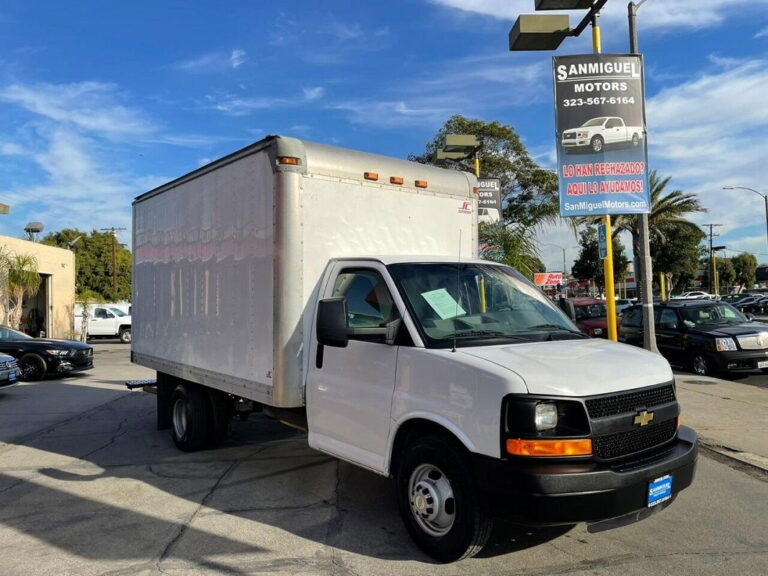
At its core, a 15 Ft. Box Truck is a commercial vehicle characterized by its distinct, enclosed rectangular cargo area, or "box," mounted on a truck chassis. The "15 Ft." refers to the approximate length of this cargo area. Unlike pickup trucks with open beds or larger semi-trucks, these vehicles are specifically designed for efficient, secure transport of goods, shielded from the elements.
This size has become a sweet spot for many users. It offers significantly more space than a cargo van, yet remains far more maneuverable and accessible than a 20-foot or 26-foot moving truck. Its design prioritizes maximizing internal volume while keeping the overall footprint practical for urban driving and residential areas.
The 15-foot box truck typically features a cab for the driver and often one or two passengers, separate from the cargo bay. Access to the cargo area is almost always through a large roll-up or swing-out door at the rear, usually accompanied by a ramp for easier loading and unloading. This combination of space, protection, and accessibility makes it an incredibly versatile asset for a wide range of tasks.
Unpacking the Dimensions and Capacity: What Fits Inside?
Understanding the precise dimensions and weight limits of a 15 Ft. Box Truck is crucial before you even think about loading it. Many people underestimate the importance of these specifications, leading to costly mistakes or multiple trips. Let’s break down what these numbers truly mean for your hauling needs.
Internal Dimensions: Maximizing Your Space
While the "15 Ft." refers to the nominal length, the internal cargo dimensions are what truly matter for packing. Typically, a 15-foot box truck will have interior dimensions roughly as follows:
- Length: Approximately 14 feet 6 inches to 15 feet. This is the usable floor space from front to back.
- Width: Around 7 feet 6 inches to 7 feet 10 inches. This measurement accounts for the interior walls, ensuring ample room for wider items.
- Height: Roughly 6 feet 6 inches to 7 feet 2 inches. This vertical clearance is critical for standing furniture, tall boxes, and appliances.
These dimensions provide a substantial volume. Based on my experience, visualizing this space by marking it out on your driveway or in a large room can be incredibly helpful. It allows you to get a realistic sense of how your belongings will fit.
External Dimensions: Navigating the World
Beyond the interior, knowing the external dimensions is vital for driving and parking. A typical 15 Ft. Box Truck will have:
- Overall Length: Around 20 to 22 feet, including the cab.
- Overall Width: Approximately 8 feet to 8 feet 6 inches (including mirrors).
- Overall Height: Usually 10 feet to 10 feet 6 inches.
Common mistakes to avoid are forgetting about the overall height, especially when approaching low bridges, drive-thrus, or parking garages. Always check for clearance signs; a few extra feet can make a huge difference and prevent serious damage. Pro tips from us: If you’re unsure about an overhead clearance, it’s always safer to find an alternative route.
Payload Capacity & Gross Vehicle Weight Rating (GVWR)
These are arguably the most important, yet often overlooked, specifications.
- Payload Capacity: This refers to the maximum weight your truck can safely carry, including your cargo, passengers, and any additional equipment. For a 15 Ft. Box Truck, this typically ranges from 3,500 to 5,000 pounds (approximately 1,580 kg to 2,260 kg). Exceeding this limit is dangerous, can damage the vehicle, and is often illegal.
- Gross Vehicle Weight Rating (GVWR): This is the maximum operating weight of the truck as specified by the manufacturer, encompassing the truck’s empty weight (curb weight) plus its maximum payload. For a 15-foot box truck, GVWR usually falls between 10,000 and 12,500 pounds (approximately 4,500 kg to 5,600 kg). Staying within the GVWR ensures the vehicle’s brakes, tires, and suspension are operating within their design limits.
Pro tips from us: When planning a move, don’t just estimate volume; try to estimate weight as well. Heavy items like books, tools, and appliances can quickly add up, even if they don’t take up much space. Many rental companies offer scales at their locations, or you can use public weigh stations if you’re concerned.
Cubic Feet Capacity: How Much Can It Really Hold?
With its dimensions, a 15 Ft. Box Truck typically offers around 750 to 800 cubic feet of usable cargo space. To put this into perspective, it’s generally considered suitable for:
- A 1-bedroom or small 2-bedroom apartment.
- A college dorm or studio apartment.
- Transporting major appliances like a refrigerator, washing machine, and dryer.
- Hauling large furniture items such as a king-size bed frame, dresser, sofa, and dining table with chairs.
Based on my experience, many people overestimate how much they can fit into a truck. While 800 cubic feet sounds like a lot, it fills up quickly when dealing with awkwardly shaped furniture and packed boxes. Careful planning and efficient packing are absolutely essential to maximize this space.
Who Needs a 15 Ft. Box Truck? Ideal Use Cases
The versatility of the 15 Ft. Box Truck makes it a go-to choice for a surprising variety of users. Its sweet spot lies in bridging the gap between smaller cargo vans and much larger, harder-to-manage commercial trucks. Let’s explore some of the most common scenarios where this vehicle truly shines.
Residential Moving: The Perfect Partner for Mid-Sized Homes
For many, the primary use of a 15-foot box truck is for residential moves. It’s ideally suited for:
- Apartment Dwellers: If you’re moving out of a one-bedroom or a compact two-bedroom apartment, this truck often provides just the right amount of space. It can typically accommodate a queen-sized bed, sofa, dresser, dining set, and numerous boxes.
- Small Homes: For smaller houses, particularly those with 1-2 bedrooms, the 15-foot option can often handle the entire contents in a single trip, especially for local moves. This saves time, money, and the hassle of multiple journeys.
- College Moves: When a student is moving into or out of a dorm or off-campus housing, they often have more than just a carload of belongings. A 15 Ft. Box Truck can comfortably transport a mini-fridge, desk, bed frame, and all their personal items.
Pro tips from us: Consider the bulk, not just the weight. While a 15-foot truck can hold a lot, large, bulky furniture items might take up more space than anticipated. Always measure your largest items to ensure they fit through the truck’s rear opening.
Small Business & Commercial Use: Agile and Efficient
Beyond residential moves, the 15 Ft. Box Truck is an invaluable asset for many small businesses and commercial applications. Its size offers a great balance of capacity and maneuverability for various tasks:
- Local Deliveries: For businesses that deliver furniture, appliances, landscaping supplies, or even large catering orders, this truck is perfect. It can navigate city streets more easily than larger trucks, yet still carry a substantial load.
- Equipment Hauling: Contractors, event planners, and even musicians often need to transport tools, machinery, sound equipment, or stage props. The enclosed box protects valuable items from weather and theft.
- Inventory Transport: Small retailers or e-commerce businesses might use it to move inventory between warehouses, to pop-up shops, or for supplier pickups.
The ability to rent these trucks on an as-needed basis makes them a cost-effective solution for businesses that don’t require a full-time fleet. It provides the necessary capacity without the overhead of ownership.
DIY Projects & Specialty Transport: Beyond the Obvious
The utility of a 15-foot box truck extends even further into less conventional uses:
- Large Item Transport: Whether you’ve just bought a new sofa, a massive flat-screen TV, or a refrigerator, getting it home can be a challenge. This truck handles such items with ease, preventing damage that might occur with inadequate transport.
- Construction Materials: For home renovation projects, a 15 Ft. Box Truck can haul sheets of drywall, lumber, bags of concrete, or new cabinetry from the store to your home.
- Estate Cleanouts: When clearing out an estate or preparing for a garage sale, this truck provides the space to move items destined for donation, storage, or sale.
In essence, if you have items that are too large or too numerous for a standard pickup truck or SUV, but don’t require the massive scale of a semi-trailer, the 15 Ft. Box Truck is almost certainly your ideal solution. Its enclosed nature also adds a layer of security and weather protection, which is often crucial.
Driving a 15 Ft. Box Truck: What You Need to Know
Driving a 15 Ft. Box Truck is not like driving a car, but it’s also not as intimidating as operating a full-sized commercial semi-truck. With the right awareness and a few key adjustments to your driving habits, you can confidently navigate the roads. Understanding these differences is paramount for a safe and stress-free journey.
Licensing Requirements: No Special License Needed (Usually)
One of the major advantages of the 15-foot box truck for the average person is that, in most regions of the United States and Canada, you typically only need a standard Class D (or equivalent) driver’s license to operate it. This is because its Gross Vehicle Weight Rating (GVWR) usually falls below the threshold that requires a Commercial Driver’s License (CDL).
Always double-check the specific regulations in your state or province, as laws can vary slightly. However, for most common rental 15 Ft. Box Trucks, your regular license will suffice. This accessibility is a significant factor in its popularity for DIY movers and small businesses.
Driving Dynamics: Adjusting Your Technique
The driving experience of a box truck is distinctly different from a passenger car. You’ll need to make several adjustments:
- Turning Radius: Box trucks have a much wider turning radius. You’ll need to swing out wider when making turns, especially right turns, to avoid hitting curbs or other objects. Anticipate turns well in advance.
- Braking Distance: Due to their heavier weight and higher center of gravity, box trucks require significantly more distance to come to a complete stop. Always maintain a generous following distance, especially in wet conditions or at higher speeds.
- Blind Spots: Box trucks have substantial blind spots, particularly on the passenger side and directly behind the vehicle. Utilize your large side mirrors constantly and be extra vigilant when changing lanes or backing up.
- Overhead Clearance: As mentioned earlier, the height of a 15 Ft. Box Truck (typically 10-10.5 feet) is a critical factor. Be acutely aware of low bridges, tree branches, parking garage entrances, and drive-thru awnings. Common mistakes to avoid are assuming a route you take in your car will be safe for the truck. Always look for signage.
- Wind Sensitivity: The large, flat sides of a box truck act like a sail in strong crosswinds. Be prepared for the truck to be pushed around, especially on highways or when crossing open bridges. Maintain a firm grip on the steering wheel and reduce your speed if necessary.
- Weight Distribution: A poorly loaded truck can significantly impact handling. Uneven weight distribution can make the truck sway, feel unstable, or even affect braking performance. Ensure your cargo is distributed evenly and secured properly.
Pro tip from us: Before embarking on a long journey, if you’re unfamiliar with driving a box truck, take it for a short spin in an empty parking lot. Practice turning, backing up (with a spotter if possible), and getting a feel for its size and handling. This brief practice can build confidence and prevent mishaps.
Fuel Efficiency: What to Expect
Don’t expect car-like fuel efficiency from a 15 Ft. Box Truck. These vehicles are heavier, less aerodynamic, and often equipped with larger engines designed for power, not economy.
- Typical MPG: You can generally expect anywhere from 8 to 12 miles per gallon (MPG), depending on the load, terrain, speed, and how aggressively you drive.
- Impact of Driving Habits: Aggressive acceleration, hard braking, and excessive speed will drastically reduce your fuel economy. Driving smoothly, maintaining a consistent speed, and anticipating traffic flow can help conserve fuel.
- Cost Factor: Factor in fuel costs when budgeting for your rental or purchase. A long-distance move can incur significant fuel expenses.
While the fuel costs might be higher than your personal vehicle, the efficiency of getting your entire load moved in one go often outweighs the expense. Just be prepared for more frequent stops at the pump.
Renting vs. Buying a 15 Ft. Box Truck: The Financials
Deciding whether to rent or buy a 15 Ft. Box Truck is a crucial financial and logistical decision. Each option presents distinct advantages and disadvantages, heavily influenced by your frequency of use, budget, and long-term needs. Let’s explore both sides to help you make an informed choice.
Renting a 15 Ft. Box Truck: Flexibility and Convenience
For most individuals and many small businesses with infrequent hauling needs, renting is the more practical and cost-effective solution.
-
Pros of Renting:
- No Maintenance Costs: The rental company handles all repairs, servicing, and tire replacements. You’re free from unexpected mechanical expenses.
- Flexible Usage: You only pay for the truck when you need it, whether for a few hours, a day, or a week. This avoids the fixed costs of ownership during periods of non-use.
- Access to Newer Models: Rental fleets are regularly updated, meaning you often get to drive well-maintained, relatively modern vehicles with current features.
- Insurance Options: Rental companies offer various insurance coverage options, allowing you to tailor protection for your specific rental period.
- Variety of Locations: Major rental companies have numerous pick-up and drop-off locations, making one-way moves particularly convenient.
-
Cons of Renting:
- Daily/Hourly Costs: While flexible, rental costs can accumulate quickly for extended periods.
- Mileage Fees: Most rentals include a per-mile charge, which can add up significantly for long-distance moves.
- Availability Issues: During peak seasons (e.g., end of the month, summer, holidays), securing the exact truck you need can be challenging without advance booking.
- Additional Fees: Watch out for fuel charges (if not returned full), environmental fees, and equipment rentals (dollies, blankets).
-
Where to Rent and Cost Factors:
- Major players include U-Haul, Penske, Budget Truck Rental, and Ryder. Each offers slightly different pricing models and truck features.
- Costs depend on duration (daily, weekly), mileage, location (urban vs. rural), time of year, and whether it’s a one-way or round-trip rental.
- Pro tips from us: Always compare prices from multiple providers. Often, a slight adjustment to your pick-up or drop-off date can yield significant savings.
For a deeper dive into vehicle ownership costs, check out our guide on Understanding Vehicle Depreciation and Long-Term Costs (hypothetical internal link).
Buying a 15 Ft. Box Truck: Investment for Frequent Use
Purchasing a 15 Ft. Box Truck makes sense primarily for businesses or individuals with consistent, ongoing hauling needs where the truck will be utilized regularly.
-
Pros of Buying:
- Ownership & Customization: You own the asset, allowing for branding, modifications, and outfitting to your specific needs (e.g., custom shelving, lift gates).
- Long-Term Savings: For frequent users, the cumulative cost of renting will eventually surpass the cost of ownership, making buying more economical over time.
- Always Available: The truck is always there when you need it, eliminating booking hassles and availability concerns.
- Potential Tax Benefits: Businesses may be able to claim depreciation and other expenses as tax deductions.
-
Cons of Buying:
- High Upfront Cost: New or even used box trucks represent a significant investment.
- Maintenance & Repairs: You are responsible for all maintenance, repairs, and inspections, which can be costly and time-consuming.
- Insurance: Commercial truck insurance can be expensive, adding to your operational costs.
- Depreciation: Like all vehicles, box trucks depreciate in value over time.
- Storage & Parking: You need a suitable place to store the truck when not in use.
-
Used Market Considerations:
- Buying used can significantly reduce the upfront cost. However, be diligent with inspections (mechanical, body, frame) and check service records.
- A pre-purchase inspection by a trusted mechanic is highly recommended to uncover potential issues.
Ultimately, the choice between renting and buying boils down to a careful assessment of your anticipated usage frequency versus the total cost of ownership or rental. For a one-time move or occasional use, renting a 15 Ft. Box Truck is almost always the superior option.
Maximizing Your 15 Ft. Box Truck Experience: Packing & Safety
Successfully utilizing a 15 Ft. Box Truck involves more than just driving it; smart packing and adherence to safety protocols are equally critical. A well-packed truck protects your belongings and makes for a safer, more stable drive. Ignoring these aspects can lead to damaged goods, vehicle instability, and even accidents.
Smart Packing Strategies: Making Every Inch Count
Efficient packing is an art form when it comes to maximizing space and ensuring the safety of your items. Here are some proven strategies:
- Load Heaviest Items First, Low and Centered: Place the heaviest boxes and furniture (appliances, major furniture pieces, heavy boxes of books) against the front wall of the truck, directly behind the cab. Keep them as low to the floor as possible to maintain a low center of gravity. This significantly improves the truck’s stability during transit.
- Distribute Weight Evenly: Avoid putting all the heavy items on one side. Try to balance the load from left to right to prevent the truck from leaning or handling poorly.
- Build a Solid Wall: After placing the heaviest items, build successive "walls" of boxes and furniture from the floor to the ceiling, moving towards the back of the truck. Fill all gaps with smaller boxes, blankets, or soft items to prevent shifting.
- Utilize Vertical Space: Stand mattresses, box springs, and large flat items (like table tops) upright against the walls of the truck, securing them with tie-downs.
- Protect Furniture and Fragiles: Wrap all furniture with moving blankets to prevent scratches and dents. Disassemble large items when possible. Pack fragile items in clearly labeled boxes with plenty of cushioning.
- Secure Everything with Tie-Downs and Straps: Most box trucks have tie-down rails or hooks. Use strong moving straps or ropes to secure your load every few feet. This prevents items from sliding or falling during sudden stops or turns.
- Keep Essential Items Accessible: Pack a "first-night box" with necessities like toiletries, medications, bedding, and a change of clothes, and keep it in the cab or last to be loaded.
To help with your move, you might also find our article on Ultimate Checklist for a Stress-Free Move (hypothetical internal link) invaluable.
Essential Moving Supplies: Your Packing Arsenal
Having the right tools makes all the difference when loading a 15 Ft. Box Truck:
- Moving Blankets/Pads: Essential for protecting furniture and fragile items.
- Tie-Down Straps/Ropes: Crucial for securing your load and preventing shifting.
- Dollies and Hand Trucks: For moving heavy boxes and appliances with ease. A utility dolly for boxes and an appliance dolly for refrigerators/washers are a must.
- Ramps: Most 15-foot box trucks come with a pull-out ramp, but ensure it’s sturdy and properly deployed.
- Packing Tape and Markers: For sealing boxes and clearly labeling their contents and destination rooms.
- Stretch Wrap: Great for bundling items together, protecting upholstered furniture, or securing drawers.
Safety Tips: Prioritizing a Secure Journey
Safety should always be your top priority when operating a 15 Ft. Box Truck.
- Pre-Trip Inspection: Before you even put the key in the ignition, do a quick walk-around. Check tire pressure (including spares), fluid levels, lights (headlights, brake lights, turn signals), and mirrors. Ensure the cargo door is securely latched.
- Secure Your Load (Again): After loading, double-check that all items are securely strapped down and that there are no loose objects that could shift. A shifting load is incredibly dangerous.
- Adjust Mirrors: Spend time adjusting your side mirrors to minimize blind spots as much as possible. You’ll rely on them heavily.
- Allow Extra Stopping Distance: As discussed, a loaded box truck needs much more room to stop. Maintain a significantly larger following distance than you would in a car.
- Be Mindful of Blind Spots: Always check your mirrors, and if possible, have a passenger act as a spotter when backing up or merging. Be especially cautious of smaller vehicles that might linger in your blind spots.
- Go Slow on Turns and Ramps: Reduce your speed well before turns and when entering or exiting highways. The truck’s higher center of gravity makes it more prone to tipping if you take corners too fast.
- Account for Weather: Rain, snow, ice, or high winds will significantly impact handling. Drive slower, increase following distance, and be prepared for less traction.
- Take Breaks: Driving a larger vehicle can be more mentally and physically demanding. Take frequent breaks to stay alert and focused, especially on long journeys.
For more comprehensive truck driving safety tips, we recommend reviewing resources from the National Safety Council. Adhering to these safety practices will ensure both your cargo and your journey are as secure as possible.
What to Look for When Choosing a 15 Ft. Box Truck Rental
When you’re ready to rent a 15 Ft. Box Truck, the choices can seem overwhelming. Not all rental experiences are created equal, and a little due diligence upfront can save you a lot of headache and unexpected costs later on. Here’s what to prioritize when making your selection.
Reputation of the Rental Company
This is perhaps the most critical factor. Opt for well-known, reputable rental companies (like U-Haul, Penske, Budget, Ryder). These companies generally have:
- Better Maintained Fleets: Regular maintenance schedules mean less chance of breakdowns.
- More Transparent Pricing: While still requiring careful reading, their contracts are usually clearer.
- Roadside Assistance: A crucial safety net in case of mechanical issues.
- More Locations: Making pick-up and drop-off convenient, especially for one-way moves.
Based on my experience, going with a lesser-known, cheaper provider often comes with hidden risks – from poorly maintained trucks to non-existent customer service when things go wrong.
Included Features and Equipment
Before booking, clarify what features and equipment are standard with the 15 Ft. Box Truck rental:
- Ramp: Most 15-foot trucks include a pull-out loading ramp, but confirm its presence and condition. A sturdy, easy-to-use ramp is a game-changer for loading heavy items.
- Tie-Down Rails/Hooks: Ensure the truck has adequate tie-down points inside the cargo bay to secure your load.
- Air Conditioning & Automatic Transmission: While standard in most modern vehicles, confirming these comfort features can make a big difference, especially on long drives.
- Power Steering and Brakes: Essential for ease of driving and safety.
- Fuel Type: Most are gasoline-powered, but it’s good to know for refueling.
Some companies might offer extras like dollies, moving blankets, or hand trucks for an additional fee. Plan ahead for these and consider renting them with the truck for convenience.
Insurance Options: Understand Your Coverage
Rental truck insurance is often a source of confusion. Your personal auto insurance policy or credit card might offer some coverage for rental cars, but it rarely extends to commercial rental trucks.
- Review Rental Company’s Offerings: Rental companies will offer various levels of protection, such as:
- Damage Waiver (DW) or Loss Damage Waiver (LDW): Covers damage to the rental truck itself.
- Supplemental Liability Insurance (SLI): Provides additional liability coverage for damages or injuries to third parties.
- Personal Accident Insurance (PAI): Covers medical costs for you and your passengers.
- Cargo Protection: Covers damage to your belongings inside the truck.
- Check with Your Insurance Provider: Always call your personal auto insurance agent to clarify what, if anything, your existing policy covers when driving a rental truck.
- Credit Card Benefits: Some premium credit cards offer rental car insurance, but very few extend to box trucks. Call your card issuer to confirm.
Based on my experience, always read the fine print on rental agreements and insurance waivers. Don’t assume you’re covered. It’s better to pay a little extra for peace of mind than face potentially massive out-of-pocket costs after an incident.
Hidden Fees and Surcharges
Rental prices can seem straightforward at first glance, but various fees can quickly inflate the final bill:
- Mileage Charges: The most common "hidden" fee. Ensure you know the per-mile rate, as it’s often not included in the base daily rate.
- Fuel Policy: Most trucks must be returned with a full tank, or you’ll pay a premium for the rental company to refuel it.
- Environmental Fees, Taxes, Roadside Assistance Fees: These are often added at the end.
- Late Return Fees: Returning the truck even an hour late can sometimes incur an additional day’s charge.
- Cleaning Fees: If you return the truck excessively dirty.
Always ask for a complete breakdown of all anticipated costs before you sign the rental agreement.
Availability and Booking in Advance
Especially during peak moving seasons (summer, weekends, end-of-month), 15 Ft. Box Trucks are in high demand.
- Book Early: To ensure you get the truck you need on your desired date, book as far in advance as possible – ideally several weeks for peak times.
- Flexibility: If your dates are flexible, consider moving on a weekday or during the off-season for potentially better rates and availability.
- Confirm Your Reservation: Reconfirm your booking a few days before your pick-up date to avoid any last-minute surprises.
By considering these factors, you can confidently choose the right 15 Ft. Box Truck rental that fits your needs and budget, leading to a much smoother and more predictable experience.
Conclusion: Your Journey with the 15 Ft. Box Truck Begins
The 15 Ft. Box Truck stands as