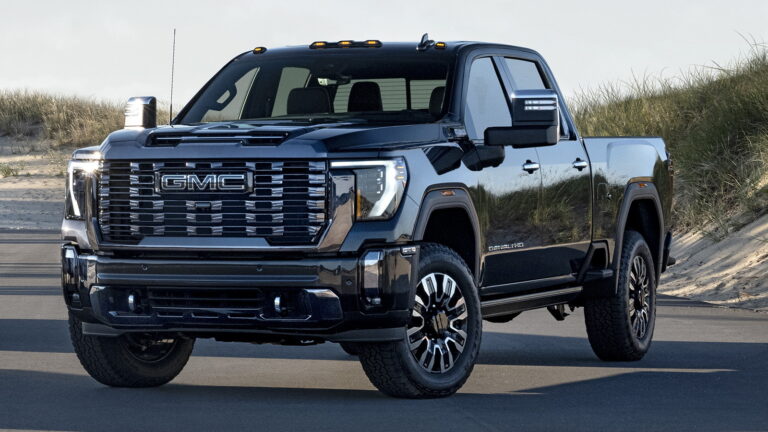
The Ultimate Guide to Ladder Racks for Utility Trucks: Enhance Safety, Efficiency, and Professionalism
The Ultimate Guide to Ladder Racks for Utility Trucks: Enhance Safety, Efficiency, and Professionalism Lmctruck.Guidemechanic.com
Every utility professional knows that their truck isn’t just a mode of transport; it’s a mobile workshop, an essential partner in getting the job done. From electricians and plumbers to contractors and landscapers, the daily grind often involves hauling essential tools and materials, with ladders being one of the most common yet challenging items to transport safely and efficiently. This is where a high-quality ladder rack for utility truck becomes not just an accessory, but a non-negotiable asset.
In this comprehensive guide, we’re diving deep into everything you need to know about utility truck ladder racks. We’ll explore why they’re crucial, the different types available, key factors for choosing the right one, installation insights, and essential safety practices. Our goal is to equip you with the knowledge to make an informed decision, ensuring your truck is optimized for safety, productivity, and a truly professional appearance.
The Ultimate Guide to Ladder Racks for Utility Trucks: Enhance Safety, Efficiency, and Professionalism
Why Every Utility Truck Demands a Robust Ladder Rack
Transporting ladders inside your truck bed can be cumbersome, taking up valuable space and potentially damaging other equipment. Strapping them precariously to the roof or tailgate is a significant safety hazard, putting you, your crew, and other motorists at risk. A dedicated utility truck ladder rack addresses these challenges head-on, offering a multitude of benefits that directly impact your bottom line and daily operations.
Enhanced Safety on the Road and Job Site
Safety should always be your top priority. An improperly secured ladder can shift, slide, or even detach during transit, leading to catastrophic accidents. A purpose-built ladder rack provides a secure, designated place for your ladders, ensuring they remain stable even during sudden stops or turns.
Based on my experience, investing in a proper rack significantly reduces the risk of road debris incidents and workplace injuries related to loading and unloading. It’s peace of mind for everyone involved.
Maximized Cargo Space and Organization
Imagine reclaiming your entire truck bed for tools, materials, and other equipment. A ladder rack lifts your ladders out of the bed, freeing up precious cargo space that would otherwise be occupied. This allows for better organization, easier access to other items, and the ability to carry more essential supplies without clutter.
Pro tips from us: When your truck is organized, you spend less time searching for tools and more time focused on the task at hand, directly boosting your efficiency.
Improved Efficiency and Productivity
Time is money in any utility business. Manually loading and unloading ladders, especially larger ones, can be a time-consuming and physically demanding process. Many modern ladder racks feature designs that facilitate quick and easy loading and unloading, often with the assistance of gas shocks or hydraulic systems.
This streamlined process means your team can get to work faster, complete tasks more efficiently, and move on to the next job without unnecessary delays. It’s a small change that yields significant returns in daily productivity.
Protection for Your Equipment and Vehicle
Ladders, particularly aluminum ones, can be surprisingly delicate. Tossing them into a truck bed with other tools can lead to dents, scratches, and structural damage over time. Similarly, the rough edges of ladders can scratch your truck’s paint or even damage the bed liner.
A well-designed ladder rack protects both your ladders and your truck. It provides a secure, cushioned resting place for your ladders, preventing wear and tear, and preserving the aesthetic and resale value of your vehicle.
Professional Image and Compliance
A well-maintained truck with properly secured equipment projects an image of professionalism and reliability. Clients are more likely to trust a business that demonstrates attention to detail and safety. Furthermore, adhering to local and federal transportation safety regulations regarding cargo securement is crucial for avoiding fines and legal issues.
A quality commercial ladder rack helps you meet these standards, reinforcing your company’s commitment to safety and excellence.
Understanding the Anatomy of a Utility Truck Ladder Rack
While they might seem straightforward, modern ladder racks are engineered with specific components designed for strength, durability, and ease of use. Understanding these parts will help you appreciate their functionality and make an informed decision.
Main Support Bars (Crossbars)
These are the horizontal bars that span across the width of your truck, typically over the cab and/or the bed. They bear the primary weight of the ladders and are where the ladders rest. Their strength and material are critical for load capacity.
Vertical Uprights (Legs/Towers)
The uprights are the vertical components that attach to your truck’s frame or bed rails and support the crossbars. They determine the overall height of the rack and often include mounting points for accessories.
Mounting System
This is how the rack attaches to your truck. Common methods include drilling into the truck’s frame or bed, or using clamp-on systems that attach to the bed rails without permanent modification. The mounting system needs to be robust enough to handle the rack’s load capacity and dynamic forces during driving.
Tie-Down Points and Stops
Integrated tie-down points, such as hooks or loops, are essential for securing your ladders with straps or bungee cords. Ladder stops or end caps prevent ladders from sliding off the rack during transit. Some advanced systems feature integrated locking mechanisms for added security.
Load Stops and Guides
These are adjustable components on the crossbars that help position and secure the ladders, preventing them from shifting side-to-side. They are particularly useful for carrying multiple ladders of different sizes.
Exploring the Different Types of Ladder Racks for Utility Trucks
The market offers a diverse range of ladder racks for utility trucks, each designed to cater to specific needs, truck configurations, and budgets. Choosing the right type depends heavily on your vehicle, the kind of ladders you transport, and your daily operational demands.
1. Overhead/Cab-Mounted Ladder Racks
These racks typically extend over the cab of the truck, often with support structures that anchor to the truck bed or frame behind the cab. They are excellent for carrying longer ladders that might otherwise extend far beyond the truck’s rear.
- Pros: Keeps the truck bed completely clear, suitable for very long ladders, often heavy-duty.
- Cons: Can create wind noise, might obstruct rear window visibility slightly, typically requires more complex installation.
2. Truck Bed Mounted Ladder Racks
These are the most common type and attach directly to the bed rails or floor of the truck bed. They come in various designs, from simple two-bar systems to more elaborate multi-bar setups.
- Pros: Versatile, generally easier to install than cab-mounted racks, wide range of styles and load capacities.
- Cons: Can consume some space within the truck bed depending on the design, ladders might extend beyond the truck’s rear, requiring a flag.
3. Side-Mounted Ladder Racks
Less common but highly specialized, side-mounted racks secure ladders along the side of the truck bed, often hanging over the side panels. These are particularly useful for shorter ladders or for trucks with limited overhead clearance.
- Pros: Easy access to ladders from the side, keeps the bed floor clear, good for quick grab-and-go situations.
- Cons: Limited to shorter ladders, can add width to the vehicle, potentially obstructing side visibility.
4. Specialized and Advanced Ladder Racks
- Drop-Down Ladder Racks: These innovative systems allow you to lower the ladder rack to the side of the truck with minimal effort, making loading and unloading incredibly easy, especially for heavier ladders. They are a significant investment but offer unparalleled convenience and safety.
- Cantilever Racks: These extend forward over the cab but are supported only from the rear of the truck bed, often by a toolbox or a heavy-duty bed rail system. They are ideal for trucks where drilling into the cab area is not desired.
- Sliding Racks: Some racks feature adjustable or sliding components that allow you to customize the spacing of the crossbars or even slide the entire ladder forward or backward for better weight distribution or access.
Materials: Aluminum vs. Steel
The material of your ladder rack significantly impacts its weight, durability, and cost.
- Aluminum Ladder Racks: Lightweight, corrosion-resistant, and aesthetically pleasing. They are easier to install and can improve fuel efficiency due to reduced vehicle weight. However, they are generally more expensive and might have a slightly lower load capacity than steel for the same footprint.
- Steel Ladder Racks: Extremely strong, durable, and more affordable. They are ideal for heavy-duty applications and carrying multiple or very heavy ladders. The downside is their weight, which can impact fuel economy, and their susceptibility to rust if not properly coated or maintained.
Key Factors When Choosing the Right Ladder Rack for Your Utility Truck
Selecting the perfect heavy-duty ladder rack for your truck involves more than just picking one that looks good. It requires careful consideration of several critical factors to ensure it meets your specific needs and offers long-term value.
1. Your Truck Type and Size
The make, model, year, and bed length of your utility truck are paramount. Not all racks fit all trucks. Many manufacturers design racks specifically for certain vehicle types (e.g., full-size, mid-size, long bed, short bed). Ensure compatibility to avoid installation headaches and potential damage.
Pro tips from us: Always double-check the rack’s specifications against your truck’s dimensions, including cab style (regular, extended, crew cab) and bed features (e.g., bed liners, toolboxes).
2. Load Capacity and Ladder Dimensions
How many ladders do you typically carry? What are their lengths, widths, and weights? The rack’s load capacity must exceed the combined weight of all the ladders and any other equipment you plan to secure to it. Overloading a rack is extremely dangerous and can lead to structural failure.
Also, consider the longest ladder you’ll carry and ensure the rack can support it adequately without excessive overhang or instability.
3. Material and Durability
As discussed, aluminum offers lightness and corrosion resistance, while steel provides superior strength and affordability. Your choice should align with your work environment (e.g., coastal areas might favor aluminum due to salt air) and the weight of your cargo.
Look for racks with durable powder coatings or galvanized finishes, especially for steel, to prevent rust and extend their lifespan.
4. Installation Type: Drill vs. No-Drill
Some racks require drilling into your truck’s bed rails or frame for a permanent, highly secure attachment. Others utilize clamp-on systems that attach to the bed rails without drilling, making installation easier and preserving your truck’s body.
- Drill-on: Generally offers maximum security and load capacity.
- No-Drill: Convenient, less permanent, but may have slightly lower load capacity limits. Consider your comfort level with drilling and your long-term plans for the truck.
5. Security Features
Theft of ladders and equipment from utility trucks is a common issue. Look for ladder racks that offer integrated locking mechanisms or secure tie-down points that can be used with padlocks. This added security can save you significant costs and downtime.
6. Versatility and Accessories
Some ladder racks are designed to be modular, allowing you to add accessories like conduit carriers, material stops, or additional tie-down points. If you anticipate needing to transport other long items like pipes, lumber, or kayaks, a versatile rack can be a significant advantage.
Consider if the rack can accommodate a toolbox in the truck bed or if it will interfere with other truck accessories.
7. Budget
Ladder racks range widely in price, from a few hundred dollars for basic models to several thousand for advanced drop-down systems. While it’s tempting to opt for the cheapest option, remember that a ladder rack is an investment in safety, efficiency, and the longevity of your equipment.
Common mistakes to avoid are underestimating the value of a quality rack and choosing a flimsy, inexpensive option that won’t stand up to daily use.
Installation: A Step-by-Step Overview (or What to Expect)
While specific installation steps will vary depending on the ladder rack model and your truck, understanding the general process can help you decide whether to tackle it yourself or opt for professional installation.
1. Preparation and Safety First
Before starting, gather all necessary tools (wrenches, drills, measuring tape, level, safety glasses, gloves). Read the manufacturer’s instructions thoroughly. Ensure your truck is parked on a level surface with the parking brake engaged.
2. Assemble Rack Components (If Required)
Many racks come disassembled. You’ll likely need to attach crossbars to uprights or assemble various support structures before mounting them to the truck. This is usually done on the ground.
3. Position and Align
Carefully place the rack components onto your truck. For bed-mounted racks, this involves positioning the uprights along the bed rails. For overhead racks, precise alignment over the cab is crucial. Take accurate measurements to ensure the rack is centered and level.
4. Secure the Mounting System
- For drill-on racks: Mark the drilling points accurately, pilot drill, and then use the specified drill bit size. Secure the rack using the provided hardware (bolts, washers, nuts). Ensure all bolts are tightened to the manufacturer’s recommended torque specifications.
- For clamp-on racks: Position the clamps over the bed rails and tighten them securely. These typically involve bolts that cinch down onto the rail.
5. Final Checks and Adjustments
Once installed, double-check all connections, bolts, and clamps to ensure they are tight and secure. Load a ladder onto the rack and test its stability. Make any necessary adjustments to load stops or tie-down points.
Pro tips from us: While many DIY-savvy individuals can install a ladder rack, professional installation guarantees proper fitment, adherence to torque specifications, and often comes with a warranty on the work. If you’re unsure or lack the right tools, it’s a worthwhile investment.
Safety First: Best Practices for Using Your Ladder Rack
Having a ladder rack is only half the battle; using it correctly is paramount for safety and longevity.
1. Proper Loading Techniques
Always load ladders from the rear of the truck, lifting them onto the rack rather than dragging them. Distribute the weight evenly across the crossbars. For multiple ladders, stack them neatly and securely. Avoid overloading the rack beyond its specified weight capacity.
2. Secure Your Cargo Religiously
This is the most critical step. Use heavy-duty straps, ratchets, or bungee cords to firmly secure your ladders to the rack’s tie-down points. Ensure there’s no movement, wiggling, or rattling. A loose ladder is a dangerous projectile.
Based on my experience, checking the security of your load should be a habit every time you get behind the wheel, especially before highway travel. A quick tug test on each ladder can save lives.
3. Regular Inspections
Periodically inspect your ladder rack for signs of wear, damage, or loose components. Check bolts, welds, and mounting hardware. Address any issues immediately. This proactive approach prevents small problems from becoming major hazards.
4. Be Mindful of Height and Width
A ladder rack significantly increases your truck’s overall height. Always be aware of overhead clearances, such as bridges, parking garage entrances, and drive-thrus. Similarly, some side-mounted racks or wide loads can increase the truck’s width, requiring extra caution.
For more insights into overall vehicle organization, read our article on "Maximizing Your Work Truck Storage Solutions."
Maintenance Tips for Longevity
A well-maintained ladder rack will serve you reliably for years.
- Regular Cleaning: Wash your ladder rack regularly, especially if exposed to salt, dirt, or chemicals. This prevents corrosion and preserves its finish.
- Rust Prevention: For steel racks, touch up any chips or scratches in the paint or powder coating to prevent rust from spreading. Apply a rust inhibitor if necessary.
- Hardware Checks: Periodically re-tighten all bolts and fasteners, as vibrations from driving can cause them to loosen over time.
- Lubrication: For moving parts like those on drop-down racks, apply appropriate lubricant as recommended by the manufacturer to ensure smooth operation.
Common Mistakes to Avoid When Using a Ladder Rack
As an expert blogger, I’ve seen my share of mishaps. Here are some common mistakes that can compromise safety and efficiency:
- Overloading: Exceeding the rack’s weight capacity is a recipe for disaster, risking rack failure and dangerous road conditions.
- Insufficient Securing: Relying on just one strap or loosely tying down ladders. Always use multiple, robust tie-downs to prevent any movement.
- Ignoring Maintenance: Neglecting to check bolts or clean the rack can lead to rust, structural weakness, and eventual failure.
- Forgetting Height Clearance: Driving into low-clearance areas with ladders on top is a costly mistake that can damage both your ladders and the structure.
- Improper Weight Distribution: Loading all heavy items on one side or at one end can affect vehicle handling and stability. Distribute weight as evenly as possible.
For general cargo securement guidelines, you can refer to resources from reputable organizations like the Federal Motor Carrier Safety Administration (FMCSA) in the US, which provides comprehensive regulations and best practices.
The ROI of a Quality Ladder Rack: An Investment, Not an Expense
When you consider the costs associated with damaged ladders, potential fines for improper cargo securement, lost productivity from inefficient loading, and the ultimate risk of accidents, the investment in a high-quality ladder rack for utility truck becomes incredibly clear. It pays for itself many times over in enhanced safety, improved efficiency, and the professional image it projects. It safeguards your valuable equipment, your vehicle, and most importantly, your team.
If you’re also looking to optimize your truck bed, check out our guide on ‘Choosing the Best Truck Bed Liner’ for further truck enhancement ideas.
Future Trends in Utility Truck Cargo Management
The evolution of utility truck accessories continues, driven by demands for greater efficiency, safety, and customization. We can expect to see more:
- Smart Racks: Integrated sensors for load monitoring, real-time security alerts, and even GPS tracking for expensive equipment.
- Lighter, Stronger Materials: Advances in composite materials and alloys will lead to even lighter racks with superior strength and corrosion resistance.
- Enhanced Ergonomics: Further improvements in drop-down and sliding systems will make loading and unloading even more effortless, reducing physical strain on workers.
- Modular and Customizable Systems: Racks designed with greater flexibility to adapt to evolving equipment needs and specialized job requirements.
Conclusion: Elevate Your Utility Truck with the Right Ladder Rack
A ladder rack for utility truck is more than just a piece of metal; it’s a fundamental component of a well-equipped, safe, and efficient work vehicle. By carefully considering your specific needs, exploring the diverse types available, and committing to proper installation and usage, you can transform your utility truck into an even more productive and professional asset.
Invest wisely in a quality ladder rack, and you’ll not only streamline your daily operations but also significantly enhance the safety and longevity of your equipment and vehicle, ensuring you’re always ready to tackle the next job with confidence. Drive safe, work smart, and let your ladder rack handle the heavy lifting.