The Ultimate Guide to Gooseneck Trucks For Rent: Unlocking Heavy-Duty Hauling Solutions
The Ultimate Guide to Gooseneck Trucks For Rent: Unlocking Heavy-Duty Hauling Solutions Lmctruck.Guidemechanic.com
In the world of heavy-duty hauling, where reliability, stability, and sheer power are non-negotiable, the gooseneck truck stands as a true titan. Whether you’re transporting heavy machinery, agricultural equipment, construction materials, or even a fleet of vehicles, having the right setup is paramount. For many businesses and individuals, purchasing such a specialized vehicle isn’t practical or financially viable. This is where Gooseneck Trucks For Rent emerge as an indispensable solution, offering the robust capabilities you need without the long-term commitment of ownership.
This comprehensive guide is designed to be your definitive resource, delving deep into everything you need to know about renting a gooseneck truck. We’ll explore why these vehicles are superior, when to choose rental over purchase, what to look for, and crucial safety considerations. By the end, you’ll be equipped with the knowledge to make informed decisions and tackle your heaviest hauling projects with confidence.
The Ultimate Guide to Gooseneck Trucks For Rent: Unlocking Heavy-Duty Hauling Solutions
What Exactly is a Gooseneck Truck and Why Does it Matter?
At its core, a gooseneck truck is a heavy-duty pickup truck or sometimes a medium-duty truck equipped to tow a specific type of trailer: a gooseneck trailer. The distinguishing feature isn’t the truck itself, but rather the unique hitch system it utilizes. Unlike traditional bumper-pull hitches that attach to the rear bumper, a gooseneck hitch mounts directly into the truck bed, typically over or slightly forward of the rear axle.
This in-bed mounting point creates a significantly stronger, more stable connection between the truck and the trailer. The hitch itself often resembles a large ball or a fifth-wheel style connection, but the critical difference lies in its robust, central positioning. This design allows for superior weight distribution across the truck’s frame, reducing sway and increasing the overall towing capacity compared to conventional hitches.
The significance of this design cannot be overstated when it comes to heavy loads. The pivot point being directly over the rear axle means the trailer’s weight is more evenly distributed, minimizing stress on the truck’s rear end and improving traction. This translates into a much safer and more controlled towing experience, especially when navigating turns, braking, or encountering crosswinds. For anyone considering Gooseneck Trucks For Rent, understanding this fundamental difference is the first step to appreciating their true value.
When is Renting a Gooseneck Truck the Smartest Move?
Deciding whether to rent or buy any piece of equipment is a critical business decision. For gooseneck trucks, rental often presents a remarkably intelligent and flexible option, particularly for those with specific operational patterns. It’s not just about cost savings; it’s about efficiency, adaptability, and access to specialized equipment precisely when you need it.
One primary scenario for renting is when your heavy hauling needs are occasional or project-specific. Many businesses, such as landscapers, small construction firms, or agricultural operations, might only require the immense towing power of a gooseneck truck a few times a year. Purchasing and maintaining such a vehicle for infrequent use would be an unnecessary drain on resources, tying up capital that could be better invested elsewhere.
Furthermore, renting allows you to avoid the significant upfront capital expenditure of buying a new or used heavy-duty truck. Beyond the purchase price, ownership comes with a host of ongoing costs: insurance, depreciation, routine maintenance, repairs, and storage. These expenses can quickly add up, eroding profitability for businesses that don’t constantly utilize their assets. Renting transforms these unpredictable capital costs into predictable operational expenses, making budgeting much simpler.
Pro tips from us: Consider your long-term needs and the frequency of use. If you anticipate needing a gooseneck truck less than 20% of the time annually, renting is almost always the more economical choice. It provides the perfect blend of capability and financial prudence, ensuring you have the right tool for the job without the burden of permanent ownership.
The Unmatched Benefits of Opting for Gooseneck Trucks For Rent
Choosing to rent a gooseneck truck offers a multitude of advantages that go beyond simple cost-effectiveness. These benefits directly impact operational efficiency, safety, and your ability to undertake diverse projects with confidence. Understanding these core advantages highlights why Gooseneck Trucks For Rent are a preferred solution for many professionals.
Superior Stability and Control
The primary advantage of the gooseneck hitch design is the unparalleled stability it provides. By positioning the hitch directly over the truck’s rear axle, the trailer’s weight is centered, significantly reducing the pendulum effect common with bumper-pull trailers. This means less sway, especially at highway speeds or in windy conditions, leading to a much more controlled and less fatiguing towing experience for the driver.
Based on my experience, this enhanced stability is not just a comfort factor; it’s a critical safety feature. It minimizes the risk of loss of control, particularly when hauling oversized or unevenly weighted loads. Drivers feel more connected to their trailer, allowing for smoother maneuvers and more precise handling.
Increased Towing Capacity
Gooseneck trucks are engineered for heavy lifting, boasting significantly higher towing capacities than trucks equipped with bumper-pull hitches. The robust in-bed mounting system can withstand immense downward force, enabling the truck to pull substantially heavier loads safely and efficiently. This capacity can range from 15,000 pounds up to 30,000 pounds or more, depending on the truck and trailer combination.
This increased capacity opens up possibilities for transporting larger, heavier equipment that would be impossible with standard setups. Common mistakes to avoid are underestimating the required capacity; always factor in the weight of your cargo plus the trailer itself. Renting a gooseneck ensures you access the power you need without compromising safety or performance.
Enhanced Maneuverability
Despite their capacity for heavy loads, gooseneck setups often offer surprisingly good maneuverability. Because the pivot point is closer to the center of the truck, the trailer can articulate more sharply around turns. This translates into a tighter turning radius compared to a bumper-pull trailer of similar length, which can be a huge advantage in confined spaces, construction sites, or busy yards.
Navigating tight corners and reversing with a gooseneck trailer generally feels more intuitive once you’re accustomed to the pivot point. This improved agility reduces the stress of operating in challenging environments, making heavy hauling less cumbersome and more efficient.
Cost-Effectiveness and Financial Flexibility
As mentioned, renting eliminates the substantial upfront cost of purchasing a heavy-duty truck and the associated gooseneck hitch installation. Beyond the initial investment, you bypass ongoing expenses like depreciation, property taxes, long-term insurance premiums, and the inevitable costs of maintenance and repairs. These can be particularly high for specialized commercial vehicles.
Renting converts a large capital outlay into a manageable operational expense. This financial flexibility allows businesses to preserve capital, allocate funds more effectively, and avoid the financial strain of owning an underutilized asset. It’s a smart strategy for managing cash flow and optimizing your balance sheet.
Flexibility and Access to Variety
When you rent, you’re not locked into a single make, model, or configuration. Rental fleets typically offer a diverse range of gooseneck-ready trucks, from various heavy-duty pickups (like Ford Super Duty, Ram Heavy Duty, Chevrolet Silverado HD) to even some medium-duty options. This means you can select the exact truck with the specific towing capacity and features best suited for each unique project.
Need a dually for maximum stability this month? Rent it. Next month, a slightly smaller single-rear-wheel truck will suffice for a lighter load? You can rent that too. This unparalleled flexibility ensures you always have the right tool for the job, without the compromise of a one-size-fits-all owned vehicle.
Navigating the Options: Types of Gooseneck Trucks and Trailers You Can Rent
Understanding the variety available when considering Gooseneck Trucks For Rent is crucial for selecting the perfect combination for your specific task. While the gooseneck hitch system is common, the trucks and trailers that utilize it come in many forms, each designed for particular applications.
Truck Types for Gooseneck Hauling
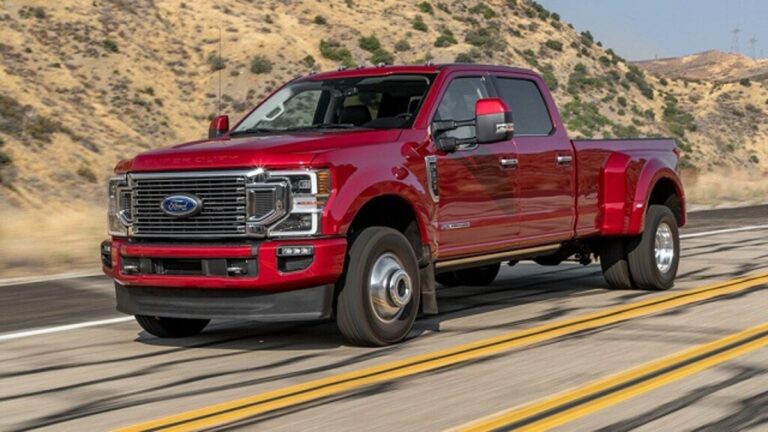
Most commonly, gooseneck trailers are pulled by heavy-duty pickup trucks. These include models like:
- Ford F-250, F-350, F-450 Super Duty: Renowned for their robust diesel engines and high towing capacities, especially the F-350 and F-450 dually configurations.
- Ram 2500, 3500 Heavy Duty: Known for powerful Cummins diesel engines and comfortable interiors, with the 3500 dually offering impressive hauling capabilities.
- Chevrolet Silverado 2500HD, 3500HD and GMC Sierra 2500HD, 3500HD: These trucks provide strong gasoline and Duramax diesel engine options, offering competitive towing and payload figures.
For exceptionally heavy loads, some rental companies might offer medium-duty trucks (e.g., Ford F-550, F-650, or similar Ram/GM models, or even smaller commercial trucks) equipped with gooseneck hitches. These provide even greater capacities but often come with more stringent licensing requirements. When you inquire about Gooseneck Trucks For Rent, always specify the weight of your load to ensure you’re matched with an appropriately rated truck.
Common Gooseneck Trailer Types (Briefly)
While the focus here is on the trucks, it’s important to briefly touch upon the trailers they pull, as the trailer type dictates the truck’s requirements:
- Flatbed Trailers: Ideal for general cargo, machinery, vehicles, and construction materials.
- Dump Trailers: Perfect for hauling aggregates, dirt, gravel, and debris, allowing for easy unloading.
- Equipment Trailers: Often feature ramps or tilt decks for loading heavy machinery like excavators, skid steers, or tractors.
- Enclosed Cargo Trailers: Used for protecting goods from the elements or for secure transport of valuable items.
- Livestock Trailers: Specifically designed for animal transport.
Matching the truck’s towing capacity and payload to the loaded trailer’s gross weight (trailer weight + cargo weight) is absolutely critical for safety and legal compliance.
The Rental Process Unveiled: How to Rent a Gooseneck Truck Seamlessly
Renting a gooseneck truck might seem daunting initially, but by following a structured process, you can ensure a smooth and successful experience. Our team consistently advises a methodical approach to avoid last-minute complications and ensure you get the right vehicle for your job.
Step 1: Assess Your Needs Thoroughly
Before even contacting a rental company, take the time to precisely define your requirements. Ask yourself:
- What are you hauling? (Type of equipment, materials, etc.)
- What is the total loaded weight? (Weight of cargo + weight of the trailer). This is the most crucial factor.
- What is the overall dimensions of your load? (Length, width, height).
- How far are you traveling? (Local, regional, long-distance).
- What are the road conditions and terrain like? (Highway, rural roads, off-road, steep grades).
- What is the required rental duration? (Daily, weekly, monthly).
Knowing these details upfront will allow rental agencies to quickly and accurately provide suitable options. For more details on assessing your hauling needs, check out our guide on .
Step 2: Research Reputable Rental Companies
Not all rental companies are created equal, especially when it comes to specialized commercial vehicles like gooseneck trucks. Look for providers that:
- Specialize in commercial truck and trailer rentals.
- Have a strong reputation for well-maintained fleets.
- Offer 24/7 roadside assistance.
- Have transparent pricing and clear rental agreements.
- Have positive customer reviews, particularly regarding their heavy-duty fleet.
A little research here can save you significant headaches down the road.
Step 3: Understand Requirements and Documentation
When you’ve found a potential provider for Gooseneck Trucks For Rent, be prepared for their specific requirements. These typically include:
- Valid Driver’s License: Ensure it’s appropriate for the vehicle class you intend to rent.
- Commercial Driver’s License (CDL): This is often required if the Gross Combined Weight Rating (GCWR) of the truck and trailer exceeds 26,001 pounds, or if the trailer itself has a GVWR over 10,000 pounds and the GCWR is above 26,001 lbs. Always verify CDL requirements based on your state and the specific truck/trailer combination.
- Proof of Insurance: You’ll likely need to provide proof of adequate commercial or non-owner insurance that covers the rental vehicle and liability.
- Age Restrictions: Most companies require renters to be 21 or 25 years or older.
- Deposit: A security deposit is standard practice.
Step 4: Inspect the Vehicle Thoroughly (Pre-Rental)
Before driving away, conduct a comprehensive pre-rental inspection with a rental company representative. Document any existing damage with photos or video. Check:
- Tires: Tread depth, pressure, signs of wear or damage.
- Lights: Headlights, tail lights, turn signals, brake lights, trailer lights.
- Brakes: Truck and trailer brake functionality.
- Hitch Connection: Ensure it’s properly installed, secured, and free of damage.
- Fluids: Oil, coolant, brake fluid levels.
- Interior: Cleanliness and functionality of controls.
- Safety Equipment: Fire extinguisher, reflective triangles, spare tire, jack.
This inspection protects you from being held responsible for pre-existing issues.
Step 5: Pick-up and Return Procedures
Familiarize yourself with the rental company’s pick-up and return policies. Understand fuel requirements (full-to-full), cleaning expectations, and any specific return times or locations. Always ensure the rental agreement is fully understood before signing.
Essential Considerations Before You Sign on the Dotted Line
Renting a gooseneck truck involves more than just picking up keys. Several critical factors must be thoroughly understood and addressed to ensure a safe, compliant, and cost-effective rental experience. Overlooking these details can lead to significant problems, both financially and legally.
Towing Capacity vs. Gross Vehicle Weight Rating (GVWR)
This is a common area of confusion, but absolutely vital for safety.
- Towing Capacity: The maximum weight a truck can pull (the trailer and its cargo combined).
- Gross Vehicle Weight Rating (GVWR): The maximum operating weight of the truck itself, including the truck’s curb weight, fuel, passengers, and cargo in the truck bed (including the tongue weight of the trailer).
You must ensure that your loaded trailer’s weight does not exceed the truck’s towing capacity AND that the combined weight on the truck (truck itself + driver/passengers + fuel + cargo in bed + trailer tongue weight) does not exceed the truck’s GVWR. Based on my experience, many first-time renters overlook the GVWR, which can lead to overloading the truck’s suspension and brakes, creating a dangerous situation.
Insurance Coverage: What’s Included, What’s Not?
Never assume the rental company’s basic insurance covers everything. Always clarify:
- Collision Damage Waiver (CDW): Often offered, but typically covers damage to the rental truck itself. It may not cover liability for damage to other vehicles or property.
- Liability Insurance: Your personal or business auto insurance might extend to rental vehicles, but you must confirm this with your insurer. For commercial rentals, specialized commercial non-owner insurance might be necessary.
- Cargo Insurance: Standard rental insurance rarely covers damage to the cargo you are hauling. If your cargo is valuable, you’ll need separate cargo insurance.
Always verify your coverage with your personal insurance provider and the rental company. Don’t be afraid to ask for a copy of the rental company’s insurance policy details.
CDL Requirements: Know Your Limits
The need for a Commercial Driver’s License (CDL) is determined by the Gross Vehicle Weight Rating (GVWR) of the truck and trailer, and the Gross Combined Weight Rating (GCWR) of the entire combination.
- Generally, a CDL is required if the GCWR is 26,001 lbs or more, AND the trailer itself has a GVWR of 10,001 lbs or more.
- Some states have specific nuances. Always check the Department of Motor Vehicles (DMV) or equivalent authority in your state for precise regulations.
Renting a gooseneck truck without the proper license can lead to severe fines, impoundment of the vehicle, and insurance complications.
Rental Duration and Cost: Uncovering Hidden Fees
Beyond the advertised daily or weekly rate for Gooseneck Trucks For Rent, be sure to ask about:
- Mileage Charges: Some rentals include unlimited mileage, others have a per-mile charge beyond a certain limit.
- Fuel Policy: Is it full-to-full, or do they charge for refueling?
- Environmental Fees, Taxes, Surcharges: These can add a significant percentage to the total cost.
- Deposit: How much is it, and when is it refunded?
- Late Return Fees: What happens if you return the truck late?
- Cleaning Fees: If the truck is returned excessively dirty.
Get a comprehensive quote in writing before finalizing your rental.
Maintenance and Support: What If Something Goes Wrong?
Inquire about the rental company’s support system. What happens if the truck breaks down or you encounter an issue on the road?
- Roadside Assistance: Is it included? Is it 24/7? What’s the response time?
- Replacement Vehicle Policy: If a breakdown occurs, will they provide a replacement, and what are the terms?
- Maintenance Standards: Reputable companies maintain their fleet rigorously, reducing the likelihood of breakdowns. Ask about their maintenance schedules and inspection protocols.
Knowing these details provides peace of mind and ensures minimal disruption to your project.
Safety First: Pro Tips for Operating Your Rented Gooseneck Truck
Operating a heavy-duty vehicle with a gooseneck trailer demands respect, skill, and adherence to safety protocols. Through years of working with heavy equipment rentals, we’ve compiled essential tips to ensure your safety and the safety of others on the road.
1. Conduct a Thorough Pre-Trip Inspection
Before every drive, and certainly before leaving the rental yard, perform a detailed inspection:
- Tires: Check air pressure (including the spare), tread depth, and look for any cuts or bulges.
- Lights: Verify all lights on the truck and trailer are functional: headlights, tail lights, brake lights, turn signals, and marker lights.
- Brakes: Ensure both truck and trailer brakes are working correctly. Test the trailer’s emergency breakaway system if applicable.
- Hitch Connection: Double-check that the gooseneck hitch is securely latched, the safety chains are properly crossed and connected, and the electrical umbilical cord is firmly plugged in.
- Fluid Levels: Check engine oil, coolant, brake fluid, and windshield washer fluid.
- Mirrors: Adjust all mirrors for maximum visibility.
2. Master Proper Loading Techniques
Incorrect loading is a leading cause of trailer sway and accidents.
- Weight Distribution: Aim for 15-25% of the total trailer weight (including cargo) to be on the gooseneck hitch (tongue weight). Too little tongue weight causes sway; too much can overload the truck’s rear axle.
- Center the Load: Place the heaviest items over or slightly forward of the trailer axles.
- Secure the Load: Use appropriate straps, chains, binders, and tarps to secure your cargo. Ensure there’s no shifting during transit. Even a slight shift can drastically alter weight distribution and stability.
3. Adopt Safe Driving Habits
Driving with a gooseneck trailer requires adjustments to your normal driving style.
- Increase Following Distance: You need significantly more time and distance to stop a loaded gooseneck truck and trailer.
- Wider Turns: Account for the trailer’s length and swing. Start turns wider to prevent the trailer from hitting curbs or other obstacles.
- Reduce Speed: Drive slower than you normally would, especially on curves, downhills, and in adverse weather conditions.
- Anticipate: Look further ahead than usual to anticipate traffic, road conditions, and potential hazards.
- Braking: Use engine braking on descents to help control speed and prevent brake fade.
4. Be Aware of Clearance and Obstacles
Remember that your vehicle is now much longer, heavier, and potentially taller.
- Overhead Clearance: Be mindful of low bridges, tree branches, and overhead structures, especially if you have tall cargo.
- Side Clearance: Pay attention to obstacles like poles, signs, and other vehicles, particularly when making turns or backing up.
5. Regular Checks During Stops
During long hauls, make a habit of pulling over periodically to check your setup.
- Tires: Feel for excessive heat, which can indicate low pressure or an overloaded tire.
- Hitch: Re-verify the hitch connection and safety chains.
- Load: Confirm your cargo is still securely fastened and hasn’t shifted.
- Lights: Do a quick check of all lights.
For comprehensive safety guidelines on towing, refer to the Federal Motor Carrier Safety Administration (FMCSA).
Gooseneck vs. Fifth-Wheel: Understanding the Differences for Your Rental Choice
While often confused, gooseneck and fifth-wheel hitches, though both mounted in the truck bed, have distinct characteristics and typical applications. Understanding these differences is key to making the best choice when looking for Gooseneck Trucks For Rent or considering other heavy-hauling options.
The Fifth-Wheel Hitch
- Design: A fifth-wheel hitch resembles a miniature version of the hitch found on semi-trucks. It features a large, flat, horseshoe-shaped plate that articulates, allowing the trailer’s kingpin to slide in and lock. This design creates a very strong, stable, and flexible connection.
- Mounting: It’s bolted to the truck frame, often using rails in the truck bed, and sits higher than a gooseneck ball.
- Typical Applications: Primarily used for large recreational vehicles (RVs), often referred to as fifth-wheel campers, and some commercial applications that require a robust, articulating connection for heavy, long trailers.
- Pros: Excellent stability, smooth ride, often preferred for very large RVs due to their weight distribution and articulation.
- Cons: Hitch mechanism is larger and heavier, taking up more bed space, can be more complex to hook up, and typically more expensive than a gooseneck ball hitch.
The Gooseneck Hitch
- Design: As discussed, a gooseneck hitch typically uses a ball-and-coupler system. A ball is installed in the truck bed, and the trailer has a coupler that latches onto it. The "gooseneck" refers to the long, arched neck of the trailer that extends over the truck’s tailgate to connect to the ball.
- Mounting: The ball is usually integrated into the truck bed floor, often with a fold-down or removable ball, leaving a flat bed when not in use.
- Typical Applications: Widely used in agriculture for livestock trailers, construction for equipment and dump trailers, and general commercial hauling.
- Pros: Simpler, cleaner bed when not towing (if the ball is removable/retractable), often more affordable, excellent for heavy-duty work trailers due to its robust connection and maneuverability.
- Cons: Can be perceived as having slightly less articulation for certain very long trailers compared to a fifth-wheel, but this is often negligible for typical applications.
Which to Choose for Renting?
If your primary need is to haul heavy equipment, construction materials, livestock, or a dump trailer, a gooseneck truck and trailer combination is generally the more suitable and readily available rental option. Its straightforward design, high capacity, and clear truck bed when not towing make it incredibly versatile for demanding work.
If you’re unsure or your needs are borderline, always consult with the rental company. They can guide you based on their fleet and your specific hauling requirements. If you’re also considering different heavy hauling options, our article on might be helpful.
Cost Breakdown: What to Expect When Renting Gooseneck Trucks
Understanding the financial aspects of Gooseneck Trucks For Rent is crucial for budgeting and avoiding unexpected expenses. Rental costs aren’t always a single, straightforward number; they comprise several components that can vary significantly between providers and based on your specific needs.
Base Rental Rates
- Daily Rates: Typically range from $150 to $300+ per day, depending on the truck’s make, model, capacity, and the rental company.
- Weekly Rates: Often offer a discount compared to daily rates, potentially $700 to $1500+ per week.
- Monthly Rates: Provide the most significant savings for extended projects, with prices ranging from $2000 to $4000+ per month.
Longer rental periods generally result in a lower effective daily rate. Always inquire about any promotions or discounts for extended rentals.
Mileage Charges
Some rental agreements for heavy-duty trucks include unlimited mileage, which is ideal for long-distance hauls. However, many rental companies impose mileage charges, typically ranging from $0.20 to $0.75 per mile, after a certain daily or weekly allowance. Factor your estimated travel distance into your cost calculations.
Insurance Costs
As discussed, insurance is a significant component. If your existing insurance doesn’t cover the rental, you’ll need to purchase coverage through the rental company or a third-party provider. This can add $20-$50+ per day to your rental cost, depending on the level of coverage.
Fuel Costs
Gooseneck trucks, especially those with powerful diesel engines, are not fuel-efficient, particularly when heavily loaded. You are responsible for fuel costs during your rental. Always clarify the fuel policy:
- Full-to-Full: You pick it up full, return it full.
- Pre-Paid Fuel: You can pay for a full tank upfront at a potentially lower per-gallon rate than the rental company’s refueling charge.
- Rental Company Refueling: If you return it with less than a full tank, the rental company will refuel it and charge you a premium per-gallon rate, often with an additional service fee.
Security Deposit
A security deposit is standard practice for Gooseneck Trucks For Rent, typically ranging from a few hundred to over a thousand dollars. This deposit covers potential damages, cleaning fees, or late return penalties. Ensure you understand the conditions for its full refund and the timeline for processing.
Additional Potential Fees
- Environmental Fees/Taxes: Standard add-ons.
- Late Fees: If the truck is not returned by the agreed-upon time.
- Cleaning Fees: If the truck is returned excessively dirty, beyond normal wear and tear.
- Equipment Add-ons: Charges for items like moving blankets, dollies, or specialized straps, though less common for gooseneck trucks.
Getting the Best Deal
- Book in Advance: Especially during peak seasons, booking