The Ultimate Guide to Finding Your Perfect Used 2500 Pickup Truck For Sale
The Ultimate Guide to Finding Your Perfect Used 2500 Pickup Truck For Sale Lmctruck.Guidemechanic.com
Searching for a robust, reliable, and capable vehicle can lead many to the heavy-duty truck market. Specifically, the "2500" series pickup truck stands out as a workhorse, offering a compelling blend of power and utility without stepping into the full commercial segment. If you’re considering a pre-owned option, navigating the world of used 2500 pickup trucks for sale requires careful thought and informed decisions.
This comprehensive guide is designed to empower you with the knowledge needed to find an excellent used 2500 truck that perfectly fits your needs and budget. We’ll delve deep into everything from understanding the truck’s capabilities to conducting thorough inspections and negotiating the best deal. Our goal is to make your buying journey smooth and successful.
The Ultimate Guide to Finding Your Perfect Used 2500 Pickup Truck For Sale
Why Choose a Used 2500 Pickup Truck? The Power of Practicality
Opting for a used 2500 series truck often presents a smart financial and practical choice. These trucks are engineered for demanding tasks, boasting significantly higher towing and payload capacities compared to their lighter-duty 1500 counterparts. This makes them ideal for a wide range of applications.
Many buyers seek out a heavy-duty used truck for tasks like towing large RVs, horse trailers, or construction equipment. They also provide substantial payload capacity for hauling heavy materials in the bed. Choosing a used model allows you to leverage their inherent durability and power at a much more accessible price point than buying new.
Understanding the "2500" Designation: More Than Just a Number
The "2500" in a pickup truck’s name signifies its position within the manufacturer’s heavy-duty lineup. While the exact payload and towing figures vary by make, model, and configuration, a 2500 series truck generally implies a Gross Vehicle Weight Rating (GVWR) of around 8,500 to 10,000 pounds. This rating dictates the maximum allowable weight of the fully loaded truck, including passengers, cargo, and fuel.
This designation differentiates it from a light-duty 1500 series, which typically has a GVWR under 8,500 pounds, and a 3500 series, which steps into even heavier-duty territory, often with dual rear wheels (duallies). The 2500 strikes a balance, offering substantial capability without the bulk or potentially higher operating costs of a 3500. It’s truly the sweet spot for many who need serious muscle.
Gas vs. Diesel: Making the Right Choice for Your Used 2500
One of the most significant decisions you’ll face when looking at used 2500 pickup trucks for sale is whether to opt for a gasoline or diesel engine. Both have distinct advantages and disadvantages that can heavily influence your ownership experience. Understanding these differences is crucial for matching the truck to your specific requirements.
The Case for Diesel Engines
Diesel engines are legendary for their immense torque, which is particularly beneficial for heavy towing. They generally offer better fuel economy, especially when under load, and are renowned for their incredible longevity, often exceeding 300,000 miles or more with proper maintenance. This makes them a very attractive option in the used market.
However, diesel trucks typically come with a higher purchase price, both new and used. Their maintenance costs can also be higher, as parts and specialized fluids are often more expensive. Additionally, modern diesel engines feature complex emissions systems (like DEF – Diesel Exhaust Fluid) that require attention and can be costly to repair if issues arise.
The Case for Gasoline Engines
Gasoline engines, on the other hand, are usually more affordable upfront and generally have lower maintenance costs. They are simpler in design, often making DIY repairs more feasible for the mechanically inclined. While they don’t match the raw towing torque of a diesel, contemporary gas engines in 2500 series trucks are incredibly capable and can handle substantial loads.
The main trade-off is often fuel economy, which tends to be lower than diesel, especially when towing. Gasoline engines also might not offer the same ultra-long lifespan as a well-maintained diesel. For those who tow occasionally or carry heavy loads but don’t need the absolute maximum capacity, a gas-powered 2500 can be a fantastic, cost-effective choice.
Key Factors to Consider Before You Buy
Before diving into listings for used 2500 pickup trucks for sale, it’s essential to define your needs. A clear understanding of what you require from your truck will narrow down your search and prevent costly mistakes.
Towing and Payload Capacity: Matching Your Needs
This is arguably the most critical factor for heavy-duty truck buyers. Don’t just assume all 2500 trucks have the same capabilities. Towing and payload capacities vary significantly based on:
- Engine type: Diesel typically offers higher towing.
- Gear ratio: Different axle ratios impact towing and fuel economy.
- Drivetrain: 2WD vs. 4WD can slightly alter capacity.
- Cab and bed configuration: Heavier configurations reduce payload.
Carefully identify the maximum weight you plan to tow and haul. Always check the specific truck’s door jamb sticker or owner’s manual for its exact ratings. It’s always wise to have a buffer, ensuring your truck isn’t constantly operating at its absolute limit.
Drivetrain: 2WD vs. 4WD
Your intended use will dictate whether you need a two-wheel-drive (2WD) or four-wheel-drive (4WD) system.
- 2WD (Rear-Wheel Drive): Generally more fuel-efficient, lighter, and simpler mechanically. Excellent for highway driving and towing on paved surfaces.
- 4WD: Essential for off-road adventures, slippery conditions (snow, mud), or towing boats up wet ramps. It adds complexity, weight, and typically reduces fuel economy slightly.
Consider your local climate and the types of terrains you’ll encounter. If you never leave pavement, 4WD might be an unnecessary expense and maintenance point.
Cab and Bed Configurations
Used 2500 trucks come in various cab and bed lengths, each offering different benefits:
- Regular Cab: Two doors, maximum bed length, ideal for work and single drivers.
- Extended Cab (Quad Cab/Double Cab): Smaller rear seats, two full-size front doors, and smaller rear access doors. A good compromise for occasional rear passengers.
- Crew Cab (Mega Cab/SuperCrew): Four full-size doors, spacious rear seating, most popular for families or crews. Often paired with shorter bed lengths.
Bed lengths typically range from 6.5 feet (short bed) to 8 feet (long bed). A long bed is crucial for hauling larger items or accommodating certain fifth-wheel hitches. Choose a configuration that provides enough space for your passengers and cargo.
Trim Levels and Features
Even in heavy-duty trucks, trim levels can range from basic work trucks to luxurious cruisers. Decide which features are "must-haves" and which are "nice-to-haves." This could include leather seats, advanced infotainment systems, safety features like blind-spot monitoring, or specialized towing packages. Remember, more features often mean a higher price tag on a used truck.
Your Budget: Purchase Price and Running Costs
Beyond the initial purchase price of a used 2500 pickup truck for sale, factor in ongoing costs. These trucks are heavy and powerful, which means:
- Fuel: Diesels might get better mileage but diesel fuel is often more expensive.
- Insurance: Heavy-duty trucks can have higher insurance premiums.
- Maintenance: Tires, brakes, and general servicing can be more costly due to the truck’s size and specialized components.
- Registration: Heavier vehicles sometimes incur higher registration fees.
Pro tips from us: Always get an insurance quote for a specific VIN before committing to a purchase. It could reveal unexpected expenses.
The Pre-Purchase Inspection: Your Non-Negotiable Step
Based on my experience, skipping a thorough pre-purchase inspection (PPI) is one of the most common and costly mistakes a used truck buyer can make. No matter how good a used 2500 looks, a professional inspection can uncover hidden issues that save you thousands in future repairs.
Your DIY Checks: Initial Screening
Before bringing in a professional, conduct your own initial checks.
- Exterior: Look for mismatched paint, signs of accident repair (wavy panels, poor gaps), rust on the frame or body, tire wear patterns, and condition of lights. Check the bed for excessive dents or damage indicating heavy use.
- Interior: Check for excessive wear on seats, pedals, and steering wheel that doesn’t match the odometer. Test all electronics, HVAC, power windows, and locks. Look for water stains or mildew smells.
- Engine Bay: Look for fluid leaks, frayed belts, corroded battery terminals, and any signs of amateur repairs. Check fluid levels and clarity. Listen for unusual noises during startup.
- Test Drive: Listen for strange noises (clunks, squeals, grinding), feel for vibrations, check brake performance, steering responsiveness, and transmission shifts (should be smooth, not harsh or delayed). Test 4WD if applicable.
The Professional Mechanic’s Role
Once you’ve narrowed down your options, invest in a PPI by an independent, trusted mechanic specializing in heavy-duty trucks. They will:
- Lift the truck: Inspect the frame for bends or rust, suspension components, steering linkages, driveshafts, and exhaust system.
- Diagnostic Scan: Read error codes (even if the "check engine" light isn’t on) to detect potential issues.
- Fluid Analysis: Check the condition of engine oil, transmission fluid, differential fluid, and coolant.
- Brakes: Measure pad and rotor thickness.
- Tires: Check tread depth and age.
- Emissions Systems: Crucial for diesel trucks, they will inspect the DEF system, DPF, and other components.
A comprehensive PPI report provides peace of mind and powerful negotiation leverage.
Mileage and Age: Finding the Sweet Spot for a Used 2500
When considering used 2500 pickup trucks for sale, mileage and age are important indicators, but they tell only part of the story. A well-maintained high-mileage truck can often be a better buy than a low-mileage one that has been neglected.
For heavy-duty trucks, especially diesels, higher mileage is often less concerning than it would be for a passenger car. Diesel engines are built for long hauls and heavy use. A diesel with 150,000 to 200,000 miles is not necessarily "worn out" if it has a documented service history. Gas 2500 engines also typically offer excellent longevity compared to lighter-duty counterparts.
Focus on the condition and maintenance history above all else. Look for trucks with detailed service records. A truck used for consistent highway towing might be in better shape mechanically than one with lower mileage used for stop-and-go city driving or short, heavy hauls.
Researching Models and Brands: Which 2500 Is Right For You?
The heavy-duty truck market is dominated by a few key players, each with its loyal following and distinct characteristics. When looking for used 2500 pickup trucks for sale, you’ll primarily encounter:
- Ford Super Duty (F-250): Known for its powerful Power Stroke diesel engines and robust chassis. Often favored for serious towing.
- Ram Heavy Duty (2500): Celebrated for its Cummins diesel engine and often praised for its refined interior and ride quality.
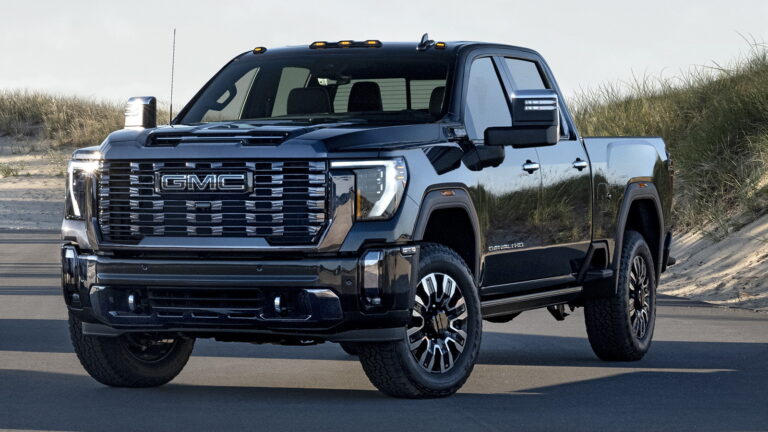
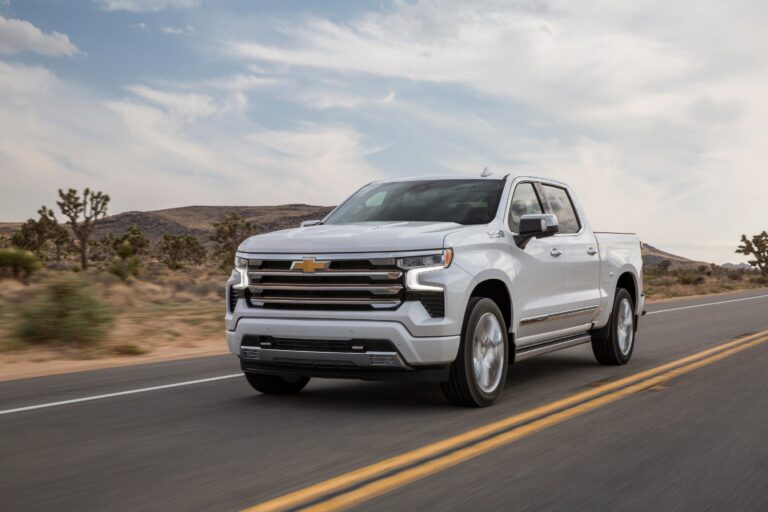
- Chevrolet Silverado HD (2500HD) & GMC Sierra HD (2500HD): Share platforms, offering strong Duramax diesel and powerful gasoline V8 options. Known for their balanced performance and capability.
It’s wise to research common issues and reliability ratings for specific model years you are considering. Websites like Edmunds or Kelley Blue Book offer extensive reviews and owner feedback that can highlight potential problem areas. ()
Where to Find Your Next Used 2500 Pickup Truck
The avenues for finding used 2500 pickup trucks for sale are diverse. Each has its pros and cons.
- Dealerships (New and Used):
- Pros: Often offer certified pre-owned (CPO) options with warranties, financing options, trade-in capabilities, and a wider selection.
- Cons: Generally higher prices due to overhead and reconditioning costs.
- Private Sellers:
- Pros: Potentially lower prices, direct communication with the previous owner (who can provide detailed history).
- Cons: No warranty, "as-is" sales, more risk, and you handle all paperwork.
- Online Marketplaces (e.g., AutoTrader, CarGurus, Facebook Marketplace):
- Pros: Huge selection, easy comparison, national reach.
- Cons: Requires diligent screening to avoid scams, still need to verify sellers.
- Auctions:
- Pros: Opportunity for very low prices.
- Cons: Highest risk, often no opportunity for test drives or thorough inspections, "as-is" sales. Recommended only for experienced buyers.
Negotiating the Best Deal on a Used 2500
Once you’ve found a promising used 2500 pickup truck for sale, it’s time to negotiate. This is where your research pays off.
- Know the Market Value: Use sites like KBB, Edmunds, and NADA Guides to determine the fair market value for the specific make, model, year, mileage, and condition.
- Highlight Imperfections: Any issues found during your DIY inspection or the professional PPI are leverage for negotiation.
- Be Prepared to Walk Away: This is your strongest bargaining chip. Don’t fall in love with a truck before the deal is done.
- Consider the "Out-the-Door" Price: Factor in taxes, fees, and any add-ons. Don’t just focus on the sticker price.
Financing Your Used 2500
Securing financing for a used heavy-duty truck is a common step for many buyers.
- Pre-Approval: Get pre-approved for a loan from your bank or credit union before visiting a dealership. This gives you a clear budget and negotiation power.
- Dealership Financing: Dealerships often have relationships with multiple lenders and can sometimes offer competitive rates, but compare them to your pre-approval.
- Loan Terms: Understand the interest rate, loan term (length of the loan), and total cost of the loan. Longer terms mean lower monthly payments but higher overall interest paid.
Essential Maintenance Tips for Your Used 2500
Once you’ve purchased your used 2500 pickup truck for sale, proactive maintenance is key to its longevity and reliability.
- Baseline Service: Even with service records, it’s a good idea to perform a baseline service. This includes changing all fluids (engine oil, transmission, differentials, coolant), filters (oil, air, fuel), and spark plugs (for gas engines).
- Tire Care: Heavy-duty tires are expensive. Rotate them regularly, maintain proper inflation, and check alignment.
- Brakes: Monitor brake pad wear and rotor condition. Heavy-duty trucks work their brakes hard.
- Transmission & Differential Service: Adhere strictly to the manufacturer’s recommended service intervals for these critical components, especially if you tow frequently.
- Diesel-Specific Maintenance: If you have a diesel, pay extra attention to fuel filter changes, DEF levels, and the health of the emissions system. Ignoring these can lead to very costly repairs.
Regular, preventative maintenance is far cheaper than reactive repairs. Consider investing in an extended warranty if available and if it covers potential high-cost components, especially for diesel trucks.
Common Mistakes to Avoid When Buying a Used 2500
Based on my experience, several pitfalls frequently trip up buyers of used 2500 pickup trucks for sale. Being aware of these can save you significant headaches and money.
- Buying Blindly: Never purchase a truck without a professional pre-purchase inspection, regardless of how good it looks or what the seller claims.
- Ignoring Service Records: A lack of documented maintenance history is a major red flag.
- Overlooking Rust: Especially in colder climates, frame rust can compromise the structural integrity of the truck and lead to expensive repairs.
- Underestimating Running Costs: Remember that heavy-duty trucks have higher fuel, insurance, and maintenance expenses than smaller vehicles.
- Falling for "Too Good to Be True" Deals: If a price seems unusually low, there’s usually a reason. Exercise extreme caution.
- Not Test Driving Under Load: If you plan to tow, try to test drive the truck with a trailer attached (if the seller allows) to truly assess its performance.
Conclusion: Drive Away with Confidence
Finding the right used 2500 pickup truck for sale is a journey that requires patience, research, and due diligence. By understanding your needs, thoroughly inspecting potential vehicles, and being a savvy negotiator, you can drive away with a powerful, reliable workhorse that will serve you well for years to come.
Take your time, ask plenty of questions, and don’t hesitate to seek expert advice. Your perfect heavy-duty truck is out there, ready to tackle any challenge you throw its way. Happy hunting, and may your next adventure be behind the wheel of a truly capable machine!
Internal Link Suggestion 1:
Internal Link Suggestion 2: