The Ultimate Guide to Finding Your Perfect 1-Ton Dually Diesel Truck For Sale
The Ultimate Guide to Finding Your Perfect 1-Ton Dually Diesel Truck For Sale Lmctruck.Guidemechanic.com
Are you in the market for a vehicle that can tackle the toughest jobs, haul the heaviest loads, and provide unwavering reliability? Look no further than the formidable 1-ton dually diesel truck. These beasts of burden are engineered for maximum capability, offering unparalleled stability and immense power for serious towing and hauling.
Finding the right 1-ton dually diesel truck for sale, whether new or used, requires careful consideration and a deep understanding of what makes these trucks special. This comprehensive guide will equip you with the knowledge you need to make an informed decision, ensuring you drive away with the perfect dually that meets all your demanding requirements. Based on my extensive experience in the automotive industry and years of advising heavy-duty truck buyers, this article provides real-world insights and actionable advice.
The Ultimate Guide to Finding Your Perfect 1-Ton Dually Diesel Truck For Sale
Understanding the Powerhouse: What Defines a 1-Ton Dually Diesel?
Before diving into the buying process, it’s crucial to grasp what a 1-ton dually diesel truck truly represents. This isn’t just any pickup; it’s a specialized tool built for specific, heavy-duty purposes.
What Makes a Truck "1-Ton"?
The "1-ton" designation historically referred to the truck’s payload capacity, meaning it could carry 2,000 pounds (one ton) in its bed. While modern 1-ton trucks far exceed this capacity – often boasting payloads of 4,000 to 7,000 pounds or more – the nomenclature has stuck. These trucks are officially categorized as Class 3 heavy-duty pickups, distinguished by their Gross Vehicle Weight Rating (GVWR) which typically ranges from 10,001 to 14,000 pounds.
This high GVWR is a key indicator of its robust construction, including stronger frames, heavier-duty suspension components, and more powerful braking systems compared to lighter-duty trucks. When you see a 1-ton truck, you’re looking at a vehicle designed from the ground up for extreme durability and capacity.
The Indomitable Diesel Advantage
Why diesel? For heavy-duty applications like those a 1-ton truck performs, diesel engines are simply superior. They offer several distinct advantages over their gasoline counterparts, particularly when it comes to sustained hard work.
The primary benefit is torque. Diesel engines produce significantly more torque at lower RPMs, which is precisely what you need to get heavy loads moving and maintain speed on inclines without straining the engine. This translates to effortless towing, even with large fifth-wheel RVs, gooseneck trailers, or commercial equipment.
Furthermore, diesel engines are renowned for their fuel efficiency when under load. While they might not always beat gasoline engines in unloaded city driving, their superior thermal efficiency means they consume less fuel per mile when working hard. This can lead to substantial savings on long hauls. Pro tips from us: Always factor in the cost of diesel fuel, which can fluctuate, but the efficiency under load often offsets the higher per-gallon price.
Finally, diesel engines are built to last. Their robust construction, lower operating RPMs, and inherent design often translate into longer lifespans and greater durability, especially when properly maintained. This makes them a wise investment for those who plan to put many miles on their truck.
The "Dually" Difference: Dual Rear Wheels
The term "dually" refers to the dual rear wheels on each side of the truck’s rear axle, giving it four wheels in the back instead of the standard two. This configuration is a game-changer for heavy towing and hauling, providing crucial benefits.
Firstly, dual rear wheels significantly increase the truck’s stability. With a wider stance and more tire contact with the road, a dually offers superior control and reduces sway, especially when pulling large, heavy trailers in crosswinds or on uneven roads. This enhanced stability contributes directly to driver confidence and safety.
Secondly, the dually setup dramatically increases the truck’s load-carrying capacity. By distributing the weight across four tires instead of two, each tire bears less individual stress. This allows the truck to safely carry heavier payloads in the bed and exert more downward force on the hitch without exceeding tire load limits. Common mistakes to avoid are underestimating the importance of tire capacity; four tires mean more safety margin.
Finally, having extra tires provides a degree of safety redundancy. In the unlikely event of a flat tire on the rear axle while towing, the remaining three tires can often support the load long enough for you to safely pull over. This peace of mind is invaluable when you’re miles from civilization with a precious cargo.
Who Needs a 1-Ton Dually Diesel Truck?
A 1-ton dually diesel truck isn’t for everyone. Its size, power, and specialized capabilities make it ideal for a specific demographic of users. If you frequently tow large fifth-wheel campers, substantial gooseneck trailers, or heavy equipment for commercial or agricultural purposes, then a dually is likely your best option.
Many full-time RVers rely on these trucks to safely transport their mobile homes across the country. Construction companies, farmers, and hotshot haulers also benefit immensely from their robust capabilities. If your towing needs consistently exceed 15,000 pounds, or your payload often pushes past 3,000-4,000 pounds, a 1-ton dually diesel truck is not just a luxury but a necessity for safety and efficiency.
Key Considerations When Buying a 1-Ton Dually Diesel Truck
Purchasing a vehicle of this caliber is a significant investment. Taking the time to evaluate your needs and understand the market will pay dividends in the long run.
New vs. Used: Weighing Your Options
The first major decision you’ll face is whether to buy a brand-new truck or opt for a pre-owned model. Both paths have distinct advantages and disadvantages.
Buying New: A new 1-ton dually diesel truck offers the latest technology, safety features, and often the most advanced towing capabilities. You’ll benefit from a full factory warranty, providing peace of mind against unexpected repairs. Customization options are plentiful, allowing you to spec the truck exactly to your liking, from engine choices to interior comforts. However, new trucks come with a higher upfront cost and experience significant depreciation during the first few years of ownership.
Buying Used: A used 1-ton dually diesel truck can offer substantial savings, making these powerful machines more accessible. Depreciation has already taken its toll, meaning you get more truck for your money. Many well-maintained used diesels have plenty of life left in them, as these engines are built for longevity. The downside is the potential for wear and tear, and the absence of a factory warranty (though some used trucks may offer extended warranties). Thorough inspection and service history are paramount when considering a used model.
Budgeting Beyond the Purchase Price
The sticker price is just the beginning. A 1-ton dually diesel truck comes with a higher total cost of ownership than a standard pickup. Based on my experience, many buyers overlook these critical ongoing expenses.
Factor in higher insurance premiums, which reflect the vehicle’s value and repair costs. Diesel fuel, while efficient under load, can be more expensive per gallon than gasoline. Maintenance costs are also generally higher for diesel engines, requiring specialized parts and fluids (like Diesel Exhaust Fluid, or DEF, for newer models). Registration fees can be higher due to the truck’s weight, and don’t forget the cost of quality tires – replacing six heavy-duty tires is a significant expense.
Towing and Hauling Capacity: Know Your Numbers
This is arguably the most critical factor for a dually buyer. You must understand the various weight ratings to ensure the truck can safely handle your intended load.
Gross Vehicle Weight Rating (GVWR): The maximum permissible weight of the fully loaded truck, including fuel, passengers, cargo, and any accessories.
Gross Combined Weight Rating (GCWR): The maximum permissible weight of the truck and its fully loaded trailer combined.
Payload Capacity: The maximum weight you can safely carry in the truck, including passengers, cargo in the bed, and the tongue weight of a conventional trailer or the pin weight of a fifth-wheel/gooseneck trailer.
Towing Capacity: The maximum weight of a trailer the truck can safely pull. This is usually broken down into conventional, fifth-wheel, and gooseneck towing capacities.
Always consult the specific truck’s door jamb sticker and owner’s manual for its exact ratings, as these can vary greatly depending on cab configuration, axle ratio, and specific options. Pro tips from us: Never rely solely on advertised maximums; calculate your specific truck’s ratings and ensure they exceed your actual needs with a comfortable margin.
Axle Ratios: The axle ratio (e.g., 3.73, 4.10) significantly impacts a truck’s towing capability and fuel economy. A numerically higher ratio (like 4.10) provides more torque for towing but typically results in higher engine RPMs at highway speeds, potentially reducing unloaded fuel efficiency. A lower ratio (like 3.73) offers better unloaded fuel economy but less brute strength for very heavy loads. Choose wisely based on your primary use.
Braking Systems: For heavy towing, robust braking is non-negotiable. Modern diesel trucks often come with exhaust brakes or engine brakes, which use engine compression to slow the vehicle and trailer, reducing wear on service brakes. A factory-integrated trailer brake controller is also essential for safely modulating trailer brakes.
Engine and Transmission Choices
The heart of any 1-ton dually diesel truck is its powertrain. The major players in the market each offer their own renowned diesel engines and robust transmissions.
Popular Diesel Engines:
- Cummins (Ram 3500): Known for its legendary reliability, strong low-end torque, and relatively simple design. The 6.7L Cummins inline-six is a workhorse, favored by many for its durability and power.
- Power Stroke (Ford F-350): Ford’s 6.7L Power Stroke V8 is celebrated for its immense horsepower and torque figures, often leading the pack in raw output. It’s known for smooth operation and strong performance across the RPM range.
- Duramax (Chevrolet Silverado 3500HD / GMC Sierra 3500HD): The 6.6L Duramax V8, paired with the Allison transmission, is a formidable combination. It’s praised for its smooth power delivery, refinement, and excellent durability.
Each engine has its loyal following and specific characteristics. Researching user reviews and common issues for each specific engine generation you’re considering is highly recommended.
Transmissions: Most modern 1-ton dually diesel trucks come with advanced automatic transmissions, typically 6-speed, 8-speed, or even 10-speed units. These are engineered to handle massive torque and provide seamless power delivery. Manual transmissions are rare in new trucks but can be found in older used models. While a manual offers greater control, an automatic with a tow/haul mode is often more practical and efficient for heavy towing.
Cab and Bed Configurations
Your lifestyle and usage will dictate the best cab and bed combination.
- Regular Cab: Two doors, single row of seating. Best for work trucks where maximum bed length and maneuverability are priorities, and extra passenger space isn’t needed.
- Extended/Quad Cab: Typically 2 full-size front doors and 2 smaller rear doors, or suicide doors. Offers a bit more interior storage or occasional rear passenger space.
- Crew Cab: Four full-size doors and ample rear seating. This is the most popular choice for families, full-time RVers, and those needing to transport a crew, offering the most comfortable interior.
Bed Lengths:
- Short Bed (approx. 6.5 feet): More maneuverable for daily driving, but limits cargo space and might not accommodate larger fifth-wheel hitches without specific considerations for cab clearance.
- Long Bed (approx. 8 feet): Essential for maximizing cargo capacity and providing ample clearance for fifth-wheel and gooseneck hitches, especially with a crew cab. Most dually trucks are sold with long beds due to their intended purpose.
Trim Levels and Features
1-ton dually diesel trucks range from bare-bones work trucks to luxurious cruisers. Entry-level trims (e.g., Ford XL, Ram Tradesman, Chevy WT) are designed for utility, offering vinyl seats and basic amenities. Mid-range trims add comfort features like cloth seats, touchscreen infotainment, and power accessories. High-end trims (e.g., Ford Platinum/Limited, Ram Laramie Longhorn/Limited, Chevy High Country/GMC Denali) rival luxury sedans in terms of interior materials, advanced technology, and comfort features like heated/ventilated seats, premium audio, and extensive driver-assist systems.
Consider your budget and priorities. A work truck doesn’t need all the bells and whistles, but if you’re spending long hours on the road or traveling with family, comfort and convenience features can make a huge difference.
Inspection and Test Drive (Especially for Used Trucks)
This step cannot be overstressed, especially when considering a used 1-ton dually diesel truck for sale. A thorough inspection is non-negotiable.
Pre-Purchase Inspection (PPI): Always arrange for a certified independent mechanic specializing in diesel trucks to perform a comprehensive PPI. They can identify potential issues that might not be visible to the untrained eye, such as transmission problems, engine leaks, frame damage, or issues with the diesel particulate filter (DPF) or exhaust aftertreatment system. This small investment can save you thousands down the road.
Test Drive: Don’t just drive it around the block. Take it on the highway, accelerate, brake, and listen for any unusual noises. If possible, test drive it with a load similar to what you intend to tow. This will give you the most accurate feel for its true capabilities and reveal any drivetrain issues under stress. Pay close attention to how the transmission shifts, how the brakes feel, and the overall ride quality.
Service Records: Always request complete service records. A well-documented maintenance history indicates a responsible owner and can reveal potential recurring issues or recent major repairs. Look for consistent oil changes, fuel filter replacements, and any work related to the emissions system.
Popular Brands and Models to Consider
The heavy-duty truck market is dominated by three main manufacturers, each offering robust 1-ton dually diesel trucks for sale.
Ram 3500 Dually (with Cummins Engine)
The Ram 3500 Dually, powered by the legendary Cummins 6.7L Turbo Diesel engine, is a perennial favorite among heavy haulers. It’s renowned for its incredible towing capacity, often leading the segment, and its sturdy, reliable powertrain. Ram trucks also offer some of the most luxurious and feature-rich interiors in the class, particularly in higher trim levels. The coil-spring rear suspension (on some models) can provide a surprisingly comfortable ride for a heavy-duty truck.
Ford F-350 Super Duty Dually (with Power Stroke Engine)
Ford’s F-350 Super Duty Dually, equipped with the potent 6.7L Power Stroke V8 diesel engine, is another titan in the segment. Ford consistently pushes the boundaries of power and torque, making the F-350 an excellent choice for those demanding maximum performance. The Super Duty line is known for its robust frame, advanced technology features, and a wide array of options for customization, from work-ready configurations to opulent luxury.
Chevrolet Silverado 3500HD / GMC Sierra 3500HD Dually (with Duramax Engine)
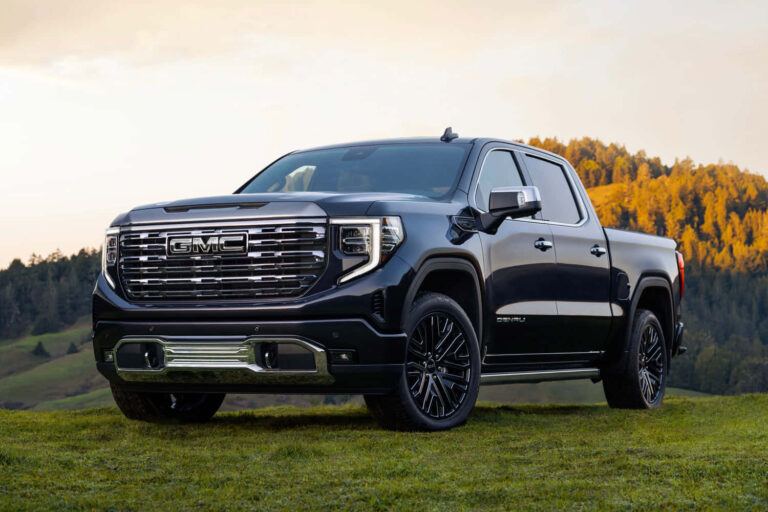
The Chevrolet Silverado 3500HD and its upscale sibling, the GMC Sierra 3500HD Dually, are powered by the reliable 6.6L Duramax V8 diesel, paired with the segment-leading Allison 10-speed automatic transmission. This combination is praised for its smooth, refined power delivery and exceptional durability. GM’s heavy-duty trucks offer a comfortable ride, intuitive technology, and a strong emphasis on driver-assist features, making them a great choice for long hauls and daily driving alike.
Where to Find 1-Ton Dually Diesel Trucks For Sale
Once you’ve narrowed down your preferences, it’s time to start the hunt. There are several avenues to explore.
Dealerships (New & Used)
Authorized dealerships for Ford, Ram, and Chevrolet/GMC are excellent places to find new 1-ton dually diesel trucks. They offer warranties, financing options, and a wide selection. Many dealerships also have certified pre-owned (CPO) programs for used trucks, which provide additional warranties and rigorous inspections, though at a slightly higher price than private sales. Independent used truck dealerships also specialize in heavy-duty vehicles.
Online Marketplaces
The internet has revolutionized truck shopping. Websites like Autotrader, Cars.com, and CarGurus aggregate listings from dealerships and private sellers across the country, allowing you to compare prices and features from a vast inventory. eBay Motors is another option, particularly for unique or specialized trucks. Facebook Marketplace has also become a popular platform for local private sales.
Auctions
For those willing to take on a bit more risk for potentially significant savings, auctions can be a good source. Government auctions (e.g., surplus vehicles), commercial vehicle auctions, and even some private auctions can offer dually trucks. However, inspections can be limited, and vehicles are often sold "as-is," so proceed with caution and bring an expert.
Private Sellers
Buying from a private seller can often result in a better deal, as you cut out the dealership markup. You might also gain a clearer understanding of the truck’s history directly from the owner. However, private sales offer fewer protections than dealership purchases. Always perform a thorough inspection, request service records, and meet in a safe, public location.
The Buying Process: A Step-by-Step Guide
Navigating the purchase of a 1-ton dually diesel truck requires a systematic approach.
- Define Your Needs: Clearly identify your primary use case (e.g., RV towing, commercial hauling, farm work) and quantify your maximum expected towing and payload weights. This will guide your search for appropriate capacities.
- Set Your Budget: Determine not just the purchase price, but also account for insurance, fuel, maintenance, and potential upgrades. Get pre-approved for financing if needed, so you know your limits.
- Research and Find Potential Trucks: Use online resources, visit dealerships, and explore private listings. Compare models, features, and prices that align with your needs and budget.
- Inspect and Test Drive: As emphasized earlier, this step is critical. For used trucks, a professional pre-purchase inspection is non-negotiable. Always take a thorough test drive, ideally with a load.
- Negotiate the Price: Be prepared to negotiate, whether at a dealership or with a private seller. Research market values (using sites like Kelley Blue Book or Edmunds) to ensure you’re getting a fair deal.
- Financing and Paperwork: Finalize your financing and carefully review all paperwork before signing. Understand the terms of sale, warranty (if any), and title transfer procedures.
- Post-Purchase Considerations: Arrange for insurance coverage, register the vehicle, and schedule any immediate maintenance or accessory installations (e.g., fifth-wheel hitch, bed liner).
Common Mistakes to Avoid When Buying a Dually Diesel
Based on my experience, certain pitfalls commonly trip up buyers of these specialized trucks.
- Underestimating Total Cost of Ownership: Don’t just focus on the purchase price. Diesel fuel, DEF, specialized maintenance, higher insurance, and six tires add up quickly.
- Not Verifying Capacity for Your Specific Needs: Relying on general "1-ton" capabilities without checking the exact GVWR, GCWR, payload, and towing capacity for the specific truck you’re looking at is a recipe for disaster. Ensure it exceeds your heaviest load.
- Skipping a Pre-Purchase Inspection (PPI): This is the single biggest mistake for used truck buyers. A qualified diesel mechanic can uncover hidden issues that save you thousands.
- Ignoring Service History: A lack of maintenance records is a huge red flag. Consistent service is vital for the longevity of a diesel engine and its complex emissions systems.
- Rushing the Decision: Buying a 1-ton dually diesel truck is a major investment. Take your time, do your research, and don’t feel pressured into a quick sale.
Pro Tips for Dually Diesel Ownership
Once you’ve acquired your dream 1-ton dually diesel truck, proper ownership practices will ensure its longevity and performance.
- Regular Maintenance is Key: Diesel engines require diligent maintenance. Stick to the manufacturer’s recommended service schedule, paying close attention to oil changes, fuel filter replacements, and checking DEF levels (if applicable). Neglecting these can lead to costly repairs.
- Understand Your Tires: With six tires, proper tire pressure is paramount for safety, stability, and tire longevity. Regularly check and adjust pressure according to the manufacturer’s recommendations, especially when loaded. Rotate your tires as recommended to ensure even wear.
- Learn to Drive and Maneuver with Duals: A dually is wider than a standard truck. Be mindful of its dimensions, especially in tight parking lots, drive-thrus, and narrow roads. Practice backing up with a trailer if you’re new to heavy towing.
- Proper Loading Techniques: Always distribute your payload evenly in the truck bed and ensure the trailer is properly balanced to prevent sway and excessive tongue/pin weight. Overloading or improper loading can compromise safety and damage your truck.
- Invest in Quality Accessories: A robust fifth-wheel or gooseneck hitch, a reliable trailer brake controller, and appropriate weight distribution hitches are essential safety and performance accessories for heavy towing. Don’t skimp on these critical components.
Your Journey to the Perfect Dually Starts Now
Finding the right 1-ton dually diesel truck for sale is an exciting journey that culminates in owning one of the most capable vehicles on the road. By understanding their unique advantages, carefully considering your needs, thoroughly inspecting potential purchases, and committing to proper ownership, you’ll be well-equipped to make an intelligent investment.
Whether you’re embarking on cross-country RV adventures, managing a demanding commercial fleet, or simply need unparalleled power and stability, a dually diesel truck is a tool that won’t let you down. Use this guide as your roadmap, and you’ll soon be confidently navigating the roads with the ultimate heavy-duty hauler.