The Ultimate Guide to Finding the Best 3/4 Ton Truck for Plowing: Your Definitive Partner in Snow Removal
The Ultimate Guide to Finding the Best 3/4 Ton Truck for Plowing: Your Definitive Partner in Snow Removal Lmctruck.Guidemechanic.com
Winter brings a unique set of challenges, especially for property owners and commercial operators tasked with keeping driveways, parking lots, and roads clear. When the snow starts falling heavily, you need more than just a truck; you need a formidable partner capable of tackling the toughest conditions. This is where the mighty 3/4 ton truck shines, offering that sweet spot of power, durability, and maneuverability specifically tailored for snow plowing.
Choosing the best 3/4 ton truck for plowing isn’t a decision to be taken lightly. It requires careful consideration of engine performance, chassis strength, electrical systems, and much more. Based on my extensive experience in the snow removal industry, investing in the right truck can significantly impact your efficiency, safety, and ultimately, your bottom line. This comprehensive guide will arm you with all the knowledge you need to make an informed choice, ensuring your next snow season is your most productive yet.
The Ultimate Guide to Finding the Best 3/4 Ton Truck for Plowing: Your Definitive Partner in Snow Removal
Why a 3/4 Ton Truck is Your Ideal Plowing Companion
Many might wonder why a 3/4 ton truck (often designated as 2500 or F-250) is so frequently recommended over its lighter 1/2 ton or heavier 1-ton counterparts for plowing duties. The answer lies in its unique balance of capabilities, perfectly suited for the demands of moving significant amounts of snow.
A 3/4 ton truck offers a substantially higher payload capacity compared to a 1/2 ton. This increased capacity is crucial for safely carrying the weight of a heavy snow plow, which can range from 600 to over 1,000 pounds. Attempting to mount a heavy plow on a 1/2 ton truck can dangerously overload its front axle, affecting steering, braking, and overall vehicle stability.
Furthermore, these trucks come equipped with heavy-duty suspensions, stronger frames, and more robust powertrains designed to withstand continuous strenuous work. This inherent durability translates into a longer lifespan for your vehicle, even under the punishing conditions of constant plowing. You’re getting the muscle without the excessive bulk or cost often associated with a 1-ton truck, making it a highly practical and economical choice for most plowing operations.
Key Considerations When Choosing Your Plowing Partner
Selecting the perfect 3/4 ton truck for plowing involves dissecting several critical components and features. Each element plays a vital role in the truck’s overall plowing performance and longevity.
1. Engine Power and Torque: The Heart of Your Operation
The engine is arguably the most critical component of any plowing truck. You need an engine that can deliver ample low-end torque to push heavy loads of snow without straining, and enough horsepower for maneuvering and highway travel.
- Gasoline Engines: Modern gasoline engines in 3/4 ton trucks are incredibly capable. They often offer quicker warm-up times, which can be beneficial on cold winter mornings, and generally have lower upfront costs. Many come with impressive horsepower figures, but it’s the torque curve at lower RPMs that truly matters for plowing. Look for larger displacement V8s that are specifically tuned for heavy-duty applications.
- Diesel Engines: For serious, continuous plowing, a diesel engine is often the preferred choice. Diesels are renowned for their exceptional low-end torque, which allows them to effortlessly push massive snowbanks without bogging down. They also tend to be more fuel-efficient under load and are built for incredible longevity, often outlasting their gasoline counterparts in demanding commercial use. The initial investment is higher, but the long-term benefits in terms of performance and durability can easily justify the cost.
Pro tip from us: While horsepower numbers look good on paper, focus more on the torque output, especially peak torque at low RPMs (around 1,500-2,000 RPM). This is where your truck will spend most of its time when pushing snow.
2. Transmission: Smooth Shifting Under Pressure
A robust, heavy-duty automatic transmission is essential for a plowing truck. It needs to handle constant shifting, often under heavy load, without overheating or premature wear.
Look for transmissions designed for towing and heavy-duty work, often featuring multiple gears (6-speed, 8-speed, or 10-speed automatics are common). These transmissions help keep the engine in its optimal power band and distribute power efficiently. Torque converters designed for heavy-duty applications are also a significant advantage, as they help manage the stress of frequent stopping and starting with a heavy plow attached.
3. Suspension and Chassis: Built to Endure
The foundation of any good plowing truck is its heavy-duty suspension and robust chassis. These components bear the brunt of the plow’s weight and the stresses of pushing snow.
- Heavy-Duty Suspension: Look for trucks equipped with heavy-duty front springs, often coil or leaf spring setups, that can comfortably support the plow’s weight without excessive sag. Rear suspension also needs to be robust, particularly if you plan on carrying a salt spreader or other equipment in the bed. Many 3/4 ton trucks offer optional "snow plow prep packages" that include stiffer front springs, upgraded alternators, and sometimes unique wiring harnesses.
- Frame Strength: A fully boxed frame is ideal, offering superior rigidity and strength compared to open C-channel designs. This translates into better handling, reduced flex, and greater durability under the constant strain of plowing.
4. Payload and GVWR: Know Your Limits
Understanding your truck’s Gross Vehicle Weight Rating (GVWR) and payload capacity is non-negotiable. The GVWR is the maximum permissible total weight of your fully loaded truck, including the vehicle itself, passengers, cargo, and the plow.
Your payload capacity dictates how much weight your truck can safely carry. This is critical for accommodating the weight of the plow, any additional equipment like a spreader, and even the driver and passengers. Exceeding these limits is not only unsafe but can also void warranties and lead to costly repairs. Always check the specific truck’s door jamb sticker for its exact payload capacity.
5. 4×4 System: Unstoppable Traction
A reliable 4×4 (four-wheel drive) system is absolutely essential for plowing. You’ll encounter slippery conditions, deep snow, and uneven terrain, where two-wheel drive simply won’t suffice.
Most 3/4 ton trucks offer both part-time 4×4 systems (selectable 2WD, 4-High, 4-Low) and sometimes automatic 4WD modes. A low-range gear (4-Low) is particularly useful for maneuvering in deep snow or when you need maximum torque at very slow speeds. Ensure the 4×4 system engages smoothly and reliably, as you’ll be using it constantly.
6. Electrical System: Powering Your Plow and Accessories
Modern snow plows are hydraulically operated and rely heavily on the truck’s electrical system for power. You’ll need a robust alternator to handle the continuous draw from the plow’s hydraulic pump, lights, and potentially other accessories like a salt spreader.
Many snow plow prep packages include an upgraded, high-output alternator to prevent battery drain and ensure consistent power delivery. Dual batteries are also a significant advantage, providing extra reserve power for cold starts and heavy electrical loads.
7. Plow Prep Package: Factory-Built for Plowing
If you’re buying a new truck, always opt for the factory "snow plow prep package" if available. These packages are specifically designed by the manufacturer to prepare the truck for plowing.
They typically include:
- Stiffer front springs (to counteract plow weight).
- Heavy-duty alternator.
- Auxiliary transmission cooler (to prevent overheating).
- Special wiring harness for plow controls.
- Sometimes a skid plate for underbody protection.
These factory options are usually more integrated and reliable than aftermarket additions, ensuring your truck is truly ready for the demands of plowing.
8. Cab Style and Wheelbase: Maneuverability Matters
While a larger cab might be comfortable, consider its impact on maneuverability. A shorter wheelbase (e.g., regular cab or extended cab with a short bed) generally offers better turning radius and agility, which is invaluable when navigating tight driveways or complex parking lots.
However, a longer wheelbase can provide more stability on the road and better weight distribution if you’re carrying a heavy spreader in the back. It’s a trade-off, so assess your primary plowing environment.
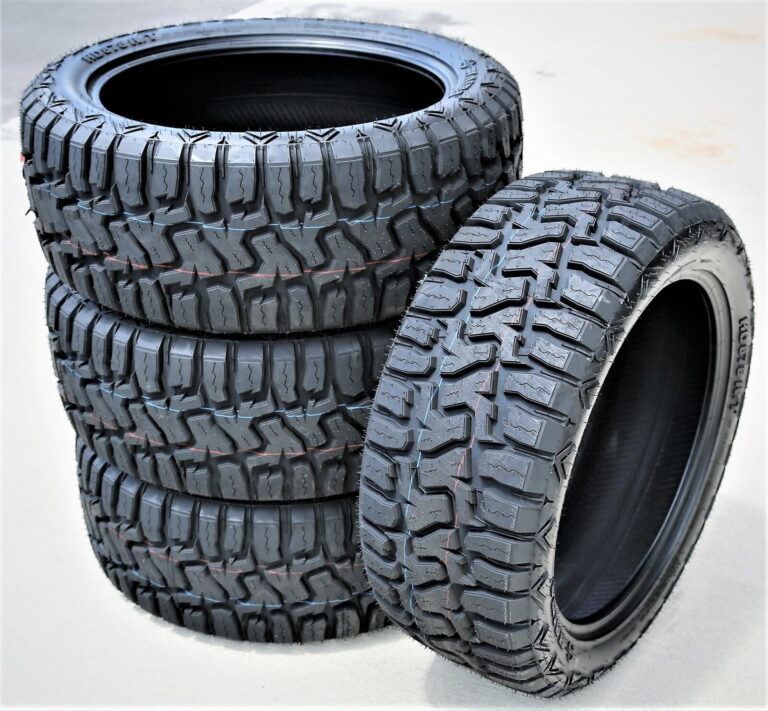
9. Tires: Your Only Contact with the Ground
The best truck in the world is useless without proper traction. High-quality winter tires or aggressive all-terrain tires with a "three-peak mountain snowflake" (3PMSF) rating are crucial. These tires are designed to grip in snow and ice, providing the traction needed to push heavy loads and prevent slipping.
Based on my experience, never skimp on tires for a plowing rig. They are your first line of defense against getting stuck and can significantly improve safety and efficiency.
The Contenders: Top 3/4 Ton Trucks for Plowing
While personal preference plays a role, three manufacturers consistently dominate the 3/4 ton segment, offering highly capable trucks for snow removal.
1. Ford F-250 Super Duty
The Ford F-250 Super Duty is a perennial favorite in the heavy-duty truck segment, and for good reason. It offers a formidable combination of power, durability, and advanced features that make it an excellent choice for plowing.
- Engine Options: Ford offers potent engine choices, including the 7.3L "Godzilla" V8 gasoline engine, which delivers impressive horsepower and torque suitable for most plowing tasks. For maximum pulling and pushing power, the 6.7L Power Stroke V8 Turbo Diesel is an absolute beast, providing immense low-end torque that makes short work of even the heaviest snowfalls.
- Chassis & Suspension: The F-250’s fully boxed high-strength steel frame provides an incredibly robust foundation. When equipped with the snow plow prep package, it comes with heavy-duty front springs and an upgraded alternator, ensuring it can handle the stress of a heavy plow.
- Technology: Ford’s integrated technology, like the available Pro Trailer Backup Assist (useful for backing up a trailer or even just maneuvering the truck), and various camera systems, can enhance visibility and ease of operation in challenging conditions.
Pro tip: Many F-250 owners rave about the Power Stroke diesel for its longevity and fuel efficiency under load, making it a strong contender for commercial operations.
2. Ram 2500 Heavy Duty
Ram has made significant strides in recent years, offering a compelling package of power, comfort, and capability in its 2500 Heavy Duty line-up. It’s a serious contender for anyone seeking a premium plowing experience.
- Engine Options: The standard 6.4L HEMI V8 gasoline engine is a powerful and reliable choice, offering ample horsepower and torque for demanding plowing tasks. For those who demand the ultimate in power and durability, the legendary 6.7L Cummins Turbo Diesel I6 engine is hard to beat. Its unparalleled low-end torque is perfect for pushing heavy snow for hours on end.
- Ride Quality & Suspension: One of Ram’s standout features is its available coil-spring rear suspension (or optional air suspension), which provides a remarkably smooth ride for a heavy-duty truck without compromising capability. This can significantly reduce driver fatigue during long plowing shifts. When equipped with the snow plow prep package, it gets the necessary upgrades to handle the front-mounted weight.
- Interior & Features: Ram trucks are known for their upscale interiors and advanced infotainment systems, offering a comfortable and connected workspace. Features like the available 360-degree camera system can be incredibly helpful for navigating tight spaces with a plow attached.
Common mistake to avoid: While the air suspension offers a great ride, some plowers prefer the simplicity and robustness of traditional coil or leaf springs for extreme duty, especially if maintenance costs are a concern. Discuss options with your dealer.
3. Chevrolet Silverado 2500HD / GMC Sierra 2500HD
Chevrolet and GMC’s 2500HD trucks are twins under the skin, offering powerful engines and a no-nonsense approach to heavy-duty work. They are a staple in many commercial fleets for their reliability and strong performance.
- Engine Options: Both trucks offer the venerable 6.6L V8 gasoline engine, providing robust power for plowing. For those who need maximum torque and durability, the 6.6L Duramax V8 Turbo Diesel engine is a powerhouse, paired with an Allison 10-speed automatic transmission. This combination is highly respected in the industry for its exceptional performance and longevity under heavy loads.
- Build Quality: These trucks are known for their strong, fully boxed frames and heavy-duty components. The "snow plow prep package" for the Silverado/Sierra 2500HD includes heavy-duty front springs, an upgraded alternator, and skid plates, ensuring it’s ready for winter’s worst.
- Practicality: The GM trucks often boast excellent visibility from the driver’s seat and user-friendly controls, which are important when operating a plow in adverse conditions. The integrated bed steps and CornerStep bumper can also be surprisingly useful.
Based on my experience, the Duramax/Allison combination is one of the most reliable and capable powertrains available for heavy-duty work, making it a top choice for commercial snow removal.
Essential Upgrades & Accessories for Optimal Plowing
Even the best 3/4 ton truck benefits from a few key upgrades and accessories to maximize its plowing potential and ensure safety.
- Heavy-Duty Battery: A strong battery is crucial for starting in frigid temperatures and powering your plow’s hydraulics. Consider an aftermarket heavy-duty battery or a dual battery setup if your truck doesn’t have one.
- Auxiliary Lighting: Stock headlights often aren’t enough when plowing in the dark or during whiteout conditions. Invest in high-quality LED plow lights, fog lights, and possibly rear work lights for improved visibility.
- Reinforced Suspension Components (If Not Factory-Equipped): If your truck didn’t come with a plow prep package, consider upgrading your front springs or adding helper springs to manage the plow’s weight more effectively.
- Winter Tires: As mentioned earlier, dedicated winter tires are a game-changer for traction on snow and ice. They offer superior grip compared to all-season or even many all-terrain tires.
- Receiver Hitch for Rear Equipment: If you plan on using a tailgate spreader for salt or sand, ensure your truck has a robust receiver hitch capable of handling the weight.
- Underbody Protection: Skid plates can protect vital components like the oil pan, transmission, and transfer case from impacts with ice chunks or hidden obstacles.
Plowing Best Practices & Maintenance Tips
A great truck needs proper care and operational knowledge to perform its best and last for years.
- Pre-Season Check-Up: Before the first snowfall, perform a thorough inspection. Check all fluids (engine oil, transmission fluid, coolant, brake fluid, hydraulic fluid for the plow), inspect belts and hoses, test all lights (truck and plow), and ensure your battery is fully charged. Lubricate all grease points on the plow.
- During-Season Maintenance: Regularly check tire pressure, especially as temperatures fluctuate. Keep an eye on fluid levels and top them off as needed. After each significant plowing event, clear snow and ice from the plow and truck, and inspect for any damage.
- Post-Season Storage: Thoroughly clean your truck and plow after the winter. Remove the plow, clean it, lubricate all moving parts, and apply a rust preventative coating. Store the plow in a dry place. Clean and wax your truck’s exterior to protect against road salt corrosion.
- Common Mistakes to Avoid:
- Ignoring Plow Weight Limits: Never exceed your truck’s front axle or GVWR limits.
- Plowing Too Fast: Speed can cause damage to your truck, plow, and the property you’re clearing. Slow and steady wins the race.
- Neglecting Rust Prevention: Road salt is incredibly corrosive. Regularly wash your truck, especially the undercarriage, and consider rustproofing treatments.
- Overlooking Hydraulic Fluid: The plow’s hydraulic system needs fresh, clean fluid. Check it frequently.
Pro Tips from Our Experience
- Weight Distribution is Key: When mounting a plow, consider adding ballast weight to the rear of your truck if necessary, especially if you have a short bed and no spreader. This helps balance the truck, improve rear tire traction, and reduce stress on the front suspension. However, always stay within your GVWR.
- Keep Spares Handy: A spare set of plow cutting edges, shear pins, and some basic tools can save you a trip back to the shop in the middle of a storm.
- Hydraulic Fluid Checks: Your plow’s hydraulic fluid needs to be checked regularly and changed according to the manufacturer’s recommendations. Dirty or low fluid can lead to poor plow performance and costly repairs.
- Choose the Right Plow for Your Truck: Not all plows are created equal, and not all plows are right for every truck. Ensure the plow you select is properly sized and weighted for your specific 3/4 ton model. For a deeper dive into choosing the right plow blade, check out our guide on "Selecting the Perfect Snow Plow for Your Truck" (Internal Link 1).
- Invest in Training: If you’re new to plowing, consider getting some professional training. Proper plowing techniques can dramatically increase efficiency and prevent damage.
Making Your Decision: A Step-by-Step Guide
- Assess Your Needs: How much snow do you typically deal with? What type of properties will you be plowing (residential driveways, large commercial lots, rural roads)? This will influence your engine choice, cab style, and plow size.
- Set a Realistic Budget: New 3/4 ton trucks are a significant investment. Factor in the cost of the truck, the plow, installation, and ongoing maintenance. Used trucks can be a great option but require thorough inspection.
- Test Drive: Take your top choices for a test drive. Pay attention to steering feel, braking, and overall comfort. If possible, test drive a truck that already has a plow frame mounted to get a feel for the added weight.
- Consult with Experts: Talk to dealers, experienced plowers, and mechanics. They can offer valuable insights specific to your region and needs.
- Consider Resale Value: Ford, Ram, and Chevrolet/GMC 3/4 ton trucks generally hold their value well, especially diesel models, which is a factor to consider for future upgrades.
Conclusion: Your Winter Warrior Awaits
Selecting the best 3/4 ton truck for plowing is a critical decision that will impact your productivity, safety, and comfort throughout the winter months. By focusing on key elements like engine power, a robust chassis, adequate payload capacity, and a reliable 4×4 system, you can confidently choose a vehicle that will stand up to the harshest snowfalls.
The Ford F-250 Super Duty, Ram 2500 Heavy Duty, and Chevrolet/GMC 2500HD all offer exceptional platforms, each with their unique strengths. Your ultimate choice will depend on your specific needs, budget, and personal preferences. Remember to prioritize durability, power, and the appropriate snow plow prep packages to ensure your truck is a true winter warrior. With the right 3/4 ton truck leading the charge, you’ll be well-equipped to conquer any snow event Mother Nature throws your way. Now, get out there and make those driveways sparkle! For more detailed specifications on specific models, you can always check manufacturers’ official websites, such as the Ford F-250 Super Duty page.