The Ultimate Guide to Choosing the Best Truck for Camper Towing: Your Road to Adventure Starts Here
The Ultimate Guide to Choosing the Best Truck for Camper Towing: Your Road to Adventure Starts Here Lmctruck.Guidemechanic.com
Embarking on a camper adventure promises freedom, breathtaking scenery, and unforgettable memories. But before you hit the open road, there’s one crucial decision that can make or break your journey: choosing the right truck for camper towing. This isn’t just about pulling a trailer; it’s about safety, stability, fuel efficiency, and peace of mind. As an experienced traveler and professional in the RV industry, I’ve seen countless setups, both successful and disastrous. My mission today is to equip you with the knowledge to select the absolute best truck for your specific camper, ensuring every trip is a joy, not a struggle.
Navigating the world of towing capacities, payload ratings, and engine types can feel overwhelming. Many prospective RVers make costly mistakes by underestimating their needs or misunderstanding key specifications. This comprehensive guide will demystify the process, providing you with an in-depth understanding of what truly matters when pairing a truck with your beloved camper. Let’s dive in and ensure your towing setup is not only capable but perfectly matched for the adventures ahead.
The Ultimate Guide to Choosing the Best Truck for Camper Towing: Your Road to Adventure Starts Here
Why Choosing the Right Tow Vehicle is Non-Negotiable
The importance of matching your truck to your camper cannot be overstated. It’s the cornerstone of a safe, efficient, and enjoyable towing experience. An improperly matched truck can lead to a host of problems, from dangerous instability on the highway to excessive wear and tear on your vehicle, ultimately costing you more in repairs and potentially jeopardizing your safety.
Imagine driving through mountains with an underpowered truck, struggling to maintain speed and control. Or picture a sudden crosswind on the open plains, causing your lightweight truck to sway precariously. These scenarios are not only stressful but can lead to accidents. A well-matched truck, conversely, provides stability, sufficient power for various terrains, and the braking capability to handle emergencies. It transforms towing from a chore into a confident and secure part of your travel experience.
Demystifying Key Towing Terminology: Know Your Numbers
Before you even start looking at trucks, it’s absolutely critical to understand the language of towing. These terms aren’t just technical jargon; they are the fundamental numbers that dictate what your truck can safely handle. Based on my experience, a lack of understanding here is the most common reason for improper truck-to-trailer matching.
Gross Vehicle Weight Rating (GVWR)
This is the maximum allowable weight of the fully loaded vehicle itself, including the truck’s curb weight, all passengers, cargo, fuel, and the tongue weight (or pin weight) of your trailer. Every truck has a specific GVWR, usually found on a sticker inside the driver’s door jamb. Exceeding this limit compromises handling, braking, and can void warranties.
Think of GVWR as the total weight your truck’s chassis, axles, and suspension can safely support. It’s a comprehensive figure that ensures the structural integrity of your vehicle isn’t compromised. Always remember that the tongue weight of your camper directly contributes to your truck’s GVWR.
Gross Combined Weight Rating (GCWR)
The GCWR is the absolute maximum allowable weight of the entire combination – the fully loaded truck and the fully loaded trailer – as specified by the manufacturer. This is arguably the most important number for overall towing capacity, as it considers the power train’s ability to move, and more critically, stop the entire rig.
Exceeding the GCWR means you’re asking your engine, transmission, and brakes to perform beyond their design limits. This is a significant safety concern and can lead to overheating, premature component failure, and dangerous loss of control, especially when descending grades.
Towing Capacity
Often the most advertised and misunderstood number, towing capacity refers to the maximum weight a truck can pull. However, this figure is typically calculated under ideal conditions with a bare-bones truck and a lightweight driver. It’s a starting point, not an end-all be-all.
The actual, usable towing capacity for your specific setup will be significantly lower once you factor in passengers, cargo, optional equipment on the truck, and the actual loaded weight of your camper. Always consider towing capacity in conjunction with payload capacity and GCWR.
Payload Capacity
This is another critical figure that’s frequently overlooked. Payload capacity is the maximum amount of weight a truck can carry in its cab and bed. This includes you, your passengers, all your gear, and, crucially, the tongue weight (or pin weight) of your camper.
Payload capacity is calculated by subtracting the truck’s curb weight (the weight of the truck itself with a full tank of fuel) from its GVWR. If your camper has a tongue weight of 1,000 lbs, and you add 400 lbs for passengers and gear, you’ve already consumed 1,400 lbs of your truck’s payload before even considering other items in the bed. This is where many half-ton trucks reach their limits quickly, even if their advertised towing capacity seems sufficient.
Tongue Weight / Pin Weight
For travel trailers (bumper pull), tongue weight is the downward force exerted by the trailer’s hitch onto the truck’s receiver hitch. For safe towing, it should ideally be 10-15% of the trailer’s total loaded weight. For fifth-wheel trailers, it’s called pin weight and is typically 15-25% of the trailer’s loaded weight, sitting directly over the truck’s rear axle.
An incorrect tongue/pin weight can lead to severe handling issues. Too little weight causes sway, while too much can overload the truck’s rear axle and suspension. Always measure your actual tongue/pin weight with your camper loaded for travel.
Curb Weight
This is the weight of the truck as it rolls off the assembly line, with all standard equipment, a full tank of fuel, and no passengers or cargo. It’s the base weight from which payload capacity is calculated.
Different trim levels and optional features (like larger engines, four-wheel drive, sunroofs, etc.) will increase the truck’s curb weight, thereby reducing its available payload capacity. A fully loaded luxury trim will always have less available payload than a base model of the same truck.
The Crucial First Step: Know Your Camper’s True Weight
Before you even glance at a truck, you must absolutely, unequivocally know the weight of your camper. This is the foundation of selecting the right tow vehicle. Many first-time buyers make the mistake of using the "dry weight" or "unloaded vehicle weight" (UVW) listed by the manufacturer. This is a common mistake to avoid.
The dry weight is what the camper weighs empty, without propane, water, batteries, food, clothing, or any of your personal gear. Your camper will never be at its dry weight when you’re traveling. You must use the camper’s Gross Vehicle Weight Rating (GVWR) as your primary reference for its maximum loaded weight. This number represents the most your camper can weigh when fully loaded with all your essentials.
Pro tip from us: Always assume you’ll load your camper close to its GVWR. Even if you think you travel light, water alone adds 8.3 lbs per gallon, and propane tanks, batteries, and basic camping gear add up fast. For fifth wheels, also look for the Gross Axle Weight Rating (GAWR) to ensure your axles can handle the load.
Once you have your camper’s GVWR, you can calculate a realistic tongue weight (10-15% of GVWR for travel trailers, 15-25% for fifth wheels) and use that figure to determine your truck’s required payload capacity. This critical step ensures you don’t end up with an under-specced truck, which could compromise safety and performance.
Truck Classifications and What They Mean for Camper Towing
Trucks are categorized by their "ton" ratings, which historically indicated their hauling capacity. While these names are now more indicative of a class than an exact weight, they still provide a useful framework for understanding towing capability.
Half-Ton Trucks (150/1500 Series)
These are the most popular trucks on the road, including models like the Ford F-150, Chevy Silverado 1500, Ram 1500, Toyota Tundra, and Nissan Titan. They offer a good balance of daily drivability, comfort, and decent towing capacity.
Half-tons are generally best suited for smaller to mid-sized travel trailers, pop-ups, and lighter hybrid campers. Many modern half-tons, especially when equipped with specific max-tow packages, can pull up to 12,000-14,000 lbs. However, their primary limitation is often payload capacity. While they can pull the weight, they might not be able to carry the tongue weight of a heavy trailer along with passengers and gear. Always check the specific truck’s yellow sticker on the door jamb for its exact payload.
Three-Quarter Ton Trucks (250/2500 Series)
Stepping up to a three-quarter ton truck, such as the Ford F-250, Chevy Silverado 2500HD, or Ram 2500HD, brings a significant increase in towing and payload capabilities. These trucks are designed with heavier-duty frames, suspensions, axles, and brakes.
They are the sweet spot for many RVers, comfortably handling larger travel trailers, toy haulers, and smaller to mid-sized fifth-wheel campers. Their increased payload capacity makes them much more versatile for carrying the heavier tongue/pin weights associated with these larger rigs, while still offering a relatively comfortable ride when not towing.
One-Ton Trucks (350/3500 Series)
When you’re talking about serious towing, especially large fifth-wheel trailers, heavy toy haulers, or even multiple-horse trailers, a one-ton truck is often the necessary choice. Models like the Ford F-350, Chevy Silverado 3500HD, and Ram 3500HD offer maximum towing and payload capacities.
These trucks are built for work, featuring robust components across the board. They are ideal for campers with GVWRs pushing upwards of 12,000-15,000 lbs, particularly fifth wheels that impose significant pin weight on the truck’s rear axle. While they offer unparalleled capability, their ride quality can be stiffer when unloaded.
Dually (Dual Rear Wheel) Trucks
For the absolute heaviest fifth-wheel trailers and toy haulers, often exceeding 18,000 lbs GVWR, a one-ton dually (with dual rear wheels on each side of the rear axle) becomes essential. The extra tires dramatically increase stability, traction, and rear axle weight rating (RAWR), which is crucial for very high pin weights.
While they are towing behemoths, dually trucks can be less convenient for daily driving due to their wider stance. However, for those with massive RVs, they offer an unmatched level of confidence and safety on the road.
Key Truck Features to Prioritize for Camper Towing
Beyond the basic classification, several specific features and components within a truck greatly influence its effectiveness and safety as a tow vehicle. Don’t just look at the badge; dig into the specifications.
Engine Type: Gasoline vs. Diesel
The engine is the heart of your towing machine. The choice between gasoline and diesel profoundly impacts performance, fuel economy, and longevity when towing.
- Gasoline Engines: Modern gasoline engines, especially larger V8s and turbocharged V6s, are incredibly capable. They offer strong horsepower and torque, often at higher RPMs, making them suitable for many towing applications. They are generally less expensive to purchase and maintain, and fuel is more readily available. For lighter to moderate towing (most travel trailers and smaller fifth wheels), a properly equipped gasoline engine can be perfectly adequate.
- Diesel Engines: Diesel engines are the undisputed kings of heavy-duty towing. They produce massive amounts of torque at low RPMs, which is ideal for getting heavy loads moving and maintaining speed on inclines without constantly downshifting. They also tend to be more fuel-efficient when towing and are known for their exceptional durability and longevity. If you plan to tow a large fifth wheel, a heavy toy hauler, or regularly travel through mountains, a diesel engine in a 3/4-ton or 1-ton truck is often the superior choice, offering a much more relaxed and confident towing experience.
Transmission: Built for the Grind
A robust transmission is vital for towing. Look for trucks with heavy-duty automatic transmissions, often with 8, 10, or even more gears. More gears allow the engine to stay in its optimal power band, improving efficiency and reducing strain.
A crucial feature is a Tow/Haul mode. This electronically adjusts shift points, holds gears longer, and often provides engine braking on descents, significantly reducing wear on your truck’s brakes. Transmission coolers are also non-negotiable for prolonging transmission life when towing heavy loads.
Rear Axle Ratio: The Gearing Advantage
The rear axle ratio (e.g., 3.73, 4.10) dictates how many times the driveshaft rotates for one rotation of the wheel. A "higher" numerical ratio (e.g., 4.10 instead of 3.73) means more engine revolutions per wheel rotation, providing more torque to the wheels.
For towing, a higher (numerically) rear axle ratio is generally preferred as it provides better pulling power, especially from a standstill and on hills. The trade-off is slightly worse fuel economy when unloaded. If you plan to tow frequently or heavy loads, prioritize a truck with a "towing-friendly" axle ratio.
Suspension System: Stability and Leveling
A heavy-duty suspension system is critical for maintaining stability and control when towing. This includes robust leaf springs, shocks, and often anti-sway bars.
Many heavy-duty trucks come with suspensions designed for towing. For half-ton trucks or those pushing their limits, aftermarket upgrades like airbag helper springs can significantly improve stability, level the truck, and prevent rear-end sag. Proper suspension ensures your truck remains level and stable, reducing trailer sway and improving overall handling.
Braking System: Stop on a Dime
The ability to stop your combined rig is as important as the ability to pull it. Look for trucks with large, heavy-duty brakes.
An integrated trailer brake controller (ITBC) is absolutely essential. This system allows you to control your trailer’s electric brakes directly from the truck’s cab, applying proportional braking force. Trying to tow a large camper without a brake controller is not only dangerous but illegal in most places. If a truck doesn’t have an ITBC from the factory, an aftermarket controller is a must-have.
Tires: Your Only Contact with the Road
Your tires are the final link in the towing chain and are often overlooked. Standard passenger car (P-metric) tires found on many half-ton trucks are not designed for heavy towing.
Look for trucks equipped with Light Truck (LT) tires, especially those with an "E-rated" load range. These tires have stronger sidewalls and higher load capacities, designed to handle the increased weight and stress of towing. Ensure your tires are always properly inflated to the manufacturer’s recommended pressures for towing, as under-inflated tires can lead to sway, overheating, and blowouts.
Hitch Type: Matching Your Connection
The type of hitch you use depends entirely on your camper.
- Receiver Hitch (Bumper Pull): This is the most common type for travel trailers. Ensure your truck has a Class III, IV, or V receiver hitch that matches or exceeds your trailer’s GVWR. For most travel trailers, a weight distribution hitch (WDH) is highly recommended, if not required. A WDH distributes the trailer’s tongue weight more evenly across both the truck’s and trailer’s axles, significantly improving stability and reducing sag.
- Fifth-Wheel Hitch: For fifth-wheel campers, a specialized hitch is mounted in the truck’s bed, usually over the rear axle. These come in various weight ratings and mounting styles (fixed, sliding for short beds, puck systems).
- Gooseneck Hitch: Less common for RVs, but used for some heavier flatbed trailers or toy haulers. It also mounts in the bed.
Common Mistakes to Avoid When Choosing a Tow Vehicle
Based on my experience, many RVers fall into predictable traps. Avoiding these pitfalls will save you headaches, money, and potentially dangerous situations.
- Underestimating Camper Weight: As mentioned, relying on "dry weight" is a recipe for disaster. Always use your camper’s GVWR. Remember, every item you pack adds to that weight.
- Ignoring Payload Capacity: This is the silent killer of many towing setups. A truck might have a high advertised towing capacity, but if its payload can’t handle the tongue weight of your camper plus your passengers and gear, it’s not the right truck. This is especially true for half-ton trucks.
- Overlooking Tire Ratings: Standard tires can quickly become a weak link. Always ensure your truck has appropriately rated tires (like LT E-rated) and that they are inflated to towing specifications.
- Not Factoring in Passengers and Gear: Every person, every cooler, every bicycle, every dog, and every tool in your truck adds to its weight, directly reducing your available payload capacity. Don’t forget these "hidden" weights.
- Buying Based Solely on Advertised Towing Capacity: Manufacturers often publish the absolute maximum towing capacity under ideal, stripped-down conditions. Your real-world capacity will always be lower. Always check the specific truck’s yellow door jamb sticker for its actual payload and other ratings. This is your bible.
- Forgetting to Check the Yellow Sticker: Each individual truck has a specific "Tire and Loading Information" sticker on the driver’s side door jamb. This sticker lists the truck’s actual payload capacity, tire sizes, and recommended pressures. This is the single most important piece of information for your specific truck.
Top Contenders: A Look at Popular Trucks for Camper Towing
While specific model years and trim levels vary, here’s a general overview of popular truck categories that excel at camper towing. Remember, always verify the specific truck’s door jamb sticker for exact capacities.
-
Best Half-Ton Options for Lighter Campers:
- Ford F-150: Especially with the Max Trailer Tow Package and the 3.5L EcoBoost V6 or 5.0L V8, it offers impressive towing figures for a half-ton.
- Ram 1500: With the eTorque Hemi V8 or the optional EcoDiesel (for older models), Ram offers a comfortable ride with solid towing capabilities.
- Chevrolet Silverado 1500/GMC Sierra 1500: Equipped with the larger V8 engines or the capable 3.0L Duramax diesel, these trucks are strong contenders for many travel trailers.
- Pro Tip: For any half-ton, ensure it has the highest available axle ratio and any manufacturer-specific "max tow" or "heavy duty payload" packages. These make a significant difference.
-
Best Three-Quarter Ton Options for Larger Travel Trailers and Mid-Sized Fifth Wheels:
- Ford F-250 Super Duty: A robust choice, especially with the 7.3L Godzilla gas V8 or the powerful 6.7L Power Stroke diesel.
- Ram 2500 Heavy Duty: Known for its comfortable ride (especially with optional air suspension) and the legendary Cummins 6.7L turbo-diesel or the 6.4L Hemi V8.
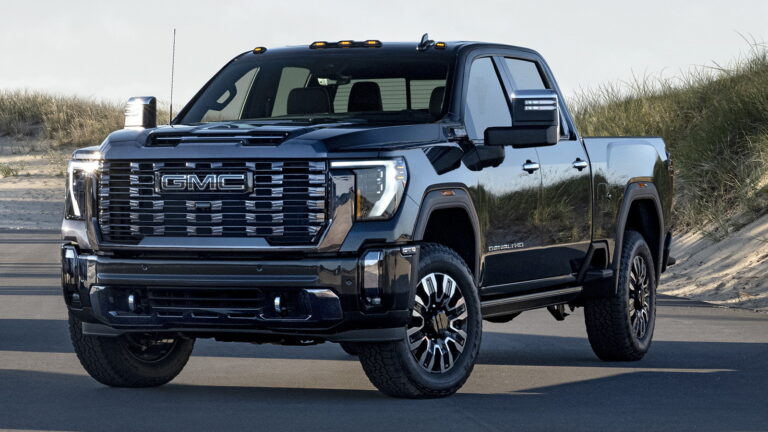
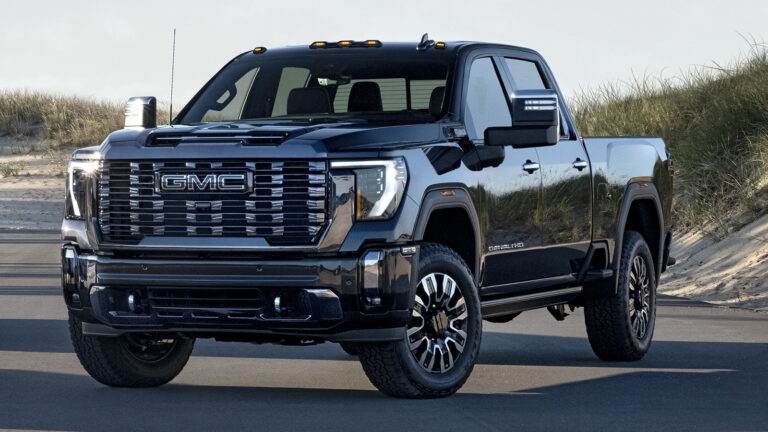
- Chevrolet Silverado 2500HD/GMC Sierra 2500HD: These offer strong gas (6.6L V8) and diesel (6.6L Duramax) options, known for their strong frames and integrated towing technology.
- These trucks are often the sweet spot for many RVers who want substantial capability without jumping to a dually.
-
Best One-Ton Options for Heavy Fifth Wheels and Toy Haulers:
- Ford F-350 Super Duty: The go-to for many heavy-duty towers, available with the same potent engines as the F-250 but with increased GVWR and payload.
- Ram 3500 Heavy Duty: Offers even higher payload and towing capacities than the 2500, with an available High Output Cummins diesel for extreme loads.
- Chevrolet Silverado 3500HD/GMC Sierra 3500HD: When equipped with the Duramax diesel and dual rear wheels, these are formidable towing machines.
- If your camper’s GVWR exceeds 14,000-15,000 lbs, or if it’s a large fifth wheel, a one-ton (potentially a dually) is likely your best and safest option.
Towing Safety & Best Practices
Selecting the right truck is just the beginning. Safe towing requires ongoing vigilance and adherence to best practices.
- Pre-Trip Checks: Always inspect your truck and trailer before each trip. Check tire pressure, lug nuts, lights, fluid levels, and ensure your hitch connection is secure.
- Loading the Trailer Correctly: Distribute weight inside your camper carefully. Heavy items should be low and over the axles. Incorrect loading can cause dangerous sway.
- Driving Tips: Increase your following distance, anticipate stops, use your mirrors frequently, and take wider turns. Always drive at a speed appropriate for your rig and road conditions, generally below the posted speed limit when towing.
- Maintenance: Keep both your truck and camper well-maintained. Regular servicing, especially for brakes and suspension, is critical.
For more comprehensive towing safety guidelines, I recommend reviewing resources from trusted organizations like the National Highway Traffic Safety Administration (NHTSA) or reputable RV associations. They offer invaluable advice on safe towing practices.
Conclusion: Your Journey, Safely Empowered
Choosing the best truck for camper towing is one of the most significant decisions you’ll make as an RVer. It’s an investment in your safety, your enjoyment, and the longevity of both your truck and your camper. By understanding the critical terminology, knowing your camper’s true weight, and carefully evaluating a truck’s specifications beyond just its advertised towing capacity, you can make an informed decision that will serve you well for years to come.
Don’t rush the process, and never compromise on safety. A well-matched truck and camper combination will provide you with the confidence and peace of mind to truly enjoy the open road, explore new destinations, and create those cherished memories you’ve been dreaming of. Happy travels!