The Ultimate Guide to Buying a Used Truck on Craigslist: Navigate the Market Like a Pro
The Ultimate Guide to Buying a Used Truck on Craigslist: Navigate the Market Like a Pro Lmctruck.Guidemechanic.com
Are you on the hunt for a robust, reliable used truck without breaking the bank? Craigslist can be a treasure trove of incredible deals, offering a vast selection of trucks from private sellers. However, navigating this platform requires a keen eye, a strategic approach, and a solid understanding of potential pitfalls. This isn’t just about finding a truck; it’s about making an informed, safe, and satisfying purchase.
As an expert in the used vehicle market, I’ve seen countless successful transactions and, unfortunately, a few regrettable ones. My mission with this comprehensive guide is to equip you with the knowledge and confidence to find your perfect Craigslist used truck. We’ll delve deep into every step, from initial research to sealing the deal, ensuring you gain real value and avoid common mistakes. Let’s transform your truck-buying journey from daunting to definitive.
The Ultimate Guide to Buying a Used Truck on Craigslist: Navigate the Market Like a Pro
Why Craigslist Remains a Go-To for Used Trucks
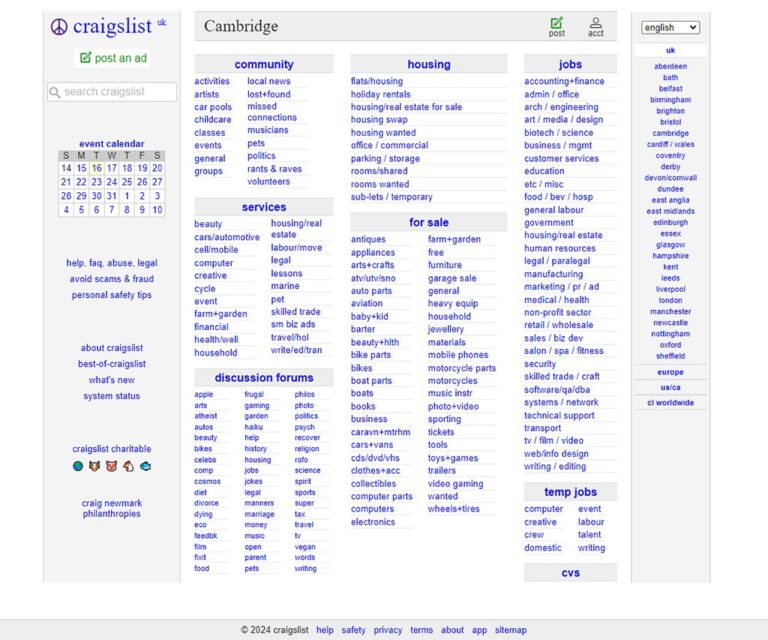
In an era of sophisticated online marketplaces, you might wonder why Craigslist still holds its ground, especially for used trucks. The answer lies in its simplicity, directness, and the unique opportunities it presents. It connects buyers directly with private sellers, often resulting in lower prices compared to dealerships, which have overheads and profit margins to consider.
Moreover, Craigslist often features local listings, making it convenient for inspections and test drives. You can find everything from heavy-duty workhorses to light-duty pickups, classic models, and even project trucks. This diverse inventory, coupled with the potential for significant savings, makes it an attractive option for many truck enthusiasts and professionals alike.
The Hunt Begins: Pre-Search Preparations Are Paramount
Before you even type "used truck" into the Craigslist search bar, a crucial phase of preparation is essential. Skipping this step is a common mistake that can lead to wasted time and missed opportunities. A well-defined strategy will streamline your search and increase your chances of finding the ideal vehicle.
Defining Your Needs: What Truck Truly Fits You?
The first step is to precisely define what you need from a truck. Are you hauling heavy loads for work, or do you need a reliable vehicle for weekend adventures and light errands? Consider factors like payload capacity, towing capability, fuel efficiency, cab configuration (regular, extended, crew cab), and bed length. Each of these aspects will significantly narrow down your options and prevent you from looking at unsuitable listings.
Think about your budget, not just for the purchase price, but also for potential maintenance, insurance, and fuel costs. A higher-mileage truck might be cheaper upfront but could cost more in repairs down the line. Setting a realistic budget from the outset helps manage expectations and avoid financial strain later on.
Researching Common Issues for Specific Models
Once you have a general idea of the type of truck you need, dive into specific makes and models. Every vehicle has its quirks and common issues. For example, some Ford F-150 generations might be known for spark plug problems, while certain Chevrolet Silverados could have transmission concerns. Knowing these beforehand allows you to ask targeted questions and inspect specific areas during your viewing.
Utilize online forums, owner reviews, and reputable automotive websites to gather this information. Understanding these potential weak points empowers you to make a more informed decision and can even be a valuable negotiation tool if you discover an issue during inspection. This proactive research is a hallmark of an experienced buyer.
Understanding Market Value: Don’t Overpay
Before reaching out to sellers, arm yourself with knowledge about current market values. Websites like Kelley Blue Book (KBB.com) and Edmunds provide excellent resources for estimating a truck’s worth based on its year, make, model, mileage, and condition. Remember that these are estimates, and local market conditions can cause variations.
Based on my experience, knowing the fair market value helps you identify both overpriced listings and those that seem "too good to be true." It provides a baseline for negotiation and ensures you’re not paying a premium for a truck that doesn’t warrant it. Always cross-reference multiple sources for a more accurate picture.
Navigating Craigslist Like a Pro: Smart Search Strategies
Craigslist’s interface is straightforward, but mastering its search capabilities can significantly enhance your experience. Don’t just type in "truck" and scroll endlessly; be strategic with your keywords and filters.
Effective Search Strategies: Keywords and Filters
Start with broad terms like "pickup truck" or "work truck," then refine your search. Use specific keywords like "Ford F-250," "Chevy Silverado 4×4," or "Toyota Tacoma." Don’t forget to include year ranges (e.g., "2010-2015 F150") to filter out irrelevant models.
Leverage the available filters diligently. Set your price range, mileage limits, and desired transmission type (manual or automatic). You can also filter by title status, condition, and even seller type (owner vs. dealer). The more specific your search, the more relevant results you’ll get, saving you valuable time.
Setting Up Alerts: Never Miss a Deal
One of the most powerful, yet underutilized, features on Craigslist is the ability to set up search alerts. Many third-party tools and browser extensions can monitor Craigslist for you and notify you via email or SMS when new listings matching your criteria appear. This is especially useful for highly sought-after models or specific price points.
Pro tips from us: Act fast when a promising listing appears. Good deals on used trucks often disappear within hours. Being among the first to contact a seller can give you an edge in a competitive market.
Spotting Red Flags in Listings: A Critical Skill
Not all listings are created equal, and some are designed to mislead or scam buyers. Developing an eye for red flags is crucial for your safety and financial protection. Common mistakes to avoid are ignoring your gut feeling when something seems off.
Be wary of listings with vague descriptions, poor-quality photos (or no photos at all), or an unreasonably low price for the truck’s reported condition. If the seller insists on communicating only via email and avoids phone calls, that’s another warning sign. Similarly, be cautious if they claim to be out of the country or use unusual payment methods.
Deciphering the Ad: What Information to Prioritize
Once you’ve found a promising listing, it’s time to analyze the ad itself. A well-written ad provides a wealth of information, while a sparse one raises questions.
Key Information to Look For
Prioritize listings that clearly state the truck’s year, make, model, trim level, mileage, and VIN (Vehicle Identification Number). The VIN is especially important for later background checks. Look for details about the truck’s maintenance history, recent repairs, and any known issues.
A transparent seller will typically offer a detailed description, including both the pros and cons of the vehicle. This honesty is a good indicator of trustworthiness.
Quality of Photos: A Window into the Truck’s Condition
High-quality, multiple photos from various angles are non-negotiable. Look for pictures of the exterior, interior, engine bay, and even the undercarriage if possible. Poor lighting, blurry images, or photos that seem to hide specific areas are red flags.
Pro tips from us: Pay attention to details in the photos. Do you see excessive rust, mismatched paint, worn tires, or dashboard warning lights? These visual cues can tell you a lot before you even make contact.
Seller’s Communication Style: A Glimpse into Reliability
The way a seller communicates can reveal a lot about their reliability and honesty. Are their responses prompt and detailed, or are they vague and evasive? Do they seem willing to answer your questions thoroughly, or do they push you to make a quick decision?
A responsive, open, and patient seller is generally a good sign. Conversely, a seller who seems impatient, aggressive, or unwilling to provide more information might be hiding something.
Initial Contact & Communication: Setting the Stage
Your first interaction with the seller is critical. It’s your opportunity to gather more information and gauge their legitimacy before investing time in an in-person viewing.
Crafting the First Message: Be Clear and Concise
When you first contact a seller, be polite, clear, and concise. Introduce yourself and express your interest in the truck. Ask 2-3 specific, important questions that aren’t answered in the ad. For example, "Is the title clear and in your name?" or "Has the truck had any major accidents or frame damage?"
Avoid asking questions already answered in the listing, as this suggests you haven’t read it carefully. A well-crafted initial message shows you’re a serious buyer.
Questions to Ask Before Seeing the Truck
Before scheduling a viewing, gather as much information as possible over the phone or email. This helps you filter out unsuitable trucks and avoid unnecessary trips.
- Why are you selling the truck?
- How long have you owned it?
- Are you the original owner?
- What’s the full VIN? (Crucial for a history report)
- Are there any known mechanical issues or warning lights?
- When was the last major service performed?
- Is the price firm or negotiable?
- Where exactly is the truck located?
Scheduling a Viewing: Safety First
Always prioritize safety when scheduling an in-person viewing. Suggest meeting in a well-lit, public place during daylight hours. A busy parking lot, like that of a grocery store or shopping mall, is ideal. If the seller insists on meeting at their home, consider bringing a friend or family member along.
Confirm the exact address and time, and ensure you have their contact number. Trust your instincts; if something feels off, it’s okay to reschedule or decline the meeting.
The In-Person Inspection: A Critical Step You Can’t Skip
This is where your research and preparation pay off. A thorough visual and tactile inspection of the truck is paramount. Don’t rush this process; take your time to examine every detail.
Exterior Check: Rust, Dents, and Tires
Walk around the truck multiple times, looking for dents, scratches, and signs of body filler or mismatched paint, which could indicate previous accident repairs. Check for rust, especially around wheel wells, rocker panels, door sills, and the frame underneath. Surface rust might be cosmetic, but extensive rust can compromise structural integrity.
Examine the tires for even wear, adequate tread depth, and signs of dry rot. Uneven tire wear can signal alignment issues or suspension problems. Also, check the age of the tires; old tires, even with good tread, can be unsafe.
Interior Check: Wear, Electronics, and Odors
Open and close all doors, windows, and the tailgate to ensure they operate smoothly. Check the seats for rips, tears, and excessive wear. Test all electronic components: radio, AC/heater, power windows, locks, lights, wipers, and dashboard warning lights. Ensure they all function correctly.
Pay close attention to any unusual odors. A musty smell could indicate water leaks or mold, while a strong chemical smell might point to fluid leaks. Cigarette smoke or pet odors can be difficult to remove and significantly impact your driving experience.
Engine Bay Inspection: Leaks, Belts, Hoses
With the engine off and cold, pop the hood. Look for signs of fluid leaks (oil, coolant, power steering fluid) on the engine block and underneath the truck. Check the condition of belts and hoses for cracks or fraying. Examine fluid levels and colors; for instance, dark, sludgy oil or discolored transmission fluid can indicate neglected maintenance.
Pro tips from us: Look for any aftermarket modifications that weren’t disclosed. While some modifications are harmless, others can indicate a history of hard use or potential reliability issues.
Underbody Check: Frame and Suspension
If possible and safe, get a look underneath the truck. Bring a flashlight. Check the frame for rust, bends, or cracks, which are major red flags indicating potential structural damage. Inspect suspension components like shocks, springs, and bushings for wear or leaks.
This step is often overlooked but provides crucial insights into the truck’s overall health and whether it has been used off-road or for heavy work.
The Test Drive: Listen, Feel, Observe
The test drive is your opportunity to experience the truck in its natural element. It’s not just about driving; it’s about actively listening, feeling, and observing how the truck performs.
Cold Start: Listen for Warning Signs
Insist on a "cold start." This means the engine hasn’t been running recently. Listen for any unusual noises like grinding, knocking, or excessive smoke from the exhaust. A healthy engine should start smoothly without hesitation.
After starting, let it idle for a few minutes. Check the dashboard for any persistent warning lights.
Braking, Steering, Acceleration
During the test drive, pay close attention to the truck’s performance. Test the brakes for firmness and linearity; any pulling to one side or spongy feel could indicate issues. Check the steering for excessive play or difficulty turning. Accelerate smoothly and aggressively to feel for any hesitation or unusual noises.
Drive at various speeds, including highway speeds if possible, to check for vibrations or wobbles.
Transmission Shifts and All Features
Pay particular attention to the transmission. Automatic transmissions should shift smoothly without jerking, slipping, or delayed engagement. For manual transmissions, ensure the clutch engages smoothly and gears shift easily.
Test all features: turn on the AC and heater, try the radio, activate four-wheel drive if applicable, and use cruise control. Ensure everything works as intended.
Due Diligence: Beyond the Visuals
Even after a thorough inspection and test drive, your job isn’t done. Comprehensive due diligence is vital to uncover hidden problems and verify the truck’s history.
VIN Check: Uncover the Truck’s Past
The VIN (Vehicle Identification Number) is your truck’s unique fingerprint. Use it to obtain a vehicle history report from services like Carfax or AutoCheck. This report can reveal crucial information such as:
- Accident history: Was the truck ever involved in a major collision?
- Salvage or flood Was the truck ever declared a total loss?
- Odometer discrepancies: Has the mileage been tampered with?
- Service records: Some reports include maintenance history.
- Recalls: Are there any open safety recalls?
- Ownership history: How many previous owners?
Common mistakes to avoid are skipping this step to save a few dollars. The cost of a VIN report is minimal compared to the potential cost of buying a problematic truck. You can get a comprehensive report at Carfax.com.
Pre-Purchase Inspection (PPI) by a Mechanic
This is arguably the most critical step for any used vehicle purchase. Take the truck to an independent, trusted mechanic for a pre-purchase inspection. They will put the truck on a lift, thoroughly inspect the engine, transmission, suspension, brakes, and electrical system.
A professional mechanic can spot issues that you might miss, even with a careful inspection. They can provide an unbiased assessment of the truck’s condition and potential future repair needs. Pro tips from us: Always pay for the PPI yourself, and choose a mechanic who specializes in trucks or the specific make you’re buying.
Verifying Ownership and Title
Before finalizing any deal, ensure the seller is the legal owner of the truck and possesses a clear title. The name on the title should match the seller’s ID. Check for any liens on the title, which would mean the seller still owes money on the truck. You cannot legally transfer ownership until any liens are cleared.
Never buy a truck without a clear, physical title in hand. If the seller claims the title is "on its way" or "lost," walk away.
Negotiation Strategies: Get the Best Deal
Negotiation is an art, and approaching it correctly can save you hundreds, if not thousands, of dollars.
How to Leverage Your Findings
Use any issues uncovered during your inspection or the PPI as negotiation points. For example, if the mechanic found that the brakes need replacing soon, you can reasonably ask for a reduction in price to cover that cost. Be polite but firm in your requests.
Avoid making emotional decisions. Stick to your budget and be prepared to walk away if the seller isn’t willing to meet a reasonable price.
Setting Your Walk-Away Price
Before you start negotiating, decide on your absolute maximum price – your "walk-away" price. This is the amount you are unwilling to exceed, no matter how much you like the truck. Having this figure in mind prevents you from getting carried away in the heat of the moment.
Common mistakes to avoid are getting emotionally invested in a truck and overpaying. There will always be other trucks available.
Being Polite but Firm
Always maintain a respectful and polite demeanor during negotiations. Aggressiveness rarely yields positive results. Present your findings calmly and explain why you believe a certain price adjustment is warranted. A fair negotiation benefits both parties.
Completing the Sale Safely: Secure Your Investment
You’ve found the truck, inspected it, negotiated the price – now it’s time to finalize the deal safely and legally.
Meeting in a Public Place
Just as with the initial viewing, arrange to complete the transaction in a safe, public location, ideally during daylight hours. A bank parking lot is an excellent choice, as it’s often under surveillance and provides easy access for payment.
Bring a friend or family member for added security and as a witness to the transaction.
Payment Methods: Secure and Traceable
For private sales, a cashier’s check from your bank is generally the safest method for larger sums. It’s a secure form of payment, and your bank can verify its legitimacy. Avoid carrying large amounts of cash, which can make you a target.
If you must use cash, do so at a bank where the transaction can be witnessed and documented. Never use wire transfers or other untraceable payment methods for Craigslist transactions.
Paperwork: Bill of Sale and Title Transfer
Ensure you receive a comprehensive bill of sale, signed by both you and the seller. This document should include:
- Date of sale
- Full names and addresses of buyer and seller
- Vehicle year, make, model, and VIN
- Agreed-upon purchase price
- Odometer reading at the time of sale
- A statement that the vehicle is sold "as-is" (common in private sales)
Immediately transfer the title into your name. This process varies by state but typically involves visiting your local Department of Motor Vehicles (DMV) or equivalent agency. Failing to transfer the title promptly can lead to legal complications.
Post-Sale Considerations: Insurance and Registration
Once the truck is officially yours, don’t forget about insurance. Contact your insurance provider immediately to add the new truck to your policy. Driving an uninsured vehicle, even for a short distance, is illegal and risky.
Finally, register your truck with the DMV. This often requires the title, bill of sale, proof of insurance, and payment of registration fees. You’ll then receive your license plates and registration sticker.
Common Mistakes to Avoid When Buying a Craigslist Used Truck
Based on my experience, many buyers fall into predictable traps. Here are some critical mistakes to steer clear of:
- Buying sight unseen: Never purchase a truck without a thorough in-person inspection and test drive. Photos can be deceiving.
- Skipping the VIN check: This small cost can save you from a world of headaches, revealing accidents, flood damage, or title issues.
- Neglecting a Pre-Purchase Inspection (PPI): A professional mechanic’s eyes are invaluable. Don’t rely solely on your own assessment.
- Ignoring red flags: If something feels off about the seller or the listing, trust your gut and walk away.
- Paying with untraceable methods: Always use secure payment methods to protect yourself from scams.
- Not verifying ownership: Ensure the seller is the legal owner and has a clear title in hand.
- Forgetting to factor in additional costs: Budget for registration, insurance, and potential immediate repairs or maintenance.
Pro Tips for a Smooth Craigslist Truck Transaction
To ensure your used truck purchase is as smooth and successful as possible, consider these expert tips:
- Be patient: The right truck might not appear overnight. Don’t rush into a purchase.
- Cast a wide net: Look beyond your immediate vicinity if you’re not finding what you need.
- Bring a knowledgeable friend: A second pair of eyes, especially from someone mechanically inclined, is always beneficial during inspections.
- Document everything: Keep copies of all communications, the ad, the bill of sale, and the title.
- Ask for maintenance records: A seller who has kept detailed service records is a huge plus and indicates responsible ownership.
- Consider an escrow service for high-value purchases: While less common for Craigslist, reputable escrow services can add an extra layer of security for both parties.
Your Journey to a Great Craigslist Used Truck Starts Here
Buying a used truck on Craigslist can be an incredibly rewarding experience, offering excellent value and the satisfaction of finding a gem. By following this detailed guide, you’re not just searching for a vehicle; you’re becoming an educated, empowered buyer. From meticulous research and careful inspections to smart negotiation and secure transactions, every step contributes to a successful outcome.
Remember, patience, diligence, and a commitment to safety are your best tools. Go forth with confidence, apply these strategies, and soon you’ll be driving away in a quality used truck that meets all your needs. Happy hunting!
Want to dive deeper into maintaining your new-to-you truck? Check out our article on . If you’re still deciding on the best model, read our guide on .