The Ultimate Guide to Buying a Used 1-Ton Dump Truck For Sale By Owner: Your Path to Smart Savings and Hauling Power
The Ultimate Guide to Buying a Used 1-Ton Dump Truck For Sale By Owner: Your Path to Smart Savings and Hauling Power Lmctruck.Guidemechanic.com
Are you in the market for a robust workhorse that can handle serious hauling tasks without breaking the bank? A used 1-ton dump truck for sale by owner might be precisely what you need. These versatile vehicles are the backbone of countless small businesses, independent contractors, and ambitious DIY enthusiasts, offering significant utility for landscaping, construction, farming, and more.
Navigating the private sale market for a heavy-duty vehicle like a dump truck can seem daunting, but with the right knowledge and a methodical approach, it can lead to substantial savings and a perfect fit for your operational needs. This comprehensive guide will equip you with everything you need to know, from understanding the "1-ton" designation to inspecting, negotiating, and safely purchasing your next indispensable asset.
The Ultimate Guide to Buying a Used 1-Ton Dump Truck For Sale By Owner: Your Path to Smart Savings and Hauling Power
Unpacking the "1-Ton" Designation: More Than Just a Number
Before diving into the specifics of purchasing, it’s crucial to understand what a "1-ton" dump truck truly represents. Contrary to popular belief, the "ton" in this context does not refer to the truck’s curb weight. Instead, it indicates the vehicle’s approximate payload capacity. This means a 1-ton truck is engineered to safely carry around 2,000 pounds (or one ton) of cargo in its bed, in addition to its own weight and that of its occupants.
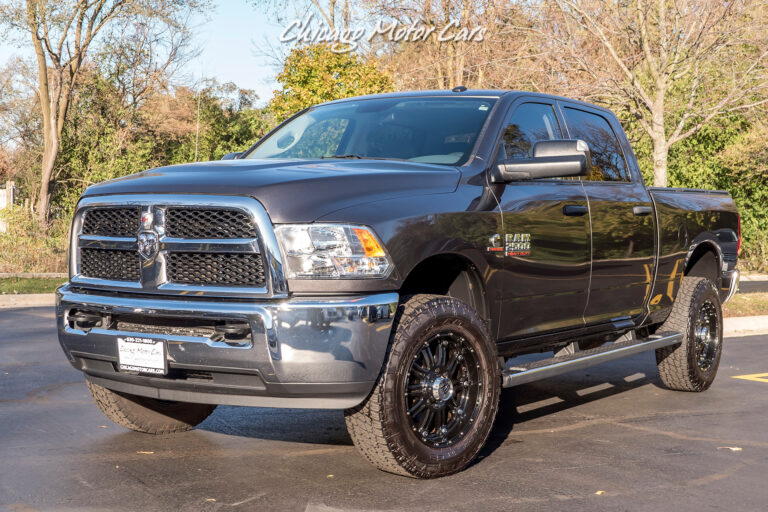
However, modern 1-ton trucks, like the Ford F-350, Ram 3500, or Chevrolet/GMC 3500 series, often boast actual payload capacities significantly exceeding this nominal figure, sometimes ranging from 3,000 to over 7,000 pounds depending on the specific configuration (single rear wheel vs. dually, engine, transmission, and bed type). Always check the truck’s Gross Vehicle Weight Rating (GVWR) and curb weight to calculate its true payload. This distinction is vital for ensuring you don’t overload your truck, which can be dangerous and illegal.
These trucks are perfect for a wide array of applications. Landscapers use them for mulch, soil, and gravel. Construction crews find them invaluable for hauling debris, sand, and small equipment. Farmers utilize them for feed, hay, and agricultural products. For the homeowner, they can transform large-scale garden projects or renovation clean-ups into manageable tasks.
The Allure and Risks of Buying "By Owner"
The decision to seek out used dump trucks for sale by owner often comes down to the potential for a better deal. Private sellers typically don’t have the overhead costs of dealerships, which can translate to lower asking prices. Furthermore, buying directly from an owner allows for direct negotiation, potentially leading to more flexibility on price and terms.
One significant advantage is the opportunity to gain firsthand insights into the vehicle’s history. The previous owner can often provide a detailed account of how the truck was used, its maintenance schedule, and any quirks it might have. This personal narrative can be invaluable, offering a level of transparency rarely found in a dealership setting.
However, buying by owner also comes with inherent risks. Unlike dealerships, private sales are almost always "as-is," meaning there’s no warranty or guarantee once the sale is complete. Any issues that arise after purchase become your responsibility. There’s also the potential for misrepresentation or undisclosed problems, making thorough due diligence absolutely critical. Without the backing of a reputable dealer, you become solely responsible for verifying the truck’s condition and history.
Preparing for Your Search: Homework Before You Shop
Embarking on the search for a used 1-ton dump truck requires careful preparation. Skipping this crucial step can lead to frustration, wasted time, and potentially a poor investment. Your homework will refine your search and empower you to make an informed decision.
Define Your Needs with Precision
Before you even glance at a listing, sit down and clearly define what you need the truck for. What materials will you primarily haul? Will it be light landscaping debris or heavy loads of gravel and concrete? How frequently will you use it, and over what distances? Consider the terrain you’ll be operating on; will you need four-wheel drive for off-road or muddy job sites?
Your answers to these questions will dictate the necessary features, such as engine size, transmission type, bed material, and whether you need specific towing capabilities. A clear understanding of your operational demands will prevent you from buying a truck that’s either overkill or underpowered for your tasks.
Set a Realistic and Comprehensive Budget
Your budget should extend beyond the truck’s purchase price. Factor in essential costs like sales tax, registration fees, and insurance. Crucially, anticipate potential immediate maintenance or repairs. A used vehicle, especially a work truck, will almost certainly require some attention after purchase.
Consider the cost of any necessary modifications or accessories, such as toolboxes, hitches, or upgraded tires. Don’t forget ongoing operational expenses like fuel, routine maintenance, and potential future repairs. Based on my experience, it’s wise to set aside an additional 10-15% of the purchase price for unforeseen initial expenses.
Research Reputable Brands and Models
The 1-ton dump truck segment is dominated by the heavy-duty versions of popular American truck manufacturers. Research models like the Ford F-350, Ram 3500, and Chevrolet/GMC 3500 series, specifically looking for those fitted with factory or aftermarket dump beds. Investigate common engine options (e.g., Ford Power Stroke, Ram Cummins, GM Duramax diesels, or various large gasoline V8s), their reliability records, and typical maintenance requirements.
Learn about different transmission options and their suitability for heavy hauling. Look for common issues reported by owners of specific years or models. This research will help you identify reliable contenders and spot potential red flags during your inspection.
Understand Different Dump Bed Types
The dump bed itself is a critical component. They come in various configurations, each with pros and cons.
- Hydraulic vs. Electric: Hydraulic systems are generally more robust and faster for heavier loads, powered directly by the truck’s engine. Electric systems, often seen on smaller dump beds, use an electric motor and battery, which can be simpler but may have limitations for very heavy, frequent use.
- Material: Steel beds are durable and can withstand heavy impacts, but are prone to rust and add significant weight. Aluminum beds are lighter, improving payload capacity and fuel efficiency, and are corrosion-resistant, but typically cost more and can be more susceptible to dents.
- Tailgate Types: Standard hinge tailgates are common, but spread gate or barn-door style tailgates offer more control over material dispersal.
Pro tips from us: If you plan to haul abrasive materials like asphalt or concrete, a steel bed is often the more durable choice. For lighter, bulkier materials, an aluminum bed can offer better efficiency.
Where to Find Used 1-Ton Dump Trucks For Sale By Owner
Finding the right truck means knowing where to look. While dealerships specialize in used commercial vehicles, your focus is specifically on private sellers.
- Online Marketplaces: Websites like Craigslist, Facebook Marketplace, and specialized commercial equipment sites (e.g., EquipmentTrader.com, although many listings there are dealers, you can filter for private sellers) are prime hunting grounds. These platforms offer extensive search filters and allow direct communication with sellers.
- Local Classifieds and Community Boards: Don’t underestimate the power of local listings. Newspapers, community bulletin boards, and even local hardware stores often have postings for equipment for sale.
- Word of Mouth and Local Forums: Spread the word among local contractors, farmers, and mechanics. Sometimes the best deals are found through personal connections. Local online forums or social media groups dedicated to trades or heavy equipment can also yield leads.
When browsing listings, pay close attention to the description, photos, and location. Listings with minimal information or blurry pictures should raise a cautious eyebrow.
The Inspection Checklist: What to Look for in a Used Dump Truck
This is where your diligence truly pays off. A thorough inspection can uncover hidden problems and save you from a costly mistake. Always inspect the truck in daylight and, ideally, when it’s cold so you can observe a true cold start.
The Exterior: Frame, Rust, Tires, and Body
- Frame: Critically inspect the entire frame for cracks, bends, or significant rust. This is the truck’s backbone; any compromise here is a deal-breaker. Pay special attention to areas around suspension mounts and the dump bed subframe.
- Rust: While some surface rust is expected on a used work truck, excessive or penetrating rust on the frame, cab, or dump bed can indicate poor maintenance or exposure to harsh conditions. Check wheel wells, rocker panels, and the underside of the cab.
- Tires: Examine all tires for even wear, sufficient tread depth, and signs of dry rot. Uneven wear can signal alignment issues or suspension problems. Don’t forget the spare tire.
- Body Panels and Lights: Look for significant dents, bondo, or mismatched paint, which could indicate unreported accident damage. Ensure all lights (headlights, taillights, turn signals, brake lights, work lights) are functional.
The Engine and Drivetrain: The Heart of the Beast
- Leaks: Look under the truck and around the engine bay for any signs of fluid leaks (oil, coolant, transmission fluid, power steering fluid). A few drips might be minor, but significant puddles are a red flag.
- Engine Sounds: Listen carefully during startup and idling. Any knocking, ticking, or grinding noises are cause for concern.
- Fluid Levels and Condition: Check the engine oil (should be clean, not sludgy), coolant (proper level, not murky), transmission fluid (red, clear, no burnt smell), and power steering fluid.
- Exhaust Smoke: Observe the exhaust during startup and revving. Blue smoke indicates burning oil, white smoke suggests coolant issues, and thick black smoke points to fuel system problems.
The Transmission: Smooth Operator
- Shifting: During the test drive, pay close attention to how the transmission shifts. It should be smooth and predictable, without harsh jerks, slipping, or delayed engagement.
- Fluid: As mentioned, check the transmission fluid. A burnt smell is a clear sign of internal wear.
The Dump Mechanism: Test It Repeatedly
- Hydraulic Cylinder and Pump: Inspect the hydraulic cylinder for leaks, pitting, or scoring on the chrome rod. Listen to the hydraulic pump as the bed operates; it should sound consistent, without excessive straining.
- Hoses and Connections: Check all hydraulic hoses for cracks, bulges, or leaks. Ensure all connections are secure.
- Controls: Test the dump controls multiple times, both raising and lowering the bed. It should operate smoothly and consistently.
The Interior: Comfort and Control
- Controls and Gauges: Ensure all dashboard gauges (oil pressure, temperature, voltage, fuel) are working correctly. Test all interior lights, wipers, horn, and HVAC system.
- Seats and Belts: Check for excessive wear on seats and ensure seat belts are functional and not frayed.
Undercarriage: Suspension, Axles, and Differentials
- Suspension: Look for cracked leaf springs, worn-out shocks, or damaged air bags (if equipped).
- Axles and Differentials: Check for leaks around the differential housings and inspect the drive shafts for any excessive play or damage.
Pro tips from us: Always bring a trusted mechanic or a knowledgeable friend who has experience with heavy equipment. A second pair of eyes, especially an expert one, can spot things you might miss. Consider investing in a pre-purchase inspection by an independent shop if you’re serious about a particular truck.
The Test Drive: Beyond Just Driving
A test drive for a dump truck is different from a passenger car. It’s about evaluating its performance under stress.
- Load Test (if possible and safe): If the seller agrees and it’s safe to do so, try to test the truck with a representative load. Even a partial load of gravel or sand will reveal how the suspension, engine, and transmission handle weight.
- Dump Mechanism Under Load: If you can perform a load test, also test the dump mechanism with that load. It should lift and lower smoothly and efficiently.
- Listen for Unusual Sounds: Drive on different types of roads – smooth pavement, rough roads, and ideally, some inclines. Listen for any clunks, grinding, or whining noises coming from the engine, transmission, differentials, or suspension.
- Brakes and Steering: Test the brakes thoroughly, ensuring they engage evenly and the truck stops without pulling to one side. Check for excessive play in the steering wheel and that the steering is responsive.
- Drive at Different Speeds: Assess its performance at city speeds and highway speeds if possible.
Essential Due Diligence: Paperwork and History
Even the most meticulous inspection isn’t enough without verifying the truck’s documented history. This is where you protect yourself from potential legal or financial headaches.
- Vehicle History Report (VHR): Purchase a CarFax or AutoCheck report using the VIN. This report can reveal accident history, previous ownership, service records, odometer discrepancies, and any liens on the title. Common mistakes to avoid are skipping this step to save a few dollars; it’s a small investment that can prevent a major loss.
- Title Verification: Crucially, verify the title. Ensure the seller’s name on the title matches their ID. Check for a "clean" title – avoid salvage, rebuilt, or flood titles unless you fully understand the implications and are prepared for the extensive work often involved. Make sure there are no outstanding liens against the vehicle.
- Maintenance Records: Ask the owner for any available maintenance records. While not always complete, these can provide valuable insights into how well the truck was cared for. Consistent oil changes, brake service, and other routine maintenance are strong indicators of a responsible owner.
- VIN Check: Double-check that the Vehicle Identification Number (VIN) on the title matches the VIN plate on the dashboard and the sticker on the driver’s side door jamb. Any discrepancies are a major red flag.
Negotiation Strategies for Buying By Owner
Negotiating directly with an owner requires tact and preparation. Your goal is to secure the best possible price while maintaining a respectful interaction.
- Be Polite, but Firm: Approach negotiations with respect, but be clear and confident in your offer. Avoid emotional arguments.
- Base Your Offer on Findings: Use any issues you discovered during your inspection or discrepancies in the vehicle history report as leverage to justify a lower offer. For example, "The tires will need replacement soon, and the hydraulic pump showed some minor leaks, so I’m offering X amount."
- Research Market Value: Before making an offer, research comparable used 1-ton dump trucks for sale by owner in your area to understand the fair market value. Websites like Kelley Blue Book, Edmunds, and even completed sales on eBay can provide a baseline.
- Don’t Be Afraid to Walk Away: If the seller is unwilling to negotiate to a reasonable price, or if you feel pressured, be prepared to walk away. There will always be other trucks. Based on my experience, the best deals often come to those who are patient and aren’t afraid to let go of a less-than-ideal option.
Finalizing the Purchase and Post-Purchase Steps
Once you’ve agreed on a price, there are a few final steps to ensure a smooth and legal transfer of ownership.
- Bill of Sale: Always create a detailed Bill of Sale. This document should include the date of sale, the full names and addresses of both buyer and seller, the truck’s VIN, make, model, year, odometer reading, and the agreed-upon purchase price. Clearly state that the vehicle is being sold "as-is" with no warranties. Both parties should sign and date it, and each should retain a copy.
- Payment: For large sums, avoid carrying large amounts of cash. A cashier’s check from your bank, made out to the seller, or a direct bank transfer are safer and more traceable options. Confirm with your bank the best method for a secure transaction.
- Title Transfer: Immediately upon purchase, arrange to transfer the title into your name at your local Department of Motor Vehicles (DMV) or equivalent agency. This typically involves paying sales tax and transfer fees. Delaying this step can lead to legal complications.
- Insurance: Do not drive the truck home without having insurance coverage in place. Contact your insurance provider before picking up the truck to ensure you are legally covered.
- Initial Maintenance: Even if the seller claims recent maintenance, it’s a smart practice to perform a basic service immediately. This includes changing the engine oil and filter, fuel filter (especially on diesels), checking and topping off all fluids, inspecting belts and hoses, and ensuring all lights and brakes are fully functional. This creates a new baseline for your maintenance records.
Owning a Used 1-Ton Dump Truck: Beyond the Purchase
Your journey doesn’t end with the purchase; it’s just beginning. Owning a used 1-ton dump truck, especially a commercial-grade vehicle, requires ongoing attention.
- Regular Maintenance Schedule: Adhere strictly to a robust maintenance schedule. This includes frequent oil changes (more so for heavy-duty use), checking tire pressure and wear, inspecting brakes, and lubricating the dump mechanism. Regular preventative maintenance will extend the life of your truck and prevent costly breakdowns. For more detailed insights, you might find our article on Essential Maintenance Tips for Your Used Commercial Vehicle (internal link placeholder) helpful.
- Safety Considerations: Always prioritize safety. Never overload your truck beyond its rated payload capacity. Ensure loads are properly secured. Regularly check all lights, brakes, and tires. Understand the dynamics of driving a heavily loaded vehicle.
- Regulations: Be aware of local, state, and federal regulations regarding commercial vehicles, even if you’re using the truck for personal projects. This might include specific licensing requirements, weight restrictions, or safety inspections. For detailed information on vehicle regulations, always consult your local Department of Transportation (DOT) or equivalent government agency. A good starting point can often be found on official government sites, such as the Federal Motor Carrier Safety Administration (FMCSA) (external link placeholder) if you intend any commercial use.
Your Path to Smart Hauling Begins Here
Purchasing a used 1-ton dump truck for sale by owner can be a highly rewarding experience, offering significant value and utility for your personal or business needs. While the process demands careful attention and thorough due diligence, the potential for substantial savings and finding a well-maintained workhorse makes it a worthwhile endeavor.
By understanding the nuances of the "1-ton" designation, meticulously inspecting every component, verifying its history, and negotiating smartly, you can confidently acquire a powerful asset that will serve you reliably for years to come. With this comprehensive guide in hand, you are well-equipped to navigate the private sale market and drive away with the perfect dump truck for your hauling adventures. Happy hauling!