The Ultimate Guide to 26′ Trucks: Mastering the Giant for Your Biggest Moves and Business Ventures
The Ultimate Guide to 26′ Trucks: Mastering the Giant for Your Biggest Moves and Business Ventures Lmctruck.Guidemechanic.com
Embarking on a monumental move or managing significant logistical challenges for your business often requires a robust solution. While smaller vehicles might suffice for modest tasks, there comes a point where only a true workhorse will do. Enter the 26′ truck – a formidable, versatile, and often indispensable asset for anyone facing large-scale transportation needs. This isn’t just another vehicle; it’s a strategic partner designed to handle the heaviest loads and longest hauls.
Based on my extensive experience in logistics and content creation, understanding the nuances of a 26′ truck is crucial. It’s not simply about picking the biggest option; it’s about making an informed decision that saves you time, money, and stress. In this comprehensive guide, we’ll delve deep into everything you need to know about these impressive machines, ensuring you’re fully equipped to conquer your next big challenge.
The Ultimate Guide to 26′ Trucks: Mastering the Giant for Your Biggest Moves and Business Ventures
What Exactly is a 26′ Truck? Defining the Beast of Burden
At its core, a 26′ truck refers to a large box truck with an internal cargo area measuring approximately 26 feet in length. These commercial-grade vehicles are specifically engineered to transport substantial volumes of goods, making them a popular choice for both residential moving and various commercial applications. Think of it as a rolling warehouse, ready to swallow up everything you need to transport.
The ’26-foot’ measurement typically refers to the length of the cargo box from the inside front wall to the inside rear door. However, it’s important to remember that the total length of the vehicle, bumper to bumper, will be considerably longer, often ranging from 33 to 35 feet. This additional length accounts for the cab and chassis, which house the engine and driver’s compartment.
Beyond its impressive dimensions, a 26′ truck typically comes equipped with features designed to facilitate heavy lifting and secure transport. Most models include a low-loading deck, a sturdy walk ramp for easy access, and multiple tie-down points or E-tracks along the interior walls. Some premium rentals or commercial models might also feature a hydraulic liftgate at the rear, an invaluable asset for moving exceptionally heavy or bulky items without manual lifting.
Who Needs a 26′ Truck? Identifying Your Use Case
The sheer size and capacity of a 26′ truck make it suitable for a very specific set of needs. It’s not the right choice for everyone, but for those it serves, it’s often the only practical solution. Understanding whether you truly require such a large vehicle is the first step in a successful rental or purchase.
Large Residential Moves: Relocating an Entire Household
The primary user of a 26′ truck is often an individual or family undertaking a significant residential move. If you’re relocating from a house with four or more bedrooms, or if you have an exceptionally large amount of furniture, appliances, and personal belongings, a 26-foot moving truck is frequently the ideal choice. It minimizes the number of trips required, often allowing you to complete your entire move in a single journey.
This size is also perfect for homes with garages, sheds, or attics full of items that need to be transported. Rather than struggling with multiple smaller vehicles or leaving items behind, the expansive cargo bay provides ample room for nearly everything. It’s about consolidating your efforts and streamlining the moving process as much as possible.
Commercial Applications: Business Deliveries and Equipment Transport
Beyond personal moves, 26′ trucks are indispensable tools for many businesses. Small to medium-sized enterprises frequently utilize these vehicles for local or regional deliveries of large products, such as furniture, appliances, or construction materials. They offer a cost-effective alternative to hiring a full-fledged freight service for businesses with regular, substantial transport needs.
Furthermore, companies needing to transport heavy equipment, event setups, or large inventory between locations find the 26-foot box truck invaluable. Event planners, contractors, and even bands on tour often rely on these trucks to move their gear safely and efficiently. The generous payload capacity means fewer trips, leading to increased productivity and reduced operational costs.
Renting a 26′ Truck: Your Essential Checklist and Considerations
Renting a 26′ truck is a straightforward process, but preparing adequately can make a world of difference. Based on my experience, a little foresight goes a long way in securing the right truck at the right price, and avoiding common pitfalls.
Leading Rental Providers
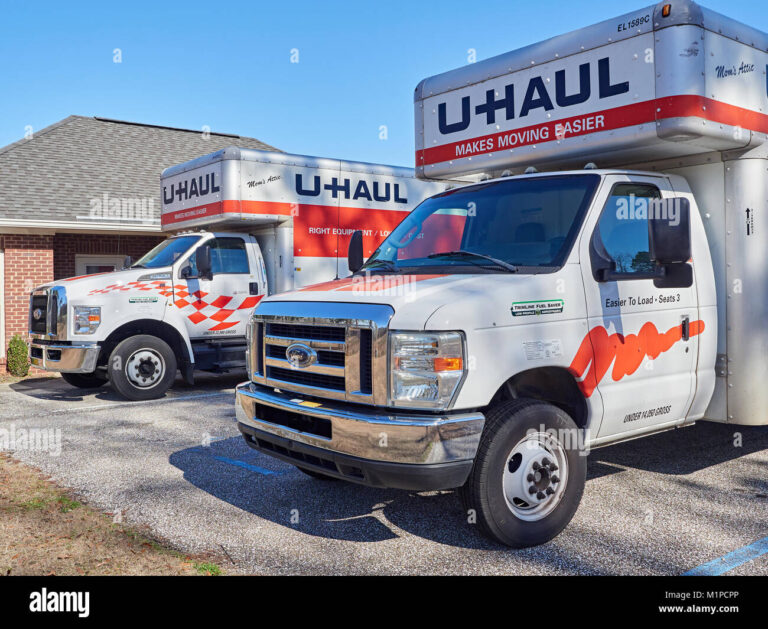
Several reputable companies offer 26-foot truck rentals across the country. The most common providers include U-Haul, Penske Truck Rental, Ryder, and Budget Truck Rental. Each company has its own pricing structure, availability, and specific truck features, so it pays to do your homework.
U-Haul is often known for its widespread availability and competitive local rates. Penske and Ryder tend to cater more to commercial clients but also offer robust consumer rentals, often with newer, well-maintained fleets. Budget can be a good option for those seeking a balance of price and service.
The Booking Process: Timing and Comparison
Pro tips from us: Always book your 26′ truck rental as far in advance as possible, especially if you’re moving during peak seasons like summer, holidays, or month-ends. Demand is high, and early booking ensures availability and often better rates. Comparing prices between providers is crucial; what seems like a small difference upfront can add up significantly over a long rental period or distance.
Consider whether you need a one-way rental or a round trip. One-way rentals offer immense convenience for long-distance moves but typically incur higher daily rates and mileage fees. Round trips are generally more economical for local moves where you can return the truck to its original pickup location. Always clarify all fees, including mileage, environmental surcharges, and taxes, before finalizing your reservation.
Understanding Insurance Options
When renting a large vehicle like a 26′ truck, insurance is not just an option – it’s a necessity. Your personal auto insurance policy may not cover rental trucks of this size, or it might offer very limited coverage. Rental companies typically offer various protection plans:
- Damage Waiver (DW) or Collision Damage Waiver (CDW): This absolves you of financial responsibility for damage to the rental truck itself.
- Supplemental Liability Insurance (SLI): This provides additional liability coverage in case you cause damage or injury to another party.
- Personal Accident and Cargo Protection (PACP): This covers medical expenses for you and your passengers and offers some protection for your cargo.
Common mistakes to avoid are assuming your personal policy covers everything or opting out of rental insurance to save a few dollars. The potential costs of an accident without adequate coverage can be astronomical. Always check with your personal auto insurer and credit card company about their coverage for rental trucks, then fill any gaps with the rental company’s offerings.
Essential Add-ons and Accessories
To make your move or transport task easier and safer, rental companies offer a range of add-ons. These often include utility dollies, appliance dollies, furniture pads (moving blankets), and hand trucks. While these come at an extra cost, they are often invaluable for protecting your belongings and preventing injuries.
Pro tips from us: Don’t underestimate the need for moving blankets. They protect your furniture from scratches and dents during transit. Similarly, a sturdy dolly can save your back when moving heavy boxes or appliances. Always consider what you’re moving and rent the appropriate tools.
Driving a 26′ Truck: Navigating the Road Like a Pro
Steering a 26′ truck is a vastly different experience from driving a passenger car. It requires a heightened sense of awareness, anticipation, and a modified driving technique. My professional advice is to approach it with respect for its size and weight, and you’ll manage just fine.
Key Differences from a Car
The most obvious difference is the sheer size. A 26′ truck is longer, wider, and significantly taller than any car you’re accustomed to. This impacts everything:
- Braking Distance: Due to their heavier weight, 26′ trucks require much longer distances to come to a complete stop. You must start braking earlier than you would in a car.
- Turning Radius: These trucks have a much wider turning radius. You’ll need to swing out significantly more to make turns, especially right turns, to avoid hitting curbs or other vehicles.
- Blind Spots: The lack of a rearview mirror and the large body create substantial blind spots, particularly directly behind and along the sides.
- Clearance: The height of the truck means you must be constantly aware of overhead clearances, such as bridges, underpasses, drive-thru awnings, and low-hanging tree branches.
Mastering Mirrors and Lane Changes
Since you won’t have a rearview mirror, your side mirrors become your most critical tools. Adjust them properly before you start driving, ensuring you can see the sides of your truck and the lanes next to you. Practice checking them frequently – every 5-8 seconds – to monitor traffic around you.
When changing lanes, signal well in advance, check your mirrors, and perform a thorough head check (if possible and safe) to account for blind spots. Lane changes in a 26′ truck need to be deliberate and slow, allowing ample space for the entire length of the vehicle to transition safely. Avoid sudden movements.
Braking, Parking, and Navigating Turns
Anticipation is key when braking. Look far ahead down the road for potential hazards or slowing traffic. Apply the brakes smoothly and gradually, avoiding sudden, hard braking which can shift your cargo or lead to loss of control, especially in wet conditions.
Parking a 26′ truck requires planning. Always look for larger parking spots, ideally at the far end of a lot or in dedicated truck parking areas. Backing up is challenging; if possible, always have a spotter to guide you. If you’re alone, get out and walk around the truck to assess your surroundings before reversing.
For turns, especially right turns, remember to "swing wide." This means positioning your truck slightly to the left before initiating a right turn, creating enough space for the rear wheels to clear the corner without hitting anything. Conversely, for left turns, don’t cut the corner too sharply.
Common Mistakes to Avoid
Common mistakes to avoid are underestimating the truck’s height, especially at gas station canopies or fast-food drive-thrus. Always look for height restriction signs. Another frequent error is following too closely; remember that increased braking distance. Finally, avoid making quick, jerky steering inputs, as these can destabilize the truck, particularly when loaded.
Loading Your 26′ Truck: Maximizing Space and Ensuring Safety
Properly loading your 26′ truck is as crucial as driving it correctly. An unbalanced or unsecured load can be a significant safety hazard and can also lead to damaged belongings. Based on my experience, a strategic approach to loading will save you immense frustration later.
Planning is Key: Inventory and Essentials
Before you even open the truck doors, have a plan. Create an inventory of your items and categorize them. Decide what you’ll need immediately upon arrival (e.g., toiletries, a change of clothes, essential tools) and load those items last, making them easily accessible.
Start with a clean, empty truck. Lay down a protective layer if desired, although most rental trucks are cleaned between uses. Ensure your moving blankets, tie-downs, and any rented dollies are ready.
Weight Distribution: Heavy Items Low and Forward
The golden rule of loading a truck is to place the heaviest items on the floor, directly behind the cab, and centered. This ensures proper weight distribution, which is vital for safe handling and stability. Appliances, heavy furniture like dressers and sofas, and boxes of books should form the base of your load.
Distribute the weight evenly from side to side to prevent the truck from listing or swaying. Avoid stacking all heavy items on one side. As you build upwards and backwards, gradually move to lighter items.
Protecting Your Items: Blankets and Shrink Wrap
Every piece of furniture, appliance, and fragile item should be protected. Use moving blankets generously to wrap furniture, securing them with tape or stretch wrap. Disassemble furniture where possible, and place all hardware in clearly labeled bags.
For highly fragile items like mirrors or artwork, consider specialized moving boxes and extra padding. Shrink wrap is excellent for keeping dresser drawers closed and protecting upholstered items from dirt and tears.
Securing Your Load: Tie-Downs and Straps
This is where the tie-down points or E-tracks come into play. Once items are in place, use ratchet straps or rope to secure them firmly to the truck walls. Every major piece of furniture and every stack of boxes should be secured to prevent shifting during transit.
Common mistakes to avoid are thinking a tightly packed truck means items won’t shift. Even small gaps can allow movement, which can lead to damage. Create "walls" of boxes and secure them. Regularly check your straps throughout the loading process to ensure they remain taut.
Ramp Usage: Safety First
Most 26′ trucks come with a sturdy ramp. When using it, ensure it is fully extended and securely locked into place before walking or rolling anything onto it. Always walk items up and down the ramp slowly and carefully. For extremely heavy items, use an appliance dolly and have a second person assist you from the front, guiding and spotting.
Never run or jump on the ramp. Be aware of its weight limit, which is typically posted on the ramp itself or inside the truck.
Understanding 26′ Truck Capacity and Dimensions
To truly appreciate the utility of a 26′ truck, it’s essential to grasp its internal capacity and key dimensions. This knowledge helps you visualize what you can fit and ensures you don’t overpack or underutilize the space.
Cubic Feet and Room Capacity
A standard 26′ truck typically offers around 1,600 to 1,700 cubic feet of loading space. This immense volume is generally considered sufficient for moving a fully furnished home with 4+ bedrooms, including large appliances, multiple pieces of furniture, and countless boxes. It can comfortably accommodate items from a large living room, dining room, multiple bedrooms, kitchen, and even a garage or outdoor items.
To put it in perspective, imagine a space roughly 26 feet long, 8 feet wide, and 8 feet high. That’s a lot of room! For many, this capacity means making just one trip, significantly reducing stress and saving time compared to smaller trucks.
Interior and Door Opening Dimensions
While the overall length of the cargo box is 26 feet, the interior dimensions are usually:
- Length: Approximately 26 feet
- Width: Roughly 7 feet 10 inches to 8 feet 2 inches
- Height: Around 8 feet to 8 feet 6 inches
The door opening at the rear is also a critical dimension, as it dictates the largest items you can load. Typically, the rear door opening will be about 7 feet 6 inches wide and 7 feet 6 inches high. Always measure your largest items, like refrigerators or king-size mattresses, to ensure they will fit through the door and clear the interior height.
Payload Capacity (Weight Limit)
Beyond cubic feet, the payload capacity – the maximum weight of cargo the truck can legally carry – is crucial. For a 26′ truck, this typically ranges from 7,000 to 10,000 pounds (3,175 to 4,535 kg). Exceeding this limit is not only illegal but extremely dangerous, affecting braking, steering, and overall vehicle stability.
Always be mindful of the weight of your items. While it’s hard to calculate precisely, be aware if you’re loading an unusually high number of heavy items like books, tools, or appliances. If in doubt, it’s better to err on the side of caution or consult the truck’s specific weight limits.
Fuel Tank Size and Estimated MPG
26′ trucks are not known for their fuel efficiency. They typically have large fuel tanks, often ranging from 40 to 60 gallons, to provide a decent range. However, their fuel consumption is substantial. Expect an average of 6-10 miles per gallon (MPG), heavily dependent on load weight, driving conditions, and your driving style.
Factor in significant fuel costs when planning your budget, especially for long-distance trips. Fuel is often one of the largest expenses after the rental fee itself.
Licensing and Regulations for 26′ Trucks
A common question that arises with such large vehicles is about licensing requirements. In most cases, for non-commercial use, a standard driver’s license is sufficient, but there are important distinctions to be aware of.
Standard Driver’s License: The General Rule
For the vast majority of people renting a 26′ truck for a personal move in the United States, a regular Class D (or equivalent) driver’s license is all you need. This is because these trucks typically have a Gross Vehicle Weight Rating (GVWR) of less than 26,001 pounds. The GVWR is the maximum operating weight of the truck as specified by the manufacturer, including the vehicle itself, fuel, driver, passengers, and cargo.
Rental companies like U-Haul, Penske, and Budget specifically design and operate their consumer rental fleets to fall below this CDL threshold, making them accessible to everyday drivers. You must be at least 18 years old (some companies require 21) and have a valid driver’s license from your state or country.
When Might a CDL Be Needed?
While rare for consumer rentals, a Commercial Driver’s License (CDL) would be required if:
- GVWR Exceeds 26,001 Pounds: If you were to drive a 26′ truck (or any single vehicle) with a GVWR of 26,001 pounds or more. This is generally not the case for consumer rental trucks.
- Combination Vehicles: If you were pulling a trailer with a GVWR of more than 10,000 pounds, and the combination of the truck’s GVWR plus the trailer’s GVWR exceeded 26,001 pounds.
- Hazardous Materials: If the truck were transporting hazardous materials that require placarding.
- Passenger Transport: If the truck were designed to transport 16 or more passengers (including the driver).
For the typical mover or small business making local deliveries of general goods, a CDL is not necessary. However, if you’re involved in highly specialized commercial operations, always verify the specific regulations.
DOT Regulations for Commercial Drivers
For businesses that own and operate 26′ trucks for commercial purposes, even if a CDL isn’t required, other Department of Transportation (DOT) regulations might apply. These can include requirements for driver medical certifications, vehicle inspections, record-keeping (e.g., hours of service logbooks), and displaying DOT numbers. These rules are primarily designed for interstate commerce or specific types of intrastate commercial operations.
Pro tips from us: If you are using a 26′ truck for commercial purposes, even if you don’t need a CDL, it’s prudent to check with your state’s Department of Transportation or the Federal Motor Carrier Safety Administration (FMCSA) to ensure compliance with all applicable regulations. Staying informed protects your business from potential fines and ensures safety.
Fuel Efficiency and Costs of Operating a 26′ Truck
As previously touched upon, the financial implications of fuel are significant when operating a 26′ truck. It’s crucial to budget realistically for this expense, especially for longer journeys.
Real-World MPG Expectations
Don’t expect hybrid-like fuel economy from a 26′ truck. These vehicles are designed for power and capacity, not efficiency. As mentioned, an average of 6-10 MPG is common. Factors that heavily influence this range include:
- Load Weight: A fully loaded truck will consume more fuel than an empty one.
- Terrain: Driving uphill or through mountainous regions will drastically reduce MPG.
- Speed: Higher speeds (above 55-60 mph) lead to significantly worse fuel economy due to increased wind resistance.
- Driving Style: Aggressive acceleration and hard braking are fuel guzzlers.
- Wind Conditions: Strong head-winds can significantly increase fuel consumption.
Calculating Fuel Costs for a Trip
To estimate your fuel costs, take your total mileage, divide it by an estimated MPG (e.g., 7 MPG to be conservative), and then multiply by the average price per gallon of diesel or gasoline (depending on the truck’s fuel type). For instance, a 1,000-mile trip at 7 MPG with fuel at $4.00/gallon would cost approximately $571 in fuel ($1000 / 7 MPG = 142.8 gallons; 142.8 gallons * $4.00/gallon = $571.20).
This calculation allows you to set a realistic budget and avoid surprises. Always factor in a buffer for unexpected detours or higher fuel prices along your route.
Tips for Better Fuel Economy
While you won’t make a 26′ truck incredibly fuel-efficient, you can adopt habits to mitigate consumption:
- Maintain a Consistent Speed: Use cruise control on highways if available and safe.
- Avoid Rapid Acceleration and Braking: Smooth driving is key.
- Reduce Idling: Turn off the engine if you’re going to be stopped for more than a minute or two.
- Check Tire Pressure: Properly inflated tires reduce rolling resistance.
- Plan Your Route: Avoid heavy traffic, steep inclines, and unnecessary detours.
Other Potential Costs
Beyond the rental fee and fuel, remember to budget for:
- Tolls: Large trucks often pay higher toll rates.
- Mileage Fees: Many rental companies charge per mile after a certain allowance.
- Environmental Fees: Small surcharges sometimes applied.
- Packing Supplies: Boxes, tape, blankets, dollies.
- Lodging and Food: For multi-day long-distance moves.
Safety Tips for Operating a 26′ Truck
Safety should be your absolute top priority when operating a 26′ truck. The size and weight of these vehicles mean that mistakes can have severe consequences.
Pre-Trip Inspection: Your First Line of Defense
Before every drive, especially before a long trip, perform a thorough pre-trip inspection:
- Tires: Check air pressure (including spares), tread depth, and for any damage.
- Lights: Verify all headlights, taillights, brake lights, turn signals, and marker lights are working.
- Fluid Levels: Check oil, coolant, brake fluid, and windshield washer fluid.
- Wipers: Ensure they are functioning correctly.
- Mirrors: Adjust all side mirrors for optimal visibility.
- Brakes: Test them gently before you leave.
- Cargo: Confirm your load is secure and evenly distributed.
Awareness and Maintaining Safe Distances
Always be hyper-aware of your surroundings. You have limited visibility, so continuously scan your mirrors and the road ahead. Maintain a significantly greater following distance than you would in a car – at least 6-8 seconds in ideal conditions, and even more in adverse weather. This gives you crucial extra time to react and brake safely.
Driving in Adverse Weather
Rain, snow, ice, and strong winds present additional challenges. Reduce your speed drastically in poor weather. Wet roads increase braking distances and the risk of hydroplaning. High winds can cause a large box truck to sway dangerously. Consider pulling over if conditions become too hazardous.
Fatigue Management
Long hours behind the wheel of a large truck can be exhausting. Fatigue significantly impairs judgment and reaction time. Plan your route with sufficient breaks every few hours. If you feel tired, pull over at a safe location, rest, or switch drivers if possible. Never push through extreme fatigue.
Pros and Cons of Choosing a 26′ Truck
Making an informed decision means weighing the advantages against the disadvantages. A 26′ truck is powerful, but not without its drawbacks.
Pros of a 26′ Truck
- Ample Space: The primary benefit is its massive cargo capacity, ideal for large homes or significant commercial loads.
- Fewer Trips: For big moves, it often means completing the entire job in a single trip, saving time and fuel compared to multiple runs with smaller vehicles.
- Cost-Effective for Large Loads: While fuel is expensive, the overall cost can be less than hiring professional movers or making numerous trips with a smaller, less efficient truck.
- Versatility: Suitable for both large personal moves and various business transport needs.
- Includes Moving Aids: Many rentals come with ramps, and often offer dollies and blankets, simplifying the loading process.
Cons of a 26′ Truck
- Challenging to Drive: Its size makes it difficult to maneuver, park, and navigate in urban areas or tight spaces.
- Poor Fuel Economy: Expect high fuel costs due to its weight and engine size.
- Higher Rental Costs: Generally more expensive to rent than smaller trucks.
- Parking Difficulties: Finding suitable parking, especially overnight or in residential areas, can be a major headache.
- Stressful Experience: For inexperienced drivers, the responsibility of driving such a large vehicle, especially with precious cargo, can be very stressful.
- Potential for Damage: The risk of accidental damage to the truck or property is higher due to its size.
Alternative Options (When a 26′ Truck Might Be Overkill)
While a 26′ truck is perfect for specific scenarios, it’s not always the best fit. Sometimes, an alternative approach might be more suitable or cost-effective.
Smaller Box Trucks
If your move is less extensive (e.g., 1-3 bedrooms), a 10′, 15′, or 20′ box truck might be more appropriate. They are easier to drive, consume less fuel, and are cheaper to rent. Consider your exact needs and inventory before defaulting to the largest option.
Moving Containers
Companies like PODS or U-Pack offer portable moving containers. They drop off a container at your home, you load it at your leisure, and they pick it up and transport it to your new location. This eliminates the need to drive a large truck entirely, though it can be more expensive and less flexible on timing.
Professional Movers
For those who want to avoid the stress and labor of moving, professional moving companies handle everything from packing to loading, transport, and unloading. This is the most expensive option but offers maximum convenience and peace of mind.
Trailers
If you have a suitable towing vehicle, renting a cargo trailer might be an option for smaller moves or additional capacity. However, towing a large trailer introduces its own set of driving challenges and requires a vehicle with adequate towing capacity.
Maintenance and Care: Ensuring a Smooth Ride
Whether you own a 26′ truck or are returning a rental, basic care and maintenance practices are important.
Basic Checks for Owners
For truck owners, regular preventative maintenance is key to longevity and reliability. This includes routine oil changes, tire rotations, brake inspections, and checking all fluid levels. Adhering to the manufacturer’s maintenance schedule will prevent costly breakdowns.
Cleaning for Rental Return
When returning a rental truck, ensure it’s clean and free of trash or debris. While you’re not expected to detail it, a quick sweep of the cargo bay and removal of personal items from the cab is good practice. Some companies may charge a cleaning fee if the truck is returned excessively dirty.
Reporting Damage
Always report any damage, no matter how minor, to the rental company upon return. Even if you believe it wasn’t your fault, clear communication is best. Photographing the truck before and after your rental can serve as proof of its condition.
Conclusion: Mastering the 26′ Truck for Unmatched Capability
The 26′ truck stands as a titan in the world of transportation, offering unparalleled capacity and utility for those with substantial moving or business logistical needs. From relocating a sprawling family home to making critical commercial deliveries, this formidable vehicle empowers you to tackle tasks that smaller options simply cannot handle.
Based on everything we’ve covered, the key to a successful experience lies in thorough preparation, a deep understanding of its operational nuances, and a commitment to safety. While driving such a large vehicle presents unique challenges, the satisfaction of completing a massive task efficiently and effectively is truly rewarding. By heeding the pro tips and avoiding common mistakes, you’re not just driving a truck; you’re mastering a powerful tool that delivers real value.
Ready to take on your biggest challenge? With this ultimate guide, you’re now equipped with the knowledge to confidently rent, load, and drive a 26′ truck, turning a daunting task into a manageable and successful endeavor. Share your own 26′ truck experiences or questions in the comments below – we’d love to hear