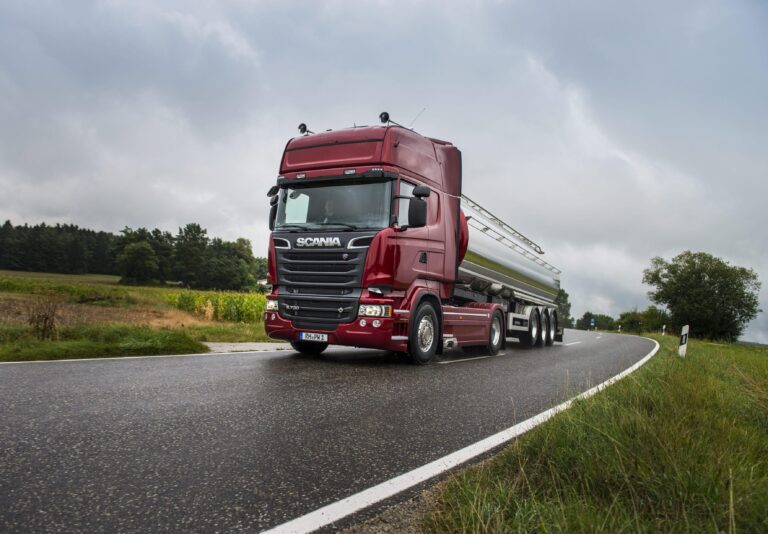
The Ultimate Guide to 18 Wheeler RVs: Unveiling the Power, Luxury, and Freedom of Heavy-Duty RVing
The Ultimate Guide to 18 Wheeler RVs: Unveiling the Power, Luxury, and Freedom of Heavy-Duty RVing Lmctruck.Guidemechanic.com
The open road calls to many, but for a select few, the standard RV simply doesn’t cut it. They dream bigger, envisioning a mobile fortress of comfort, power, and unparalleled capability. This is where the world of 18 Wheeler RVs comes into play, a niche yet utterly captivating segment of the recreational vehicle market.
If you’ve ever watched a colossal semi-truck glide down the highway and wondered what it would be like to live inside that robust frame, you’re in the right place. This comprehensive guide will take you deep into the heart of heavy-duty RVing, exploring everything from what these magnificent machines are, to the lifestyle they enable, and crucial considerations before you embark on such an extraordinary adventure. Get ready to redefine your understanding of mobile living.
The Ultimate Guide to 18 Wheeler RVs: Unveiling the Power, Luxury, and Freedom of Heavy-Duty RVing
What Exactly is an 18 Wheeler RV? Redefining Mobile Living
At its core, an 18 Wheeler RV – often interchangeably called a semi-truck RV conversion, toterhome, or heavy-duty hauler – is a recreational vehicle built upon the formidable chassis of a commercial semi-truck. Unlike conventional motorhomes designed on lighter-duty truck or bus frames, these behemoths leverage the sheer strength and engineering prowess of vehicles built for long-haul commercial freight.
This isn’t merely about adding a living space to a big truck; it’s a complete reimagining of the vehicle’s purpose. These conversions transform a powerful workhorse into a luxurious, highly functional home on wheels, capable of handling immense loads and covering vast distances with surprising comfort. They represent the pinnacle of durability and towing capacity in the RV world.
The Allure of the Heavy-Duty: Why Choose an 18 Wheeler RV?
The decision to opt for an 18 Wheeler RV over a traditional motorhome is often driven by a desire for more – more space, more power, more durability, and ultimately, more freedom. These vehicles offer a distinct set of advantages that cater to a very specific kind of RVer.
Unmatched Durability and Longevity
One of the most compelling reasons to choose an 18 Wheeler RV is its inherent durability. These vehicles are built from the ground up to endure millions of miles under strenuous conditions, hauling tens of thousands of pounds. Their frames, engines, and drivelines are engineered for industrial strength, far surpassing the construction of typical RVs.
This robust build translates directly into a longer lifespan and greater resilience against wear and tear. You’re investing in a vehicle designed to last for decades, often outliving several conventional RVs. Based on my experience in the heavy-duty vehicle sector, the structural integrity of a semi-truck chassis is simply unparalleled for a recreational application.
Superior Towing Capacity
For RVers who travel with extensive gear, multiple vehicles, or large trailers – perhaps a race car hauler, a horse trailer, or a boat – the towing capacity of an 18 Wheeler RV is second to none. These machines are engineered to pull massive weights with ease, often exceeding 30,000 to 40,000 pounds, sometimes even more.
This immense capability means you don’t have to compromise on what you bring along. You can tow a substantial fifth-wheel trailer, a stacker trailer full of toys, or even another car without straining the vehicle. It provides true peace of mind knowing your rig can handle any load you throw at it.
Spacious and Customizable Interiors
The large footprint of an 18 Wheeler RV chassis allows for incredibly spacious and highly customizable interior layouts. Unlike smaller RVs where every inch is a compromise, these heavy-duty platforms offer ample room for extensive living areas, full-sized kitchens, multiple bedrooms, and even dedicated workshops or garages.
The sky’s the limit when it comes to design, from luxurious residential finishes to practical, rugged expedition setups. Owners can truly tailor their mobile home to their exact specifications, creating a unique space that perfectly fits their lifestyle and travel needs.
Enhanced Safety Features
Driving an 18 Wheeler RV often means commanding a vehicle with superior safety features compared to lighter RVs. These trucks come equipped with advanced air braking systems, robust suspension, and a heavy chassis that provides exceptional stability, especially in crosswinds or when towing heavy loads.
The sheer mass of the vehicle also offers a significant advantage in terms of crash protection. While no vehicle is impervious, the substantial construction of a semi-truck provides a level of occupant safety that many RVers find incredibly reassuring on the open road.
Long-Distance Comfort
Despite their size, modern semi-truck chassis are surprisingly comfortable for long-distance travel. They feature air-ride suspensions for both the cab and the chassis, absorbing road imperfections and providing a remarkably smooth ride. The driver’s seats are often air-suspended and highly adjustable, designed for hours of comfortable driving.
This comfort extends to the living space, where the robust build minimizes road noise and vibration, creating a serene environment. Based on my experience with long-haul driving, the ergonomic design and stability of these heavy-duty platforms significantly reduce driver fatigue compared to smaller, less stable RVs.
Navigating the Challenges: What to Consider Before Investing
While the appeal of an 18 Wheeler RV is undeniable, these magnificent machines come with their own set of unique challenges. A realistic understanding of these considerations is crucial before making such a significant investment.
Initial Cost and Depreciation
The purchase price of an 18 Wheeler RV can be substantial, often ranging from $150,000 for a well-maintained used conversion to well over $500,000, and even into the millions for new, custom-built luxury models. This represents a significant financial commitment.
Furthermore, like all vehicles, they are subject to depreciation, though some custom builds may hold their value better. Common mistakes to avoid are underestimating the total upfront cost, which often includes customization, title transfers, and potentially a new license.
Fuel Consumption
Let’s be blunt: 18 Wheeler RVs are not fuel-efficient. Powered by large diesel engines designed for immense torque, they consume fuel at a rate significantly higher than typical RVs. Expect mileage figures ranging from 6 to 10 miles per gallon, heavily dependent on load, terrain, and driving style.
This means that fuel costs will be a substantial part of your operating budget, especially for extensive travel. Planning your routes and budgeting for diesel prices is absolutely critical for happy ownership.
Maneuverability and Parking
Driving a vehicle the size of an 18 Wheeler RV requires a different skill set and a keen awareness of your surroundings. Their extended length and wide turning radius make navigating tight city streets, crowded campgrounds, or small parking lots a considerable challenge.
Finding suitable parking can also be an issue, as many standard RV parks, public lots, and even private driveways may not accommodate their dimensions. Owners often seek out truck stops, larger RV resorts, or industrial parks for overnight stays.
Maintenance Complexity and Cost
Maintaining an 18 Wheeler RV involves specialized knowledge and higher costs. The components are commercial-grade, meaning parts are often more expensive, and labor rates for heavy-duty truck mechanics are typically higher than for automotive or standard RV technicians.
Routine maintenance, such as oil changes and tire replacements, will be more involved and costly. Common mistakes to avoid are neglecting preventative maintenance, which can lead to far more expensive breakdowns down the road. It’s crucial to factor in a robust budget for ongoing upkeep.
Licensing and Regulations
Perhaps one of the most significant hurdles for potential 18 Wheeler RV owners is the licensing requirement. Depending on the vehicle’s Gross Vehicle Weight Rating (GVWR) and Gross Combined Weight Rating (GCWR) when towing, a standard driver’s license may not suffice. Many states and provinces require a Commercial Driver’s License (CDL) or a non-commercial Class A license for these heavy vehicles.
Understanding the specific regulations in your home state and any states you plan to travel through is paramount. This often involves specific knowledge tests and driving exams. We’ll delve deeper into this shortly.
Types of 18 Wheeler RVs: Finding Your Perfect Match
The term "18 Wheeler RV" encompasses a few distinct configurations, each serving slightly different purposes and offering varying levels of luxury and utility. Understanding these types is key to finding the perfect heavy-duty setup for your adventures.
Full Semi-Truck Conversions (Motorhomes)
These are the quintessential 18 Wheeler RVs, where the entire semi-truck chassis is transformed into a self-contained motorhome. The sleeper cab is often integrated into the living space, or a custom body is built directly onto the frame, offering expansive interiors.
They are typically the most luxurious and spacious option, featuring high-end residential amenities, multiple slide-outs, and often custom floor plans. These conversions provide the ultimate in mobile living comfort, essentially a luxury apartment on a commercial truck frame.
Toterhomes (Haulers)
Toterhomes are designed with a dual purpose: to comfortably transport passengers and to provide exceptional towing power for large trailers. They typically retain the front half of a semi-truck cab, often with an extended crew cab, and then feature a custom RV body behind it.
The rear section is frequently equipped with a large fifth-wheel hitch or gooseneck hitch, making them ideal for hauling race trailers, car haulers, horse trailers, or large toy haulers. While they offer living quarters, the emphasis is often on the towing capability, making them popular among motorsports enthusiasts and those with heavy "toys."
Fifth-Wheel Tugs
Similar to toterhomes but often with even less integrated living space, fifth-wheel tugs are essentially heavily modified semi-trucks whose primary purpose is to tow large fifth-wheel trailers. They often feature an abbreviated RV body or simply a modified truck bed with a robust fifth-wheel hitch.
These are for those who want the incredible towing power and stability of a semi-truck but prefer to live in a separate, large fifth-wheel trailer. They are less of a self-contained RV and more of a supremely capable tow vehicle.
Powering Your Adventure: Engines, Chassis, and Performance
The heart of any 18 Wheeler RV lies in its robust powertrain and chassis. These components are what differentiate them from lighter RVs and enable their incredible capabilities.
Commonly, you’ll find engines from renowned manufacturers like Cummins, Detroit Diesel, and Caterpillar. These are massive, high-torque diesel engines, often displacing 11 to 15 liters, producing horsepower figures ranging from 400 to over 600, and torque numbers exceeding 1,500 to 2,000 lb-ft. This immense power is essential for moving such heavy vehicles and their loads.
The chassis itself is a heavy-duty ladder frame, designed for rigidity and load-bearing capacity. Air-ride suspension systems are standard, not just for the driver’s seat but often for the entire chassis, providing a surprisingly smooth ride even over rough terrain. Transmissions are typically automated manual or fully automatic heavy-duty units, making driving less fatiguing than older manual truck transmissions. This sophisticated engineering ensures consistent, reliable performance mile after mile.
Crafting Your Dream Home: Customization and Interior Design
One of the most exciting aspects of owning an 18 Wheeler RV is the unparalleled opportunity for customization. These platforms are essentially blank canvases, allowing owners to design their ultimate mobile living space.
Interior layouts can range from open-concept living areas with full residential kitchens and spacious lounges to multiple private bedrooms and bathrooms. High-end materials like solid wood cabinetry, granite countertops, and premium flooring are common, elevating the interior beyond typical RV finishes. Technology integration is also a key feature, with options for advanced entertainment systems, smart home controls, and robust off-grid power solutions.
Pro tips from us: When designing your interior, prioritize functionality and flow for your specific travel style. Consider how you’ll use each space, from cooking and dining to sleeping and relaxing. Also, invest in high-quality insulation and soundproofing to maximize comfort in all climates.
The Financial Road Ahead: Costs of Owning an 18 Wheeler RV
Beyond the initial purchase, owning an 18 Wheeler RV involves several ongoing financial commitments that prospective buyers must carefully consider. Budgeting accurately for these expenses is vital for stress-free ownership.
Purchase Price
As mentioned, the entry point for a quality used 18 Wheeler RV conversion starts around $150,000, while new custom builds can easily climb past $500,000 to over a million dollars. This wide range reflects the base truck’s age and condition, the quality of the conversion, and the level of luxury and features.
Financing these specialized vehicles can sometimes be more challenging than traditional RVs, often requiring specialized lenders. It’s important to research all your options.
Fuel Costs
With fuel efficiency typically in the 6-10 MPG range, diesel costs will be a significant ongoing expense. For example, traveling 10,000 miles at 8 MPG with diesel at $4/gallon would cost $5,000 in fuel alone.
It’s wise to create a detailed fuel budget based on your anticipated travel distances and current fuel prices. Using apps that track diesel prices can help you find the most economical fueling stops.
Insurance
Insuring an 18 Wheeler RV requires a specialized policy. Standard RV insurance might not cover a vehicle built on a commercial chassis, especially if it retains aspects of its commercial origin or is above certain weight thresholds. You’ll likely need a policy that combines elements of commercial truck insurance with RV coverage.
This often results in higher premiums compared to conventional RVs. can offer more detailed insights into navigating the complexities of specialized RV insurance.
Maintenance and Repairs
As previously highlighted, maintenance costs for these heavy-duty machines are higher. Expect to pay more for parts, labor, and specialized services. Regular oil changes, tire rotations, brake inspections, and fluid checks are crucial for longevity.
A good rule of thumb is to budget a few thousand dollars annually for routine maintenance, with an additional contingency for unexpected repairs. Finding reputable heavy-duty truck service centers is key. provides general tips applicable to all RVs, but remember to seek heavy-duty specialists for your 18 Wheeler RV.
Storage and Parking
Due to their size, finding suitable storage or parking for an 18 Wheeler RV can be a challenge. Many standard RV storage facilities may not accommodate their dimensions or weight. You might need to look for commercial truck parking lots, industrial storage facilities, or properties with ample space.
This can add another line item to your monthly budget, especially if you don’t have suitable space at home.
Driving the Behemoth: Licensing, Skills, and Safety
Operating an 18 Wheeler RV is not like driving a car or even a smaller Class A motorhome. It demands a specific understanding of heavy vehicle dynamics and, critically, often requires a specialized driver’s license.
CDL Requirements: When is it Needed?
The question of whether you need a Commercial Driver’s License (CDL) for an 18 Wheeler RV is complex and varies by state and province. Generally, if the vehicle’s Gross Vehicle Weight Rating (GVWR) is 26,001 pounds or more, or if the Gross Combined Weight Rating (GCWR) of the RV and its towed unit exceeds 26,001 pounds (with the towed unit being over 10,000 pounds), a CDL or a non-commercial Class A license may be required.
Some states have exemptions for RVs, but it’s crucial to verify the specific laws in your home state and any states you plan to travel through. Ignorance of the law is not an excuse. For comprehensive information on federal regulations for commercial vehicles, refer to .
Driving Techniques
Driving an 18 Wheeler RV requires mastering specific techniques:
- Wide Turns: You’ll need to swing wide at intersections to avoid cutting off corners.
- Braking Distance: Heavy vehicles require significantly more distance to stop. Always maintain ample following distance.
- Lane Changes: Be mindful of large blind spots and always use your mirrors, checking multiple times before changing lanes.
- Hill Climbing and Descending: Understand how to use your engine brake and proper gear selection to maintain control on grades.
Safety Systems
Modern 18 Wheeler RVs come equipped with advanced safety systems. Air brakes provide immense stopping power, but understanding their operation and maintenance is critical. Stability control systems, anti-lock brakes, and often even collision avoidance technologies are common, all contributing to a safer driving experience. Proper pre-trip inspections are essential to ensure all these systems are functioning correctly.
Maintenance & Longevity: Keeping Your Heavy-Duty RV on the Road
To ensure your 18 Wheeler RV provides years of reliable service, a proactive and specialized approach to maintenance is essential. Neglecting these powerful machines can lead to costly downtime and repairs.
Routine checks are paramount. This includes daily pre-trip inspections, just like a commercial truck driver would perform, checking tires, lights, fluid levels, and air brake function. Adhering strictly to manufacturer-recommended service intervals for engine oil changes, transmission fluid, differential fluid, and filter replacements is crucial.
Finding qualified technicians can be a challenge. Standard RV repair shops may not have the expertise or equipment to service heavy-duty truck components. You’ll need to seek out commercial truck service centers or specialized heavy-duty RV repair facilities. Pro tips from us: Build a relationship with a trusted heavy-duty mechanic. Their expertise is invaluable for diagnosing issues and performing complex repairs.
While some basic tasks can be DIY, anything involving the engine, transmission, air brakes, or complex electrical systems is best left to certified professionals. Investing in preventative maintenance will always save you money in the long run. can provide a general framework, but always defer to heavy-duty truck service manuals for your specific vehicle.
The 18 Wheeler RV Lifestyle: Is It For You?
Embracing the 18 Wheeler RV lifestyle is about more than just owning a large vehicle; it’s about choosing a particular way of traveling and living. This lifestyle offers unique advantages but also demands adaptability.
For full-time living, the generous space and residential amenities of these RVs are a significant draw. They offer unparalleled comfort for extended periods on the road, making them ideal for digital nomads, retirees, or anyone seeking a permanent mobile home.
Traveling with large groups or families becomes much more manageable due to the multiple sleeping areas and expansive living spaces. Furthermore, many heavy-duty RVs are designed with robust off-grid capabilities, including large fresh and wastewater tanks, extensive solar setups, and powerful inverters, allowing for prolonged stays in remote locations.
There’s also a growing community of heavy-duty RV owners, often sharing tips, resources, and camaraderie at rallies or online forums. If you value space, power, and the ability to bring everything you need for any adventure, the 18 Wheeler RV lifestyle might just be your perfect fit.
Where to Find Your 18 Wheeler RV: Buying Guide
Acquiring an 18 Wheeler RV requires a targeted approach, as these are not typically found on standard RV dealer lots. Your options generally fall into a few categories:
Specialty Dealers
Some dealerships specialize in heavy-duty RVs, toterhomes, and truck conversions. These dealers often have a curated inventory of new and used units, and their staff are knowledgeable about the unique aspects of these vehicles. They can also assist with financing and specialized insurance.
Custom Builders
For those seeking a truly bespoke solution, working with a custom builder is the way to go. Companies like Renegade RV, Showhauler, and NRC are renowned for crafting luxurious and highly personalized heavy-duty motorhomes and toterhomes from scratch. This option offers maximum customization but also comes with the highest price tag and a longer build time.
Online Marketplaces and Auctions
Websites like RVT.com, TruckPaper.com, and various heavy-duty RV forums or Facebook groups can be excellent sources for finding used 18 Wheeler RVs for sale by owners or smaller dealers. Online heavy equipment auctions might also occasionally feature these vehicles.
When buying, whether new or used, a thorough pre-purchase inspection by an independent heavy-duty truck mechanic is absolutely non-negotiable. They can identify potential issues with the engine, transmission, chassis, and air systems that a standard RV inspector might miss.
Conclusion: Your Journey Awaits
The world of 18 Wheeler RVs is one of power, luxury, and unparalleled freedom on the open road. These magnificent machines offer a solution for those who demand more from their recreational vehicle – superior towing capacity, robust durability, immense living space, and the peace of mind that comes with driving a truly heavy-duty platform.
While the investment is significant, and the operational considerations require careful planning, the rewards are immeasurable. From tackling the toughest terrain with confidence to bringing every comfort of home along for the ride, an 18 Wheeler RV allows you to redefine what’s possible in mobile living. If your adventurous spirit yearns for a journey without limits, perhaps it’s time to consider the ultimate heavy-duty RV. Your journey of a lifetime could be just a truck conversion away.