The Ultimate Guide to 12 Ft Box Trucks For Sale: Everything You Need to Know Before Buying
The Ultimate Guide to 12 Ft Box Trucks For Sale: Everything You Need to Know Before Buying Lmctruck.Guidemechanic.com
Are you looking for a versatile, reliable, and efficient vehicle to support your business operations or facilitate your next big move? The 12 ft box truck might just be the perfect solution you’ve been searching for. This specific size strikes an ideal balance, offering ample cargo space without the bulk and complexity of larger commercial vehicles.
In this comprehensive guide, we’ll dive deep into everything you need to know about 12 ft box trucks for sale. From understanding their benefits and applications to navigating the buying process and maintaining your investment, we’ll equip you with expert insights to make an informed decision. Our goal is to provide you with a pillar resource that demystifies these essential workhorses.
The Ultimate Guide to 12 Ft Box Trucks For Sale: Everything You Need to Know Before Buying
What Exactly is a 12 Ft Box Truck?
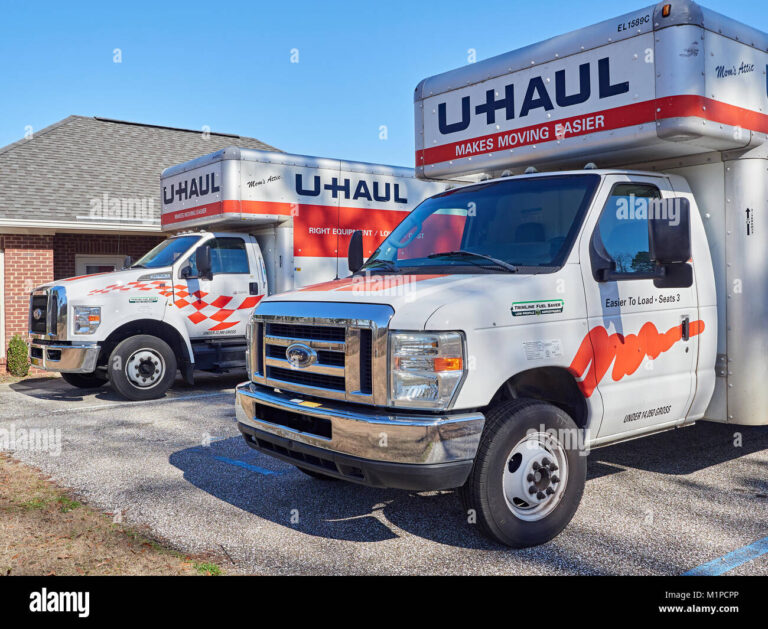
A 12 ft box truck, often referred to as a cube van or straight truck, is a commercial vehicle characterized by its distinct, enclosed rectangular cargo area that measures approximately 12 feet in length. This cargo box is permanently mounted to a truck chassis, separating the driver’s cab from the freight. Unlike semi-trucks, the box is not a detachable trailer.
This design makes them incredibly practical for a wide range of tasks. They are self-contained units, meaning the entire vehicle moves as one, which contributes to easier maneuverability compared to tractor-trailers. The enclosed box protects cargo from weather elements and provides a secure space for transport.
Why Choose a 12 Ft Box Truck? Unpacking Their Core Advantages
The popularity of the 12 ft box truck isn’t accidental; it stems from a unique blend of benefits that cater to diverse needs. This size offers a sweet spot in the commercial vehicle market, making it an excellent choice for many individuals and businesses. Let’s explore why these trucks are so highly regarded.
One of the primary advantages is their exceptional maneuverability, especially in urban environments. Larger trucks can struggle with tight turns, congested streets, and limited parking. A 12 ft box truck, however, is compact enough to navigate cityscapes, making deliveries and pickups far less stressful and more efficient.
Another significant benefit is the balance of cargo capacity and operational cost. While they offer substantial space for furniture, appliances, or business inventory, they are generally more fuel-efficient than their larger counterparts. This translates to lower running costs over time, which is a crucial factor for any budget-conscious owner.
Furthermore, 12 ft box trucks often do not require a special commercial driver’s license (CDL) for operation in most jurisdictions, as long as their Gross Vehicle Weight Rating (GVWR) is below 26,001 pounds. This significantly broadens the pool of potential drivers, simplifying hiring for businesses and making them accessible for personal use. This ease of operation reduces training requirements and simplifies compliance.
Common Applications: Who Benefits Most from a 12 Ft Box Truck?
The versatility of a 12 ft box truck makes it an invaluable asset across numerous industries and for various personal endeavors. Understanding its common uses can help you determine if this vehicle aligns with your specific requirements. These trucks truly are workhorses for a multitude of tasks.
Small businesses frequently rely on 12 ft box trucks for local deliveries. Think about appliance stores, furniture shops, florists, or landscaping companies that need to transport goods directly to customers. The enclosed box keeps products safe from theft and weather, ensuring items arrive in pristine condition.
For individuals and families, these trucks are the go-to choice for moving apartments or smaller homes. Their ample interior volume can comfortably accommodate the contents of a one or two-bedroom residence, including bulky furniture, boxes, and appliances. This often makes self-moving a cost-effective alternative to hiring professional movers.
Beyond moving and deliveries, 12 ft box trucks excel in specialized roles. They are often used by caterers for transporting food and equipment to event venues, by tradespeople like plumbers or electricians for carrying tools and materials to job sites, and even by event planners for moving decorations and supplies. Their adaptability is a huge selling point.
Key Features to Look for When Buying a 12 Ft Box Truck
When you’re in the market for a 12 ft box truck, understanding the critical features to evaluate is paramount. A careful assessment of these components will ensure you select a vehicle that meets your operational demands and offers long-term reliability. Don’t rush this part of the decision-making process.
1. Engine and Drivetrain Configuration:
The heart of any truck is its engine. You’ll primarily encounter gasoline or diesel engines in 12 ft box trucks. Gasoline engines are generally cheaper to maintain and quieter, making them suitable for frequent short-haul trips. Diesel engines, on the other hand, offer superior torque, better fuel efficiency for longer distances, and a longer lifespan, though their initial cost and maintenance can be higher.
Consider the transmission type as well. Most modern box trucks come with automatic transmissions, which are easier to drive, especially for those unfamiliar with manual shifting in a larger vehicle. A robust drivetrain ensures power is effectively transferred to the wheels, crucial for hauling heavy loads.
2. Cargo Box Construction and Features:
The material of the cargo box is vital for durability and payload protection. Common options include aluminum, which is lightweight and corrosion-resistant, and fiberglass reinforced plywood (FRP), known for its strength and impact resistance. Insulation might be a critical feature if you plan to transport temperature-sensitive goods, like food or flowers.
Inside the box, look for practical features such as robust tie-down rails or E-track systems, which are essential for securing cargo and preventing shifting during transit. A sturdy floor, often made of hardwood or composite materials, is also crucial for resisting wear and tear. A translucent roof can significantly improve interior lighting.
3. Accessibility: Liftgates and Ramps:
Loading and unloading heavy or bulky items can be a challenge, which is why a liftgate or ramp is often a non-negotiable feature. A hydraulic liftgate significantly reduces the physical effort required, allowing a single person to load heavy appliances or pallets. These come in various capacities and platform sizes.
Alternatively, a pull-out or fold-down ramp offers a simple, mechanical solution for rolling items into the truck. While less powerful than a liftgate, ramps are typically lighter, require less maintenance, and are perfect for dollies, hand trucks, or equipment with wheels. Assess your typical cargo to determine which option is best suited for your needs.
4. Cab Comfort and Ergonomics:
Even though it’s a work vehicle, driver comfort is crucial, especially for long hours on the road. Check for air conditioning, a comfortable and adjustable driver’s seat, and adequate legroom. Modern trucks often include amenities like Bluetooth connectivity, power windows, and cruise control, which enhance the driving experience and reduce fatigue.
Visibility is also key for safety. Large mirrors, possibly with convex inserts, and a well-designed windshield are important. Some newer models might even feature backup cameras or proximity sensors, which are incredibly helpful for parking and maneuvering in tight spots.
5. Maintenance History and Condition (for Used Trucks):
For used 12 ft box trucks for sale, a detailed maintenance history is perhaps the most important feature to investigate. It provides a transparent record of past repairs, oil changes, and routine service, indicating how well the previous owner cared for the vehicle. A complete history can save you from costly surprises down the road.
Beyond paperwork, a thorough physical inspection is essential. Check the tires for even wear and sufficient tread depth, examine the brakes, and look for any signs of fluid leaks under the hood or chassis. Rust on the frame or body panels can indicate neglect or exposure to harsh conditions, potentially leading to structural issues.
New vs. Used 12 Ft Box Trucks: Weighing Your Options
Deciding between a new or used 12 ft box truck is a significant part of the purchasing process. Both options present distinct advantages and disadvantages that warrant careful consideration based on your budget, immediate needs, and long-term plans. There’s no single "best" choice; it’s about what’s right for you.
Buying a New 12 Ft Box Truck:
A new truck comes with the undeniable appeal of pristine condition and the latest technology. You’ll benefit from a comprehensive manufacturer’s warranty, covering major components and providing peace of mind against unexpected repairs. New trucks also often feature improved fuel efficiency, advanced safety systems, and more comfortable cabs, contributing to a better driving experience.
However, the primary drawback of a new 12 ft box truck is its higher upfront cost and rapid depreciation. The moment you drive it off the lot, its value begins to drop significantly. While you gain reliability and modern features, you pay a premium for them, which might strain smaller budgets or new businesses.
Buying a Used 12 Ft Box Truck:
The most compelling reason to opt for a used 12 ft box truck is the significantly lower purchase price. This makes them far more accessible for startups, individuals, or businesses operating on tighter budgets. You can often acquire a well-maintained used truck with plenty of life left for a fraction of the cost of a new model, allowing you to allocate funds elsewhere.
Based on my experience, a carefully vetted used truck can be an excellent value, offering robust performance without the steep initial investment. The key here is "carefully vetted." The main risks include potential hidden mechanical issues, the absence of a warranty, and possibly outdated features or lower fuel efficiency. Thorough inspection and a vehicle history report become absolutely critical when going the used route.
Where to Find 12 Ft Box Trucks For Sale
Once you’ve decided on the type of 12 ft box truck you need, the next step is finding reputable sources to purchase from. The market offers several avenues, each with its own set of advantages and considerations. Knowing where to look can streamline your search process.
1. Commercial Truck Dealerships:
For both new and used 12 ft box trucks, dedicated commercial truck dealerships are an excellent starting point. They offer a wide selection of models, often have financing options available, and can provide maintenance and service support after the sale. Dealerships typically have sales staff knowledgeable about specific truck features and industry regulations.
When buying from a dealership, you generally benefit from a more structured and secure transaction process. Many reputable dealerships offer certified pre-owned programs for used trucks, which often include inspections and limited warranties, providing an extra layer of confidence.
2. Online Marketplaces and Classifieds:
The digital age has opened up vast opportunities for finding trucks online. Websites like CommercialTruckTrader, TruckPaper, and even general classifieds platforms like Craigslist or Facebook Marketplace list thousands of 12 ft box trucks for sale, both from dealerships and private sellers. These platforms offer convenience and a broad geographical reach.
Pro tips from us: When using online marketplaces, be cautious and always prioritize trucks with clear photos, detailed descriptions, and transparent seller information. Never commit to a purchase without seeing the truck in person and arranging an independent inspection. Be wary of deals that seem too good to be true.
3. Auctions and Fleet Liquidations:
For those willing to put in extra legwork, auctions can be a source of significant savings. Government surplus auctions, fleet liquidation sales from large companies, and specialized vehicle auctions frequently feature 12 ft box trucks. These trucks are often sold as-is, which means you assume all risks once the hammer falls.
While prices can be very competitive, the lack of detailed history or the inability to thoroughly inspect the vehicle before bidding can be a downside. This option is best for experienced buyers or those who can bring a mechanic to the auction for a quick assessment.
4. Private Sellers:
Purchasing directly from a private seller can sometimes yield a great deal, especially if they are motivated to sell quickly. You might find a truck that has been well-cared for by a small business owner or an individual. This method allows for direct negotiation and often avoids dealership markups.
The downside is the lack of formal guarantees or warranties, and the responsibility for verifying the truck’s condition and history falls entirely on you. Always insist on a test drive, a professional inspection, and obtain a vehicle history report like CARFAX or AutoCheck when dealing with private sellers.
The Buying Process: A Step-by-Step Guide to Your 12 Ft Box Truck
Acquiring a 12 ft box truck, whether new or used, involves several critical steps to ensure you make a smart investment. Following a structured approach will help you navigate the complexities and avoid common pitfalls. This isn’t just a purchase; it’s a strategic decision.
1. Define Your Needs and Budget:
Before you even start looking, clearly define what you need the truck for. What kind of cargo will you transport? What is the maximum weight? How often will you use it, and what distances will it cover? Your answers will dictate features like engine type, cargo box size (within the 12 ft range), and specific accessories like a liftgate.
Equally important is establishing a realistic budget. This includes not just the purchase price, but also potential costs for taxes, registration, insurance, and initial maintenance. Having a clear budget prevents overspending and helps narrow down your options efficiently.
2. Research and Compare Models:
With your needs defined, research different manufacturers and models of 12 ft box trucks. Brands like Ford (E-Series, Transit Cutaway), Chevrolet (Express Cutaway), GMC (Savana Cutaway), and Isuzu (N-Series) are common. Compare their specifications, reliability ratings, and user reviews. Look for models known for durability and readily available parts.
Pay attention to features such as payload capacity, fuel efficiency estimates, and standard safety features. Websites and online forums dedicated to commercial vehicles can provide valuable real-world insights from other owners.
3. Thorough Inspection and Test Drive:
Never buy a truck without a comprehensive physical inspection. For used trucks, this is non-negotiable. Check for rust, fluid leaks, tire wear, and the condition of the cargo box. Open and close all doors, test the liftgate or ramp, and examine the interior for wear and tear.
A test drive is equally crucial. Pay attention to how the truck handles, brakes, and accelerates. Listen for unusual noises from the engine or transmission. Test all lights, wipers, and the heating/AC system. If possible, drive it with some weight in the back to simulate real-world conditions.
4. Obtain a Vehicle History Report (for Used Trucks):
For any used 12 ft box truck, invest in a vehicle history report from services like CARFAX or AutoCheck. These reports can reveal critical information such as accident history, odometer discrepancies, flood damage, title issues, and previous ownership. It’s a small investment that can save you from a major headache.
5. Professional Mechanic’s Inspection:
Common mistakes to avoid are skipping a pre-purchase inspection by an independent, qualified mechanic, especially for used trucks. Even if the seller seems trustworthy, a mechanic can identify underlying issues that might not be apparent to the untrained eye. They can check the engine, transmission, brakes, suspension, and electrical systems thoroughly, giving you an unbiased assessment of the truck’s true condition.
6. Negotiation:
Once you’re satisfied with the truck’s condition, it’s time to negotiate the price. Be prepared with market research on similar trucks to support your offer. Don’t be afraid to walk away if the price isn’t right or if the seller is unwilling to budge. Factor in any identified repair needs from the mechanic’s inspection into your offer.
7. Financing and Insurance:
Explore your financing options well in advance. This could include bank loans, credit union loans, or dealer financing. Compare interest rates and terms. Simultaneously, obtain insurance quotes. Commercial vehicle insurance can be complex and varies based on usage, driver history, and cargo, so ensure you have adequate coverage before taking ownership.
8. Finalizing the Sale and Documentation:
Review all paperwork carefully before signing. Ensure the title is clear and accurately transferred to your name. Understand any extended warranties or service agreements. Complete the vehicle registration with your local Department of Motor Vehicles (DMV) or equivalent authority. Confirm all necessary documents are in order for legal ownership and operation.
Important Considerations Beyond the Purchase Price
Buying a 12 ft box truck is more than just the initial transaction; it’s an ongoing commitment. Several crucial factors extend beyond the sticker price and will impact your overall cost of ownership and operational efficiency. Overlooking these can lead to unexpected expenses.
1. Operating Costs:
The biggest ongoing cost will be fuel. Whether you choose gasoline or diesel, factor in current fuel prices and your estimated mileage. Maintenance and repairs are also inevitable. Regular oil changes, tire rotations, brake service, and occasional repairs will add up. Pro tips from us: Set aside a dedicated budget for these expenses to avoid financial strain.
2. Storage and Parking:
Where will you park your 12 ft box truck? This isn’t a small passenger car. If you don’t have adequate space at your home or business, you’ll need to consider renting a commercial parking spot, which adds to your monthly expenses. Ensure the chosen location is secure to prevent theft or vandalism.
3. Licensing and Regulations:
For most 12 ft box trucks, a standard driver’s license is sufficient, as their Gross Vehicle Weight Rating (GVWR) typically falls below the 26,001 lbs threshold that requires a CDL. However, if you plan to use the truck for commercial purposes, you might need to adhere to additional federal and state regulations, such as those from the . This can include specific registration, record-keeping, and safety requirements. Always verify local and national regulations relevant to your intended use.
4. Customization Options:
Consider if you’ll need any modifications or customizations. This could include adding interior shelving, specialized ramps, refrigeration units for temperature-controlled cargo, or even branding with your company’s logo. These additions enhance functionality and professionalism but come with extra costs. Plan for these upgrades in your overall budget.
Maintenance Tips for Your 12 Ft Box Truck
Proper maintenance is the cornerstone of longevity and reliability for your 12 ft box truck. Neglecting routine care can lead to costly breakdowns and premature wear, impacting your business operations or personal moving plans. A proactive approach will save you time and money in the long run.
1. Adhere to a Regular Service Schedule:
Follow the manufacturer’s recommended maintenance schedule meticulously. This includes timely oil changes, filter replacements (oil, air, fuel), and fluid checks (transmission, brake, coolant). These routine tasks prevent wear and tear and ensure all systems are operating optimally. Based on my experience, consistent preventative maintenance is far cheaper than emergency repairs.
2. Tire Care is Crucial:
Tires are subjected to immense stress under heavy loads. Regularly check tire pressure, as under-inflated tires can lead to poor fuel economy, uneven wear, and even blowouts. Rotate tires according to the service schedule to promote even wear and extend their lifespan. Inspect them for any signs of damage, cracks, or embedded objects.
3. Brake System Vigilance:
The braking system is paramount for safety, especially when hauling cargo. Have your brakes inspected regularly for wear on pads, rotors, and calipers. Pay attention to any squealing, grinding, or a spongy brake pedal, as these are indicators that service is needed immediately.
4. Inspect the Cargo Box:
Don’t forget the box itself! Regularly inspect the interior and exterior for damage, leaks, or signs of wear. Check the integrity of the floor, walls, and roof. Lubricate hinges and latches on rear doors and liftgates to ensure smooth operation. Address any small issues promptly to prevent them from escalating.
5. Keep Records:
Maintain a detailed log of all maintenance performed, including dates, mileage, and specific services. This record not only helps you stay on schedule but also serves as valuable documentation if you decide to sell the truck later. A well-documented maintenance history significantly enhances resale value.
Resale Value and Future Planning
Thinking about the future value of your 12 ft box truck is a smart financial move. Just like any vehicle, its resale value will be influenced by several factors, and understanding these can help you make strategic decisions down the line. Planning ahead can maximize your return.
Factors such as the truck’s make and model, overall condition, mileage, and a comprehensive service history significantly impact its resale potential. Well-maintained trucks with lower mileage and popular features tend to command higher prices. Any customization or specialized equipment you’ve added might also influence its appeal to specific buyers.
Consider when it might be time to upgrade or sell. If your business needs change, requiring a larger or smaller vehicle, or if maintenance costs start to outweigh the truck’s operational value, it could be an opportune moment to explore selling. Regular evaluations of your truck’s performance and your evolving needs are key to smart future planning.
Conclusion: Driving Forward with Confidence
The 12 ft box truck stands out as an incredibly versatile and practical vehicle, perfectly bridging the gap between smaller vans and larger commercial trucks. Whether you’re a small business owner needing reliable delivery transport, a tradesperson moving equipment, or an individual planning a significant relocation, this size offers an optimal blend of capacity, maneuverability, and cost-effectiveness.
By understanding the key features, navigating the buying process carefully, and committing to diligent maintenance, you can ensure your investment in a 12 ft box truck provides exceptional value for years to come. With the insights shared in this guide, you are now well-equipped to make an informed decision and find the perfect 12 ft box truck for sale that meets all your specific requirements. Start your search today with confidence and clarity!