The Ultimate Guide: Finding the Best Truck to Haul Your Camper with Confidence
The Ultimate Guide: Finding the Best Truck to Haul Your Camper with Confidence Lmctruck.Guidemechanic.com
Embarking on the open road with your camper is a dream for many, promising adventure, freedom, and unforgettable memories. However, the cornerstone of a safe and enjoyable RV experience lies in choosing the best truck to haul your camper. This isn’t just about raw power; it’s about a harmonious match between your tow vehicle and your home-on-wheels. Making the wrong choice can lead to significant safety hazards, accelerated wear and tear on your vehicle, and a frustrating towing experience.
Based on my extensive experience in the RV and automotive world, selecting the right truck requires careful consideration of various factors beyond just the manufacturer’s towing capacity sticker. We’re going to dive deep into everything you need to know, from understanding crucial terminology to deciphering truck classes and identifying essential features. Our goal is to equip you with the knowledge to make an informed decision, ensuring your journey is as smooth and secure as possible.
The Ultimate Guide: Finding the Best Truck to Haul Your Camper with Confidence
The Foundation of Safe Towing: Understanding Key Terminology
Before you even start browsing truck models, it’s absolutely vital to grasp the core terminology associated with towing. These terms aren’t just technical jargon; they are the fundamental numbers that dictate what your truck can safely handle. Ignoring them is one of the common mistakes to avoid when pairing a truck with a camper.
Towing Capacity: More Than Just a Number
Towing capacity refers to the maximum weight a vehicle can safely pull. This figure is determined by the manufacturer, taking into account the engine, transmission, frame, axles, and brakes. It’s often the first number people look at, but it’s crucial to understand it’s a maximum under ideal conditions.
Always remember that this number can be reduced by factors like passengers, cargo in the truck bed, and even certain optional equipment. Don’t assume you can tow a trailer that weighs exactly the truck’s maximum capacity without considering other variables.
Payload Capacity: Your Truck’s Carrying Power
Payload capacity is arguably even more critical than towing capacity, especially for fifth-wheel campers and truck campers. This represents the maximum weight your truck can carry, including passengers, cargo in the cab and bed, and the tongue or pin weight of your trailer. It’s the total weight you can put on the truck itself.
Many new tower owners often overlook payload, focusing solely on the trailer’s weight. However, exceeding your truck’s payload capacity can lead to dangerous handling issues, premature suspension wear, and potential legal trouble. Always calculate your loaded truck’s weight to stay within this vital limit.
GVWR (Gross Vehicle Weight Rating): The Truck’s Total Limit
The Gross Vehicle Weight Rating (GVWR) specifies the maximum allowable weight of the fully loaded truck itself. This includes the truck’s curb weight, all fluids, passengers, cargo, and the tongue or pin weight of the attached trailer. Think of it as the maximum weight the truck’s tires, axles, and suspension can safely support.
You’ll find the GVWR on a sticker inside your truck’s driver’s side door jamb. It’s a non-negotiable limit that ensures the structural integrity and safe operation of your vehicle. Staying under this number is paramount for safety.
GCWR (Gross Combined Weight Rating): The Grand Total
The Gross Combined Weight Rating (GCWR) is the absolute maximum weight of the fully loaded tow vehicle and the fully loaded trailer, combined. This includes everything: the truck’s weight, all its contents, and the trailer’s weight with all its gear and fluids. It’s the maximum amount of weight the entire setup can move and stop safely.
This figure accounts for the combined strain on the engine, transmission, and braking system. Exceeding the GCWR puts immense stress on your drivetrain, significantly increasing stopping distances and creating a dangerous situation on the road.
Tongue Weight / Pin Weight: The Critical Connection
Tongue weight refers to the downward force exerted by a travel trailer’s coupler onto the truck’s hitch receiver. For fifth-wheel trailers, this is called pin weight, and it’s the downward force exerted by the trailer’s kingpin onto the fifth-wheel hitch in the truck’s bed. This weight is a crucial part of your truck’s payload.
Ideally, tongue weight should be 10-15% of the total trailer weight for travel trailers, and pin weight typically ranges from 15-25% for fifth-wheels. Too little tongue/pin weight can cause dangerous trailer sway, while too much can overload the truck’s rear axle and reduce steering control.
Dry Weight vs. Wet Weight: Real-World Considerations
When looking at camper specifications, you’ll often see "dry weight," which is the weight of the camper straight from the factory, empty. This number is almost always misleading for real-world towing. "Wet weight," or GVWR (Gross Vehicle Weight Rating) of the trailer, is what you should truly consider.
The wet weight includes all your gear, water in the tanks, propane, food, and personal belongings. This loaded weight is significantly higher than the dry weight and is the figure you must use when calculating your truck’s required towing capacity. Pro tips from us: always assume your loaded camper will be very close to its maximum GVWR.
Types of Campers and Their Demands
The type of camper you own or plan to purchase is the primary determinant of the truck you’ll need. Each camper style presents unique towing and payload challenges. Understanding these differences will guide you toward the best truck to haul your specific camper.
Travel Trailers: The Versatile Choice
Travel trailers are perhaps the most common type of towable RV, ranging from lightweight teardrops to large bunkhouse models. They attach to a conventional bumper-pull hitch receiver on the back of your truck. Their weight can vary wildly, from under 3,000 pounds up to 10,000 pounds or more.
Most half-ton trucks can handle smaller to mid-sized travel trailers comfortably. However, larger travel trailers, especially those over 28 feet or weighing more than 7,000-8,000 pounds, often push the limits of a half-ton’s payload and stability, potentially requiring a heavier-duty truck. Always factor in the total length as well, as longer trailers can induce more sway.
Fifth-Wheel Campers: Stability and Space
Fifth-wheel campers are generally larger, heavier, and offer more interior space than travel trailers. They connect to a special fifth-wheel hitch mounted in the bed of a pickup truck, placing a significant portion of their weight directly over the truck’s rear axle. This design provides superior stability and handling compared to bumper-pull trailers.
Due to their substantial weight and the high pin weight they impose on the truck’s payload, fifth-wheel campers almost always require a three-quarter-ton (250/2500 series) or one-ton (350/3500 series) heavy-duty truck. Half-ton trucks are rarely suitable for fifth-wheels, even small ones, due to payload limitations.
Pop-Up Campers & Teardrops: Minimalist Towing
At the lighter end of the spectrum are pop-up campers and compact teardrop trailers. These RVs are designed for minimal weight and ease of towing, often weighing well under 3,000 pounds. They are an excellent choice for those with smaller tow vehicles or who prioritize fuel efficiency.
Many SUVs, minivans, and even some crossover vehicles can safely tow these lighter campers. If you’re looking for the best truck to haul a camper in this category, almost any half-ton pickup will be overkill but will tow them effortlessly.
Toy Haulers: Carrying Your Toys and Home
Toy haulers are unique in that they combine living space with a garage area for ATVs, motorcycles, or other recreational gear. This means they are inherently heavier than standard travel trailers or fifth-wheels of similar size, even when empty. The weight of your "toys" must also be factored into the equation.
Like fifth-wheels, most toy haulers, whether bumper-pull or fifth-wheel style, demand a heavy-duty truck. Their increased weight and often substantial cargo capacity mean you’ll likely need a three-quarter-ton or, more often, a one-ton truck to safely transport them and your gear.
Decoding Truck Classes: Half-Ton, Three-Quarter-Ton, and One-Ton
Pickup trucks are broadly categorized by their carrying and towing capabilities, often referred to by their "ton" ratings. These classifications are crucial for matching a truck to your camper’s demands. Understanding these distinctions will help you pinpoint the best truck to haul your camper.
Half-Ton Trucks (1500/150 Series): The Everyday Workhorse
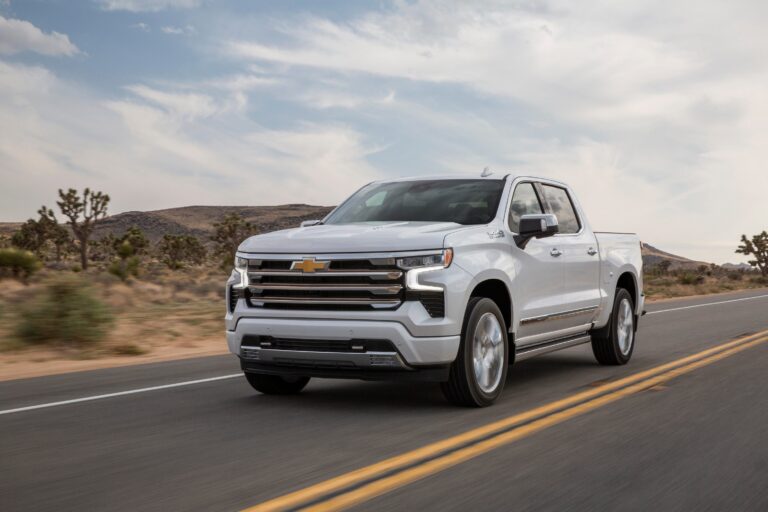
Half-ton trucks, such as the Ford F-150, Ram 1500, Chevrolet Silverado 1500, and Toyota Tundra, are the most popular trucks on the market. They offer a comfortable ride, versatile utility, and often impressive towing capacities that can range from 7,000 to over 13,000 pounds in some configurations. They are excellent daily drivers.
These trucks are generally ideal for towing smaller to mid-sized travel trailers, pop-ups, and light utility trailers. However, their payload capacity, which typically ranges from 1,500 to 2,500 pounds, can quickly become a limiting factor, especially with larger travel trailers or any fifth-wheel. Always check the specific payload sticker for your chosen truck.
Three-Quarter-Ton Trucks (2500/250 Series): Stepping Up to Heavy Duty
When your camper starts to grow in size and weight, a three-quarter-ton truck like the Ford F-250, Ram 2500, or Chevrolet Silverado 2500HD becomes the minimum requirement for safe towing. These heavy-duty trucks are built with stronger frames, more robust suspension components, and larger braking systems. They often feature more powerful engine options, including turbodiesels.
Three-quarter-ton trucks typically offer towing capacities upwards of 15,000 pounds and payload capacities ranging from 2,500 to 4,000 pounds. This makes them perfectly suited for larger travel trailers and many mid-sized fifth-wheel campers. They provide a much more stable and controlled towing experience for heavier loads than a half-ton.
One-Ton Trucks (3500/350 Series): The Heavy Haulers
For the largest fifth-wheel campers, toy haulers, and any exceptionally heavy travel trailer, a one-ton truck (Ford F-350, Ram 3500, Chevrolet Silverado 3500HD) is often necessary. These are the titans of the towing world, designed to handle extreme weights with confidence. They share many components with their three-quarter-ton counterparts but often boast even stronger frames, higher-rated axles, and sometimes offer dual rear wheels (dually configuration) for maximum stability and payload.
One-ton trucks can have towing capacities exceeding 20,000 pounds, with some reaching over 30,000 pounds. Their payload capacities can easily surpass 4,000 pounds, with dually models sometimes offering over 7,000 pounds of payload. This immense capability is what makes them the best truck to haul a camper that is truly massive.
Beyond One-Ton (4500/450 Series): For the Extreme Loads
For the absolute heaviest of campers, such as large commercial trailers or extremely oversized fifth-wheel RVs, some manufacturers offer chassis cab trucks like the Ford F-450 or Ram 4500/5500. These are typically not consumer-grade pickups in the traditional sense but are specialized heavy-duty machines. If your camper requires this level of truck, you’re likely dealing with a highly specialized setup.
Essential Truck Features for Camper Hauling
Beyond the basic class, specific features and options within a truck can dramatically impact its towing prowess and your overall experience. When searching for the best truck to haul your camper, pay close attention to these details.
Engine & Transmission: The Powerhouse and Its Partner
The heart of any tow vehicle is its engine. For serious towing, you’ll generally be looking at powerful V8 gasoline engines or, more commonly, turbodiesel engines. Diesel engines, available in three-quarter-ton and one-ton trucks, offer significantly more torque at lower RPMs, which is ideal for getting heavy loads moving and maintaining speed on inclines. They also tend to be more fuel-efficient while towing.
Modern transmissions, often with 8 or 10 speeds, are designed to work seamlessly with these powerful engines, ensuring the right gear is always engaged. Pro tip: look for features like "Tow/Haul Mode," which optimizes transmission shift points and engine braking for towing, reducing wear and improving control.
Braking Systems: Stopping Power is Paramount
A truck’s ability to stop a heavy load is just as important as its ability to pull it. Heavy-duty trucks come equipped with larger, more robust brakes than their half-ton counterparts. An integrated trailer brake controller is an absolute must-have feature, allowing you to manually or automatically apply the trailer’s brakes for smoother, safer stops.
Many trucks also offer exhaust brakes (on diesels) or engine braking features, which use the engine’s compression to slow the vehicle and trailer, especially beneficial on long descents. This helps preserve your truck’s service brakes and prevents overheating.
Suspension & Stability: Keeping Things Level and Smooth
A heavy-duty suspension system is critical for supporting the weight of a camper and maintaining a level ride height. Three-quarter-ton and one-ton trucks come standard with stiffer springs and shocks designed for heavy loads. Airbag helper springs are a popular aftermarket addition that can further enhance load leveling and ride quality.
Electronic sway control systems, often integrated into the truck’s stability control, can automatically detect and mitigate trailer sway before it becomes dangerous. This feature provides an extra layer of safety, especially for travel trailers.
Axle Ratios: The Gearing Advantage
Axle ratio refers to the number of rotations the driveshaft makes for every rotation of the wheel. A "higher" numerical axle ratio (e.g., 3.73:1 or 4.10:1) provides more torque to the wheels, improving towing performance, especially from a standstill and on hills. The trade-off is often slightly lower fuel economy when not towing.
For dedicated towing, a higher axle ratio is generally preferred. When configuring your truck, carefully consider the available axle ratios as they significantly impact the truck’s maximum towing capacity and how easily it handles heavy loads.
Tires: Your Only Contact with the Road
The tires on your truck are fundamental to safe towing. Heavy-duty trucks are equipped with "LT" (Light Truck) rated tires, which have stronger sidewalls and higher load-carrying capacities than standard passenger car (P-metric) tires. Always ensure your tires are properly inflated to the manufacturer’s recommended pressure for towing, as underinflated tires can lead to overheating and blowouts.
Look for tires with a high load range (e.g., Load Range E) if you plan on consistently hauling heavy campers. Regularly inspect your tires for wear and tear, and never exceed their maximum load rating.
Hitch Types: The Connection Point
For travel trailers, you’ll need a receiver hitch, typically a Class IV or V, bolted to the truck’s frame. A weight distribution hitch (WDH) is strongly recommended for travel trailers over 5,000 pounds to distribute the tongue weight evenly across both truck and trailer axles, reducing sag and improving stability.
For fifth-wheel campers, a specialized fifth-wheel hitch is installed in the truck bed, directly over or slightly ahead of the rear axle. These hitches come in various capacities and designs, including fixed, sliding (for short beds), and gooseneck-compatible options. Choosing the right hitch is crucial for proper connection and safety.
Truck Bed Length: A Factor for Fifth-Wheels
The length of your truck bed can be a critical consideration, especially if you’re towing a fifth-wheel camper. A standard 8-foot long bed provides ample clearance between the front of the fifth-wheel and the truck’s cab during turns.
However, many modern trucks come with 5.5-foot or 6.5-foot short beds. When towing a fifth-wheel with a short-bed truck, a "sliding" or "pivoting" fifth-wheel hitch is often required. This type of hitch allows the trailer’s kingpin to move rearward during tight turns, preventing the trailer from contacting the truck’s cab.
Our Top Picks: Characteristics of the Best Trucks to Haul Campers
While specific models and years vary, understanding the characteristics that make certain trucks excel in different categories will guide your choice. We focus on the general capabilities of truck classes here, as specific model years offer various configurations.
Best for Lighter Travel Trailers (Under 7,000 lbs GVWR)
For smaller to mid-sized travel trailers, you’re generally looking at modern half-ton trucks. These offer a good balance of daily drivability and sufficient towing capability.
- Key Characteristics:
- Powerful V8 gas engines (e.g., Ford’s EcoBoost V6s also excel here) delivering ample horsepower and torque.
- High towing capacity packages that include upgraded axles, transmission coolers, and often integrated brake controllers.
- Adequate payload capacity (check your specific truck’s yellow sticker) to handle the trailer’s tongue weight plus passengers and gear.
- Advanced safety features like blind-spot monitoring and trailer sway control are a plus.
Best for Mid-Size Travel Trailers & Smaller Fifth-Wheels (7,000-12,000 lbs GVWR)
This category often marks the transition into heavy-duty territory, where three-quarter-ton trucks truly shine. They offer a significant leap in stability and safety.
- Key Characteristics:
- Heavy-duty frames and suspension systems designed to bear heavier loads and resist flex.
- Larger displacement gasoline V8 engines or turbodiesel options providing superior torque for effortless towing.
- Significantly higher payload capacity to comfortably accommodate the pin weight of smaller fifth-wheels or the tongue weight of larger travel trailers.
- Integrated trailer brake controllers and exhaust/engine braking for confident stopping power.
- Robust braking systems to manage increased weight.
Best for Large Fifth-Wheels & Toy Haulers (Over 12,000 lbs GVWR)
When you’re dealing with the largest towables, only a one-ton heavy-duty truck will suffice. These trucks are engineered for the most demanding towing tasks.
- Key Characteristics:
- Class-leading turbodiesel engines offering immense torque and horsepower, essential for heavy hauling.
- Maximum payload capacity, often exceeding 4,000 lbs, with dually options pushing well over 6,000-7,000 lbs. This is crucial for large fifth-wheels and toy haulers.
- Reinforced frames, axles, and suspension components to handle extreme weights.
- Available dually configurations (dual rear wheels) for unparalleled stability and load-carrying capability.
- Advanced towing technologies such as multiple camera views, trailer tire pressure monitoring, and advanced braking systems.
Beyond the Specs: Real-World Considerations & Pro Tips
Choosing the best truck to haul your camper isn’t just about matching numbers; it’s also about practical considerations and embracing safe towing practices. Here are some invaluable tips.
Budgeting: More Than Just the Purchase Price
Consider the total cost of ownership. Heavy-duty trucks, especially diesels, often have a higher initial purchase price and can be more expensive to maintain. Factor in fuel costs, as towing significantly impacts MPG, and remember that diesel fuel can be more expensive. Don’t forget insurance and potential upgrades like aftermarket airbags or hitches.
Maintenance: A Heavy-Duty Commitment
Towing puts extra strain on your truck’s engine, transmission, brakes, and suspension. Regular and diligent maintenance is crucial. This includes more frequent oil changes, transmission fluid checks, brake inspections, and tire rotations. Neglecting maintenance is a common mistake that can lead to costly breakdowns and unsafe towing conditions.
Safety First: Your Priority on the Road
Always prioritize safety. Before every trip, perform a thorough pre-trip inspection: check tire pressures on both truck and trailer, ensure all lights are working, confirm hitch connection is secure, and test the trailer brakes. Drive defensively, allow extra stopping distance, and be mindful of crosswinds. Consider taking an RV driving course to hone your skills. For more detailed safety guidelines, refer to trusted external sources like the National Highway Traffic Safety Administration (NHTSA) towing safety guidelines.
Common Mistakes to Avoid Are:
- Underestimating Camper Weight: Always use the camper’s GVWR, not dry weight, for calculations.
- Ignoring Payload: Forgetting to factor in passengers, cargo in the truck, and tongue/pin weight can quickly lead to an overloaded truck.
- Not Using a Weight Distribution Hitch: For travel trailers, a WDH is vital for stability and proper weight distribution.
- Improper Tire Pressure: Incorrect tire pressure is a leading cause of tire failure and instability.
- Rushing the Setup: Take your time with hitching, safety chain connection, and brake controller setup.
Test Drive with a Camper: The Ultimate Test
If possible, try to test drive a potential truck with a camper similar in weight and size to yours. This real-world experience will give you invaluable insight into how the truck handles the load, how it accelerates, and how confidently it brakes. It’s the best way to truly feel the difference between various setups.
Conclusion: Your Journey Starts Here
Choosing the best truck to haul your camper is one of the most significant decisions you’ll make in your RVing journey. It’s a decision that impacts not only your safety and the longevity of your vehicles but also the overall enjoyment of your adventures. By thoroughly understanding towing terminology, matching your truck’s capabilities to your camper’s demands, and prioritizing essential features, you can make an informed choice with confidence.
Remember, the goal isn’t just to pull your camper; it’s to pull it safely, comfortably, and without undue stress on your equipment. Invest the time in research, do your calculations diligently, and don’t be afraid to err on the side of caution with capacity. Once you’ve found that perfect match, the open road truly awaits. Happy trails!