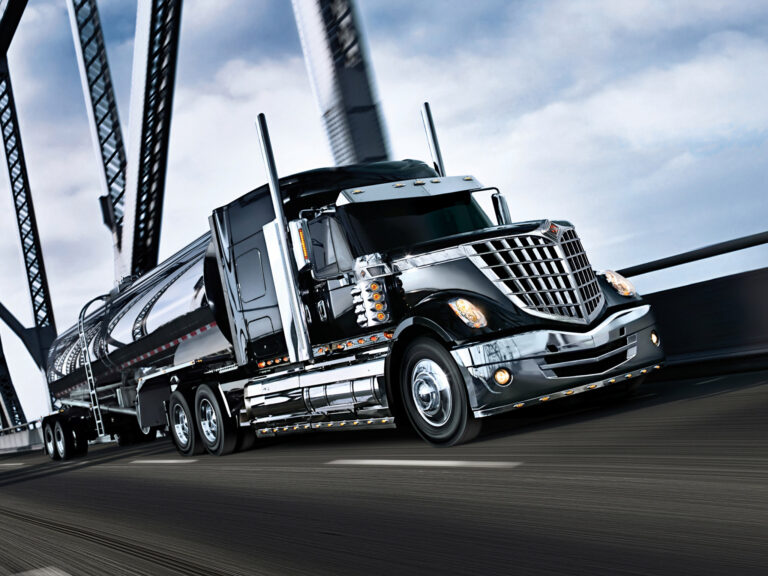
The Ultimate Guide: Choosing the Best Truck for Towing Your Trailer
The Ultimate Guide: Choosing the Best Truck for Towing Your Trailer Lmctruck.Guidemechanic.com
Embarking on an adventure with a travel trailer, hauling essential equipment for a job, or transporting your prized boat to the lake – all these scenarios share a common need: the right truck for the job. Choosing the best truck for towing a trailer isn’t just about finding the biggest engine or the highest tow rating. It’s a nuanced decision that impacts your safety, efficiency, and overall towing experience.
As an expert blogger and professional in the automotive and towing industry, I’ve seen countless individuals struggle with this crucial choice. This comprehensive guide is designed to demystify the process, providing you with the in-depth knowledge and practical insights needed to confidently select a towing companion that perfectly matches your needs. We’ll dive deep into capacities, engine types, essential features, and real-world considerations, ensuring you’re well-equipped to make an informed decision.
The Ultimate Guide: Choosing the Best Truck for Towing Your Trailer
Why Choosing the Right Tow Truck Matters More Than You Think
Selecting the appropriate truck for your towing demands goes far beyond simple convenience. It’s fundamentally about safety – for you, your passengers, your cargo, and everyone else on the road. An underpowered or improperly equipped truck can lead to dangerous situations, from uncontrollable sway to extended braking distances and even mechanical failure.
Beyond safety, the right truck ensures efficiency and longevity. A vehicle constantly operating at its limits will wear out faster, consume more fuel, and deliver a stressful, uncomfortable ride. Conversely, a well-matched truck provides a stable, confident towing experience, preserving your vehicle’s health and your peace of mind.
Understanding the Core Principles of Towing Capacity
Before we even look at specific truck models, it’s absolutely vital to grasp the fundamental metrics that define a truck’s towing capabilities. Misinterpreting these numbers is a common pitfall, leading to dangerous overloads or unnecessary expenses on an overpowered vehicle. Let’s break down the key terms.
Towing Capacity: Not Just a Single Number
Towing capacity refers to the maximum weight a vehicle can safely pull. This figure is determined by the manufacturer and takes into account various components, including the engine, transmission, frame, axle ratio, and suspension system. It’s often the first number people look at, but it’s crucial to understand it’s a maximum under ideal conditions.
Based on my extensive experience in the towing world, many people fixate solely on this maximum number, assuming any trailer below it is fine. However, this capacity typically assumes a driver and minimal cargo in the truck. Adding passengers, luggage, tools, or even a full fuel tank can significantly reduce the actual available towing capacity for your trailer. Always consult your truck’s owner’s manual for specific guidelines and ensure your loaded trailer weight is comfortably below this limit.
Payload Capacity: The Often-Overlooked Hero
Payload capacity is arguably just as important as towing capacity, if not more so, yet it’s frequently misunderstood or ignored. This number represents the maximum amount of weight your truck can carry inside its cab and bed, including passengers, cargo, and the tongue weight of your trailer. It’s a critical factor because every pound added to your truck directly reduces its available payload.
Pro tips from us: The tongue weight of your trailer – the downward force exerted on your hitch – is a significant part of your payload. For conventional bumper-pull trailers, tongue weight should ideally be 10-15% of the total trailer weight. For a 10,000-pound trailer, that’s 1,000 to 1,500 pounds sitting directly on your truck’s hitch, consuming a large chunk of your payload capacity. Always calculate your loaded trailer’s tongue weight and add it to the weight of your passengers and cargo in the truck to ensure you stay within the payload limits.
Gross Vehicle Weight Rating (GVWR): Your Truck’s Max Weight
The GVWR is the absolute maximum permissible weight of your fully loaded truck, including the truck itself, all occupants, cargo, and the trailer’s tongue weight. This rating is set by the manufacturer and is often found on a sticker inside the driver’s side door jamb. Exceeding the GVWR puts undue stress on every component of your truck, from tires and brakes to suspension and frame.
A common mistake we often see is focusing only on the trailer weight and forgetting the truck’s loaded weight. Remember, your truck’s weight plus its payload must not exceed its GVWR. If your trailer’s tongue weight, combined with your truck’s inherent weight and the weight of everything else inside it, pushes you over the GVWR, you’re in an unsafe and potentially illegal situation, regardless of whether you’re under your towing capacity.
Gross Combined Weight Rating (GCWR): The Total Package Limit
The GCWR is the maximum allowable weight of the entire combination: your fully loaded truck and your fully loaded trailer. This is the ultimate limit for the entire rig. It encompasses the GVWR of the truck and the Gross Trailer Weight (GTW) of the trailer. If your combined weight exceeds the GCWR, you’re asking too much of your powertrain, brakes, and chassis.
Understanding GCWR is essential for holistic towing safety. It’s the final arbiter of what your entire system can handle. Always ensure the sum of your truck’s actual weight (with passengers and cargo) and your trailer’s actual weight (with its contents) remains below the GCWR. This ensures your vehicle can accelerate, stop, and handle safely under all conditions.
Key Factors to Consider When Choosing a Tow Truck
With the fundamental terminology understood, let’s explore the practical considerations that will guide you toward the perfect towing machine. Each element plays a crucial role in performance, safety, and comfort.
What Are You Towing? The Starting Point
The first and most important question is: what exactly do you plan to tow? The type of trailer, its estimated loaded weight, and how frequently you’ll be towing it are paramount. A small utility trailer for occasional yard work demands a very different truck than a large fifth-wheel RV for cross-country trips or a heavy commercial flatbed for daily equipment transport.
If you’re towing a lightweight boat or a small pop-up camper, a half-ton truck might be perfectly adequate. For larger travel trailers, toy haulers, or horse trailers, you’ll likely need to step up to a three-quarter-ton or even a one-ton truck. Knowing your trailer’s Gross Trailer Weight (GTW) when fully loaded is the cornerstone of your decision.
Engine Type: Gas vs. Diesel Power
The engine is the heart of your towing beast, and the choice between gas and diesel profoundly impacts performance and efficiency under load.
Gas Engines:
Modern gas engines offer impressive horsepower and are generally more affordable upfront. They are excellent for lighter to medium-duty towing and for drivers who tow less frequently. They warm up faster and are typically quieter. However, when towing heavy loads, gas engines often need to rev higher to produce sufficient torque, which can lead to lower fuel economy and more wear and tear over time. They are generally better suited for conventional towing with trailers that don’t push the limits of half-ton or lighter three-quarter-ton capacities.
Diesel Engines:
Diesel engines are the undisputed kings of heavy-duty towing. They produce significantly more torque at lower RPMs compared to gas engines, making them ideal for pulling massive loads up steep grades without straining. They offer superior fuel economy when towing heavy, greater longevity, and often come with exhaust brakes, which provide invaluable assistance in controlling speed on descents. While they have a higher initial cost and more expensive maintenance, their performance, durability, and efficiency under extreme loads often justify the investment for frequent heavy haulers.
Drivetrain: 2WD vs. 4WD for Towing
Most towing scenarios will be handled perfectly well by a 2WD (two-wheel drive) truck, specifically rear-wheel drive (RWD), which is standard for trucks. RWD provides excellent traction for pulling due to the weight transfer over the rear axle. However, if you anticipate towing on unpaved roads, boat ramps, muddy campsites, or in snowy conditions, 4WD (four-wheel drive) becomes a highly valuable asset.
Keep in mind that 4WD systems add weight to the truck, which slightly reduces its payload and towing capacity. For pure on-road towing, 2WD is often sufficient and more fuel-efficient. But for versatility and confidence in challenging terrains, 4WD is a worthwhile upgrade.
Transmission: Gearing for the Long Haul
A robust transmission is critical for towing. Modern automatic transmissions, with 8, 9, or even 10 speeds, are highly sophisticated and efficient. They are designed to select the optimal gear to keep the engine in its power band, preventing it from lugging or over-revving. Many also feature a "tow/haul" mode that adjusts shift points, engine braking, and throttle response for better control and performance when towing.
Based on my experience, adequate transmission cooling is non-negotiable for towing longevity. Overheating transmission fluid is a leading cause of transmission failure. Most trucks designed for towing will come with an integrated transmission cooler, but it’s always wise to verify this, especially if you plan on pushing the limits.
Axle Ratio: The Gearing Advantage
The axle ratio, sometimes called the final drive ratio, refers to the number of rotations the driveshaft makes for one rotation of the wheels. A "higher" numerical ratio (e.g., 3.73:1 or 4.10:1) means the engine spins more revolutions for each wheel rotation, providing more torque at the wheels. This is excellent for towing heavy loads, as it makes it easier to get moving and maintain speed up inclines.
However, a higher axle ratio generally means higher engine RPMs at highway speeds, which can negatively impact fuel economy when not towing. A "lower" numerical ratio (e.g., 3.21:1 or 3.42:1) offers better fuel efficiency for daily driving but less pulling power. When ordering a new truck, selecting an optional higher axle ratio is one of the most cost-effective ways to significantly boost its towing capabilities.
Brake Systems: Beyond the Truck’s Own Brakes
When you double the weight of your vehicle by adding a trailer, you effectively double the braking demands. While your truck’s brakes are important, the most critical component for safe trailer braking is an integrated trailer brake controller. This device allows your truck’s braking system to communicate with and activate your trailer’s electric or electric-over-hydraulic brakes, ensuring coordinated stopping power.
Common mistakes to avoid are relying solely on your truck’s brakes or using aftermarket brake controllers that aren’t perfectly integrated. A factory-installed or properly installed aftermarket brake controller provides proportional braking, meaning the trailer brakes with the same intensity as the truck, preventing dangerous jackknifing or premature trailer brake lock-up.
Suspension and Frame Strength: The Foundation of Stability
A truck’s suspension system and frame are foundational to its towing prowess. Heavy-duty trucks typically feature stiffer springs, stronger shock absorbers, and sometimes even factory-installed air suspension options that can automatically level the truck under load, improving stability and ride quality. A robust, fully-boxed frame provides superior rigidity and strength compared to older C-channel designs, minimizing flex and improving overall handling with a heavy trailer.
From years of advising countless truck buyers, I can tell you that a weak suspension or frame can lead to excessive sway, a "squatting" rear end (reducing steering authority), and an uncomfortable, unsafe towing experience. Don’t underestimate the importance of these structural components.
Tires: The Only Contact with the Road
Your truck’s tires are the single point of contact with the road, and their role in towing safety cannot be overstated. When towing, you need tires with an adequate load range (e.g., Load Range E for heavy-duty trucks) and proper inflation pressure. Underinflated tires can lead to excessive heat buildup, blowouts, and poor handling.
Always check your truck’s door jamb sticker and your trailer’s tire recommendations for correct inflation pressures when towing. Investing in high-quality, load-rated tires is a small price to pay for significant safety and peace of mind.
The Contenders: Best Truck Categories for Towing
Now that we understand the underlying principles, let’s look at the general categories of trucks best suited for various towing needs.
Half-Ton Trucks (Light-Duty Pickups)
Examples: Ford F-150, Ram 1500, Chevrolet Silverado 1500, GMC Sierra 1500, Toyota Tundra, Nissan Titan.
Half-ton trucks are the most popular category, offering a blend of daily drivability, comfort, and respectable towing capabilities. Modern half-tons can often tow surprisingly heavy loads, with some configurations reaching 13,000+ pounds (e.g., Ford F-150 with Max Trailer Tow Package). They are typically powered by V6 or V8 gasoline engines, with some offering diesel or hybrid options.
Best for: Smaller to medium-sized travel trailers, utility trailers, ATVs, boats, and most recreational towing needs. They excel when the loaded trailer weight is generally under 8,000-10,000 pounds, leaving a comfortable margin. They are also excellent choices for those who use their truck as a daily driver.
Pros: More comfortable ride, better fuel economy when unloaded, easier to maneuver in urban environments, generally lower purchase price.
Cons: Limited payload capacity can be quickly eaten up by tongue weight, passengers, and gear; less stable with very heavy or long trailers compared to heavy-duty trucks.
Three-Quarter-Ton Trucks (Heavy-Duty Pickups)
Examples: Ford F-250, Ram 2500, Chevrolet Silverado 2500HD, GMC Sierra 2500HD.
Stepping up to a three-quarter-ton truck brings a significant increase in towing and payload capacities. These trucks feature stronger frames, heavier-duty suspension components, larger brakes, and often come with more powerful engine options, particularly robust diesel engines. They are designed with towing as a primary function, not just an afterthought.
Best for: Larger travel trailers, smaller fifth-wheel campers, horse trailers, car haulers, and heavier equipment trailers. They provide a much more stable and controlled towing experience for loads typically ranging from 10,000 to 18,000 pounds.
Pros: Substantially higher towing and payload capacities, greater stability with heavy loads, available with powerful diesel engines and exhaust brakes, built for durability.
Cons: Harsher ride when unloaded, lower fuel economy (especially with gas engines), larger and less maneuverable in tight spaces, higher purchase price and maintenance costs.
One-Ton Trucks (Heavy-Duty Pickups)
Examples: Ford F-350/F-450, Ram 3500, Chevrolet Silverado 3500HD, GMC Sierra 3500HD.
One-ton trucks represent the pinnacle of consumer-grade towing power. They share many components with their three-quarter-ton counterparts but feature even heavier-duty frames, suspension, and axle ratings. Many one-ton trucks are available with a "dually" (dual rear wheel) option, which significantly boosts stability and rear axle capacity, making them ideal for massive fifth-wheel or gooseneck trailers.
Best for: The largest fifth-wheel RVs, multi-horse trailers, large gooseneck flatbeds, heavy commercial hauling, and toy haulers that push the limits. These trucks can handle loads upwards of 20,000 pounds, with some configurations exceeding 30,000 pounds.
Pros: Maximum towing and payload capacities, unmatched stability for extremely heavy loads, often come standard with robust diesel engines and advanced towing features.
Cons: Very stiff ride when unloaded, poor fuel economy, expensive to purchase and maintain, challenging to park and maneuver, especially dually models. Common mistakes to avoid are thinking a one-ton is overkill for everything; for truly heavy or frequent towing, it’s the safest and most efficient choice.
Advanced Towing Technologies & Features
Modern trucks are packed with innovative technologies that make towing safer, easier, and more enjoyable. These features can significantly enhance your experience.
- Trailer Sway Control: An electronic stability system that can detect trailer sway and automatically apply individual truck brakes or reduce engine power to help bring the trailer back in line.
- Integrated Trailer Brake Controller: As discussed, this factory-installed or seamlessly integrated unit provides proportional braking for your trailer, offering superior control and safety.
- Pro Trailer Backup Assist (Ford): Allows drivers to "steer" the trailer using a knob on the dashboard, with the truck automatically controlling the steering wheel. A game-changer for backing up large trailers.
- Trailer Camera Systems: Multiple cameras around the truck and often on the trailer itself (either wired or wireless) provide a comprehensive view of your surroundings, eliminating blind spots and aiding in hitching and maneuvering.
- Exhaust Brakes (Diesel Trucks): Uses the engine’s exhaust system to create backpressure, helping to slow the truck and trailer down, especially on long descents, saving wear on the service brakes.
- Adaptive Cruise Control with Trailer Detection: Maintains a set distance from the vehicle ahead, even with a trailer attached, adjusting for the increased stopping distance.
- Blind-Spot Monitoring with Trailer Coverage: Extends the blind-spot warning system to account for the length of your trailer, providing warnings for vehicles in your trailer’s blind spot.
Towing Safety Tips & Best Practices
Even with the perfect truck, safe towing requires vigilance and adherence to best practices.
- Perform a Pre-Trip Inspection: Before every tow, check your hitch connection, safety chains, trailer lights, tire pressures (truck and trailer), brake fluid, engine oil, and coolant levels.
- Proper Loading and Weight Distribution: Ensure your trailer is loaded correctly, with approximately 60% of the cargo weight positioned over the front half of the trailer. This helps achieve the correct tongue weight and prevents dangerous sway.
- Slow Down: Reduce your speed, especially on highways, in windy conditions, or on uneven terrain. Speed is a major contributor to loss of control.
- Increase Following Distance: Your braking distance will be significantly longer when towing. Allow at least twice the normal following distance.
- Practice Turns and Lane Changes: Account for the increased length of your rig when turning and allow ample space for lane changes. Use your mirrors frequently.
- Understand Your Brakes: Anticipate stops and use your trailer brake controller to ensure smooth, coordinated braking. For diesel trucks, utilize the exhaust brake on descents.
- Watch the Weather: High winds, heavy rain, or snow can make towing extremely hazardous. If conditions are severe, it’s safer to pull over and wait it out.
- Regular Maintenance: Keep both your truck and trailer well-maintained. This includes tires, brakes, fluids, and lights. Learn more about towing safety guidelines from the NHTSA.
Maintenance for Towing Longevity
Towing puts extra stress on your vehicle, so a proactive maintenance schedule is crucial to ensure longevity and reliability.
- More Frequent Oil Changes: If you regularly tow heavy loads, consider shortening your oil change intervals from the manufacturer’s recommendations.
- Transmission Fluid Checks/Changes: Towing generates more heat, which breaks down transmission fluid faster. Check your fluid regularly and follow the severe-duty change intervals in your owner’s manual.
- Brake Inspections: Your brakes work harder when towing. Have them inspected more frequently for wear on pads, rotors, and calipers.
- Tire Pressure and Wear: Always ensure tires are inflated to the proper pressure for towing. Monitor tire wear closely and rotate them as recommended.
- Cooling System Checks: Ensure your radiator is clean and free of debris, and your coolant is at the correct level and concentration. An overheating engine is a common issue when towing.
- Suspension and Steering Component Checks: The added weight stresses suspension bushings, ball joints, and steering components. Have these inspected periodically for wear.
- Differential Fluid: For heavy-duty towing, consider changing differential fluid more often, especially if you have a higher axle ratio.
Conclusion: Your Journey to the Perfect Towing Truck
Choosing the best truck for towing your trailer is a significant investment that requires careful consideration of many factors. It’s not a one-size-fits-all decision. By understanding your specific towing needs, delving into the crucial metrics like towing capacity, payload, GVWR, and GCWR, and evaluating the various engine and truck categories, you can make an informed choice.
Remember to prioritize safety above all else. A truck that is adequately equipped and properly maintained will not only make your towing experiences safer but also more enjoyable and stress-free. Take your time, do your research, and don’t hesitate to consult with experts or test drive various configurations. Your perfect towing companion is out there, ready to take on the open road with confidence.
What’s your experience? Have you found a particular truck or feature that makes your towing life easier? Share your thoughts in the comments below! And for more in-depth guides on truck maintenance and essential towing accessories, check out our articles on and .