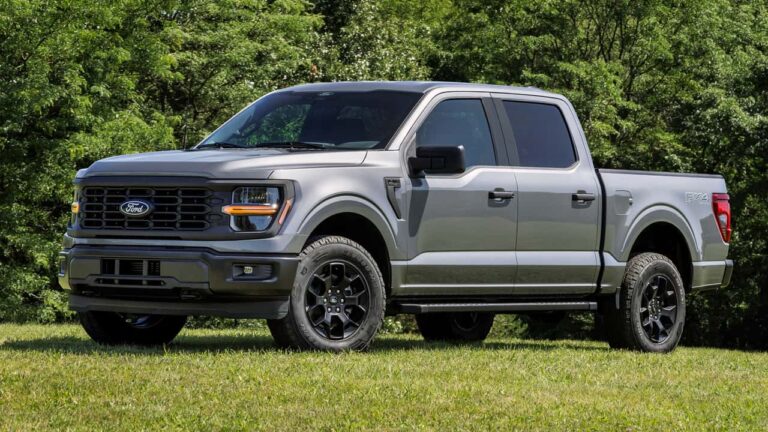
The Ultimate Guide: Can an Import Canopy Really Fit Your Domestic Pickup Truck?
The Ultimate Guide: Can an Import Canopy Really Fit Your Domestic Pickup Truck? Lmctruck.Guidemechanic.com
The allure of a truck canopy is undeniable. It transforms your pickup bed into a secure, weather-protected storage space, perfect for tools, camping gear, or even an impromptu sleeping area. However, finding the right canopy can be a challenge, especially when faced with the often significant price difference between brand-new domestic models and seemingly cheaper import options. This leads many truck owners to ponder a crucial question: "Will an import canopy fit on my domestic pickup?"
It’s a common dilemma, rooted in a desire for functionality without breaking the bank. While the idea of a universal fit might sound appealing, the reality is far more nuanced. This comprehensive guide will dive deep into the complexities of canopy compatibility, revealing why a direct fit is rare, what modifications might be involved, and whether pursuing such a project is truly worth your time and money. Our goal is to provide you with an in-depth understanding, empowering you to make an informed decision for your domestic pickup.
The Ultimate Guide: Can an Import Canopy Really Fit Your Domestic Pickup Truck?
The Core Question: Is a Direct Fit Even Possible?
Let’s cut straight to the chase: In most scenarios, a canopy designed for an import pickup truck will not be a direct, seamless fit for a domestic pickup. This isn’t a matter of brand snobbery; it’s a fundamental issue of engineering and design. Truck manufacturers, whether domestic or international, engineer their vehicles with specific dimensions, body lines, and mounting points in mind. These details vary significantly across models and regions, making true cross-compatibility a rare gem.
While some might manage to "make it work" with extensive modifications, achieving a perfect, factory-like fit is highly improbable. The differences extend far beyond mere aesthetics; they impact structural integrity, weather sealing, and even safety. Understanding these underlying discrepancies is the first step in appreciating the challenge.
Unpacking the Differences: Import vs. Domestic Truck Beds and Canopies
The primary reason for incompatibility lies in the fundamental distinctions between import and domestic truck designs. These differences are multifaceted and crucial to comprehend before considering any modification project.
1. Dimensions: The Most Critical Factor
The most obvious and impactful difference lies in the dimensions of the truck bed itself. Domestic full-size pickups, such as the Ford F-150, Chevrolet Silverado, or Ram 1500, typically feature wider and often deeper beds compared to many import trucks, which tend to be mid-size models like the Toyota Tacoma, Nissan Frontier, or older Mazda B-series.
Even within the same "class" of truck, bed lengths (short bed, standard bed, long bed) vary, and more importantly, the width and contour of the bed rails are unique to each manufacturer and model year. A canopy designed for a narrower import bed simply won’t span the width of a domestic bed without leaving significant gaps or being structurally compromised. Conversely, a canopy too wide for an import truck would overhang awkwardly.
2. Bed Rail Design and Profile
Beyond the overall width and length, the specific design of the truck bed rails plays a pivotal role. Domestic truck beds often feature a more pronounced, often flatter, top rail profile that provides a stable surface for mounting clamps. Many import trucks, however, might have more rounded, tapered, or even integrated rail caps that differ significantly.
These variations directly affect how a canopy’s clamping system can engage with the truck bed. A canopy designed for one rail profile might not securely grip another, leading to instability, potential damage to the truck bed, or inadequate sealing against the elements. This seemingly minor detail can become a major headache during installation.
3. Tailgate and Rear Door Compatibility
The rear opening of a canopy is designed to align seamlessly with the truck’s tailgate. This alignment ensures proper sealing and security. Given the diverse range of tailgate widths, heights, and latching mechanisms across different truck models, an import canopy’s rear door will rarely match a domestic pickup’s tailgate perfectly.
You might encounter gaps at the bottom, sides, or top, compromising weatherproofing and security. The locking mechanism of the canopy might not align with the truck’s tailgate, leaving an exposed area or making it impossible to close properly. Achieving a flush, secure seal in this area often requires extensive custom fabrication.
4. Cab Contour and Aesthetic Alignment
While perhaps less critical for functionality, the aesthetic match between the canopy and the truck’s cab is important for many owners. Canopies are typically designed to follow the contour and body lines of the specific truck model they’re made for, creating a cohesive look.
An import canopy on a domestic truck can often look "off." The cab height, the angle of the rear window, and the overall body lines simply won’t align, resulting in an awkward, mismatched appearance. This can detract significantly from the truck’s overall aesthetic appeal and resale value.
The "How-To": What Modifications Are Needed (If You Dare)?
Despite the challenges, some determined individuals still attempt to adapt an import canopy to a domestic pickup. If you choose to embark on this path, be prepared for significant time, effort, and potentially unexpected costs. Based on my experience, this is rarely a simple bolt-on affair.
1. Precision Measurement is Paramount
Before lifting a single tool, you must meticulously measure both the import canopy and your domestic truck bed. This isn’t just about length and width; it involves every dimension imaginable:
- Inside and outside width of the truck bed rails.
- Length of the truck bed from bulkhead to tailgate.
- Height of the truck bed rails.
- Width and length of the canopy’s base frame.
- Height of the canopy’s front and rear.
- Contour of the truck’s cab and the canopy’s front.
Use a reliable tape measure and double-check every figure. Small discrepancies can lead to major problems down the line.
2. Gap Filling and Spacers
If the import canopy is narrower than your domestic truck bed (the most common scenario), you’ll need to create custom spacers or fillers to bridge the gap.
- Material Choice: Common materials include high-density rubber, treated wood, or custom-fabricated aluminum or steel shims. The material must be durable, weather-resistant, and capable of withstanding the clamping forces.
- Installation: These spacers need to be securely fastened to either the canopy frame or the truck bed rails, providing a stable platform for the canopy to rest upon. This is crucial for distributing weight evenly and preventing stress points.
- Sealing: Any gaps created by the spacers will need to be thoroughly sealed with automotive-grade weatherstripping and silicone sealant to prevent water and dust intrusion.
3. Mounting System Adaptation
The original clamping system of the import canopy is unlikely to work with your domestic truck’s bed rails. This is where custom fabrication often becomes necessary.
- Custom Brackets: You might need to design and fabricate custom brackets that can attach to the canopy’s frame and securely clamp onto your truck’s unique bed rail profile. This often requires welding or heavy-duty bolting.
- Drilling: In some cases, drilling into the truck bed rails or the canopy frame might be unavoidable to create new mounting points. If drilling into your truck, ensure you seal the holes thoroughly to prevent rust and consider the impact on your truck’s warranty.
- Reinforcement: Ensure that the adapted mounting points can handle the weight of the canopy, especially during driving, to prevent it from shifting or detaching. Safety should always be your top priority.
4. Electrical Wiring Adaptation
Most canopies come with integrated brake lights and often an interior light. The wiring harness for an import canopy will almost certainly be different from what your domestic truck expects.
- Wiring Diagrams: You’ll need to obtain wiring diagrams for both the canopy and your truck to correctly identify and splice the wires.
- Connectors: Expect to replace or adapt connectors. Soldering and heat-shrinking are recommended for durable, weather-resistant connections.
- Professional Help: If you’re not confident with automotive electrical work, it’s wise to consult a professional electrician or a truck accessory shop. Incorrect wiring can lead to blown fuses, electrical shorts, or even fire hazards.
5. Sealing and Weatherproofing
Achieving a watertight and dust-proof seal is one of the biggest challenges when adapting a canopy.
- Weatherstripping: Apply high-quality, automotive-grade weatherstripping along all contact points between the canopy and the truck bed rails, including any custom spacers you’ve installed.
- Silicone Sealant: Use marine-grade or automotive-grade silicone sealant to fill any remaining gaps, especially around the front bulkhead, tailgate area, and mounting points.
- Regular Checks: Even after initial installation, regularly inspect all seals for wear, cracks, or signs of leakage, especially after heavy rain or car washes.
Pros and Cons of "Making It Fit"
Before committing to this project, it’s crucial to weigh the potential benefits against the considerable drawbacks.
The Upsides (Pros):
- Potential Cost Savings: If you find an import canopy at a very low price, the initial outlay might be less than a new domestic model.
- Unique Aesthetic (for some): For those seeking a highly customized look, adapting an unusual canopy can offer a distinct appearance that stands out from typical setups.
- Satisfaction of a DIY Project: Successfully tackling a complex modification can provide a significant sense of accomplishment and pride.
- Availability: In some regions, certain import canopies might be more readily available on the used market than specific domestic models.
The Downsides (Cons):
- Time-Consuming and Labor-Intensive: This is not a weekend project. Expect many hours of measuring, fabricating, fitting, and sealing.
- Compromised Aesthetics: Despite your best efforts, the canopy might never look "right" on your truck, detracting from its overall appearance.
- Potential for Poor Weatherproofing: Achieving a perfect, long-lasting seal against water and dust is extremely difficult, often leading to leaks.
- Safety Concerns: If not securely mounted, the canopy could shift, detach, or even become a projectile during an accident, posing a serious safety risk.
- Reduced Resale Value: Modifications, especially those that look less than professional, can significantly lower the resale value of both the canopy and your truck.
- Unexpected Costs: The cost of materials for modifications (metal, rubber, sealants, wiring) can quickly add up, potentially negating any initial savings.
- Warranty Issues: Drilling into your truck bed or making other significant modifications can void parts of your vehicle’s warranty.
- Structural Integrity: Improper mounting can put undue stress on the truck bed, potentially leading to cracks or damage over time.
Based on My Experience: Pro Tips and Common Mistakes to Avoid
Having seen countless attempts at canopy adaptation, both successful and disastrous, I can offer some insights to guide your decision-making. My experience underscores the importance of realistic expectations and meticulous planning.
Pro Tips from Us:
- Always Measure Thrice, Cut Once: This old adage holds particularly true here. Any measurement error can cascade into significant problems and wasted materials. Use digital calipers for critical dimensions.
- Prioritize Safety Over Savings: Never compromise on the security of the mounting system. A canopy that isn’t properly secured is a hazard to you and others on the road. Invest in high-quality hardware.
- Consider the Long-Term Implications: Think about how the modification will hold up over years of use, different weather conditions, and potential heavy loads. Will the seals last? Will the custom brackets corrode?
- Don’t Be Afraid to Walk Away: If a "deal" on an import canopy seems too good to be true, it often is. If the required modifications seem overwhelming or too costly, it’s better to abandon the project and seek alternatives. Sometimes, the cheapest option upfront becomes the most expensive in the long run.
- Seek Professional Advice: If you’re unsure about any aspect of the modification, consult with a reputable truck accessory shop or a custom fabrication specialist. Their expertise can save you headaches and ensure a safer outcome.
Common Mistakes to Avoid Are:
- Underestimating Modification Costs: Many people only factor in the canopy’s purchase price, forgetting about the cost of custom brackets, sealing materials, wiring components, and specialized tools.
- Neglecting Proper Sealing: A common oversight is insufficient weatherproofing, leading to a wet, dusty, and ultimately useless truck bed. Don’t skimp on quality weatherstripping and sealants.
- Ignoring Structural Integrity: Relying on weak or insufficient mounting points is a recipe for disaster. Ensure the canopy is secured to the truck bed in a way that can withstand bumps, vibrations, and wind resistance.
- Failing to Check Local Regulations: Some jurisdictions might have specific requirements for vehicle modifications, especially concerning exterior accessories. Always verify compliance with local laws.
- Rushing the Process: Haste leads to errors. Take your time, plan each step, and allow for proper drying times for sealants and paints.
Alternatives to Adapting an Import Canopy
Given the complexities and potential pitfalls of trying to fit an import canopy onto a domestic pickup, it’s often more practical and cost-effective to explore alternatives that offer a direct, hassle-free fit.
1. Used Domestic Canopies
This is often the most sensible and budget-friendly solution. The market for used truck canopies is robust, and you can frequently find models specifically designed for your domestic pickup.
- Where to Look: Check online marketplaces like Craigslist, Facebook Marketplace, and eBay. Local truck accessory stores often have used canopies on consignment, and salvage yards can also be a surprising source.
- Tips for Buying Used: Always verify the canopy’s fit for your exact truck model and year. Inspect for damage, cracks, broken latches, and the condition of the seals. Negotiate the price, especially if repairs are needed.
2. New Domestic Canopies
While a new canopy represents a higher initial investment, it offers a perfect fit, warranty, and often a wider range of features and customization options.
- Benefits: You get a canopy specifically engineered for your truck’s dimensions, ensuring optimal sealing, security, and aesthetics.
- Manufacturers: Leading brands like A.R.E., Leer, and Snugtop offer a vast selection of styles, materials, and features.
3. Universal Canopies/Toppers
Some manufacturers produce "universal" or "one-size-fits-most" canopies, though these still have limitations. They typically rely on adjustable clamping systems and a more generic design.
- Considerations: While they offer more adaptability than a specific import model, a truly perfect, integrated fit is still rare. Always check the manufacturer’s compatibility list carefully.
4. Tonneau Covers
If your primary need is simply to protect the contents of your truck bed from weather and theft, a tonneau cover is an excellent alternative.
- Types: Available in various styles, including soft roll-up, hard folding, retractable, and painted fiberglass.
- Functionality: They offer excellent protection and security but do not provide the enclosed vertical space of a canopy. For more tips on maintaining your truck’s accessories, check out our guide on . Considering other truck bed solutions? Our article on might help.
5. DIY Canopy Build
For the truly adventurous and skilled fabricator, building your own custom canopy from scratch is an option.
- Materials: Common materials include aluminum, steel, wood, or even fiberglass.
- Design: This allows for complete customization of features, dimensions, and aesthetics.
- Challenges: Requires significant fabrication skills, tools, and a deep understanding of structural integrity and weatherproofing. It can also be very time-consuming.
Conclusion: Weighing the Effort Against the Reward
The question, "Will an import canopy fit on a domestic pickup?" has a complex answer: possibly, but rarely without significant, often extensive, modifications. While the initial thought of saving money on a used import canopy can be appealing, the reality often involves a considerable investment of time, effort, and additional costs for custom fabrication, sealing, and wiring.
Based on my experience, attempting to force a fit often leads to compromises in aesthetics, weatherproofing, and most critically, safety. The satisfaction of a DIY project can be rewarding, but it’s essential to approach this with realistic expectations and a thorough understanding of the challenges involved. For most truck owners, the path of least resistance – opting for a used or new canopy specifically designed for their domestic pickup – will provide a superior fit, better functionality, and greater peace of mind in the long run. Always prioritize a safe, secure, and properly sealed solution for your truck bed.
Do you have experience trying to fit an import canopy on a domestic truck? Share your insights and challenges in the comments below!