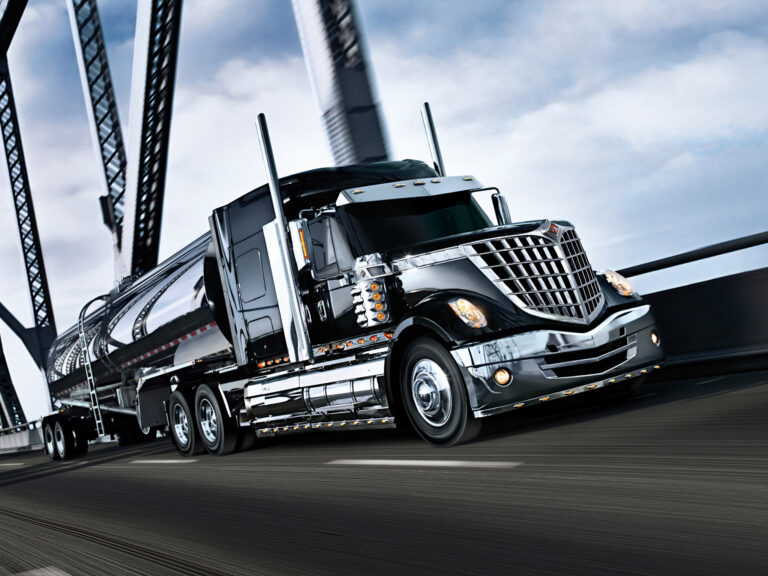
The Ultimate Buyer’s Guide: Navigating the Market for Used Diesel 2500 Trucks For Sale
The Ultimate Buyer’s Guide: Navigating the Market for Used Diesel 2500 Trucks For Sale Lmctruck.Guidemechanic.com
Embarking on the journey to find the perfect heavy-duty truck can be exhilarating, especially when your sights are set on a used diesel 2500. These formidable machines are the workhorses of the automotive world, renowned for their immense power, unwavering durability, and impressive towing capabilities. Whether you’re a contractor, an avid RVer, or simply someone who demands serious capability from their vehicle, a used diesel 2500 truck offers a compelling blend of performance and value.
However, purchasing a used diesel truck is a significant investment that requires careful consideration and an informed approach. Unlike their gasoline counterparts, diesel engines come with their own set of unique characteristics, maintenance requirements, and potential pitfalls. This comprehensive guide is designed to arm you with the expert knowledge needed to confidently navigate the market for used diesel 2500 trucks for sale, ensuring you make a smart, long-lasting purchase.
The Ultimate Buyer’s Guide: Navigating the Market for Used Diesel 2500 Trucks For Sale
Why a Used Diesel 2500 Truck is a Smart Investment
The allure of a diesel 2500 truck extends far beyond its robust appearance. There are several compelling reasons why these vehicles consistently rank as top choices for buyers seeking serious utility and longevity. Understanding these benefits will solidify why this specific segment of the market is so popular.
Unmatched Power and Torque for Heavy Loads
At the core of every diesel 2500 truck lies an engine engineered for raw power and prodigious torque. This isn’t just about speed; it’s about the ability to effortlessly tow heavy trailers, haul substantial payloads, and tackle challenging terrain without breaking a sweat. If your work or lifestyle involves regularly moving large items, a diesel’s low-end grunt is simply indispensable.
Gasoline engines, while powerful, often struggle to match the sustained pulling power and efficiency of a diesel under heavy load. The characteristic surge of torque from a diesel engine makes merging onto highways with a fully loaded trailer a much safer and more controlled experience. This fundamental difference in power delivery is a primary reason many choose diesel.
Exceptional Durability and Longevity
Diesel engines are built to last. Their robust construction, higher compression ratios, and often lower operating RPMs contribute to a lifespan that frequently surpasses that of comparable gasoline engines. It’s not uncommon to see well-maintained used diesel 2500 trucks exceeding 300,000 or even 500,000 miles, a testament to their inherent durability.
This extended lifespan means that even a used diesel truck with higher mileage can still offer many years of reliable service. Based on my experience in the automotive industry, investing in a used diesel often translates into a lower total cost of ownership over the long run, provided proper maintenance is diligently performed.
Relative Fuel Efficiency for Its Class
While diesel fuel might sometimes be more expensive per gallon than gasoline, diesel engines are inherently more fuel-efficient, especially when working hard. They extract more energy from each unit of fuel, leading to better miles per gallon (MPG) compared to gasoline engines of similar power output. For those who frequently tow or cover long distances, this efficiency can translate into significant savings at the pump over time.
It’s important to set realistic expectations; these are heavy-duty trucks, not compact cars. However, in the realm of 3/4-ton pickups, diesel often provides a more economical operational cost per mile, particularly when laden. This efficiency factor contributes significantly to the overall appeal of used diesel 2500 trucks for sale.
Significant Cost Savings Over New
One of the most immediate and appealing benefits of opting for a used diesel 2500 truck is the substantial cost savings compared to purchasing a brand-new model. New heavy-duty trucks, especially those equipped with premium diesel engines, can carry hefty price tags. Buying used allows you to access similar capabilities and features at a fraction of the original cost.
The depreciation curve for new vehicles is steepest in the first few years. By letting someone else absorb that initial depreciation, you can acquire a powerful, well-equipped truck for considerably less money. This frees up capital for other investments or necessary maintenance.
Strong Resale Value
Diesel trucks, particularly the 2500 series, tend to hold their value remarkably well. Their reputation for durability, longevity, and superior towing capacity ensures a consistent demand in the used market. This strong resale value means that your initial investment is better protected.
Should your needs change down the road, you can expect to recoup a larger percentage of your purchase price when it’s time to sell or trade in your used diesel 2500. This financial stability adds another layer of confidence to your buying decision.
Understanding the "2500" Designation
Before diving deeper into specific models and inspection tips, it’s crucial to understand what the "2500" designation signifies in the world of trucks. This number isn’t arbitrary; it categorizes the truck’s weight class and, consequently, its capabilities.
The "2500" series, often referred to as a "3/4-ton" truck, represents the middle ground in the heavy-duty pickup segment. It sits above the lighter "1500" (half-ton) trucks, which are more common for daily driving and lighter tasks, and below the "3500" (1-ton) trucks, designed for the absolute heaviest commercial applications. The "2500" class strikes an excellent balance between serious towing and hauling capacity and a level of daily drivability that the larger 3500 series might compromise.
This designation is primarily related to the truck’s Gross Vehicle Weight Rating (GVWR), which is the maximum permissible weight of the vehicle itself, plus its passengers, cargo, and any trailer tongue weight. A 2500 series truck will have a significantly higher GVWR, payload capacity, and towing capacity than a 1500 series, making it suitable for larger fifth-wheel trailers, heavy equipment, and substantial work loads.
The Big Three: Diesel Engine Powerhouses
When you’re looking at used diesel 2500 trucks for sale, you’ll primarily encounter three iconic engine families, each with its own loyal following and distinct characteristics. Understanding these differences is key to choosing the right truck for your specific needs and being aware of potential model-specific considerations.
Cummins (Ram 2500)
The Cummins engine, exclusively found in Ram (formerly Dodge Ram) heavy-duty trucks, is legendary for its inline-six design, reliability, and robust torque output. It has a reputation for being a million-mile engine, a testament to its heavy-duty construction and straightforward design. Many enthusiasts specifically seek out Ram trucks for the Cummins powerplant alone.
Strengths: Known for immense low-end torque, exceptional durability, and a relatively simple design that can be easier to work on for some repairs. Its mechanical simplicity in older models is highly valued. Newer generations feature advanced common-rail injection and emissions systems, delivering even more power and refinement.
Things to Watch For: Older 5.9L Cummins (pre-2007.5) are known for their simplicity and robustness, but the VP44 injection pump on some second-generation models (1998.5-2002) can be a common failure point. With the 6.7L Cummins (2007.5-present), pay close attention to the emissions systems (DPF, EGR, DEF), which can be costly to maintain or repair if not properly cared for. Injector issues can also arise in higher mileage units.
Power Stroke (Ford F-250)
Ford’s Power Stroke diesel engine has been a staple in the F-Series Super Duty trucks for decades, evolving through various iterations. Each generation brought significant changes, and understanding these changes is crucial when evaluating a used Ford F-250 diesel.
Strengths: Modern Power Strokes (like the 6.7L) are known for their impressive horsepower and torque figures, advanced technology, and integrated turbocharger design. They offer a refined driving experience and are often lauded for their quiet operation and strong towing performance. The 7.3L Power Stroke (1994.5-2003) is particularly cherished for its legendary reliability and simplicity.
Things to Watch For: Different generations have their unique quirks. The 6.0L Power Stroke (2003-2007) is infamous for potential head gasket issues, EGR cooler failures, and oil cooler problems, though many have been "bulletproofed" by now. The 6.4L Power Stroke (2008-2010) can suffer from costly emissions system failures and fuel dilution. The 6.7L Power Stroke (2011-present) is generally more reliable but still requires diligent maintenance of its complex emissions system and can experience turbocharger issues on early models.
Duramax (Chevy Silverado 2500HD / GMC Sierra 2500HD)
The Duramax engine, co-developed by GM and Isuzu, powers the Chevrolet Silverado HD and GMC Sierra HD trucks. It’s recognized for its smooth operation, strong performance, and relatively quiet nature for a diesel. The Duramax is paired with the robust Allison transmission, a combination highly respected in the heavy-duty segment.
Strengths: Known for its strong horsepower and torque, quick throttle response, and smooth power delivery. The Allison transmission is a significant selling point, lauded for its durability and intelligent shifting. The Duramax often offers a car-like driving experience relative to its size.
Things to Watch For: Early Duramax engines (LB7, LLY) can have injector issues, which can be costly to repair. Later models with complex emissions systems (LML, L5P) require careful attention to DPF and DEF systems to avoid costly repairs. Some models might experience issues with fuel pressure regulators or turbo Vanes. General engine and transmission health should always be a priority.
The Comprehensive Buying Guide: What to Look For
Finding the right used diesel 2500 truck for sale requires more than just browsing listings. It demands a systematic approach, from initial research to a thorough physical inspection. Follow these steps to ensure you make an informed and confident purchase.
1. Initial Research and Defining Your Needs
Before you even start looking at trucks, sit down and honestly assess your requirements. This crucial first step will narrow down your options significantly and prevent you from being swayed by impulse buys.
Define Your Needs: What will you primarily use the truck for? Is it heavy towing (e.g., a large RV, horse trailer, construction equipment)? Hauling heavy payloads in the bed? Daily commuting with occasional heavy use? Understanding your primary purpose will help you determine the necessary towing capacity, bed length, and cab configuration (regular, extended, crew cab).
Set a Realistic Budget: Your budget should encompass more than just the purchase price. Factor in potential sales tax, registration fees, insurance costs (which can be higher for diesel trucks), and a contingency fund for immediate maintenance or unexpected repairs. Common mistakes to avoid are underestimating the total cost of ownership for these heavy-duty vehicles.
Research Specific Models and Years: Once you have a general idea of your needs, dive into researching specific makes, models, and even model years. Look for known issues, recalls, and common owner complaints associated with particular engine generations. Online forums and owner groups are invaluable resources for real-world insights. For a deeper dive into specific model years, check out our guide on .
2. The Critical Pre-Purchase Inspection (PPI)
This is arguably the most vital step in buying any used vehicle, and even more so for a complex and expensive used diesel 2500 truck. Never skip a thorough inspection.
Exterior Inspection:
- Body and Paint: Look for dents, scratches, rust (especially around wheel wells, rocker panels, and the frame). Check for mismatched paint, which could indicate previous accident repairs.
- Tires: Examine tire tread depth and even wear. Uneven wear could point to alignment issues or suspension problems. Check the tire age – old tires, even with good tread, can be unsafe.
- Suspension: Look under the truck for sagging, leaks from shocks, or worn bushings. Test the suspension by pushing down on each corner of the truck to check for excessive bouncing.
- Lights and Glass: Ensure all exterior lights are functional. Check windshield and windows for cracks or chips.
Under the Hood (Diesel-Specific Checks):
- Fluid Levels and Condition: Check engine oil (look for diesel-specific oil, not gasoline oil), coolant, brake fluid, and power steering fluid. Look for signs of contamination (milky oil, rust in coolant).
- Leaks: Scan for any signs of fluid leaks – oil, coolant, fuel, or power steering fluid. Even small drips can indicate larger problems.
- Belts and Hoses: Inspect for cracks, fraying, or excessive wear.
- Battery: Check for corrosion on terminals. Diesel trucks often have two batteries, ensure both are in good condition.
- Diesel-Specific Components:
- Turbocharger: Look for excessive oil around the turbo housing or intercooler pipes, which could indicate seal failure. Listen for unusual whining or whistling during the test drive.
- Fuel System: Check for fuel leaks around injectors, fuel lines, and the fuel filter housing.
- Emissions System (DPF, EGR, DEF): While difficult to fully inspect without specialized tools, look for signs of tampering or excessive soot buildup around exhaust components.
- Exhaust: Look for excessive black or blue smoke upon startup or acceleration, which could indicate injector or engine issues.
Interior Inspection:
- Warning Lights: Ensure no check engine light, ABS light, or other warning indicators are illuminated on the dashboard (and that they cycle on and off during startup).
- Electronics: Test all power windows, locks, mirrors, radio, navigation, and HVAC system.
- Upholstery: Check for tears, stains, and excessive wear.
- Odors: Any strange smells could indicate mold, smoke, or mechanical issues.
Test Drive:
- Cold Start: Ideally, test drive the truck when the engine is cold to observe its starting characteristics.
- Engine Performance: Listen for unusual noises (knocks, rattles, excessive diesel clatter). Check for smooth acceleration and adequate power.
- Transmission: Pay close attention to how the transmission shifts. It should be smooth and predictable, without harsh jerks, slips, or delayed engagements. Test all gears, including reverse.
- Brakes: Test the brakes for firm pedal feel, straight stopping, and absence of grinding or pulsing.
- Steering and Suspension: Check for excessive play in the steering wheel, pulling to one side, or unusual noises over bumps.
- Smoke: Observe exhaust smoke during acceleration and deceleration.
Professional Mechanic Inspection: This is non-negotiable. Pro tips from us: Always pay a trusted, independent mechanic specializing in diesel trucks to perform a comprehensive pre-purchase inspection. They have the specialized tools and expertise to identify hidden problems that you might miss, especially with complex diesel emissions systems or engine diagnostics. This small investment can save you thousands down the line.
3. Vehicle History Report
A vehicle history report (like CarFax or AutoCheck) is an essential tool. It provides a detailed record of the truck’s past, including:
- Accident History: Major collisions, frame damage, airbag deployment.
- Service Records: Gaps in service could indicate neglect.
- Odometer Discrepancies: Protects against odometer fraud.
- Flood or Fire Damage: These can cause long-term electrical and mechanical problems.
- Ownership History: How many owners, and how long they owned it.
You can typically obtain these reports for a fee, or some dealerships provide them free of charge. You can get a reliable vehicle history report from sources like CarFax: https://www.carfax.com/
4. Mileage Considerations
When looking at used diesel 2500 trucks for sale, mileage is always a topic of discussion.
- High Mileage Diesels: Based on my experience, a well-maintained diesel engine with 150,000 to 200,000 miles can still have a lot of life left. Don’t immediately dismiss a truck solely based on high mileage if it comes with meticulous service records and passes a thorough PPI. Highway miles are generally easier on an engine than stop-and-go city driving.
- Low Mileage Diesels: While appealing, very low mileage for its age could indicate a truck that sat for extended periods, potentially leading to issues with seals, hoses, or fuel systems. It could also mean the truck was used for very short trips, which isn’t ideal for diesel emissions systems that need to reach operating temperature.
- Idle Hours: For trucks used commercially, look for the ratio of idle hours to engine hours. Excessive idling can put wear on the engine without accumulating significant mileage.
5. Common Issues to Watch For in Used Diesel 2500s
Beyond general wear and tear, specific issues are more prevalent in used diesel trucks due to their complex nature and the demands placed upon them.
- Fuel System: Injectors, fuel pumps (high-pressure fuel pumps can be very expensive), and fuel lines are critical. Symptoms include hard starting, loss of power, or excessive smoke.
- Emissions Systems: The Diesel Particulate Filter (DPF), Exhaust Gas Recirculation (EGR) valve, and Selective Catalytic Reduction (SCR) with Diesel Exhaust Fluid (DEF) are common trouble spots on newer diesels. These systems are designed to reduce emissions but can clog, fail, or require expensive maintenance. Common mistakes to avoid are neglecting these systems, as it can lead to costly repairs and even truck derating.
- Turbocharger: Watch for excessive oil consumption, lack of boost, or a loud whining noise, indicating a failing turbo.
- Transmission Health: Given the high torque output of diesel engines, the transmission works hard. Ensure smooth shifts and no signs of slipping or delayed engagement.
- Rust: Especially in regions with harsh winters, inspect the frame, body panels, and brake lines for significant rust, which can compromise structural integrity and safety.
6. Pricing and Negotiation
- Market Value Research: Use resources like Kelley Blue Book (KBB.com), NADAguides, and Edmunds to research the fair market value for the specific make, model, year, and trim level you’re interested in. Factor in mileage and condition.
- Negotiation Tactics: Be prepared to negotiate. If the PPI uncovers issues, use that information to request a lower price or ask the seller to address the repairs before purchase. Don’t be afraid to walk away if the deal doesn’t feel right.
Financing Your Used Diesel 2500
Securing financing for your used diesel 2500 truck is an important step. Be sure to explore your options:
- Bank Loans: Local banks and credit unions often offer competitive rates for used vehicle loans.
- Dealership Financing: Dealerships can offer convenience, but always compare their rates with pre-approved loans from your bank.
- Online Lenders: Many online platforms specialize in auto loans and can provide quick approvals.
Having a good credit score will significantly impact your interest rate. Be prepared with a down payment, as it can lower your monthly payments and overall interest paid.
Ownership & Maintenance Tips for Your Used Diesel 2500
Once you’ve purchased your used diesel 2500, proper maintenance is paramount to ensuring its longevity and reliability. Diesel engines require specific care that differs from gasoline engines.
- Regular Oil Changes: Use only diesel-specific engine oil (CJ-4 or CK-4 rated) at recommended intervals. Diesel engines produce more soot, necessitating specialized oil that can handle these contaminants.
- Fuel Filter Replacements: Diesel fuel filters are crucial for protecting the sophisticated fuel injection system from contaminants. Replace them more frequently than gasoline filters, typically every 10,000-15,000 miles or as recommended by the manufacturer.
- Air Filter: A clean air filter is essential for engine performance and longevity. Check and replace it regularly, especially if driving in dusty conditions.
- Coolant Flushes: Diesel engines often run hotter and require specific coolants. Adhere to the manufacturer’s recommendations for coolant type and flush intervals.
- Transmission Service: Regular transmission fluid and filter changes are vital for extending the life of your transmission, especially if you tow or haul frequently.
- Monitor Emissions Systems: Pay attention to any dashboard warnings related to the DPF, EGR, or DEF systems. Address these issues promptly to prevent costly cascading failures.
- Address Issues Promptly: Don’t ignore warning lights or unusual noises. Procrastinating on repairs can lead to more extensive and expensive problems down the road.
If you’re still deciding between a diesel and a gas truck, read our comparison: .
Where to Find Used Diesel 2500 Trucks For Sale
The market for used diesel 2500 trucks is robust, offering several avenues for your search.
- Dealerships:
- Franchise Dealerships (Ford, Ram, Chevy/GMC): Often have certified pre-owned (CPO) options, which come with warranties and rigorous inspections, but usually at a higher price point.
- Independent Used Car Dealerships: Offer a wider variety of makes and models, potentially at more competitive prices, but the quality of inspection and warranty can vary.
- Online Marketplaces:
- Autotrader, Cars.com, CarGurus: Large aggregators that list vehicles from both dealerships and private sellers. Excellent for broad searches.
- Facebook Marketplace, Craigslist: Can find great deals from private sellers, but require more caution and due diligence on your part.
- Private Sellers: Often offer the best prices because they don’t have dealership overhead. However, you’re buying "as-is," making a professional PPI even more critical.
- Auctions: Can yield significant savings but are generally recommended for experienced buyers who understand the risks involved (vehicles often sold without inspection or test drive).
Conclusion: Your Journey to a Powerful Workhorse
The search for used diesel 2500 trucks for sale is an exciting endeavor, promising a vehicle that can tackle almost any task you throw at it. By understanding the unique benefits of diesel power, the specific characteristics of the "2500" class, and the nuances of each major engine type, you’re already ahead of the curve.
Remember, patience and thoroughness are your best allies. Prioritize diligent research, insist on a comprehensive pre-purchase inspection by a qualified diesel mechanic, and carefully review the vehicle history. With this expert guidance, you are well-equipped to find a reliable, powerful, and long-lasting used diesel 2500 truck that will serve your needs for years to come. Start your search today with confidence, and prepare to experience the unparalleled capability of a heavy-duty diesel workhorse!