The Definitive Guide to Finding and Buying 7.3 Diesel Trucks For Sale By Owner
The Definitive Guide to Finding and Buying 7.3 Diesel Trucks For Sale By Owner Lmctruck.Guidemechanic.com
The roar of a 7.3L Power Stroke diesel engine isn’t just a sound; it’s a statement. Revered by enthusiasts and working professionals alike, the Ford 7.3 Power Stroke has cemented its place in automotive history as one of the most reliable and enduring diesel engines ever produced. Despite being out of production for two decades, these trucks remain incredibly popular, a testament to their legendary durability.
If you’re on the hunt for a heavy-duty pickup that combines raw power with a reputation for longevity, a 7.3 diesel truck is often at the top of the list. And for many discerning buyers, seeking out a "7.3 Diesel Trucks For Sale By Owner" offers unique advantages. This comprehensive guide will arm you with everything you need to know to find, evaluate, and successfully purchase your own piece of diesel legend directly from a private seller.
The Definitive Guide to Finding and Buying 7.3 Diesel Trucks For Sale By Owner
Why the 7.3 Power Stroke Remains a Legend
Introduced in mid-1994, the 7.3L Power Stroke V8 direct-injection turbodiesel engine quickly became the benchmark for heavy-duty truck performance. It powered Ford F-Series trucks and E-Series vans until 2003, earning an unparalleled reputation for its robust construction and impressive workhorse capabilities. Owners consistently praise its ability to handle demanding tasks, from heavy towing to countless miles on the road.
What sets the 7.3 apart is its relative simplicity compared to modern diesels, making it easier and often less expensive to maintain and repair. Its mechanical prowess, combined with a fiercely loyal following, ensures that parts remain readily available and a strong community exists to support owners. This makes it an attractive option for those who value reliability and straightforward mechanics over cutting-edge technology.
Based on my experience, the sheer number of high-mileage 7.3s still on the road speaks volumes about their inherent strength. Many owners report well over 300,000 to 500,000 miles on original engines, a feat rarely matched by other powerplants. This remarkable longevity is a primary driver for its continued demand in the used truck market.
The Advantages of Buying a 7.3 Diesel Truck From a Private Owner
When searching for "7.3 Diesel Trucks For Sale By Owner," you’re often looking beyond the typical dealership experience. There are several compelling reasons why this approach can be highly beneficial for the informed buyer. It offers a more direct and often transparent path to ownership.
Firstly, buying directly from a private seller often translates into significant cost savings. Dealerships have overheads, reconditioning costs, and profit margins to consider, which are all factored into their asking price. A private owner, on the other hand, is typically looking to sell their vehicle without these additional markups, potentially allowing you to acquire your desired truck at a more competitive price point.
Secondly, and perhaps most importantly, is the invaluable opportunity for direct communication with the truck’s previous steward. A private owner can provide a firsthand account of the vehicle’s history, its maintenance schedule, and any quirks or issues they’ve encountered. This level of transparency is rarely available when purchasing from a dealership, where the sales staff may have limited knowledge of the truck’s specific past.
Finally, the negotiation process can be more flexible and personal. While dealerships operate with strict pricing policies, a private seller might be more open to negotiation, especially if you come prepared with research and are ready to make a fair offer. This direct interaction can foster a sense of trust and lead to a smoother transaction for both parties.
Navigating the Search: Where to Find 7.3 Diesel Trucks For Sale By Owner
Finding the right 7.3 diesel truck from a private owner requires a strategic approach. While these trucks are highly sought after, they are still out there, often waiting in plain sight. Knowing where to look is half the battle.
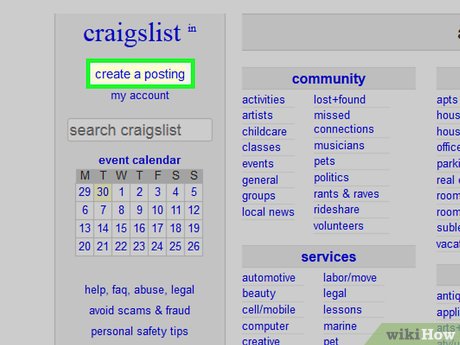
Online marketplaces have become the primary hunting grounds for used vehicles, and 7.3 diesel trucks are no exception. Platforms like Facebook Marketplace, Craigslist, and eBay Motors are teeming with listings from private sellers. Using specific search terms such as "7.3 Power Stroke for sale," "Ford F-250 7.3," or "7.3 diesel by owner" will help narrow your results.
Beyond general marketplaces, consider dedicated automotive forums and enthusiast websites. Sites like Ford-Trucks.com or PowerStroke.org have classified sections where passionate owners often list their meticulously maintained trucks. These communities are also excellent resources for gleaning insights and advice from experienced 7.3 owners, which can be invaluable during your search.
Don’t overlook local avenues either. Checking local classified ads, bulletin boards at auto parts stores, or even word-of-mouth through mechanics and local truck groups can yield hidden gems. Sometimes, the best deals are found offline, away from the competitive online market. Pro tip from us: Always set up search alerts for your desired vehicle specifications on multiple platforms to ensure you don’t miss new listings as they appear.
Essential Pre-Purchase Research: Knowing Your 7.3 Power Stroke
Before you even consider looking at a specific truck, arm yourself with knowledge about the 7.3 Power Stroke itself. Understanding its nuances, common issues, and model year differences will empower you to make an informed decision and spot potential problems. This preparatory step is critical for any serious buyer.
The 7.3L Power Stroke, while legendary, isn’t without its known quirks. Common issues include the Cam Position Sensor (CPS), which can cause stalling; the Exhaust Back Pressure Valve (EBPV), prone to sticking; and injector O-ring leaks. Fuel leaks from the fuel bowl or lines, and glow plug system failures are also frequently reported. Familiarizing yourself with these allows you to ask targeted questions and inspect specific areas.
It’s also crucial to understand the subtle but important differences between model years. The ‘94.5 to ’97 "OBS" (Old Body Style) trucks are mechanically simpler, while the late ’99 to ’03 "Super Duty" models boast a more modern chassis and interior, along with slight engine revisions. These later models often feature stronger connecting rods and improved turbochargers, which can be significant for performance and longevity.
Furthermore, research common modifications for these trucks. Some modifications, like a quality air intake or exhaust, can be beneficial, while others, such as poorly executed engine tunes or oversized injectors, might indicate a truck that has been abused. Always inquire about modifications and understand their potential impact on the truck’s reliability and lifespan. This knowledge helps you distinguish between a well-cared-for truck and one that might have hidden issues.
The Ultimate Pre-Purchase Inspection Checklist for a 7.3 Diesel
Once you’ve found a promising 7.3 diesel truck for sale by owner, the next crucial step is a thorough inspection. This isn’t just a quick glance; it’s a methodical process that can save you thousands of dollars and countless headaches down the road. Common mistakes to avoid are rushing this inspection or allowing the seller to distract you from a comprehensive examination.
1. Exterior & Body Inspection:
- Rust: Examine the frame, cab corners, rocker panels, wheel wells, and bed for any signs of rust. Pay close attention to structural components and mounting points. Surface rust is one thing, but through-rust indicates a much deeper problem.
- Panel Gaps & Paint: Look for uneven panel gaps or mismatched paint, which could suggest previous accident damage. Check the condition of the paint for fading, clear coat peel, or significant scratches.
- Tires & Wheels: Inspect tire tread depth and evenness. Uneven wear can signal alignment issues or suspension problems. Check for bent or damaged wheels.
- Lighting & Glass: Verify all lights (headlights, tail lights, turn signals, brake lights) are functioning. Check for cracks or chips in the windshield and other glass.
2. Interior Assessment:
- Condition: Evaluate the seats, carpet, dashboard, and headliner for excessive wear, tears, or stains. A well-maintained interior often suggests a well-cared-for truck overall.
- Electronics: Test all power windows, locks, mirrors, radio, climate control, and any other electronic features. Ensure all dashboard warning lights illuminate upon key-on and then extinguish as expected.
- Gauges: Confirm that all gauges (speedometer, tachometer, oil pressure, coolant temperature, fuel level, voltmeter) are working correctly and not stuck.
3. Engine Bay Examination:
- Fluid Levels & Leaks: Check oil, coolant, power steering, and brake fluid levels and condition. Look meticulously for any signs of fluid leaks around the engine, transmission, and differential seals. Pay special attention to the HPOP (High Pressure Oil Pump) and fuel lines for leaks.
- Wiring & Hoses: Inspect all wiring for fraying, exposed wires, or poor repairs. Check hoses for cracks, swelling, or softness.
- Turbocharger: Examine the turbocharger for excessive shaft play (try to wiggle the compressor wheel, it should have minimal play). Look for oil residue in the intake boots, which can indicate turbo seal issues.
- Belts: Check the serpentine belt for cracks or signs of wear.
- Exhaust: Look for exhaust leaks, especially around the up-pipes, which are common failure points.
- E-E-A-T: Based on my experience, a clean engine bay isn’t always a good sign if it looks too clean; sometimes it’s an attempt to hide leaks. Look for evidence of recent cleaning, but then check for any fresh drips.
4. Underneath the Truck:
- Frame: Inspect the entire frame for bends, cracks, or severe rust. This is a critical structural component.
- Drivetrain: Check the driveshafts for excessive play in the U-joints. Inspect the differentials for leaks around the covers and input/output shafts.
- Suspension: Look at leaf springs, coil springs, shocks, and bushings for wear, damage, or leaks (shocks).
- Brakes: Examine brake lines for corrosion or leaks. Check brake pads and rotors for wear, though this might be hard without removing wheels.
- Transmission: Look for leaks around the transmission pan and output shaft seals.
5. The Test Drive:
- Cold Start: This is paramount. Based on my experience, never skip the cold start. Listen for how quickly it cranks, any excessive smoke (a puff of white/blue smoke is normal in cold weather, but prolonged smoke is a concern), and unusual noises.
- Acceleration & Power: Does the truck accelerate smoothly and with expected power? Listen for turbo spool and any hesitation.
- Braking: Test the brakes for firm pedal feel and straight stopping without pulling. Listen for grinding or squealing.
- Transmission Shifts: Pay attention to how the transmission shifts. Are they smooth or harsh? Does it slip between gears?
- Steering: Check for excessive play in the steering wheel and ensure the truck tracks straight.
- Unusual Noises: Listen for clunks, rattles, squeaks, or grinding noises from the engine, drivetrain, or suspension during the drive.
- Bring a Mechanic: Pro tips from us: If you’re serious, always arrange for a pre-purchase inspection by a trusted diesel mechanic. They have specialized tools and expertise to uncover issues you might miss. This small investment can save you from a costly mistake.
Questions to Ask the Private Owner
Engaging with the private owner is your best opportunity to gather vital information about the truck’s history and condition. Don’t be shy; a transparent seller will appreciate your thoroughness. These questions go beyond what a visual inspection can reveal.
Start by asking about the truck’s maintenance history. Does the owner have records, receipts, or a logbook? This provides invaluable insight into how well the truck has been cared for. Inquire about the frequency of oil changes, fuel filter replacements, and any major services performed. A lack of records isn’t necessarily a deal-breaker, but it does raise a red flag.
Next, ask about the reason for selling. Is it an upgrade, downsizing, or are they getting out of trucking altogether? Sometimes, a vague answer here can indicate underlying issues they’re not disclosing. Follow up by asking if they are the original owner. If not, how long have they owned it, and what do they know about its history before their ownership?
Inquire about any known issues, past repairs, or persistent quirks the truck might have. An honest seller will often disclose minor problems, which can actually build trust. Ask specifically about the High-Pressure Oil Pump (HPOP), injectors, and the transmission, as these are common high-cost components. Also, confirm if the truck has ever been involved in an accident and if it has a clean title.
Finally, ask about the truck’s typical use. Has it been primarily a daily driver, a work truck, or used for heavy towing? If it was used for towing, ask about the type and frequency of loads. Also, discuss any modifications made to the truck and who performed them. This helps you understand the stress placed on the components and the quality of any aftermarket parts.
Understanding the Value: Pricing Your Potential 7.3 Power Stroke
Determining a fair price for a 7.3 diesel truck for sale by owner is a critical step in the buying process. Unlike new vehicles, used truck prices can fluctuate wildly based on numerous factors, so doing your homework here is essential for successful negotiation. You want to ensure you’re getting a good deal without overpaying for a vehicle that might require significant investment.
Several key factors heavily influence the value of a 7.3 Power Stroke. Mileage is a primary consideration, with lower mileage typically commanding a higher price, although the legendary durability of these engines means high mileage isn’t always a deterrent. The overall condition of the truck—both mechanically and cosmetically—plays an enormous role. A truck with a clean, rust-free body, a well-maintained engine, and a tidy interior will always be worth more than one showing significant wear and tear.
The model year also impacts value, with the later 1999-2003 "Super Duty" models often fetching more than the earlier "OBS" trucks due to their updated features and stronger internals. Modifications can be a double-edged sword; some tasteful and performance-enhancing mods might add value, while poorly chosen or excessive modifications can actually detract from it. Finally, location can influence pricing, as market demand and availability vary regionally.
To establish a fair price, consult multiple resources. Websites like Kelley Blue Book (KBB.com) and NADA Guides offer pricing estimates, though these can sometimes be a bit high for private sales. Pro tips from us: Cross-reference these with recent sales data on sites like eBay Motors (checking completed listings), Facebook Marketplace, and dedicated diesel truck forums. This gives you a realistic idea of what similar trucks are actually selling for. Be prepared to negotiate, always backing your offer with research and the findings from your pre-purchase inspection.
The Transaction: Securing Your 7.3 Diesel Truck
Once you’ve inspected the truck, asked all your questions, and agreed upon a price, it’s time to finalize the transaction. This stage requires careful attention to detail to ensure everything is legal and above board. A smooth transaction protects both you and the seller.
Regarding payment, always prioritize secure methods. For larger sums, a cashier’s check from a reputable bank is generally safe, as funds are guaranteed. Avoid carrying large amounts of cash. For even greater security, consider using an escrow service, which holds the payment until both parties have fulfilled their obligations. Never transfer funds before you have the vehicle and its title in hand.
The most critical document is the vehicle title. Ensure the title is clear (meaning no liens or outstanding loans) and signed correctly by the current owner. Verify that the VIN on the title matches the VIN on the truck itself. Without a properly endorsed title, you cannot legally transfer ownership.
Always create a Bill of Sale, even if your state doesn’t explicitly require it. This document should include: the date of sale, the selling price, the vehicle’s VIN, make, model, and year, and the names, addresses, and signatures of both the buyer and seller. It serves as a legal record of the transaction. Pro tip: Always meet the seller in a public, well-lit location, preferably during daylight hours, for safety and security.
Post-Purchase Care: Keeping Your 7.3 Running Strong
Congratulations! You’ve successfully navigated the process of buying a 7.3 diesel truck for sale by owner. But the journey doesn’t end there. To ensure your new (to you) truck lives up to its legendary reputation, immediate and ongoing post-purchase care is essential. This proactive approach will help you maximize its lifespan and minimize unexpected issues.
Your first order of business should be a comprehensive fluid and filter change. Even if the owner provided records, starting fresh gives you a baseline. This includes engine oil and filter, fuel filters (both frame-mounted and in-engine), air filter, and checking the coolant and transmission fluid. Consider a differential fluid change as well. This ensures all vital fluids are clean and at optimal levels, setting your truck up for success.
Building a relationship with a reputable diesel mechanic who specializes in 7.3 Power Strokes is another smart move. They can provide expert advice, perform necessary diagnostics, and handle more complex repairs down the line. A good mechanic is an invaluable asset for any diesel truck owner, helping you understand the nuances of your specific engine.
Finally, immerse yourself in the vibrant 7.3 Power Stroke enthusiast community. Online forums, social media groups, and local truck clubs are incredible resources for troubleshooting, modification ideas, and general camaraderie. Learning from experienced owners can save you time and money, and connect you with a passionate network. For example, Ford-Trucks.com has extensive forums dedicated to the 7.3 Power Stroke, offering a wealth of information and support from fellow enthusiasts.
Common Mistakes to Avoid When Buying a 7.3 Diesel By Owner
While buying a 7.3 diesel from a private owner offers many advantages, it also comes with potential pitfalls. Being aware of these common mistakes can help you steer clear of costly errors and ensure a successful purchase. Diligence and patience are your best allies.
One of the biggest mistakes is skipping a professional pre-purchase inspection. While you might be mechanically inclined, a certified diesel mechanic has specialized tools and knowledge to spot issues you might miss. An independent inspection provides an unbiased assessment of the truck’s true condition. Investing a few hundred dollars here can save you thousands in repairs later.
Another common pitfall is falling for a "too good to be true" deal. If a 7.3 diesel truck is priced significantly lower than comparable models, there’s usually a reason. This could indicate hidden mechanical problems, a salvaged title, or even a scam. Always approach such deals with extreme caution and heightened scrutiny.
Not thoroughly verifying the vehicle’s title and history is another critical error. Always check the VIN against the title and run a vehicle history report (like CarFax or AutoCheck) to uncover past accidents, title issues, or odometer discrepancies. Ignoring red flags, whether they are in the truck’s condition, the seller’s behavior, or inconsistencies in their story, can lead to regret. Trust your gut feeling if something seems off.
Lastly, buying a truck sight unseen, especially from a long distance, is incredibly risky. You lose the opportunity for a physical inspection and test drive, relying solely on photos and the seller’s description. Always arrange to see the truck in person or send a trusted representative to inspect it on your behalf before committing to a purchase.
Is a 7.3 Diesel Still a Smart Buy Today?
As you contemplate purchasing a "7.3 Diesel Trucks For Sale By Owner," you might wonder if investing in a two-decade-old truck is still a smart decision in today’s market. The answer, for many, is a resounding yes, but it comes with realistic considerations. These trucks represent a unique value proposition for the right buyer.
The enduring appeal of the 7.3 Power Stroke lies in its legendary reliability and relative simplicity. While modern diesels offer more power and advanced features, they also come with complex emissions systems and higher maintenance costs. A well-maintained 7.3, on the other hand, can continue to serve reliably for many years, often with simpler, more affordable repairs when issues do arise.
Parts availability for the 7.3 remains excellent, largely due to its widespread popularity and the robust aftermarket. You won’t struggle to find components, from routine maintenance items to major engine parts. This ensures that keeping your truck on the road won’t become an exercise in futility.
However, be realistic about fuel economy, as these trucks are not known for their stellar MPG. Expect figures in the low to mid-teens, depending on driving conditions and modifications. Also, factor in potential reconditioning costs for a truck of this age. While the initial purchase price might be lower, setting aside a budget for deferred maintenance or upgrades is a wise strategy. For many, the long-term value proposition of a dependable, powerful truck outweighs these considerations, making a 7.3 Power Stroke a truly smart buy.
Conclusion: Your Journey to 7.3 Diesel Ownership
The quest for "7.3 Diesel Trucks For Sale By Owner" is more than just buying a vehicle; it’s about acquiring a piece of automotive history renowned for its strength, reliability, and enduring spirit. By meticulously following the steps outlined in this guide—from thorough research and strategic searching to an exhaustive inspection and secure transaction—you significantly increase your chances of finding a true gem.
Remember, patience and diligence are your greatest assets. Don’t rush the process, and never hesitate to walk away from a deal that feels less than ideal. With the right preparation, you can confidently navigate the private seller market and secure a 7.3 Power Stroke that will serve you faithfully for many years to come. This isn’t just a purchase; it’s an investment in a legendary workhorse that continues to prove its worth, generation after generation.
What are your experiences with buying a 7.3 diesel? Share your pro tips or questions in the comments below – let’s keep the diesel community strong!